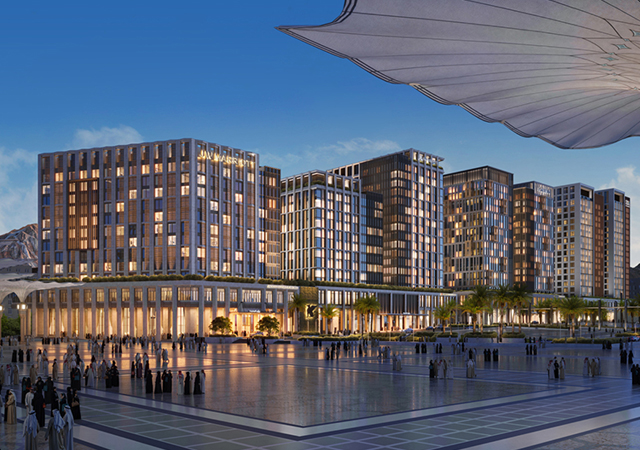
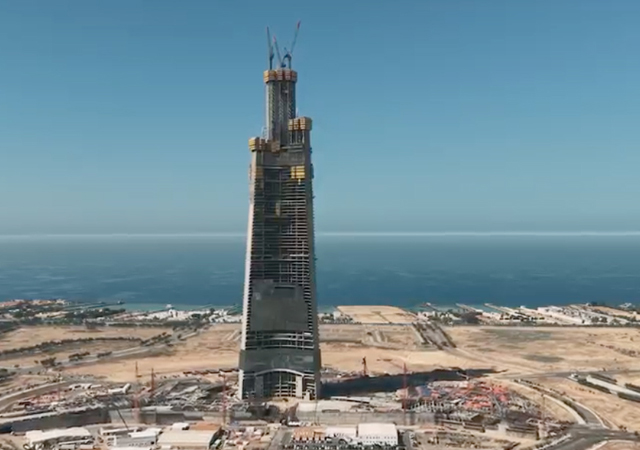
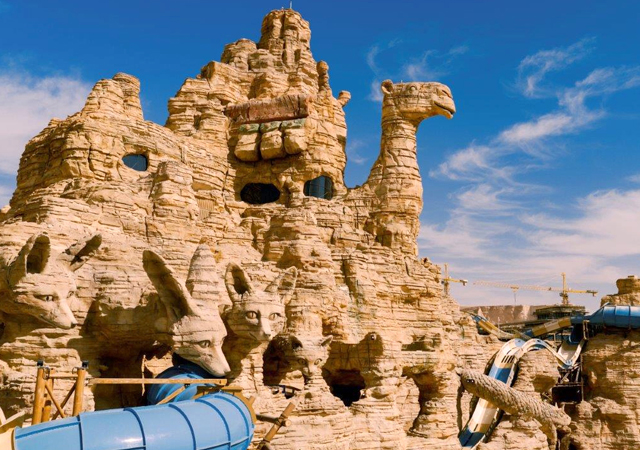
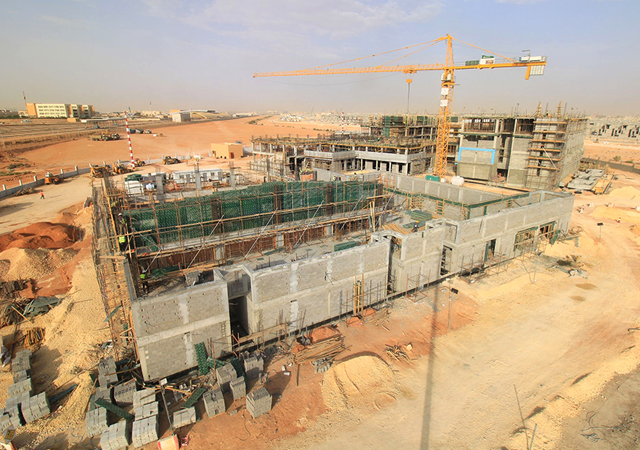


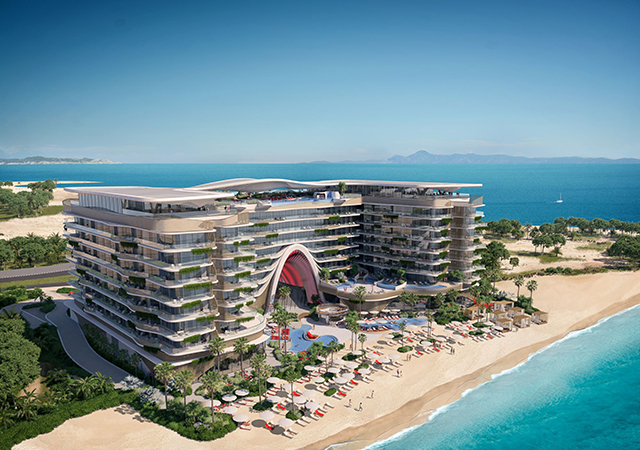
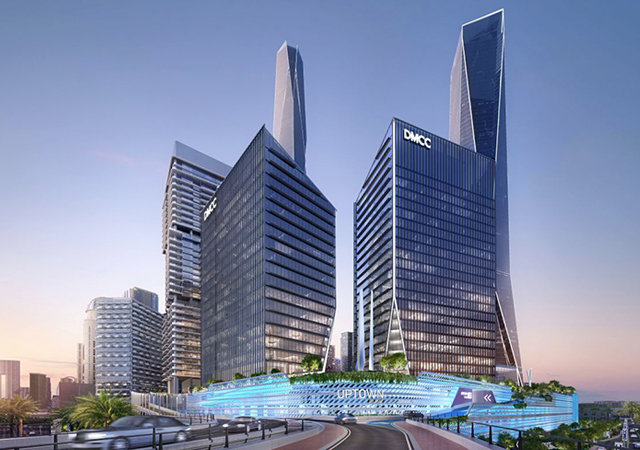
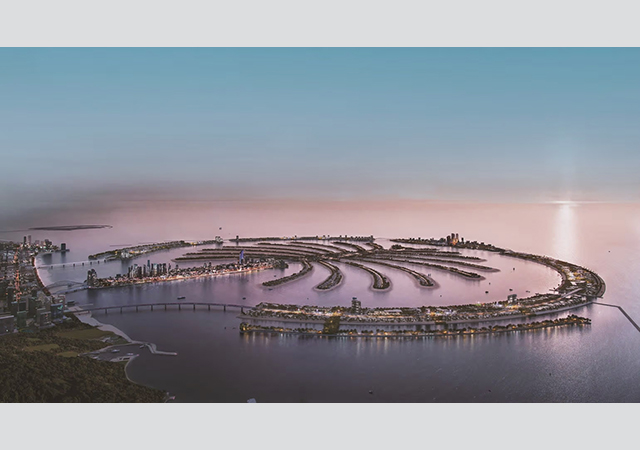


The optimist thinks the boom will last forever; the pessimist reckons the bubble is waiting to burst; and the realist is making the most of the opportunities as the world watches with amazement as Dubai’s tremendous growth continues to build up, year on year.
Dubai seems to be aiming for it all: the world’s tallest tower, largest shopping mall, largest theme mall, largest waterfront development, the first logistics hub and largest airport, the first Ferrari World theme park and the region’s first light rail transport (LRT), first studio city, first ski dome, the region’s equivalent of Disneyland…. the list is endless.
Just when everyone thought they had heard the last of the big projects with the announcement of The Palm, the emirate has stunned the world with the Dubai Waterfront project, which dwarfs The Palm.
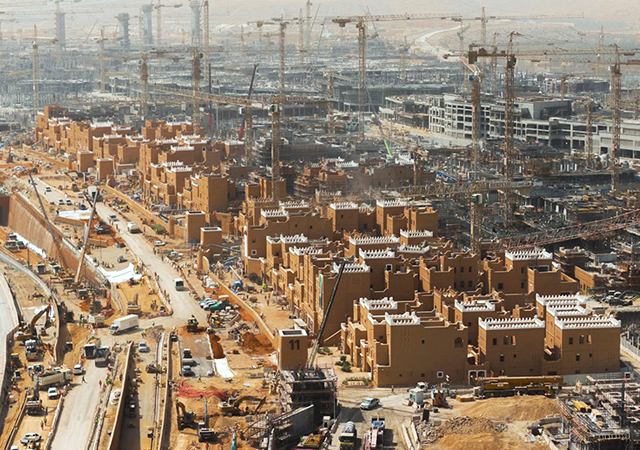
Dubai is in the midst of a real estate bonanza that has spawned massive construction projects. As a result, the construction sector last year outperformed its already impressive growth in 2003, increasing in value to Dh13.5 billion ($3.68 billion) from Dh11.9 billion the previous year.
The sector contributed 13.8 per cent to the GDP rising from 12.2 per cent in 2003, going by the figures released by the Dubai Economic Department (DED).
According to EFG-Hermes, an Egyptian investment bank with offices in Dubai, construction and real estate have become the centerpiece of the emirate’s economy, which grew a record 16.7 per cent in 2004 on the back of strong state spending, firm oil prices and a growing private sector.
“At current prices, Dubai’s gross domestic product (GDP) recorded a phenomenal increase to Dh98.1 billion ($26.7 billion) in 2004, up from Dh84.1 billion in 2003,” says Mohammed Ali Alabbar, head of DED.
Alabbar expects the GDP of Dubai to grow 10 per cent in 2005.
Given its dwindling oil reserves, Dubai’s government is spearheading an ambitious economic diversification programme with real estate, trade and tourism being the main drivers.
Dubai has set its eyes on becoming an exciting tourist destination and the fact that it has managed to do so in such a short time has made the rest of the region sit up and try to emulate its success to improve tourist arrivals or stem the outflow from their own countries. Starting from the Dubai International Airport which is in the midst of a massive $4.1 billion expansion, the entire emirate is buzzing with projects – the Waterfront, the Burj District, Dubailand, the Jebel Ali Airport City, the three Palm projects at Jebel Ali, Jumeirah and Deira, Business Bay, Dubai Pearl, The World, the LRT, Motor City, Dubai International City, Dubai Festival City, Dubai Industrial City, Dubai International Financial Centre, Dubai Healthcare City and numerous projects by developers including Emaar, Nakheel, Union Properties, Damac and others (Detailed reports on some of these projects can be found within this feature).
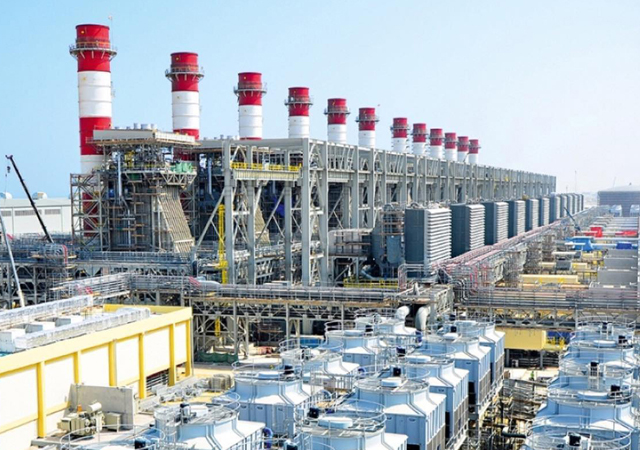
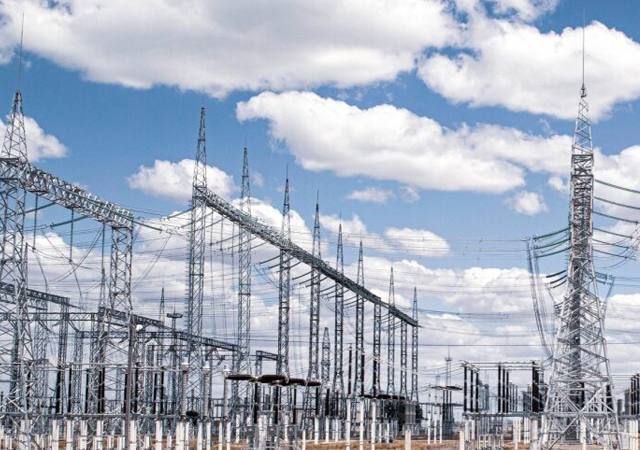
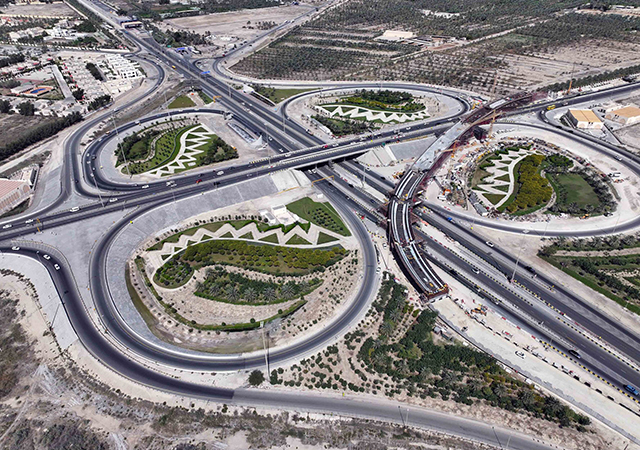
In tandem with these developments, major spending is envisaged on infrastructure and utilities. Dubai Water and Electricity Authority estimates its investment in water and electricity projects at Dh57 billion through the next eight years (2012). In addition, the emirate will invest over Dh22 billion in infrastructure-related projects in the medium term, with $4.5 billion earmarked for the LRT development. Around $500 million will go for roads and bridges, $300 million for drainage and irrigation, and $700 million for general projects.
Tourism thrust
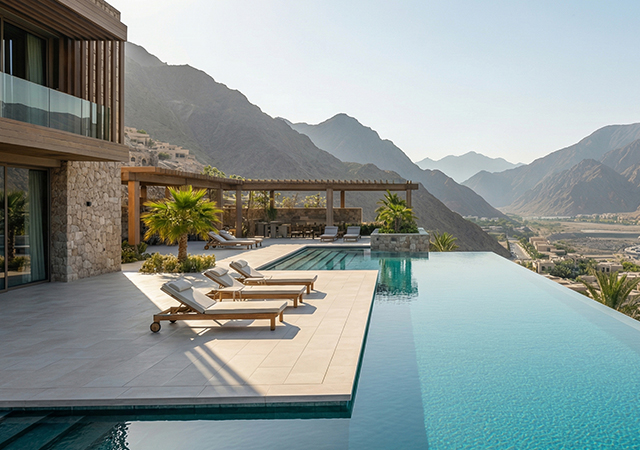
As part of its tourism drive, the emirate will be host to a number of new hotels, shopping and entertainment facilities. The latest region-wide industry survey undertaken by TRI shows more than 300 hotel expansion plans confirmed between 65 hotels on the Jumeirah and Jebel Ali Palm islands, 12 on Sheikh Zayed Road and Al Barsha, as well as seven hotel and resort developments on the emirate’s now world famous Jumeirah coastline.
Given Dubai’s worldwide reputation of being a major shopping destination, mammoth malls are being developed – notably the Mall of Emirates (see page 65), Dubai Mall (see page 37) and Mall of Arabia (see page 61) – each staking claim of being the largest shopping centre in the Middle East. These are just the largest of the mega shopping facilities taking shape in the emirate that is set to open the highly-distinctive Ibn Battuta Mall this month (see page 70). According to Retail International, more than 3 million sq m of retail development is under construction in Dubai.
Rising high
Skyscrapers – too numerous to mention here – are mushrooming in the emirate. On Dubai’s famous Sheikh Zayed Road alone, building licences for 13 towers ranging in height between 23 and 74 storeys were issued last year. Dubai Municipality expects that most of the buildings – worth some Dh1.9 billion – to be completed in the coming two years, which will raise the number of towers on Sheikh Zayed Road to some 100 by end-2007.
Residential projects worth at least $50 billion will be built in the next four years, including at least 85,000 new homes, according to EFG-Hermes.
The property sector is one of the biggest drivers for growth in Dubai, with projects worth an estimated Dh300 billion in the coming 10 years. An indication of the vibrancy can be seen from the real estate transactions (including sales and mortgages) in the emirate, which in the first two months of the year are reported to have exceeded Dh4.29 billion.
Much of this amazing growth in the real estate sector can be attributed to the fact that real estate has become a highly lucrative investment avenue. While banks offer much smaller returns on deposits at present, investors in real estate have been reaping far higher benefits.
1In addition, opening the real estate market to expatriates has provided a considerable boost to the sector. Once a much-awaited land law that would secure the property rights of foreigners is approved, it would provide even further impetus to lure further investments into this profitable business.
While some industry sources believe that property prices may decline over the next two years as the latest rush of building reaches completion, others do not anticipate a softening of the market, indicating that the projected huge growth in population here – estimated to increase to 2.1 million by 2010 – and the rising number of tourists visiting the UAE will trigger a demand in both the residential and hospitality sectors.
With rents continuing to rise in Dubai, property developers and planners need to give serious consideration to the fact that the emirate must develop more medium range affordable residential projects to meet the demand from the mid-income bracket.
“Will the bubble burst?” is the question that has been on everyone’s lips for the past two years. Rather than slowing down, however, the frenetic pace of construction continues to rise – and it will be some time yet before growth starts to plateau.
Dubai International Airport
Considerable progress has been made on the $4.1 billion expansion of Dubai International Airport, which is expected to be completed by 2008 to serve over 70 million passengers per year by 2020. Currently, 7,000 workers are engaged at various sites of the airport to complete the first phase of the project by 2007.
A contract award is imminent for expansion of the Terminal 2 of the Dubai International Airport. This will be followed by a civil engineering contract for Concourse 3, a specially-designed and purpose-built terminal for Airbus A380 superjumbos (see UAE Focus).
Dubai Waterfront
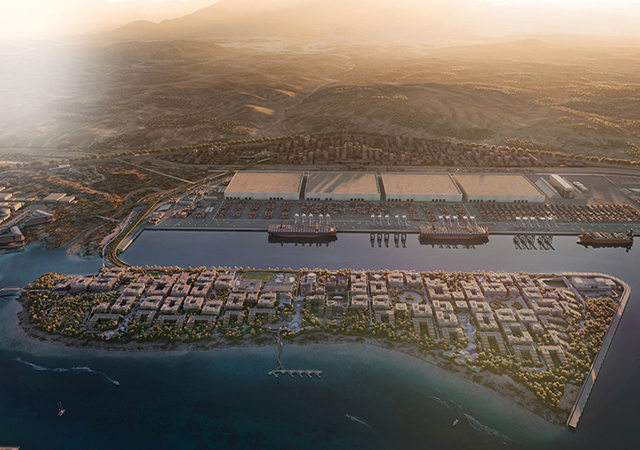
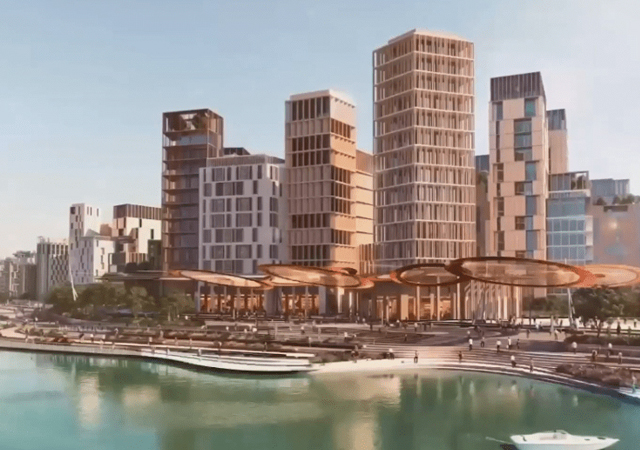
Nakheel’s recently-unveiled Dubai Waterfront project aims to be the world’s largest waterfront offering. The project, once complete, will transform an 81 million sq m beachfront into a mixed-use development that will encompass more than 250 best-of-the-breed masterplanned communities and offerings.
It forms the first phase of a larger effort – the 75-km Arabian Canal. The canal flows the desert while the sweeping arc of man-made islands of the project shelters the nearby Palm Jebel Ali.
The first phase of Dubai Waterfront will focus on Madinat Al Arab, a thriving urban downtown metropolis, including Al Burj, one of the world’s tallest buildings (see page 47).
LRT
Dubai Municipality has launched the ambitious Light Rail Project, construction work on which is expected to start shortly. The project will initially include the construction of two lines – red and green – with a third blue line envisaged for the future. The first phase of the project is earmarked for completion by 2009 (see page 52).
Jebel Ali Airport City
Master planning work is under way on the Jebel Ali Airport City, which will be built 40 km from the Dubai International Airport and will cover an area of 140 sq km. It will include not just a state-of-the-art airport, which is billed to be the largest of its kind in the world, but also several smaller cities such as the Logistics City, which will cater to the financial, industrial, service and tourism industry needs (see page 44).
Burj Dubai District
The 500-acre Burj Dubai District, being developed at an estimated cost of $8 billion, aims to offer the cream of downtown lifestyles around the world when it is completed by the end of 2008. The mixed-use community will boast the world’s tallest tower and one of the largest malls, work on which has recently been started. The district will also include The Old Town; a 3.5-km-long promenade lined with buildings known as The Boulevard; residential blocks, namely The Residences and Burj Views; and the Office Park (see page 36).
Business Bay
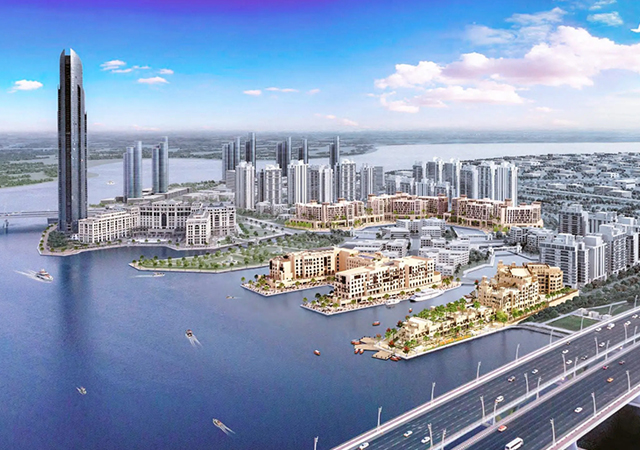
Design work is under way on the new Business Bay development, which will cover 64 million sq ft along the Dubai Creek. Being developed by Dubai Properties (a part of Dubai Holding), initial work due to start this year includes extending Dubai Creek towards Shaikh Zayed Road, establishing the infrastructure, such as roads and electricity networks; and laying the foundation of towers and other facilities. Designed to be a new capital for business and commerce, the project will feature several business and residential towers, landscaped gardens, shopping malls, hotels, and many other facilities.
The World
Some 50 per cent of the reclaimed sand is now in place for creating the 300 islands that are positioned strategically to form the shape of the world map. The World as the development is known will eventually cover more than 593 million sq ft and will result in a 200 km stretch of beach in Dubai. Located 4 km offshore from Dubai, midway between the Palm Jumeirah and Port Rashid, the islands are expected to take two years to complete after which work will start on the infrastructure. Nakheel, the developer will then hand over the islands to investors to develop them to their individual requirements.
Dubai Healthcare City
The ambitious Dubai Healthcare City (DHCC) – the world’s first healthcare free zone – is expected to inaugurate its first outpatient facilities shortly. This Dubai Holding project is being developed at a cost of $3 billion over two phases and comprises three main elements:
An academic medical centre – comprising a university teaching hospital, the Harvard Medical School Dubai Center Institute for Postgraduate Education and Research, and a Research Foundation;
A medical cluster – comprising outpatient day clinics, pharmaceuticals and equipment, private hospitals, a transplant centre, a rehabilitation centre and diagnostic centre; and a wellness cluster, which will offer sports medicine, nutrition and a health farm, as well as include the development of spas and rehabilitation facilities.
Combined, the facilities at DHCC will ultimately provide services including cardiology, oncology and diabetes, as well as preventive and other health maintenance services.
International City
Construction work is under way on a number of components of the estimated $1.9 billion International City being developed by Nakheel. Covering an area of 800 hectares, the development comprises residential apartments, a shopping mall, entertainment facilities, factory outlets, warehousing and related works. The scheme, located in the Al Warsan district, covers six areas: Central District, Lake District, Residential District, Forbidden City, Dragon Mart and Dubai Gate.
At least six contractors are currently working on the residential district, which comprises buildings in townships based on architectural themes of various countries over 300 hectares. In total, 14 packages will be tendered, with buildings ranging in size from two to five storeys and the district is expected to be completed by the end of 2006. The US’ DMJM International is the overall masterplanner and architect.
Dubai Intl Financial Centre
Work is in progress on four Gate Precinct Buildings for the Dubai International Financial Centre (DIFC).
The buildings are located on the east and south sides of The Gate, a building targeted to be the headquarters of the DIFC. Once completed, the Gate Precinct Buildings will be part of a built-up area of about two million sq m catering mainly to the business, residential, retail and hospitality sectors.
Dubai Festival City
Dubai Festival City (DFC) is being developed on 1,600 acres on the banks of Dubai’s historic creek. Comprising 15 distinct development zones, this Al Futtaim Group development will comprise a unique mix of entertainment, dining, shopping, edutainment, sport and leisure facilities, automotive dealerships, hotels, a marina, residential and office components.
The latest addition to the city is a Four Seasons Golf and Country Club, which will incorporate the recently-opened Robert Trent Jones II-designed18-hole Al Badia golf course. It will open in the first half of 2007.
The course is part of the Al Badia Golf Resort which includes Mediterranean-style apartments and town homes that are already being leased.
Work is also well advanced on the development’s centrepiece Festival Centre, a 2 million sq ft retail, dining and entertainment centre, set on a Creekside marina. Work has also begun on the InterContinental Dubai Festival City, an iconic convention hotel situated in the northwest.
Meanwhile, the masterplan for Phase II of the DFC project is expected to be finalised later this year. Phase II will focus on expanding the residential elements within the development, as well as adding features to works executed during Phase I.
Dubai Pearl
The local Arabtec Construction has been awarded the main construction package for two residential towers on the Dh3 billion Dubai Pearl development, which will cover more than 10 million sq ft and include three hotels, 2,000 residential units, an opera house and retail facilities.
The development – promoted by Omnix International, part of Qatar’s Salam Holdings – is scheduled to be completed by 2006.
Arabtec is already working on the construction of the 287-m Movenpick Hotels & Resorts tower within the Pearl.
Dubai Silicon Oasis
Work on the Dubai Silicon Oasis (DSO) – the region’s first dedicated centre for electronic design and innovation – is in progress and construction work has just been launched on the Dh300 million Arabian Heights Residences, the first residential project to be built at DSO.
The Arabian Heights – being developed by Benaa Development – will be completed in March 2007.
This purpose-built high-technology park for the microelectronics and the semiconductor industry provides facilities including incubator centres, networking and outsourcing support.
Mall of the Emirates
Work on the Mall of the Emirates is well on track for completion this September. The Majid Al Futtaim (MAF) Investments project will house more than 400 shops and include 2.4 million sq ft of prime retail and leisure space, making it one of the biggest malls outside North America.
The mixed-use development will incorporate two hotels – one of which will be operated by Kempinski, a two-level family entertainment centre, indoor ski resort and a 500-seat community theatre (see page 65).
Motor City
The second phase of Dubai Autodrome’s development, the Motor City – a business park for motor and motor-related industries – will take shape on 30 million sq ft of land.
UP has just completed the master planning and is offering plots to manufacturers predominantly from the motor sector within the Offices District, Retail District and, High Technology District, allowing them to have a direct access to on-track action. Also part of the plan is a Residential District and the 50-hectare Ferrari World theme park – the first of its kind in the region – incorporating a museum, interactive displays, clubhouse, restaurants and exclusive shops (see page 74).
Ibn Battuta Mall
The finishing touches are being put to the Ibn Battuta Mall, which is set to open later this month. This highly distinctive mall combines retail, entertainment, restaurants and family activities all within a uniquely themed environment. It is segmented into six distinct architectural zones, representing key destinations visited by Ibn Battuta. It also features a 21-screen cinema Megaplex, including the UAE’s first IMAX cinema, themed garden areas and a uniquely-designed food court (see page 70).