



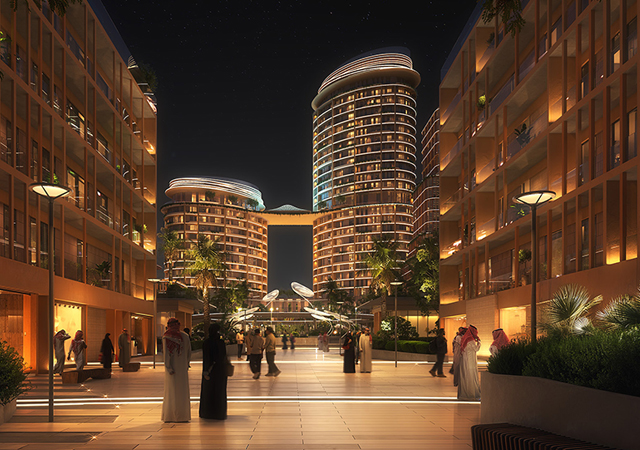
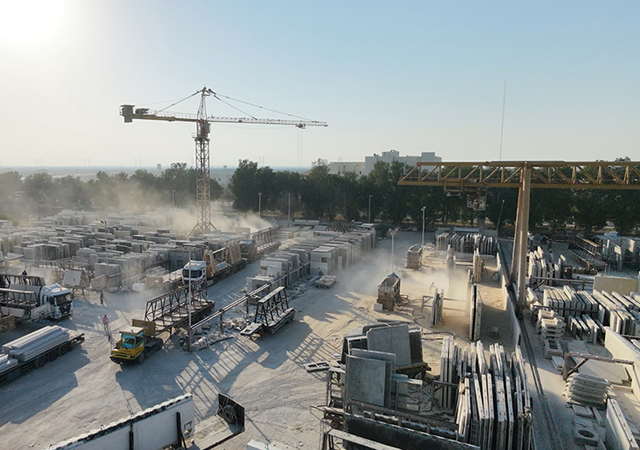
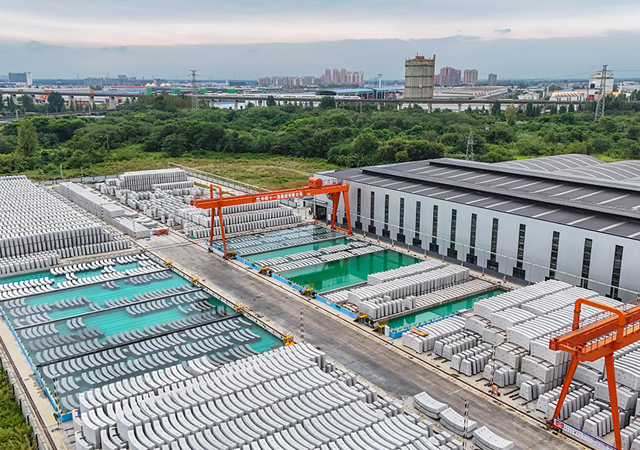






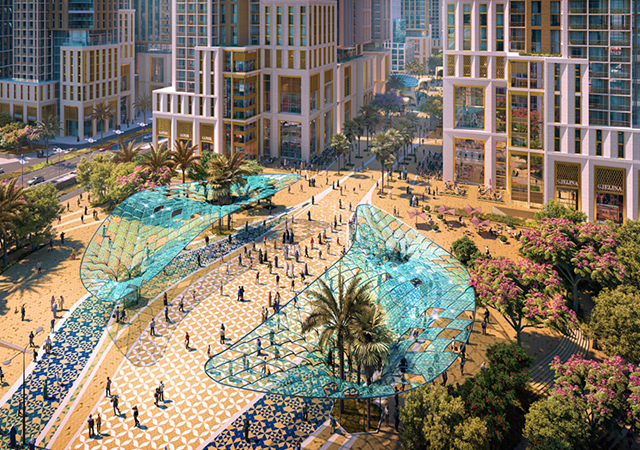
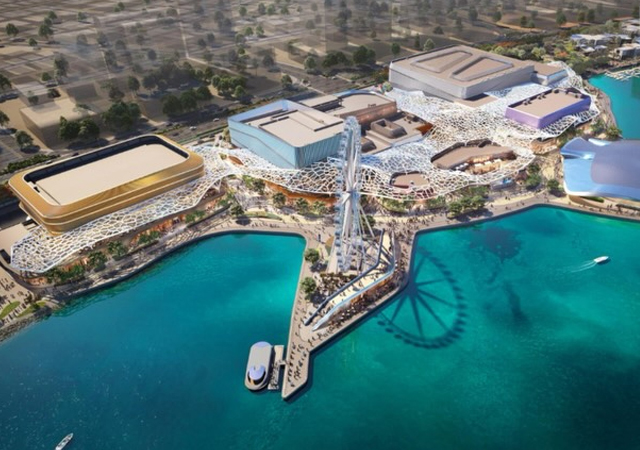




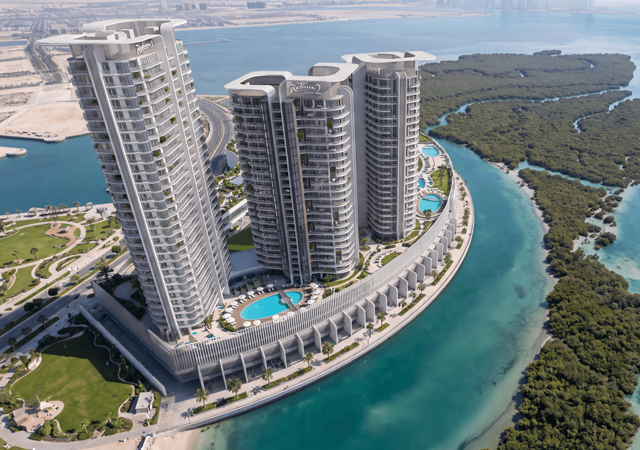

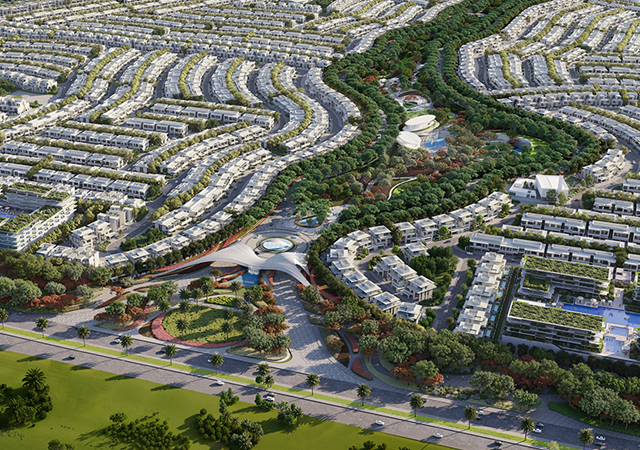




The Middle East is currently advancing a sophisticated era of urban development – one defined by strategic investments that are fundamentally reshaping the region’s economic and physical landscape.
Across the GCC, the market is expected to grow from $177.77 billion in 2025 to $226.88 billion by the end of the decade, according to a report by Research and Markets.
This growth is being driven by national transformation agendas such as Saudi Vision 2030, UAE 2031, and Qatar National Vision 2030, each placing infrastructure, sustainability, and digital innovation at the centre of economic diversification. But while the scale of opportunity is clear, so too is the complexity.
The interoperability mandate
Today’s projects are no longer defined by size alone. They are defined by the number of stakeholders involved, the speed of delivery expected, and the volume of data generated across the project lifecycle. In this environment, traditional, fragmented approaches to design and construction are no longer viable.
The real challenge facing the industry is not building bigger; it is building smarter, with alignment across every phase of the project. This is where the concept of a digital backbone becomes critical.
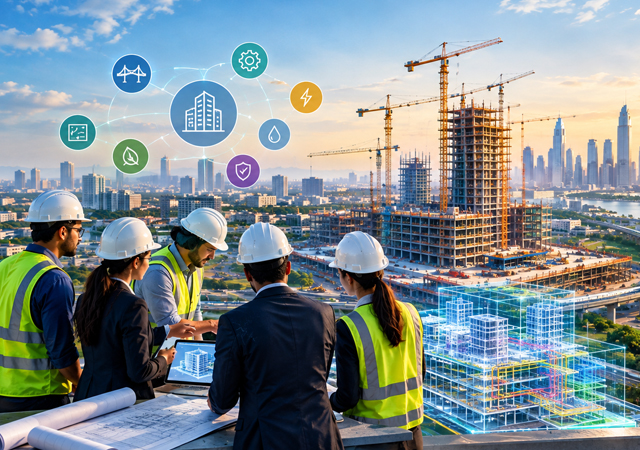
A digital backbone is not a single tool or platform. It is an integrated ecosystem that connects people, processes, and data across the entire lifecycle of an asset, from design and engineering to construction and operations. At its core are open standards and interoperable workflows, which ensure that information flows seamlessly between all stakeholders, regardless of the tools they use.
A profound shift
When data is connected across the architecture, engineering, construction, and operations (AEC/O) lifecycle, coordination improves. Design clashes are identified earlier, reducing costly rework on site. Decision-making becomes faster and more informed, supported by real-time insights rather than static reports. And, most importantly, risk is reduced not just during construction, but across the entire lifecycle of the asset.
For governments and developers investing billions into national infrastructure, this is not just a technical advantage. It is a strategic imperative.
We are already seeing a shift across the region. Leading projects are moving away from siloed systems toward open, collaborative environments where data is treated as a shared asset rather than a byproduct.
A Shared Digital Vision
However, technology alone is not enough. Building a true digital backbone requires industry stakeholders to move beyond proprietary systems and embrace openness, collaboration, and long-term value creation. It requires leadership that understands that digital transformation is not an IT initiative, but a business strategy.
The Middle East has a unique opportunity. With many projects still in the early stages, the region is not constrained by legacy systems in the same way as more mature markets are. This creates the potential to leapfrog traditional models and establish a new global benchmark for digitally enabled construction.
The progress we are witnessing today will shape the region for decades to come. The question is not whether these projects will be built. It is how. Those that invest in building a strong digital backbone will define the future of the built environment in the Middle East.
Nemetschek Arabia is focused on supporting the industry’s transition toward open, interoperable ecosystems that enable true collaboration across the built environment. By championing open standards and integrated workflows, it is work closely with partners across the value chain to ensure that technology does not create silos, but removes them.