










































AS a long-term supplier of raw materials for the manufacture of high-performance concrete to many major projects in the Middle East, the Dubai office of the 50-year-old Australian firm Bisley & Company is busy expanding its product range and diversifying its customer base across the region.
Historically, Bisley’s involvement with the Middle East’s construction sector has revolved around the supply of quality assured silica fume from Holcim, South Africa. “Holcim CSF-90 silica fume is a crucial tool in the manufacture of modern high-performance concrete (HPC),” explains a spokesman for the company. “HPC is defined as concrete that exceeds the performance bounds of normal concretes based on conventional raw materials. Silica fume – in suitably designed mixes – enhances concrete compressive strength, chloride and sulphate resistance, abrasion resistance, cohesiveness, pumpability, electrical resistivity and permeability.”
“Holcim CSF-90 is produced in strict accordance with ASTM standards and is quality assured in Holcim’s ISO9001 compliant facility in South Africa,” he adds.
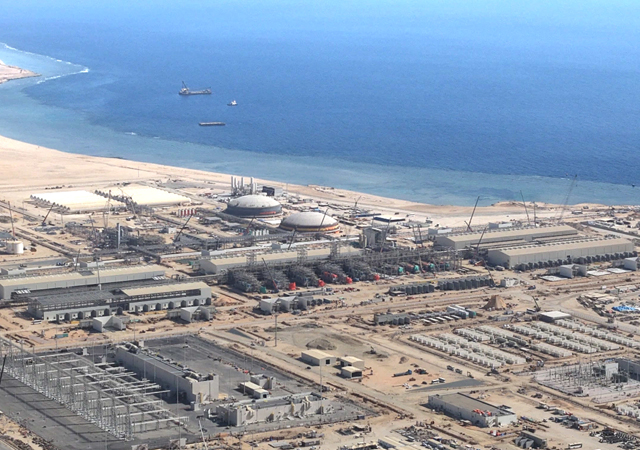
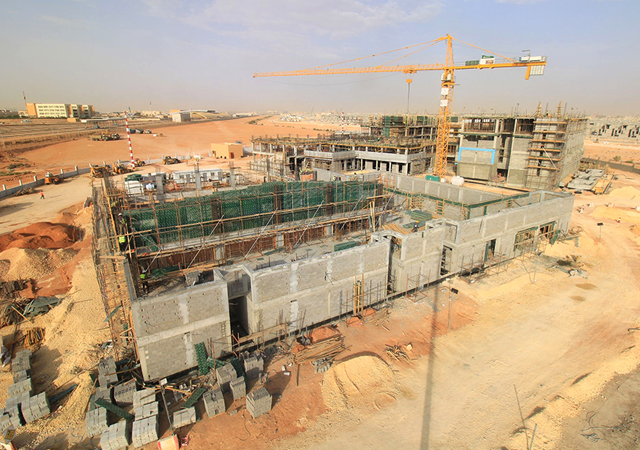
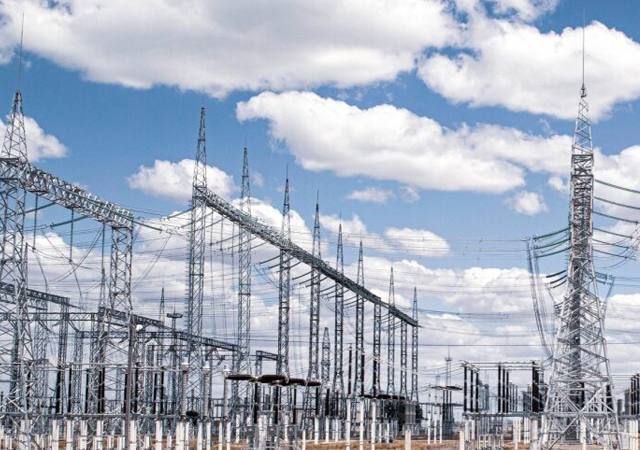
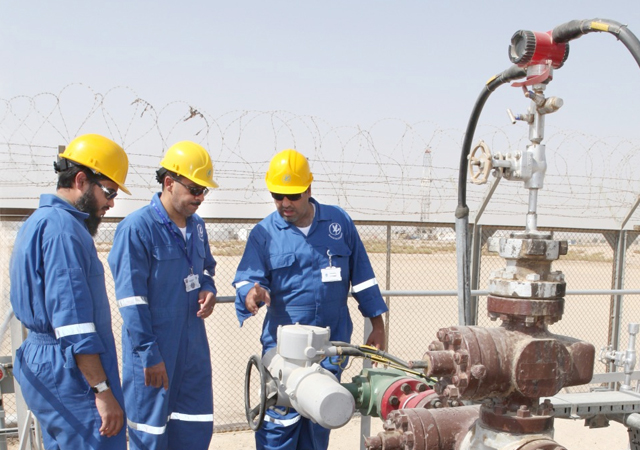
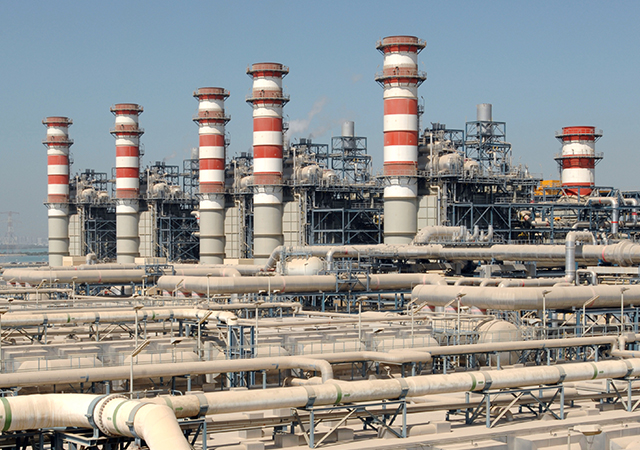
Holcim CSF-90 has been used in many prominent developments including the Salalah Port in Oman; Aramco’s Ras Tanura refinery, and the Ghazlan power station, Hadeed (Saudi Iron and Steel Company) and the Wadi Leban cable stay bridge in Saudi Arabia; Qatargas (Qatar Liquefied Gas Company), Ras Laffan Port, Qafco (Qatar Fertiliser Company) and Doha Port in Qatar.
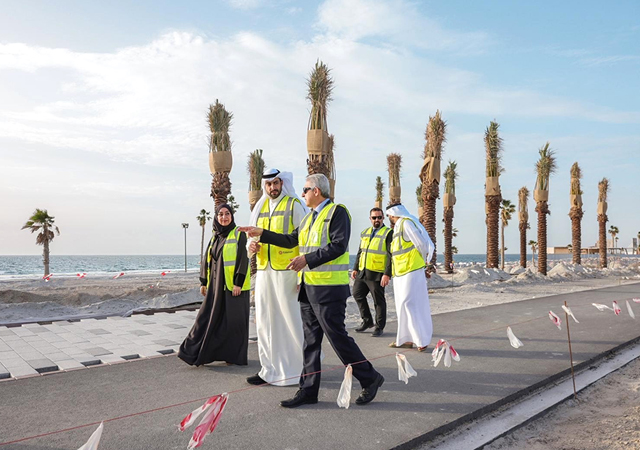
“In Bahrain, Holcim CSF-90 was extensively used in the Manama-Muharraq Causeway (Shaikh Isa bin Sulman Causeway), one of the most highly-specified concrete projects ever undertaken in the region,” the spokesman points out. “Holcim CSF-90 has achieved compressive strengths in excess of 120 MPa in production concrete in the region.”
A more recent addition to Bisley’s HPC portfolio is ground granulated blast furnace slag (GGBS). GGBS has achieved growing acceptance in the GCC, both as a durability enhancer and as a means of lowering concrete heat evolution in large pours, he says. It may be used either as a binary blend with Ordinary Portland cement, or in synergistic triple blends with silica fume.
Bisley distributes and markets GGBS from Indorama Cement’s ideally located facilities on the west coast of India. Indorama GGBS is a consistent, ground slag manufactured to comply with British Standards, the spokesman points out.
In the field of calcium aluminate cement, Heidelberger is Bisley’s supplier of choice. Heidelberger’s calcium aluminate cements are produced in its ISO9001-certified facility in Europe and exported to more than 40 countries. In the construction sector, these cements have a diverse range of specialised applications including mortar linings for sewage pipes, tile adhesives and grouts, floor levelling compounds, sealants and repair mortars, he says.
A further area of significant growth potential is the application of specialised synthetic fibre reinforcement.
“In the Middle East, synthetic fibres are generally added as an efficient means of reducing shrinkage cracking of the concrete in its plastic (unhardened) state,” he explains. “In recent years, however, more sophisticated fibres have been developed that are capable of contributing significant benefits to the hardened concrete. These include increased fatigue strength, impact resistance and abrasion resistance, and greatly enhanced post-crack behaviour. Careful design with these ‘structural’ synthetic fibres can reduce or eliminate the need for wire mesh and steel in certain commonly deployed applications such as slab on grade. In this highly specialised area, Bisley has teamed with Forta Corporation US, who first introduced synthetic fibres to the North American market in 1978.”
Bisley & Company – which will mark its 50th year in business this year – was founded by John H Bisley in Sydney, Australia, and has grown into a substantial international business, with offices and distribution facilities in Australia, Dubai, Singapore, Jakarta (Indonesia) and Kuala Lumpur (Malaysia).
“Today, Bisley markets and distributes a broad range of quality chemicals, minerals and metals to the construction, aluminium, steel, foundry, chemical, plastic, rubber, fertiliser, ceramics and refractory industries,” the spokesman says.
From its Dubai office, the company co-ordinates its sales activities throughout the Middle East, which is regarded as one of the most complex and demanding concrete environments in the world. “A combination of high temperatures, an aggressive high salinity maritime environment, and a preponderance of large-scale infrastructure projects and high-rise construction, places extraordinary demands on concrete production and performance,” he explains.
Whilst today Bisley’s customer base includes many readymix companies and contractors, historically the company’s major involvement in construction commenced through the supply of raw materials to the concrete admixture and cementitious specialty products sector. Like most parts of the GCC construction industry, this sector is growing substantially at present. Existing regional manufacturers are expanding and major offshore manufacturers are relocating or licensing their production to take advantage of the dramatic growth in the region.
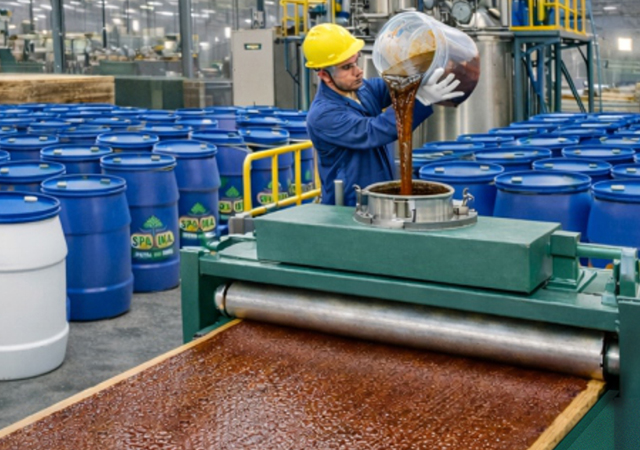
Bisley has been a supplier of key raw materials to the concrete admixture sector for over 20 years. These products continue to feature prominently in its current range and include the basic chemical “building blocks” required to manufacture concrete water reducers, superplasticisers, retarders and accelerators. Recent additions to the portfolio include polycarboxylates from KG Chemical, Fillite brand cenospheres, and lithium compounds used as concrete accelerators and alkali aggregate reaction inhibitors.
“Looking to the future, Bisley’s aim is to be the supplier of choice for all major performance enhancing concrete raw materials across the company’s markets in the Middle East, Asia and Oceania. As technical development in this industry continues apace, Bisley will be there to help with the latest raw materials required to stretch the concrete performance envelope,” he concludes.