





.jpg)




 (1).jpg)

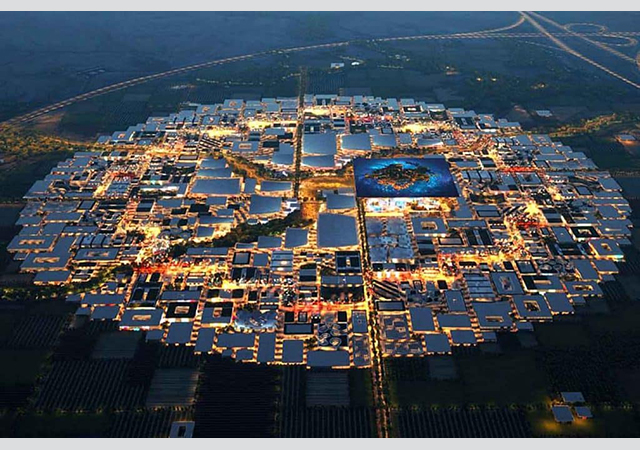
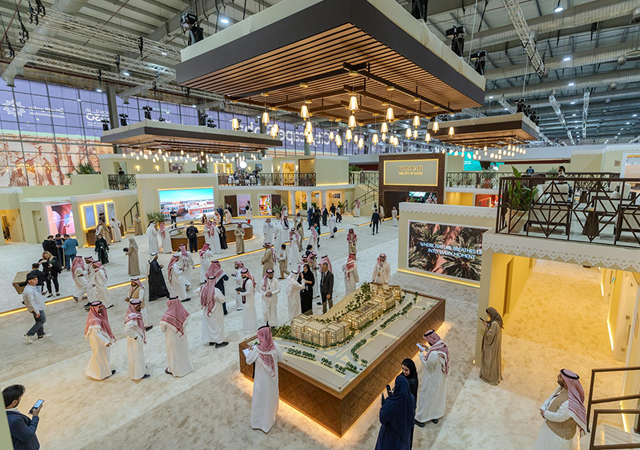
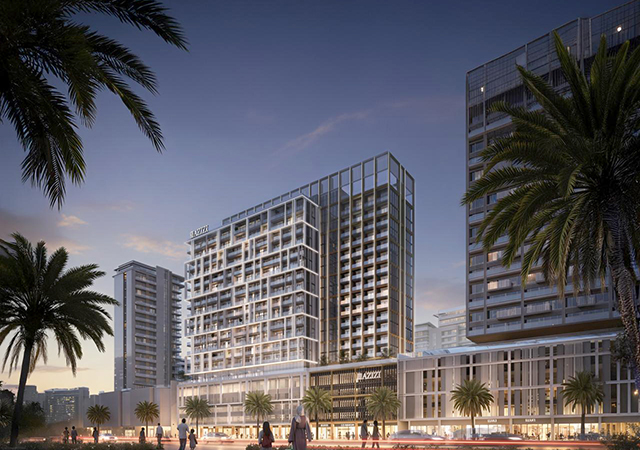
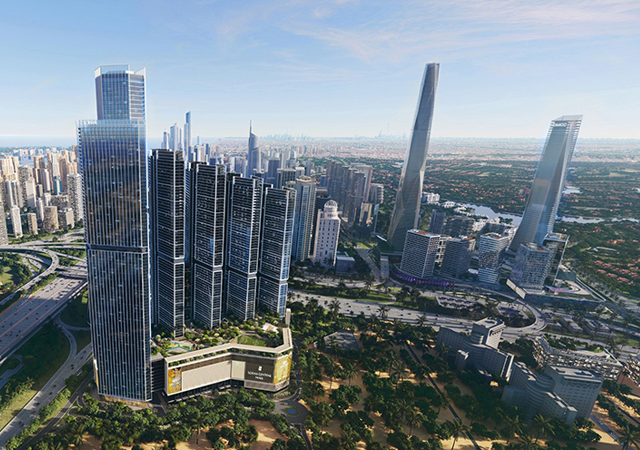
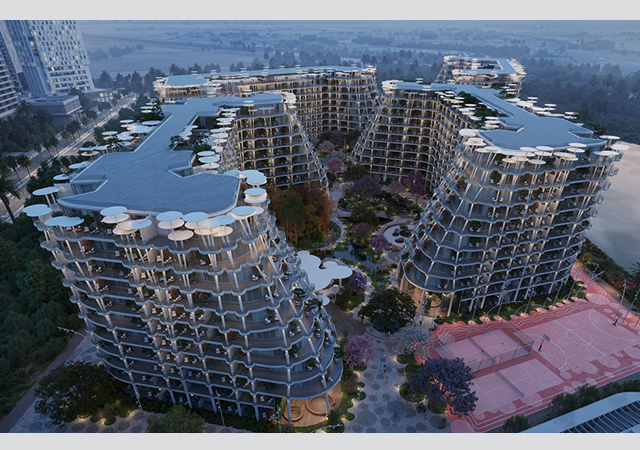
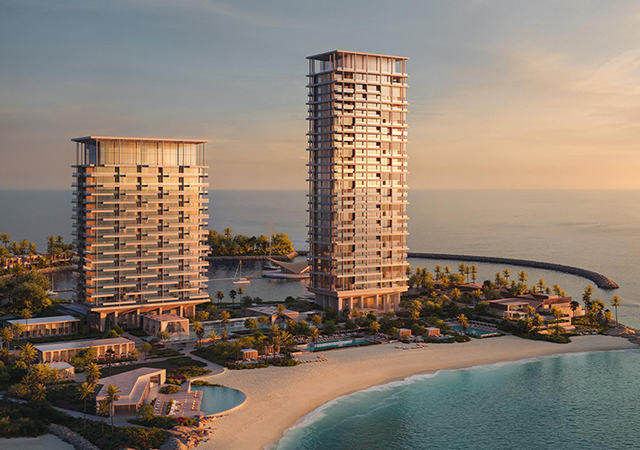




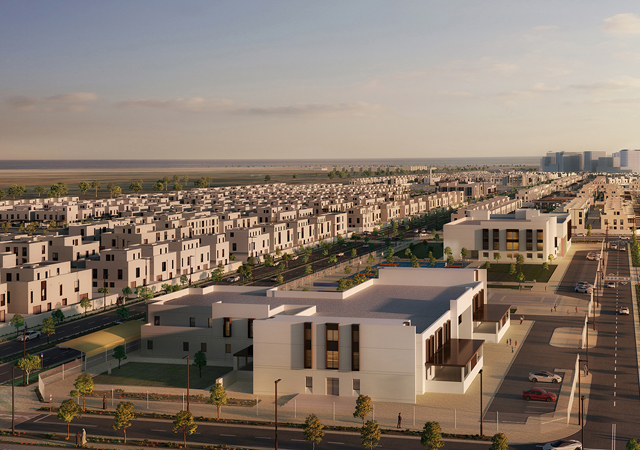
 The project is created around an eco-sensitive philosophy with a special low-density masterplan.
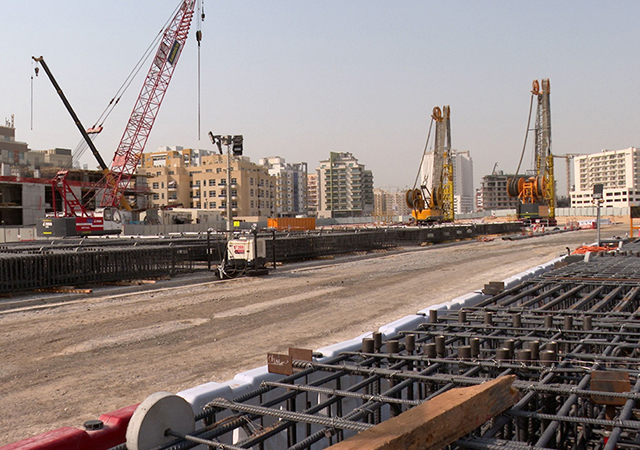
Infrastructure work, including the construction of the 10-lane Saadiyat Bridge, is well under way on Saadiyat Island, as Tourism Development & Investment Company (TDIC), the master developer of this 27 sq km natural island, moves ahead with plans to ensure that the project is trendsetting, particularly in terms of the environment.
An island sanctuary off the coast of Abu Dhabi, Saadiyat – which translates as ‘island of happiness’ – is the emirate’s flagship development. Lying to the northeast of Abu Dhabi city, the entire project is created around an eco-sensitive philosophy with a special low-density masterplan.
Saadiyat Island, which has 30 km of water frontage and boasts many natural eco-features, including mangrove forests, is expected to be home to a community of more than 150,000 people. It will be linked to Abu Dhabi city via two iconic causeways, one of which will operate a light rail system and a 10-km-long highway with bridge, making it a mere five-minute drive from the heart of downtown Abu Dhabi and close distance to Abu Dhabi International Airport.
There are plans for luxury hotels, over 3 million sq m of office space, three marinas with berths for around 1,000 boats, two golf courses – one being the UAE’s first Gary Player signature course and the first ocean course of the Arabian Gulf – civic and leisure facilities, sea-view apartments and elite villas.
The island will also have over 8,000 private villas, 29 hotels with more than 7,000 rooms, resorts set on spectacular beaches, over 38,000 apartments and its renowned Cultural District, featuring the world’s largest single concentration of premier cultural institutions, which has already attracted worldwide acclaim. The island is masterplanned in seven distinct districts which include the Cultural District, Saadiyat Marina, Saadiyat Beach, South Beach, Island Lagoons, The Wetlands and Eco-Point.
As part of plans for the Saadiyat Beach district, the TDIC has initiated measures to achieve LEED (Leadership in Energy and Environmental Design) certification for the Saadiyat Beach Residences, a key component of the district. The certification will be across two key categories – neighbourhood development (LEED-ND) and homes (LEED-H).
“Although LEED-ND is currently still in its pilot phase, the criteria set forth to achieve its certification are intricately woven into the fabric of the Saadiyat Beach community design,” says Lee Tabler, CEO of TDIC.
Said to be the Middle East’s largest single natural island development, Saadiyat Island is a landmark leisure, cultural and residential destination being developed some 500 m offshore the UAE capital. The island which, according to Wall Street Journal research, was tipped as one of the world’s top 10 emerging ‘trendy’ destinations and voted the ‘World’s Leading Tourism Development Project’ in the 14th World Travel Awards, will be developed in three phases until 2018.
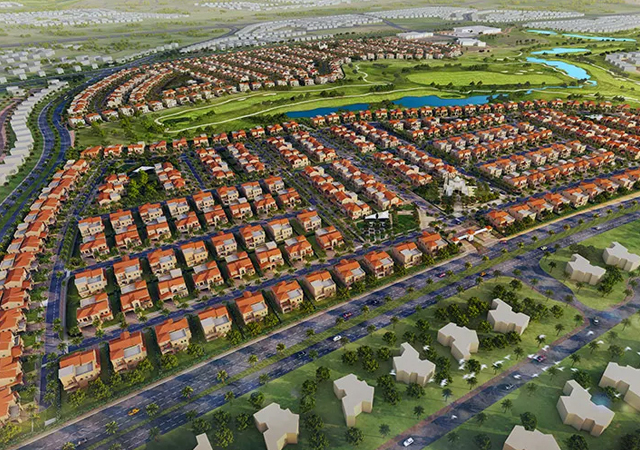
TDIC intends to leverage the extensive LEED experience of EDAW, the masterplanner, and JZMK Partners, the architectural firm commissioned to design the Saadiyat Beach Residences, which comprises seven gated communities surrounding the UAE’s only Gary Player signature golf course and overlooking a pristine beach with proximity to nine luxury resorts.
“In designing Saadiyat Beach Residences, JZMK has drawn on its LEED project experience, including Gold-level certification for residential projects in California, and the pre-submittal checklists for large-scale, masterplanned communities in the US and internationally,” adds Tabler.
“From a neighbourhood design perspective, Saadiyat Beach Residences achieves key criteria including reduced automobile dependence, housing, work and schools proximity as well as site design for habitat conservation. This is evident through the project’s close-knit neighbourhood structure, which includes efficient street networks, neighbourhood parks and a pedestrian street character.”
“Additionally, Saadiyat Beach incorporates a strong diversity of uses, housing types and innovation in design with multiple greenbelts, trails and open space linkages,” explains Tabler. “Once the LEED-ND programme completes its pilot phase late next year, Saadiyat Beach will be well positioned for certification submittal.”
In pursuing LEED-H certification, TDIC is using sustainable water and energy-efficient design techniques, such as harvesting water, installing high-efficiency fixtures, optimising energy performance, and using efficient hot water distribution throughout Saadiyat Beach Residences.
“With regard to building materials and indoor air quality, design efforts are being focused on issues such as using environmentally-preferable materials, construction waste management planning, outdoor air ventilation and air filtering,” says Tabler.
Earlier this year, TDIC signed a memorandum of understanding (MoU) with Arabtec Construction for the detailed design, development and construction of Phase One of the Saadiyat Beach Residences community. The Dh2 billion ($540 million) contract, which will include all associated infrastructure works, is due for completion in 30 months.
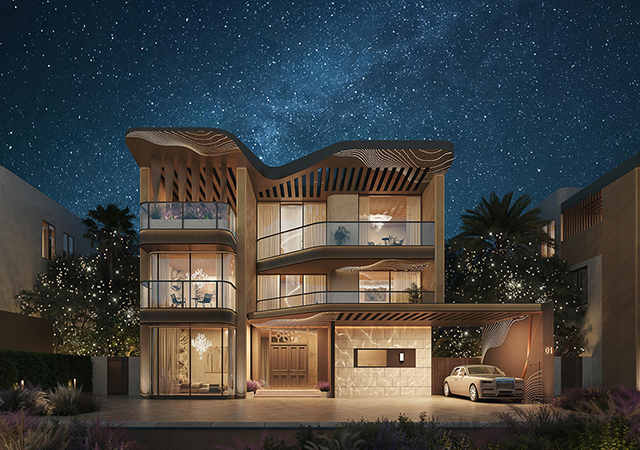
The project comprises a range of three to eight bedrooms villas and townhouses in Mediterranean, Arabian or contemporary architectural styles, some featuring a private gymnasium, elevator, swimming pool and movie theatre.
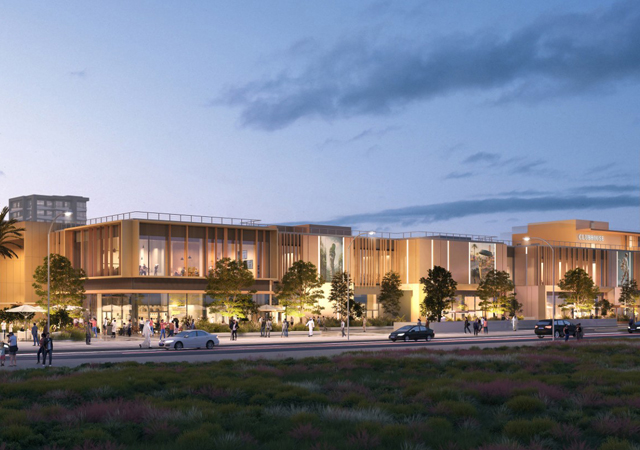
Housing and job opportunities are also integrated into the community design of Saadiyat Beach Residences with multiple village-centre-style commercial and shopping areas directly adjacent to neighbourhoods.
The large expanses of pristine shore at Saadiyat Beach are being safeguarded through preservation techniques to conserve the natural turtle-breeding grounds.
Speaking on the overall construction work on the island, Tabler says that infrastructure work is well under way, with bulk earth filling for the Gary Player Championship Golf Course now complete.
In addition, dredging works for the 35 million cu m of earth needed to sculpt the landform to enhance views from Saadiyat’s marina, beach and cultural districts is 94 per cent complete and ahead of its schedule.
Following an official course inspection of the Gary Player Championship Golf Course – his only signature course in the UAE – golfing legend Gary Player was impressed at the progress the course had made.
“The blank Saadiyat canvas is taking shape and it is going to be an unbelievable facility when completed. This ‘balanced development’ is exactly what Abu Dhabi is doing right….in 10 years time this will be one of the great destinations of the world,” said Player.
Gulf Leighton, a member of the Al Habtoor Leighton Group, is playing a major role in developing the infrastructure for this massive development. It is responsible for construction of approximately 20.3 km of roadways, a total of eight bridge structures of various lengths and configurations, three tunnel structures, a potable water network of 27.9 km of varying pipe diameters, a potable water storage reservoir, a sewage sanitation system, a storm water drainage system, telecommunications civil works and various mechanical and electrical projects.
The 10-lane Saadiyat Bridge, which will link Abu Dhabi city with Saadiyat Island, is also 65 per cent complete and is fast emerging as a major landmark in the emirate. The bridge – one of the largest infrastructure projects currently under way in Abu Dhabi emirate – is being built by an ED Zublin/Saif Bin Darwish joint venture on behalf of TDIC.
“We are well on course for targeted completion of the bridge in September next year – well in advance of the planned opening of some key Saadiyat facilities, including some five-star resorts planned for Saadiyat Beach and the Saadiyat Beach Golf Course,” Tabler says.
Set to become one of the world’s great non-suspension bridges, the concrete-span bridge, which has a mid span of approximately 200 m, will connect Saadiyat Island with Abu Dhabi city from the Mina Zayed main port area creating a five-minute drive access between the two.
Saadiyat Bridge, which has been designed as a concrete box girder carrying five lanes of traffic in each direction as well as two future passenger rail system tracks, is being built using balanced cantilever, cast-in place and incremental launch methodologies. It will eventually link into the 6.5 km Saadiyat Link road, also under construction, connecting Abu Dhabi’s Shahama district to Saadiyat Island.
When complete, these two major developments will result in a 15-minute fast-track access from Abu Dhabi International Airport to Saadiyat Island.
Construction of Saadiyat Link with five lanes in each direction – also due for completion in September next year – is being carried out by TDIC-Leighton Contracting, a strategic joint venture between TDIC and Gulf Leighton, one of the GCC’s largest multi-discipline contractors and a subsidiary of Leighton International, Australia’s leading contracting and engineering company.
Meanwhile, at the Cultural District, the Louvre Abu Dhabi museum project, which has been designed by 2008 Pritzker prize winner Jean Nouvel, is moving ahead with the award of the engineering services contract to UK engineering consultancy Buro Happold by TDIC.
Buro Happold will now work with Jean Nouvel, under a co-operation agreement, on concept validation of the initial design and on the schematic design of the museum, which is due to open in 2012. Buro Happold’s scope of work covers a range of engineering disciplines including structural, civil, site traffic, marine and environmental.
“‘Buro Happold was selected because of its holistic approach to engineering, its track record as an environmentally responsible and responsive organisation and its appreciation of the project’s standing within the social, architectural and aesthetics fields,” says Tabler. “With engineering design now under way we are on course to break ground on this truly iconic structure in the first quarter of next year.”
Mangroves
Lying to the northeast of Abu Dhabi city and roughly equidistant between Abu Dhabi International Airport and the city centre, Saadiyat is a barrier island facing out into the Arabian Gulf, protecting shallow lagoons.
Much of the island to the east is characterised by ecologically-sensitive mangrove reserves. To ensure proper ecological balance, TDIC has established an inter-tidal mangrove nursery on its Wetlands district, which will double the size of the existing mangrove plantations on Saadiyat Island.
The newly-established nursery has cultivated 100,000 propagated mangrove seedlings to be transplanted on the island this year and is propagating a further 180,000 seedlings ready for transplantation during the duration of the island’s development.
“The ecological importance of mangroves is substantial as they act as something of an enviro-engine being a breeding and migratory habitat for a wide range of species,” says Tabler. “As mangrove sediment is rich in life, wading birds feed there, and juvenile fish find food and shelter in and around the roots. The health of Saadiyat’s coastline owes much to the existence of lush mangrove plantations.”
SAADIYAT QUICK FACTS
Saadiyat includes the following seven districts delivering a multitude of experiences with complementary environments and all connected by a palm-lined arterial freeway:
Cultural District, a global cultural hub, which will be home to the world’s largest single concentration of premier cultural institutions including the Sheikh Zayed National Museum designed by Lord Foster, the Guggenheim Abu Dhabi Museum by Frank Gehry, the Louvre Abu Dhabi by Jean Nouvel, a performing arts centre by Zaha Hadid and a maritime museum by Tadao Ando;
Saadiyat Marina, with its three harbours and a central park, will be the island’s commercial heart and home to around half of the island’s population. It will have a host of civic amenities, large-scale shopping complexes and a yacht club;
Saadiyat Beach, which will feature a luxury resort community with nine five-star hotels managed by some of the world’s leading operator brands including St Regis and Rotana, the championship Saadiyat Beach Golf Course, seven-gated communities forming the Saadiyat Beach Residences, a dedicated sailing club and private beach clubs. Each Saadiyat Beach residential neighbourhood will have its own park, the best of community facilities, including a 25-m swimming pool, convenient shopping at a main village centre with a supermarket, cafés, restaurants and community services. Residents will also qualify for membership of a private beach club;
South Beach, designed around the island’s central lagoon, will be one of the destination’s main residential areas. Family-oriented, South Beach will have village hubs with the emphasis on high-quality waterside lifestyles and will be complete with an equestrian centre and amphitheatre for open-air concerts and performances;
The Wetlands, Saadiyat Island’s eco-address, where exclusive villas will surround a unique golf course that will flood in accordance with the area’s tidal action. Dominated by ecologically valuable tidal flats, The Wetlands will offer peace and seclusion with boutique eco-retreats and natural wetlands hosting eco-tourism activities, such as bird watching. The Wetlands will also house a marine research centre;
Island Lagoons, a district which epitomises luxury, low-rise beachfront living and is set to raise the benchmark in waterfront lifestyles; and
Eco Point, an exclusive residential district of palatial villas and a high-end, exclusive eco-retreat.


