












.jpg)






 (1).jpg)












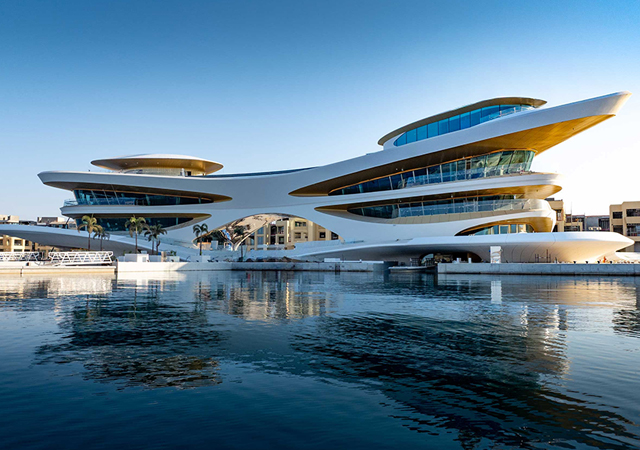

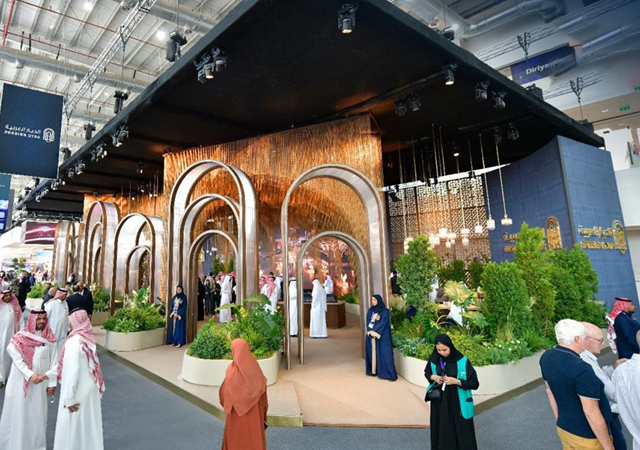






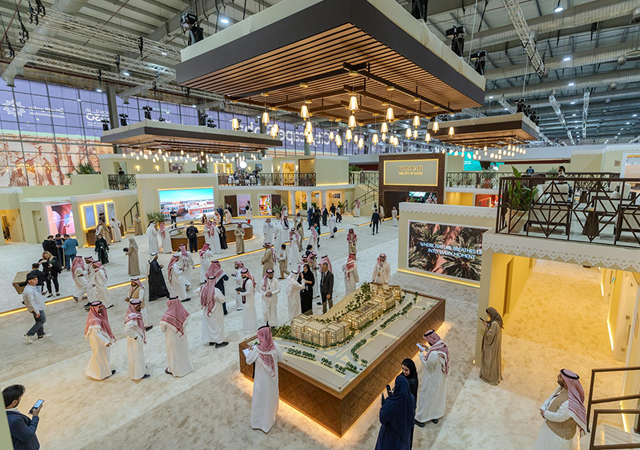



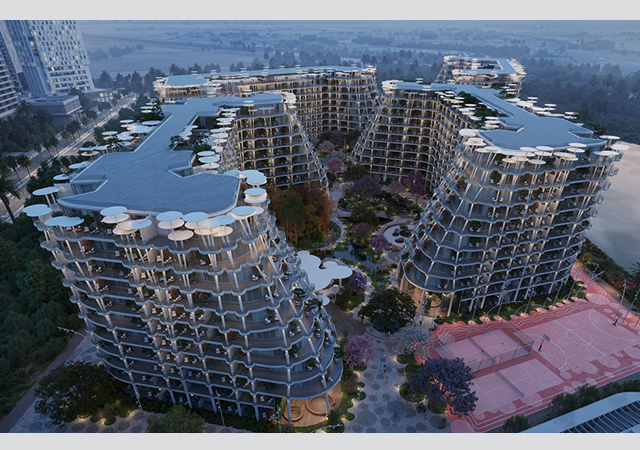






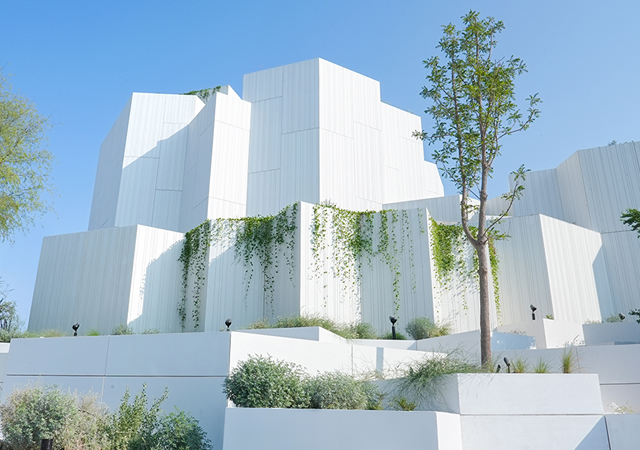






 Façade design is becoming essential for creating quieter, more comfortable spaces.
Architecture is often celebrated for its visual impact – dramatic façades, sleek materials, and iconic silhouettes. However, the greatest buildings are as much about what enters the ear as what meets the eye. Too often, the auditory experience is ignored, says Euro Systems, a systems solution provider specialising in architectural products and solutions across the GCC region.
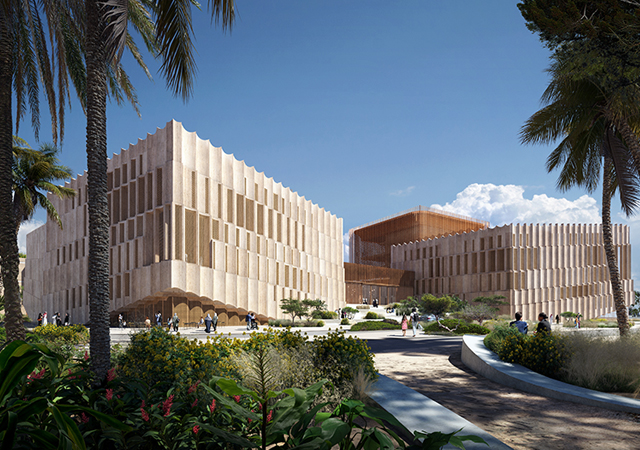
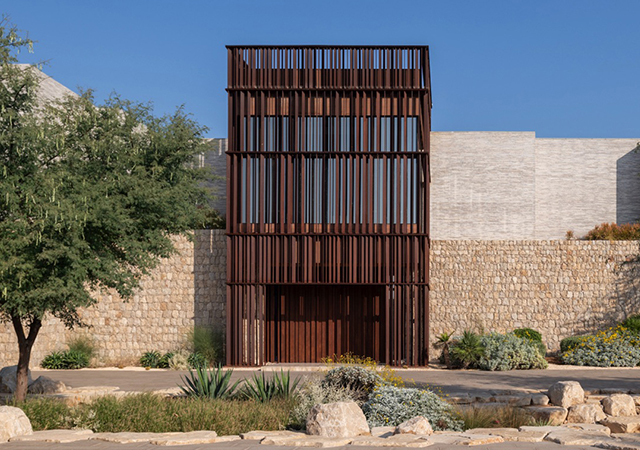
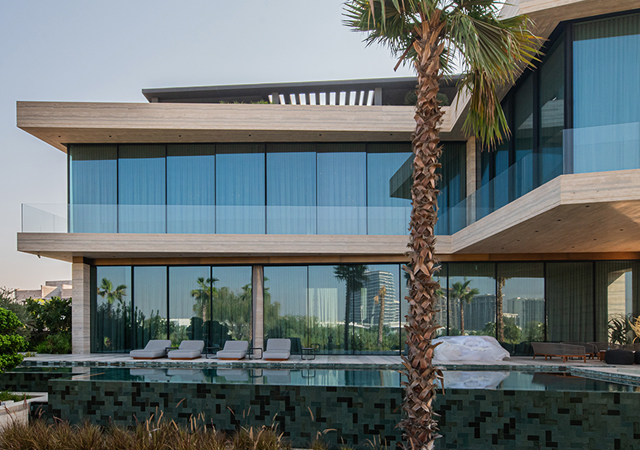
Today, acoustic engineering – quietly tucked behind walls and ceilings – is emerging as a critical factor in shaping how spaces feel, function, and connect with people, moving beyond simple noise control to creating environments that enhance comfort, focus, and emotional well-being, it adds. In contemporary architecture, façades are no longer just visual statements but are integral to shaping a building’s acoustic performance.
“Acoustic engineering has evolved from a technical add-on to a core design principle,” says Abrar Fayaz Khazi, Country Director, Qatar, Euro Systems. “It blends aesthetics, performance, and human experience, shaping how sound interacts with a space to influence mood, productivity, and emotional connection.”
 |
|
Khazi ... acoustic engineering is a core design principle. |
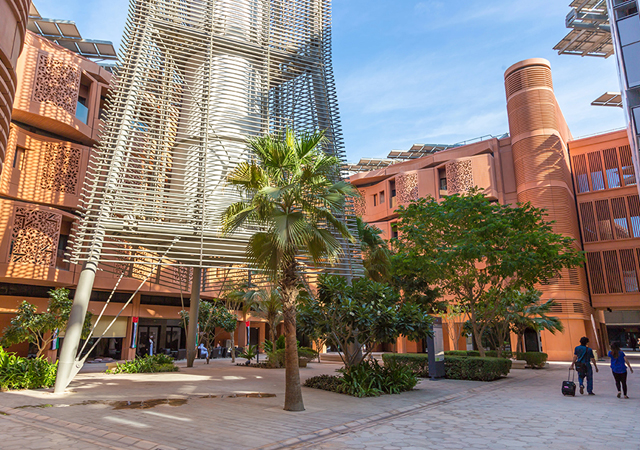
Façades themselves are now being treated as acoustic systems: carefully designed panels, textures, and materials can absorb, reflect, or diffuse sound, subtly shaping the environment both inside and out. Without this careful acoustic design, even the most visually striking spaces can feel uncomfortable or unpleasant for the occupants.
Acoustic design works by analysing sound frequencies, reverberation times, and noise transmission paths to tailor solutions for each environment. This requires a holistic approach where every material, surface, and layout choice contributes to a space that feels as good as it looks, says Euro Systems.
INTEGRATED SOLUTIONS
Solutions are not confined to interior elements like ceiling grids, wall panels, flooring, and furniture. Micro-perforated walls can double as visual elements. Shading systems or partitions can simultaneously act as noise diffusers.
By collaborating with architects and interior designers early in the design process, acoustic specialists ensure these solutions enhance both the functionality and aesthetics of a space.
“In the GCC, where urban density and climatic challenges intersect, integrating acoustic thinking into façade design is becoming essential for creating buildings that not only impress the eye but also nurture quieter, more comfortable spaces,” says Khazi.
Modern acoustic engineering is no longer confined to specialised spaces like concert halls or recording studios. It’s now essential in environments where comfort, focus, and emotional well-being are paramount, such as luxury residences, hybrid workplaces, wellness spaces, and boutique hotels.
Looking ahead, acoustic design will play a pivotal role in shaping next-generation architecture, creating spaces that are immersive, adaptable, and truly human-centered. As architecture embraces sensory well-being, one thing is clear: the best spaces don’t just look good, they sound right, Euro Systems concludes.

