






.jpg)





 (1).jpg)



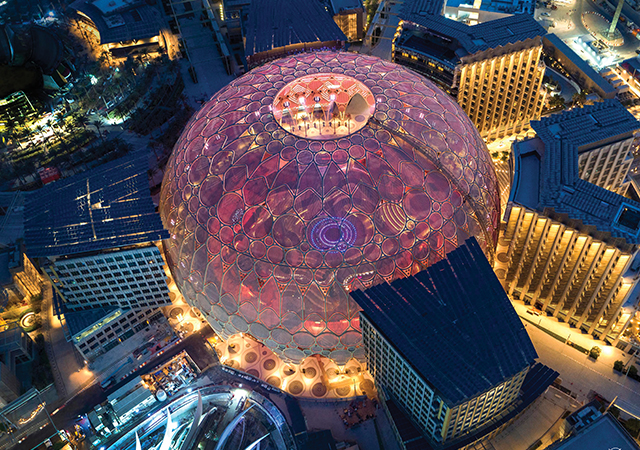


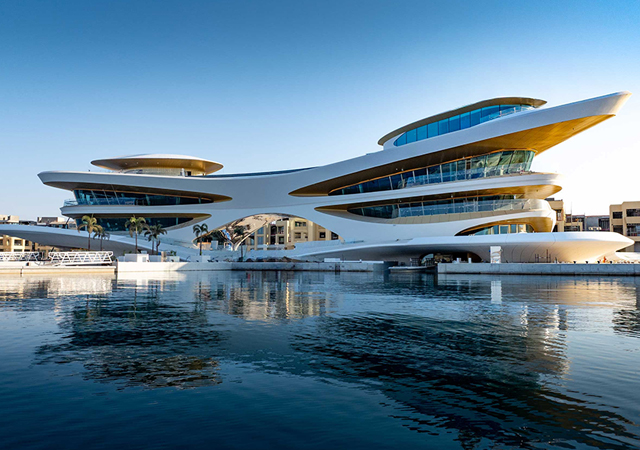


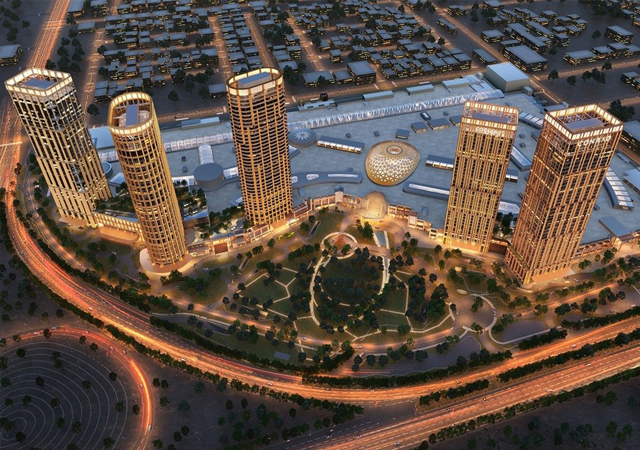

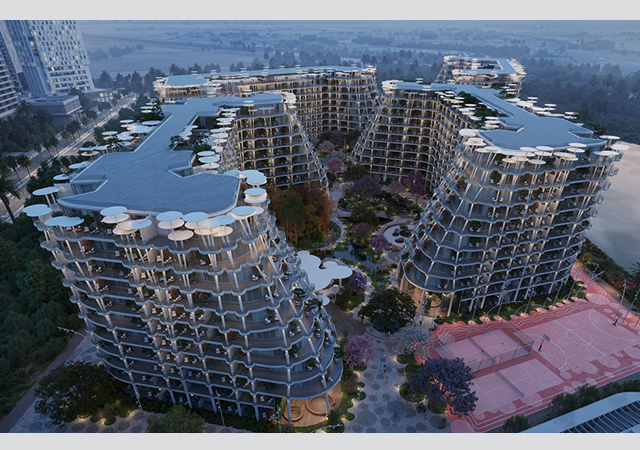

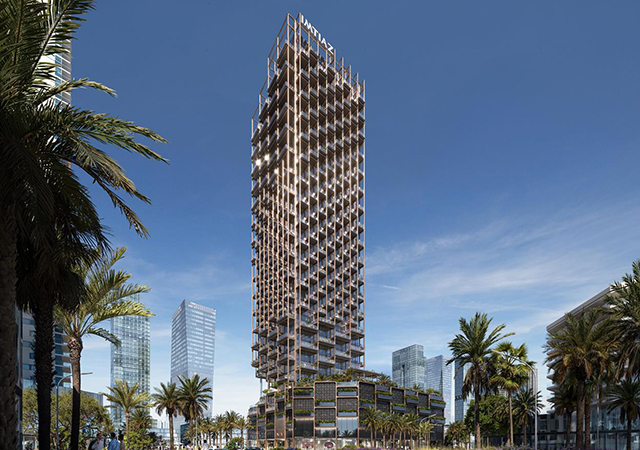
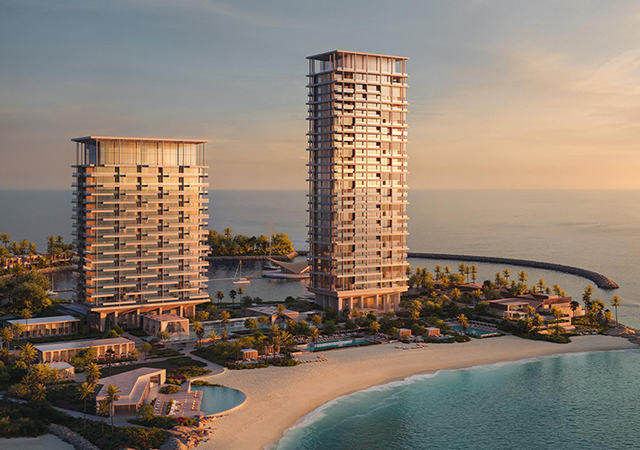


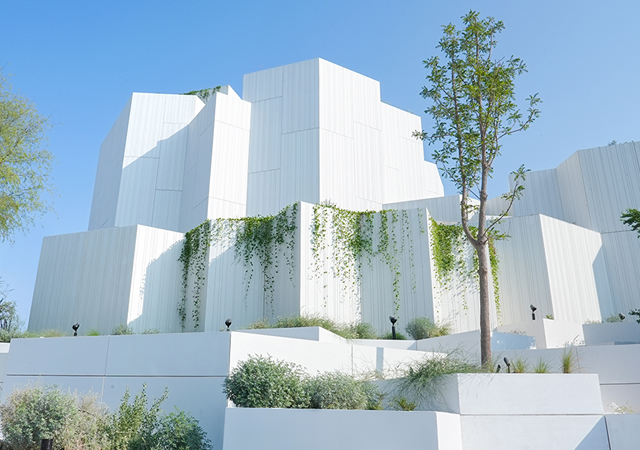
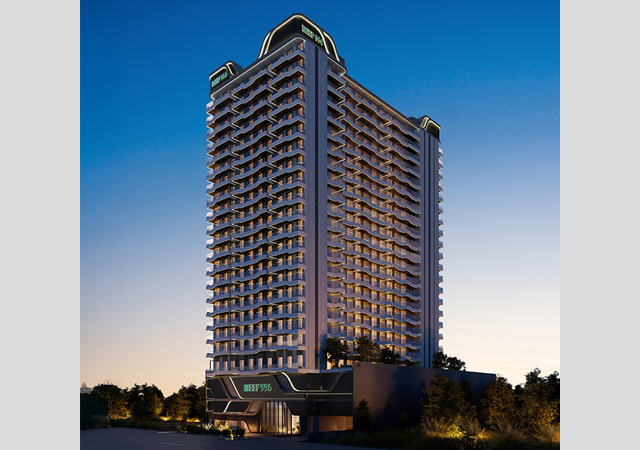




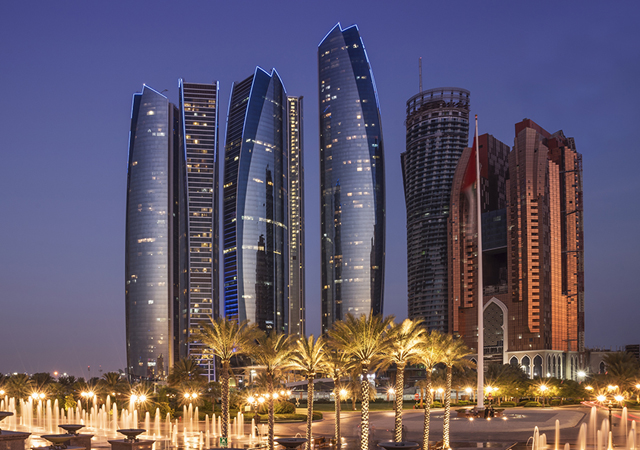
 Etihad Towers in Abu Dhabi ... completed based on ICC’s i-Codes.
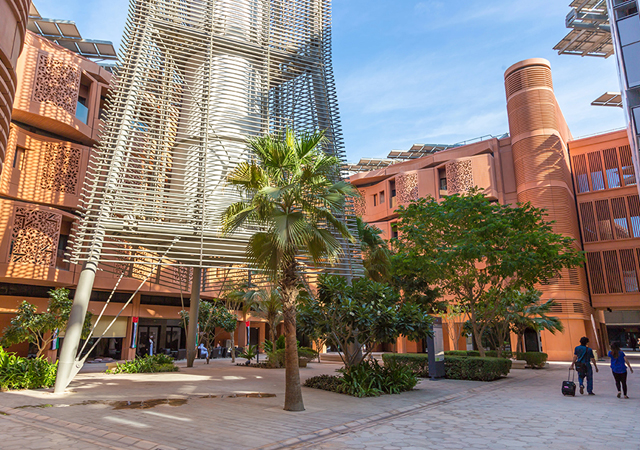
In modern architecture, a building’s façade is more than its outer shell; it represents identity, innovation and protection. From glass towers to sophisticated cladding systems inspired by local heritage and evolving technologies, façades define how cities look and how buildings perform. Behind their visual appeal lies a vital role: protecting occupants, improving efficiency and ensuring safety.
The growing complexity of façade systems has prompted architects, engineers and regulators to rethink how these elements are designed, tested and maintained. This is especially true in the Gulf Cooperation Council (GCC) region, where extreme climates, ambitious designs and sustainability goals converge.
 |
|
Historically, façades were simple stone, brick or wooden walls. Today, they feature advanced systems combining glass, aluminium and composites – Amer |
WHAT ARE FAÇADES IN CONSTRUCTION?
A façade is the exterior face or envelope of a building, the interface between interior and exterior environments. It shields occupants from outside hazards and conditions like excessive heat, dust and sandstorms; regulates light and ventilation; and contributes to energy performance and aesthetics.
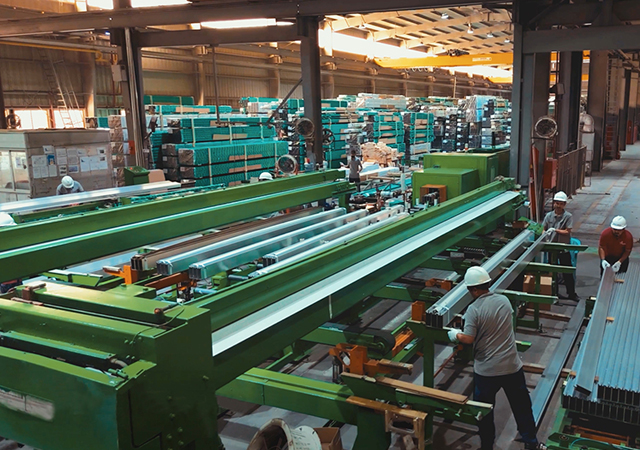
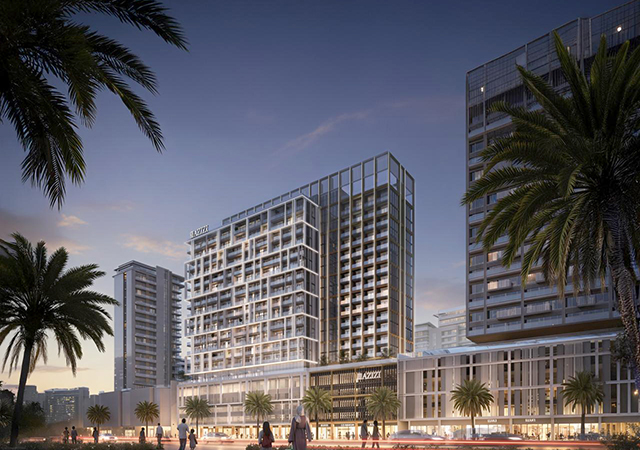
Historically, façades were simple stone, brick or wooden walls. Today, they feature advanced systems combining glass, aluminium and composites with insulation and sealing technologies. Such components must work together to withstand wind loads, prevent moisture penetration, support fire safety and optimise energy efficiency.
A well-performing façade is both an architectural statement and an engineering achievement.
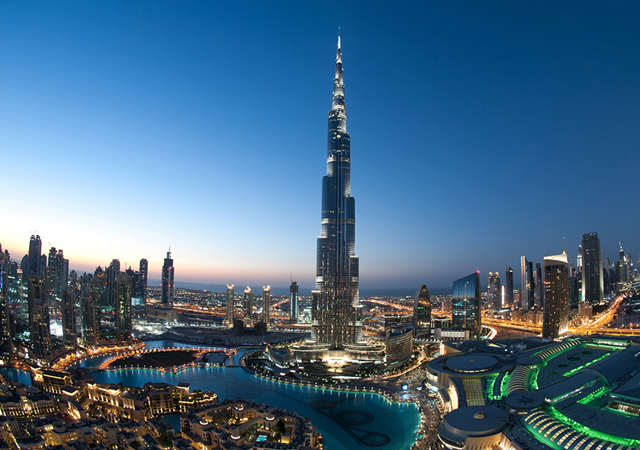 |
|
As cities continue to expand upward and outward, façades will remain both shield and symbol, protecting what’s inside while reflecting the ambition of the world outside. |
EVOLVING ROLE OF FAÇADES
Advances in materials and digital modelling have allowed façades to contribute directly to structural stability, climate control and energy efficiency. As sustainability became a global priority, façades began incorporating smart features such as reflective roofing systems and high-performance windows to reduce energy consumption and carbon emissions.
At the same time, fire incidents involving exterior cladding worldwide underscored the need for safer materials, rigorous testing and stronger regulation.
The International Code Council (ICC), through its family of solutions and suite of International Codes (I-Codes), offers essential tools to help ensure that such systems are designed and constructed to meet rigorous safety and performance criteria while supporting sustainability goals.
Modern codes like the International Building Code (IBC) and the International Fire Code (IFC) reflect best practice regulation to design and maintain façade systems that balance safety and innovation. These requirements, coupled with built-in flexibility to enable innovation, have made façade engineering a specialised field governed by international standards and local building codes, one of which is the framework established by ICC.
IMPORTANCE OF FAÇADES IN BUILDING DESIGN AND SAFETY
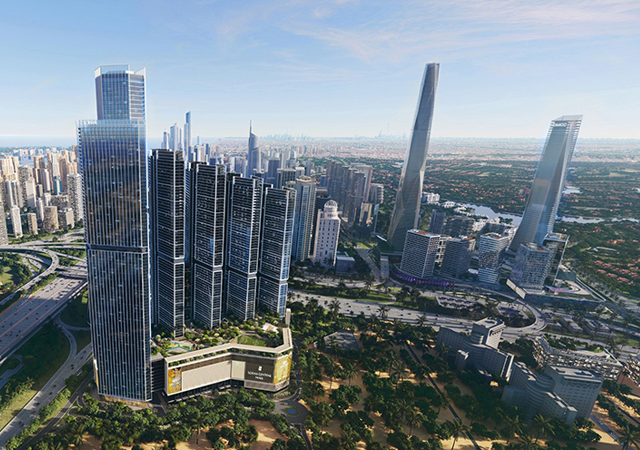
In the GCC, façades face unique challenges. Cities such as Dubai, Riyadh, and others in the wider Gulf region showcase striking architectural innovation, soaring glass towers, complex geometries and modern materials built in one of the world’s harshest climates. With temperatures exceeding 46 deg C in many cases, fluctuating humidity and frequent sandstorms, façades must perform exceptionally well.
Effective façade design in this context must achieve multiple objectives:
• Reduce solar gain and cooling demand;
• Use non-combustible, tested materials that meet international fire-resistance standards; and
• Support sustainability goals of construction.
These objectives highlight the importance of integrating code-based design principles from the outset. Sustainability and safety are not opposing goals; rather, they are complementary forces that, when balanced, deliver resilient and high-performing buildings.
BENEFITS OF HIGH-PERFORMANCE FAÇADES
Investing in well-designed, code-compliant façades delivers significant functional and financial benefits. These include:
Energy efficiency: Façades act as thermal envelopes that maintain comfortable indoor environments with less energy. Features like solar shading, double-glazing and ventilated systems reduce reliance on air-conditioning, critical in GCC climates.
Fire and life safety: Façades designed and built to comply with I-Code-based building codes slow fire spread, reduce smoke movement and provide vital evacuation time, especially in densely populated towers.
Durability and maintenance: Quality materials and proper installation ensure longevity and lower life-cycle costs.
Acoustic and environmental comfort: Façades control noise and improve air quality, enhancing occupant comfort in busy urban areas.
Architectural Identity: Façades merge technology with cultural expression, allowing designs that are both modern and regionally inspired. Many GCC landmarks successfully blend contemporary glass structures with patterns rooted in local tradition.
In the GCC, the challenge lies in sustaining architectural innovation while meeting rigorous safety and sustainability standards. Achieving this balance requires close collaboration among regulators, architects, and engineers, all of whom benefit from drawing upon the model codes and capacity building expertise available from organisations such as ICC.
As cities continue to expand upward and outward, façades will remain both shield and symbol, protecting what’s inside while reflecting the ambition and resilience of the world outside.
*Mohamed Amer is Managing Director for the MENA region at the ICC, a leading global source of model codes and standards and building safety solutions. Based in Dubai, he leads ICC's strategic growth and commercial expansion across MENA, overseeing business development, operations, and senior-level engagement with government bodies, Standards Development Organizations (SDOs), manufacturers, design professionals, and other key stakeholders.


