



As a cornerstone of the UAE’s first Green Innovation District, Expo City Dubai’s transformative Al Waha Residences project is now officially under way, with Al-Futtaim Contracting – appointed to deliver the luxury buildings in the Opportunity District – targeting completion in 2027.
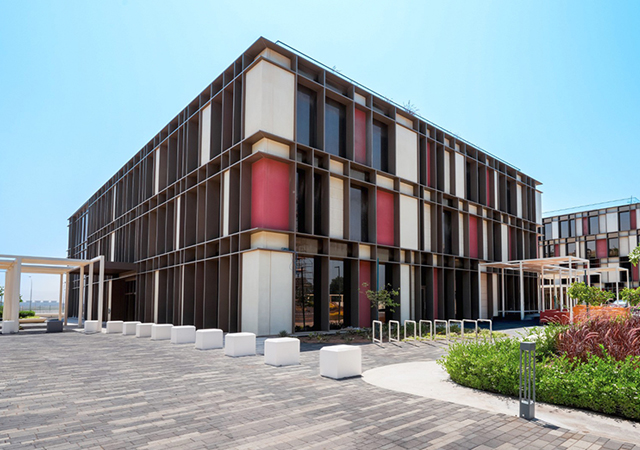
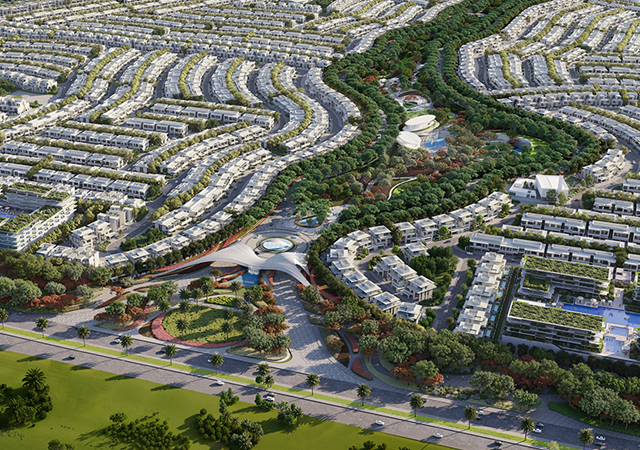
Following the success of Expo 2020 Dubai, Expo City Dubai is transforming Al Waha into a unique, community-focused residential development. Originally constructed in 2020, the structures served as country pavilions for exhibitions and F&B during the Expo 2020 event.
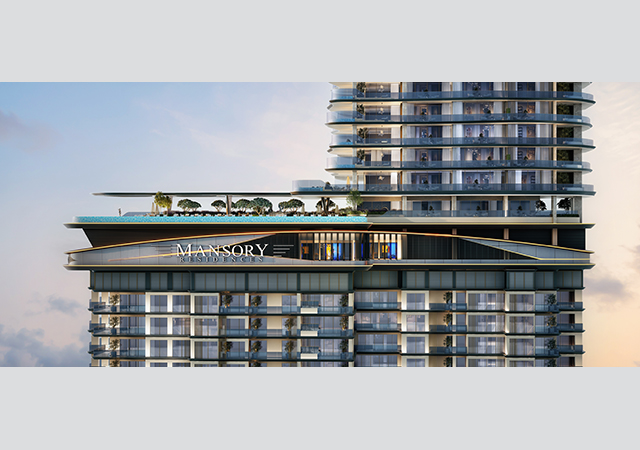
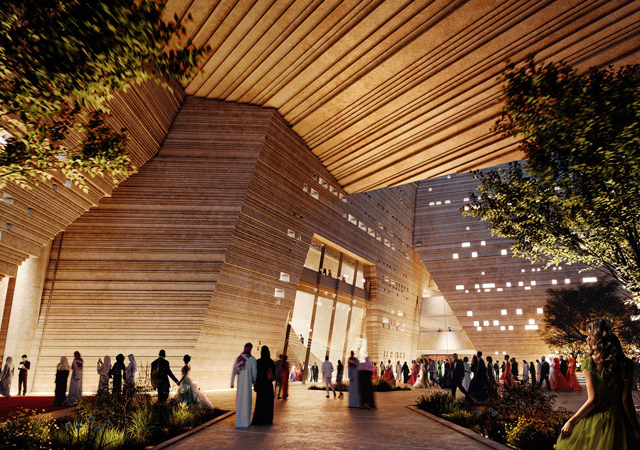
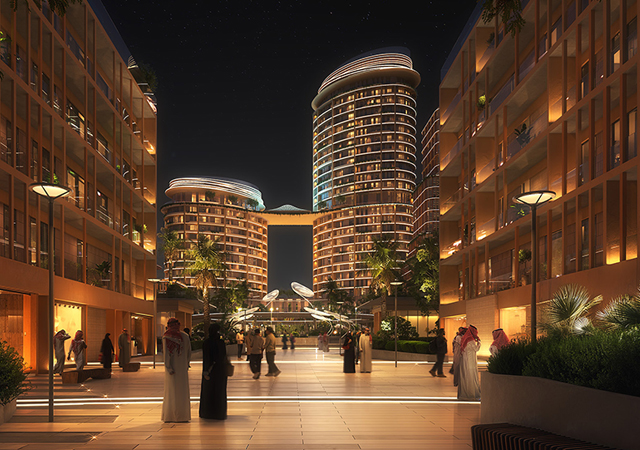
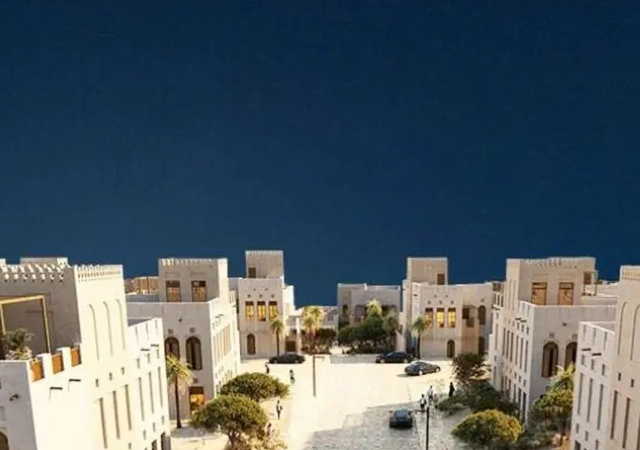
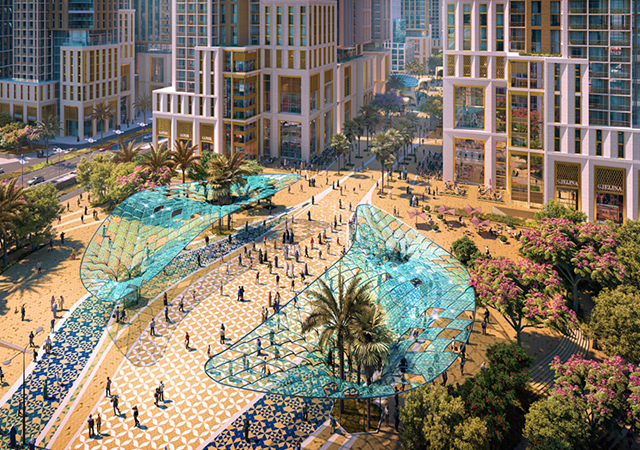
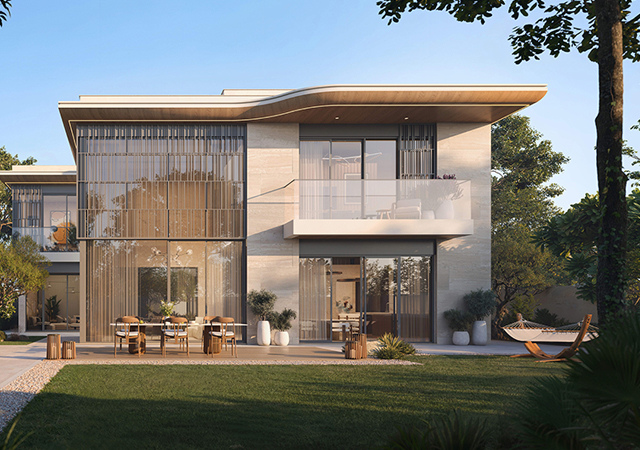
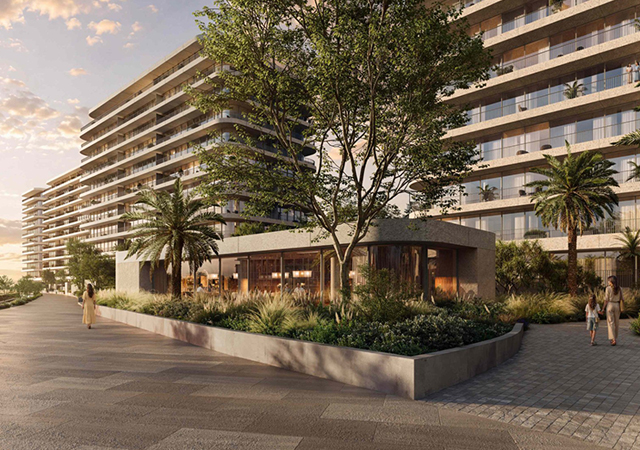
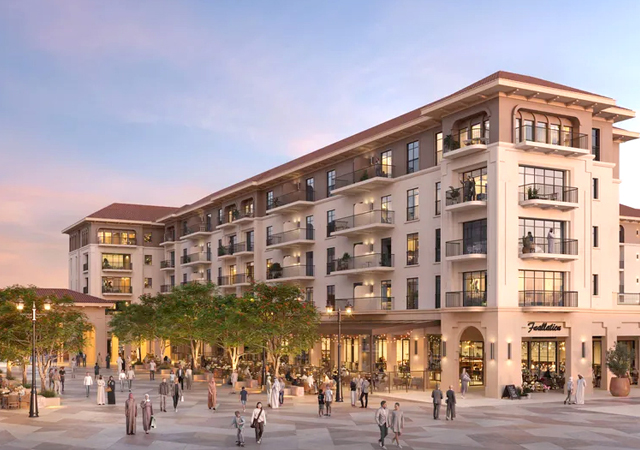
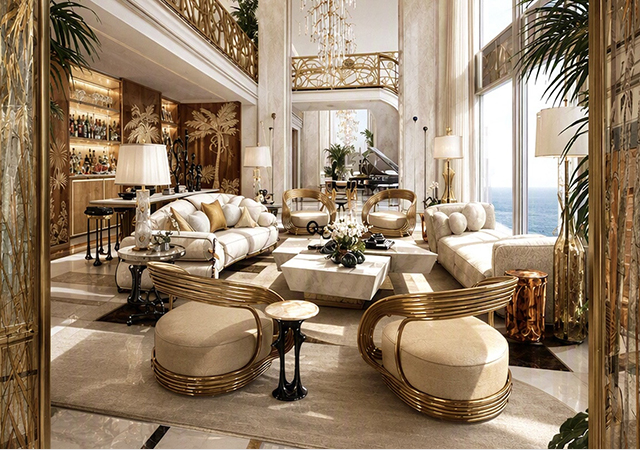
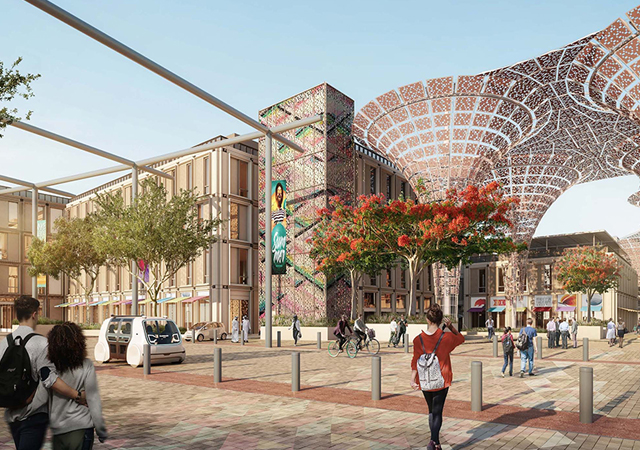
Work on the project received the go-ahead last month when the developer appointed two contractors to transform two districts at Expo City: Al-Futtaim Contracting is responsible for Al Waha at Opportunity District, while ARCO Group will oversee Al Waha at Mobility District. These deals involve the development of more than 500 one- and two-bedroom apartments and duplex lofts spread across 42 buildings. The scope of works covers intelligently remodelling Expo 2020’s legacy buildings to create contemporary homes, seamlessly integrated into the vibrant Expo City neighbourhood. Beautifully shaded by the distinctive ‘Al Waha’ canopies, these signature residences will offer an unparalleled living environment among the city’s dappled courtyards and sikkas.
Al-Futtaim Contracting’s mandate covers the full delivery scope, encompassing civil works, MEP (mechanical, electrical, and plumbing), landscaping, interiors, and finishes for a total of 21 buildings.
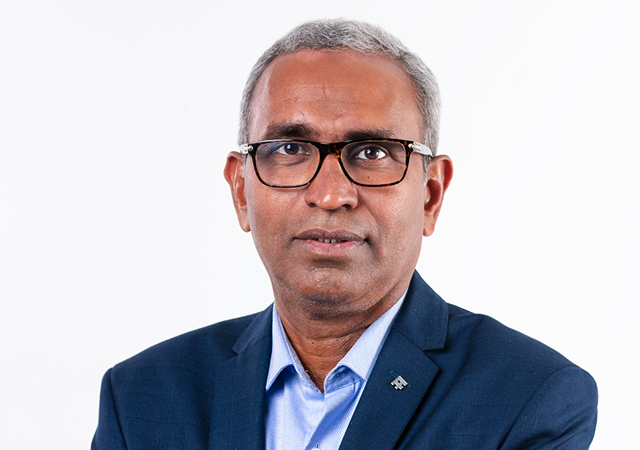
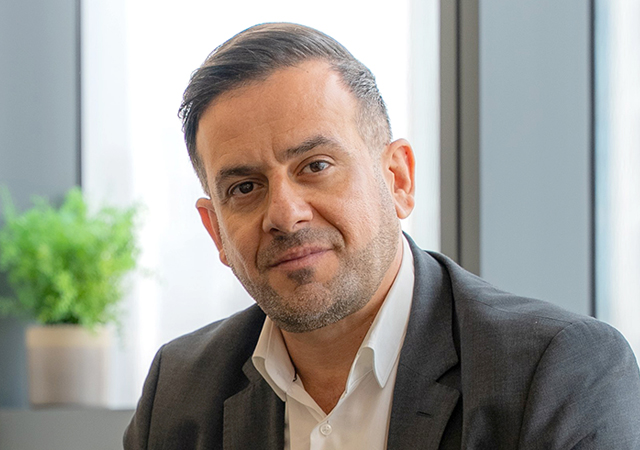
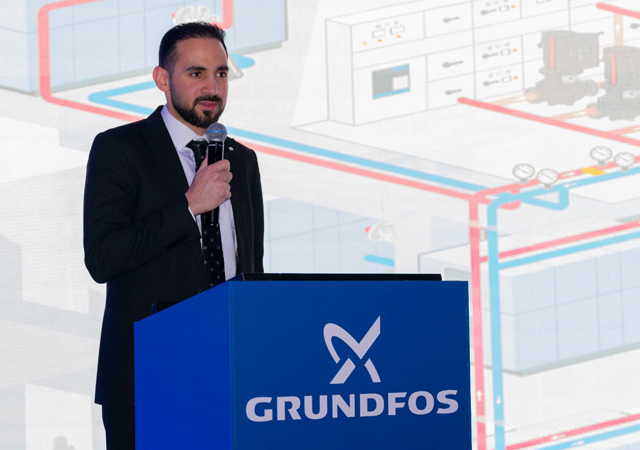
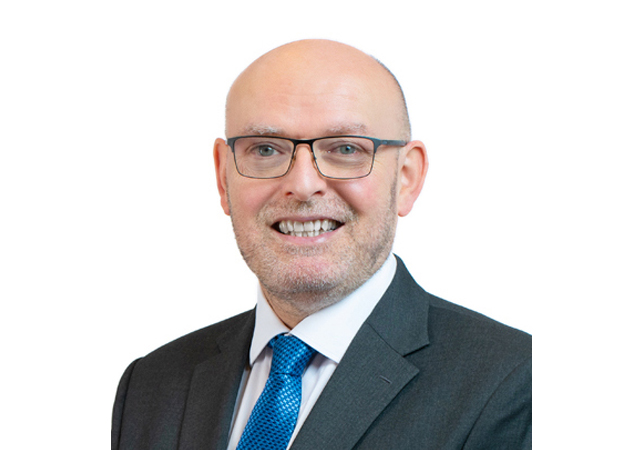
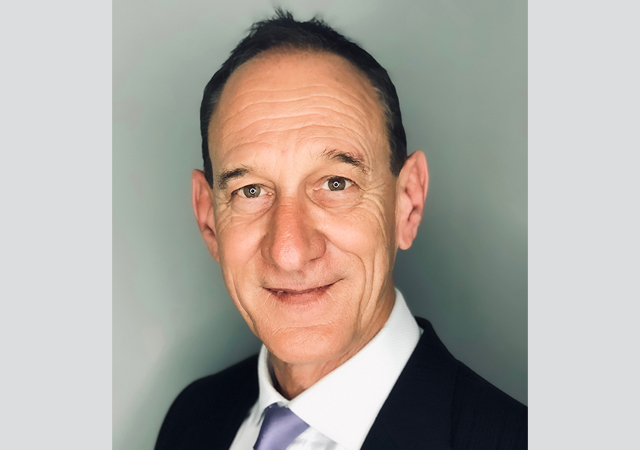
Murali: “Our multidisciplinary expertise enables seamless collaboration between teams, ensuring efficient execution, schedule adherence, and value delivery”.
Speaking exclusively to Gulf Construction’s Bina Goveas, Managing Director Murali S says Opportunity District will be transformed into a mixed-use residential area, offering a variety of living options including one-bedroom, two-bedroom, and townhouse apartments. In total, there will be 276 keys, comprising 108 one-bedroom units, 106 two-bedroom units, and 62 three-bedroom duplex apartments.
The overall project built-up area is approximately 42,450 sq m.
The buildings have been handed over to Al-Futtaim Contracting in a fully stripped-out condition, with partitions and MEP removed except for the cores and risers.
“Al-Futtaim Contracting will be responsible for upgrading these elements, along with necessary MEP upgrades in the basement. Minor enhancements to the landscape, including stepping and the addition of a new pool, will also be required. No major infrastructure work is needed,” he explains.
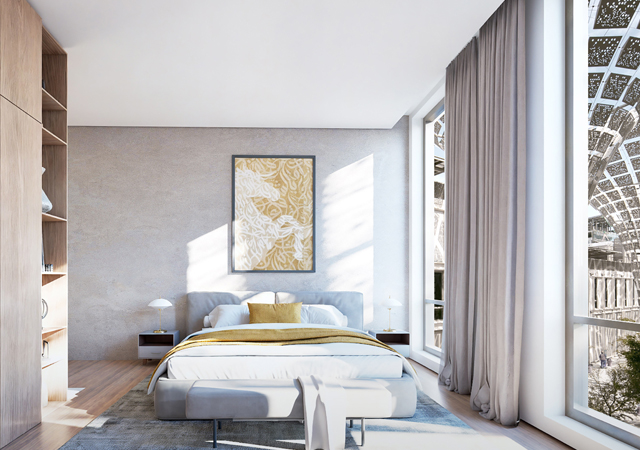
Future residents of Al Waha will benefit from integrated smart-home infrastructure.
The basement will require upgrades such as the construction of new electrical rooms, necessary MEP upgrades for the building fit-outs, enhancements to the lobbies, and the activation of parking spaces through line markings and the provision of necessary statutory signage and wayfinding.
“Managing these distinct disciplines within a single contract requires careful coordination, integrated planning, and consistent quality standards across all trades,” says Murali. “Our multidisciplinary expertise enables seamless collaboration between teams, ensuring efficient execution, schedule adherence, and value delivery to the end customer.”
The contractor is currently pushing to finalise major procurement packages within a critical four-month window, ensuring the legacy site transitions seamlessly into a residential community.
A defining element of the Al Waha project is the adaptive reuse of exhibition infrastructure. While the original masterplan provided a solid foundation, the technical transition to permanent residential standards involves a rigorous engineering overhaul.
Murali notes that converting temporary exhibition-grade structures into luxury homes presents unique hurdles.
“A distinctive aspect of Al Waha is the transformation of legacy Expo 2020 infrastructure into permanent, luxury residences. The Expo team has demonstrated exceptional work in the pre-positioning of a legacy asset. However, converting exhibition-grade structures presents significant engineering challenges. In our assessment, the MEP elements – including the electrical distribution network, fire and life safety systems, HVAC, and plumbing – require comprehensive re-engineering to meet long-term operational standards. Additionally, critical considerations such as waterproofing and overall durability, are also being addressed to ensure an exceptional, high-quality living experience for future residents,” Murali says.
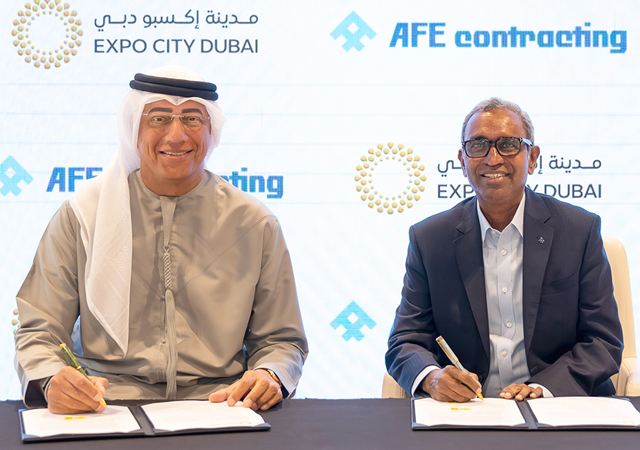
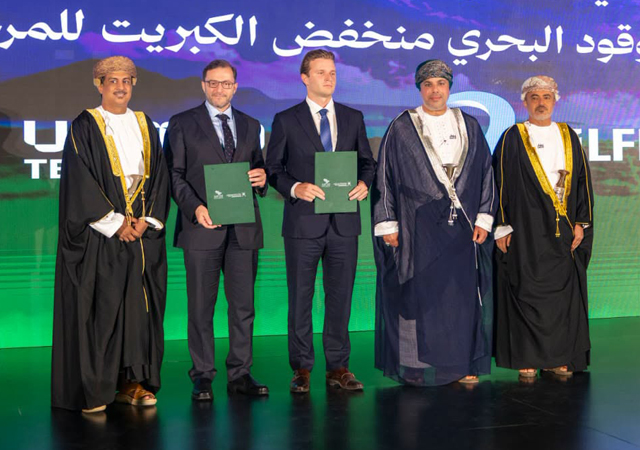
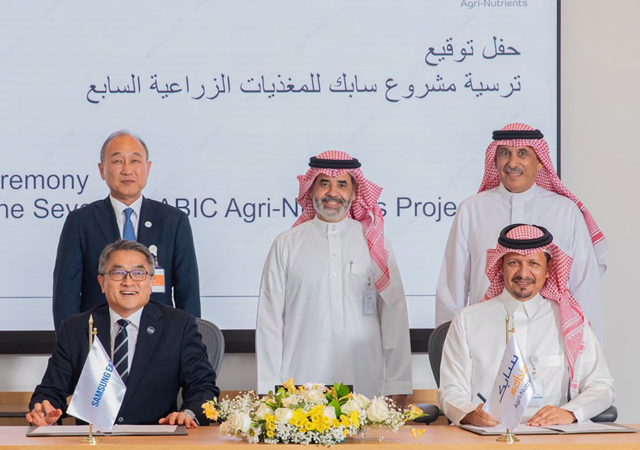
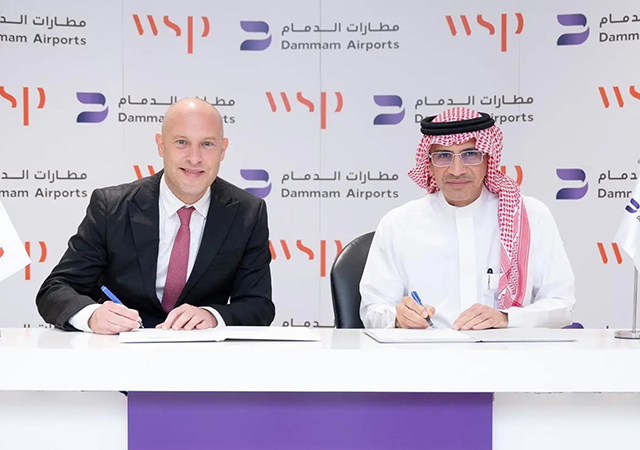
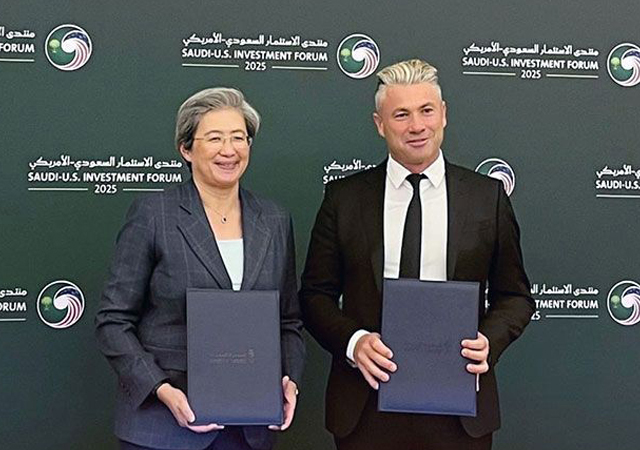
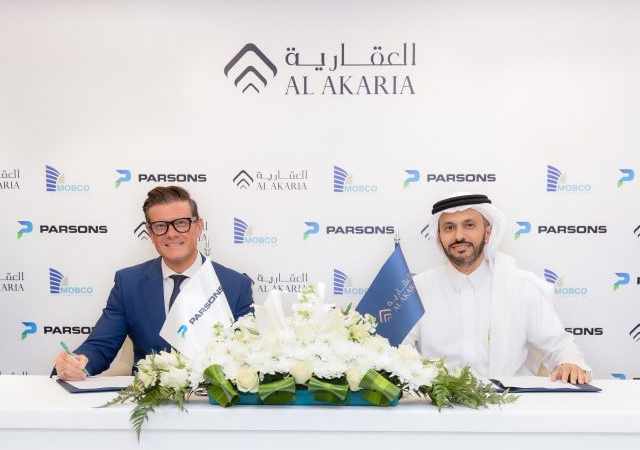
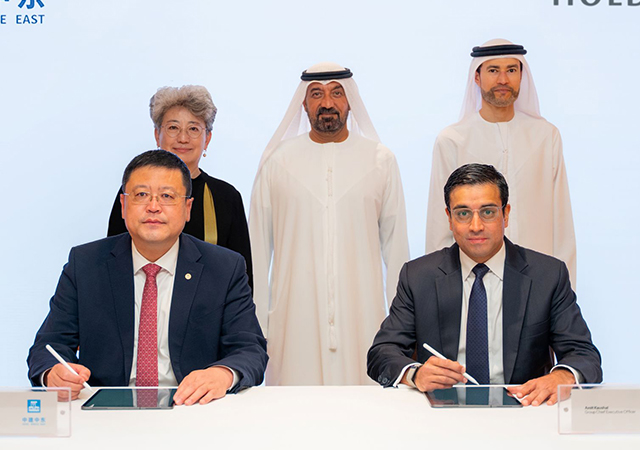
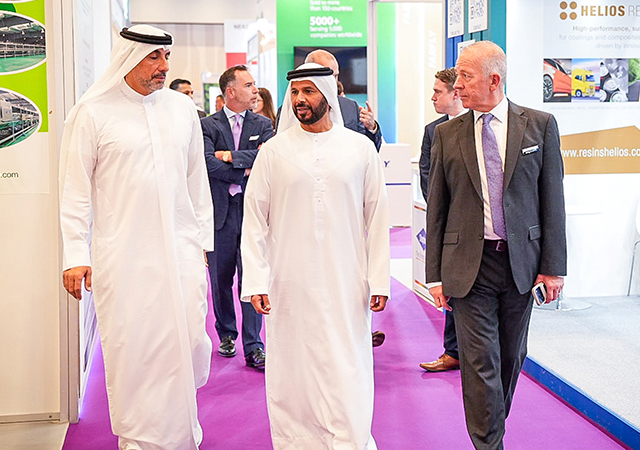
Ahmed Al Khatib, Chief Development and Delivery Officer at Expo City, and Murali sign the contract.
The iconic shading canopies, a visual hallmark of the Expo site, have been retained and integrated into the residential design. These structures required early-stage coordination to ensure they enhanced building performance rather than obstructing essential services. Murali explains that “early design planning ensured shading canopies didn’t disrupt airflow, exhausts, or façade services, while boosting passive cooling and HVAC efficiency. Landscaping with plants, permeable surfaces, and shaded areas complements the canopies to reduce heat island effects and enhance comfort. These shading elements act as efficient passive features that bolster sustainability, visual comfort, and durability.”
Future residents of Al Waha will benefit from integrated smart-home infrastructure. The project includes provisions for wireless home automation in every apartment and townhouse, though the final hardware will be procured directly by the client at a later stage. According to Murali, “wireless home automation systems offer increased convenience, enhanced security, improved energy efficiency, and remote control of home devices, often without the need for extensive, messy rewiring. These systems allow users to manage lighting, thermostats, and security cameras via smartphones or voice commands, creating a personalised, eco-friendly, and safe living environment.”
Given the 2027 delivery target, the project is currently operating on an accelerated schedule. The focus has shifted heavily toward the supply chain to prevent bottlenecks during the construction phase.
“The project has an aggressive programme. We have mobilised the right team that understands the unique requirements of the projects with a key focus on completing major procurement activities over the next four months to ensure seamless execution and schedule adherence,” Murali points out.
Sustainability and environmental metrics
Sustainability is a core pillar of the Al Waha development, with material selection guided by strict environmental key performance indicators (KPIs). The strategy focuses on minimising embodied carbon and selecting non-toxic, recycled, or regionally sourced materials. Progress is tracked against international benchmarks, including LEED and BREEAM Infrastructure.
“Specific material key performance indicators (KPIs), as well as sustainability certification criteria such as LEED, and BREEAM Infrastructure, or WELL in specific cases, will measure progress toward the fulfilment of programme-wide strategies and reporting requirements during design and construction stages,” he remarks.
Water conservation is equally prioritised, particularly regarding the irrigation of the district’s green spaces.
“Al Waha utilises recycled greywater and recovered AC condensate for landscape irrigation in a desert climate. Al-Futtaim Contracting is supporting the client’s requirements through the installation of water-saving and recycling strategies that minimise potable water use while ensuring environmentally responsible and resilient landscaping,” Murali says.
He also emphasises that the firm is taking a proactive stance on carbon footprinting: “Compared to direct emissions, embodied carbon in real estate is not as widely understood. At Al-Futtaim, with more than 50 years of experience as a real estate developer, we focus on using materials like copper, steel, and concrete efficiently to reduce carbon emissions. Expo City presents an excellent chance to drive innovation in these areas.”
To manage the complexity of a multi-building conversion, Al-Futtaim is deploying advanced digital oversight tools. This includes the use of OpenSpace for 360-degree progress tracking and Power BI for real-time data visualisation across cost, quality, and safety metrics. The firm is also looking toward the future of construction technology.
“The company is also exploring AI-powered solutions like predictive risk analytics, automated monitoring, and intelligent document management for proactive project management,” Murali says.
Given that Al Waha is being delivered by two contractors across separate districts, Al-Futtaim has prioritised inter-firm alignment.
Murali believes that a “leadership-driven, collaborative approach founded on mutual respect and long-term partnership delivers better outcomes than mindless competition. From the announcement of award, we engaged closely with other contractors to align and standardise offers across all disciplines. This collaborative mindset was embedded from the early stages of engineering and design and carried through execution, quality delivery, and final handover.”
Future outlook
As Al-Futtaim Contracting advances toward the 2027 handover of Al Waha, the firm remains bullish on the long-term economic trajectory of the UAE and the wider GCC. Murali anticipates that the region’s focus on modernisation and high-tech infrastructure will create a steady pipeline of diverse projects.
“Al-Futtaim Contracting expects sustained growth across several key sectors, including residential developments, entertainment and leisure assets, transportation infrastructure, data centres, and high-quality commercial office spaces. The UAE is uniquely positioned to drive this growth through its visionary leadership, forward-looking policies, and continued investment in infrastructure and innovation, offering long-term value and confidence to both residents and investors across the wider GC,” he comments.
Within this broader landscape, Murali positions the Al Waha project as a critical benchmark for the firm’s capabilities in high-stakes urban regeneration. The conversion serves as a proof of concept for how legacy assets can be reimagined to meet modern sustainability mandates.
“Through 2026, Al-Futtaim Contracting anticipates strongest growth in sectors focused on the regeneration and repurposing of existing real estate assets, mixed-use developments, and complex infrastructure projects aligned with national development agendas across the UAE and wider GCC.
“Expo represents a significant opportunity in this regard, allowing us to demonstrate our capability in transforming legacy assets into vibrant, future-ready developments. Across all sectors, our growth strategy is underpinned by a consistent commitment to our clients and communities, ensuring the same level of leadership engagement, accountability, and care is extended from the customer interface through to the last person on site,” he explains.
Ultimately, Al-Futtaim is leveraging its work at Expo City to refine a delivery model that prioritises early contractor involvement and digital precision. This approach is intended to set a new regional standard for how sustainable communities are built and managed.
“Al-Futtaim Contracting aims to meet rising demand for sustainable, high-quality residential communities in the UAE and GCC by building on its experience with major developments. The company focuses on sustainable construction, quality delivery, and early contractor involvement to improve cost efficiency and performance. Investments in digital technology, data-driven management, and strong supply chain partnerships drive productivity and scalability, establishing Al-Futtaim as a reliable regional partner,” he concludes.