









































Italian construction giant Webuild will exit a major contract on Saudi Arabia’s ambitious NEOM development after the client opted to terminate works on part of the Trojena mountain resort, highlighting ongoing adjustments within one of the world’s most closely watched infrastructure programmes.
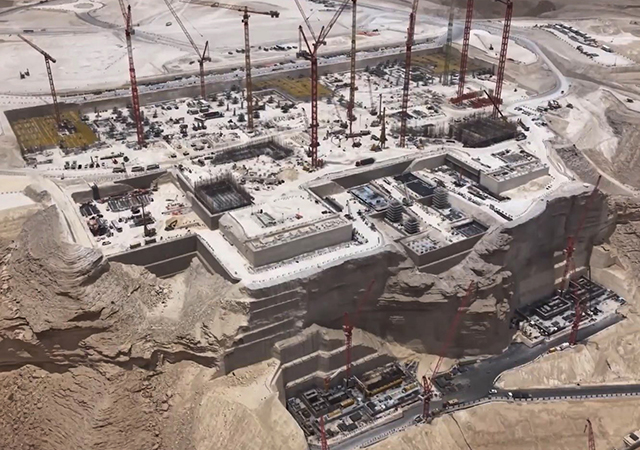
In a statement, Webuild said the client had exercised a “termination for convenience” clause covering the construction of a system of three dams intended to supply a freshwater lake, along with an architectural structure known as “The Bow” in Trojena. The termination will take effect on March 29, 2026, when the works are estimated to be about 30% complete.
The company said its remaining backlog tied to the Trojena contract stood at roughly €2.8 billion at the time of termination. However, it emphasised that all costs incurred up to the effective date — including those associated with winding down the project, such as site disengagement and demobilisation — will be reimbursed by the client under contractual terms, leaving Webuild financially unaffected.
Broader contractor impact
The termination is not isolated to Webuild. The client has also ended or adjusted contracts with other contractors working in the Trojena area, according to the company, suggesting a broader recalibration of project scope or timelines within NEOM.
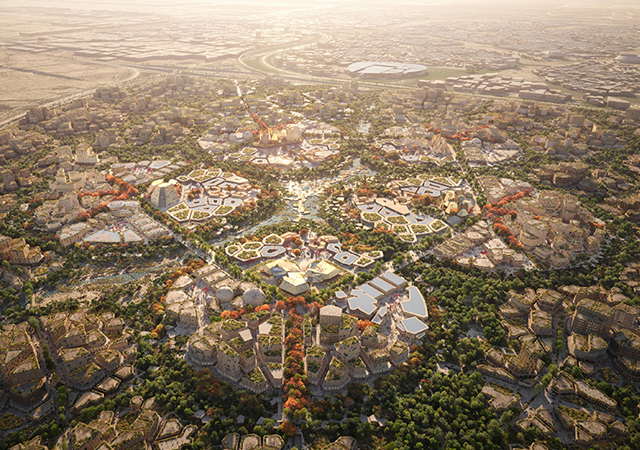
Trojena is one of NEOM’s flagship sub-projects and is intended to be a year-round mountain tourism destination in northwest Saudi Arabia. It has been marketed as a future host of major international events, including the Asian Winter Games 2029, despite the region’s arid climate—requiring extensive artificial infrastructure such as water systems and climate-controlled environments.
NEOM under pressure to prioritise
The development comes amid increasing scrutiny over the scale, cost and sequencing of NEOM, a cornerstone of Crown Prince Mohammed bin Salman’s economic diversification strategy under Vision 2030. The broader project — which includes high-profile components like The Line — has faced repeated reports of timeline revisions, cost reviews and shifting priorities as Saudi authorities balance ambition with financial and logistical realities.
Industry analysts note that “termination for convenience” clauses are commonly used in mega-projects to allow clients flexibility as designs evolve or funding allocations shift. In NEOM’s case, multiple international contractors have reportedly experienced scope changes as the project transitions from conceptual design to phased execution.
Financial impact limited for Webuild
Despite the contract’s scale, Webuild moved to reassure investors that the termination would not materially affect its financial position. The group said its total construction backlog remains above €50 billion, excluding residual activities linked to Trojena.
The company has been actively expanding its international portfolio in recent years, with projects spanning transport, hydropower and civil infrastructure across Europe, the Middle East and Australia. Its involvement in NEOM had been seen as part of a broader push by global contractors to secure roles in Saudi Arabia’s infrastructure boom.