





























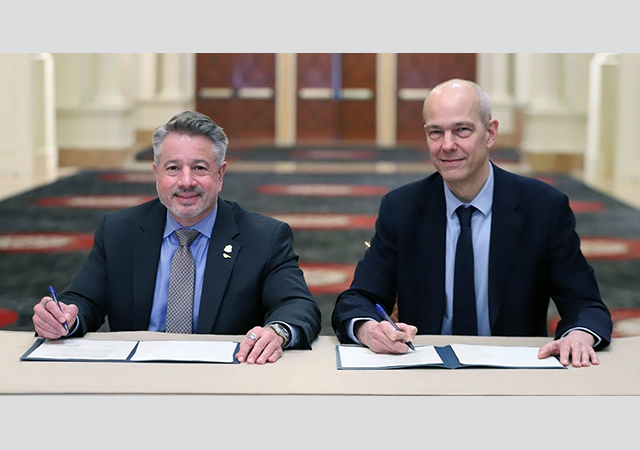
ASHRAE and the United Nations Environment Programme (UNEP) have formalised a new two-year work plan titled Life Cycle Refrigerant Management (LCRM), aimed at reinforcing sustainable practices across the global cooling industry.
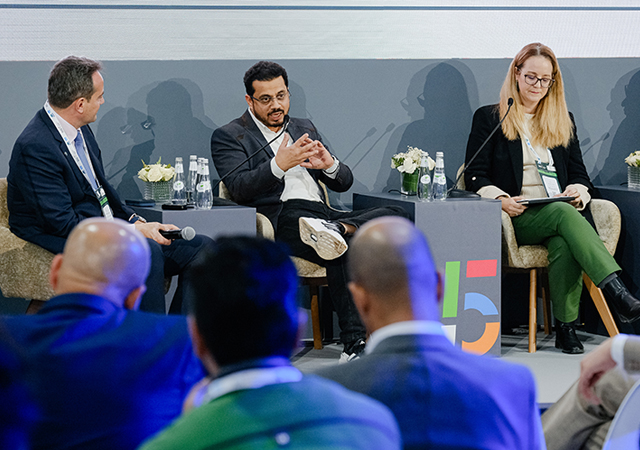
The agreement, signed during the 2026 ASHRAE Winter Conference, marks a significant step for the construction and HVACR sectors as they navigate the transition to next-generation refrigerants.
As the regional industry shifts away from legacy refrigerants – some of which deplete the ozone layer or carry high global warming potential (GWP) – the LCRM plan emphasises a “cradle-to-grave” approach. This includes every stage from production and installation to recovery, recycling, and final disposal.
For contractors and consultants in the Middle East, where cooling demand is among the highest globally, effective LCRM is critical. It not only reduces direct emissions but also maintains system efficiency, lowering the high energy costs associated with refrigerant leaks.
As the refrigerating and air-conditioning (RAC) industry transitions to alternative refrigerants, comprehensive management across the full refrigerant life cycle, from production and installation to recovery, reuse and disposal, has become increasingly critical. Some legacy refrigerants can deplete the ozone layer if released, while certain alternatives introduced to replace them have high GWP. Effective life cycle refrigerant management helps reduce emissions, improve system efficiency and enhance safety for technicians and communities.
Since 2007, ASHRAE and UNEP have collaborated to support developing countries in transitioning to non-ozone-depleting refrigerants. Biennial work plans guide the development of joint technical resources and educational products to assist engineers, technicians, policymakers and National Ozone Units in meeting obligations under the Montreal Protocol while advancing energy efficiency goals.
Key Tools for the Industry
The 2026-2027 work plan introduces several high-tech resources designed to support engineers and technicians on-site:
• AI-powered field companion: A multilingual mobile app providing real-time, context-aware guidance for RAC technicians, including automated documentation to ensure compliance with safety standards. The tool supports safe, practical implementation of LCRM practices.
• Technical fact sheets: Briefing documents focused on the safe handling of flammable refrigerants, energy audits, and the latest regulatory requirements.
• Updated educational modules: Enhancements to “Refrigerant Literacy” and “Energy Efficiency Literacy” courses, alongside a university course pack for the next generation of MEP engineers. These cover modules for assessing RAC plant sustainability checklists and guidance sheets and refrigerant update factsheets.
• Lower GWP Awards: A showcase of cost-effective, replicable projects in developing regions to encourage the adoption of greener technology.
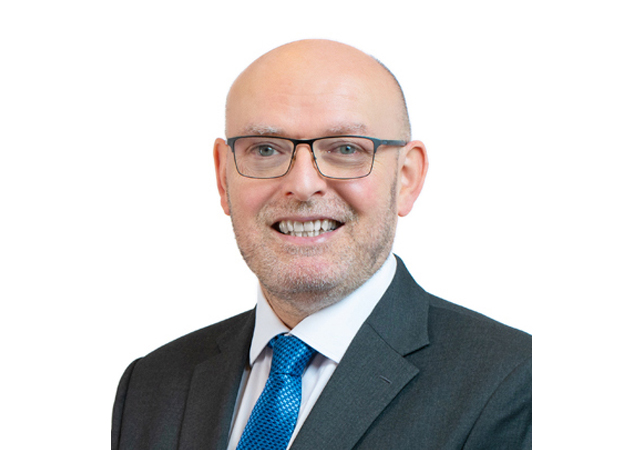
“LCRM is essential to achieving global climate goals,” says Bill McQuade, ASHRAE President. “Even small refrigerant leaks reduce system efficiency and increase emissions. By emphasising proper design, installation, maintenance and monitoring, LCRM improves safety, lowers energy use and reduces both direct and indirect emissions. It also strengthens local economies by supporting skilled jobs in refrigerant recovery, recycling and compliance.”
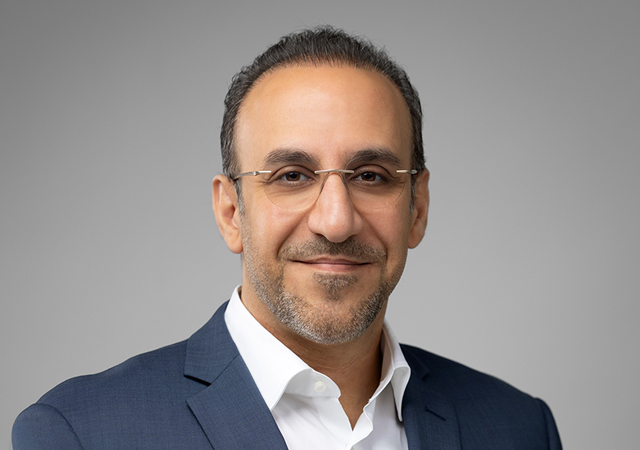
Jim Curlin, Head of UNEP’s OzonAction Branch, notes that the partnership bridges global environmental policy with technical standards and industry practice.
“The collaboration provides specialised tools and services that help developing countries manage refrigerants responsibly, meet Montreal Protocol obligations and advance energy efficiency,” Curlin says. “ASHRAE contributes technical expertise in codes, standards and guidance for refrigerant use, while UNEP supports deployment aligned with global environmental goals.”
Jim Wolf, Presidential Member ASHRAE and co-chair of the ASHRAE–UNEP Liaison Group, says: “Some next-generation refrigerants are mildly flammable and require updated system design and handling practices. LCRM helps ensure safe installation, operation, recovery and disposal under evolving standards.”