

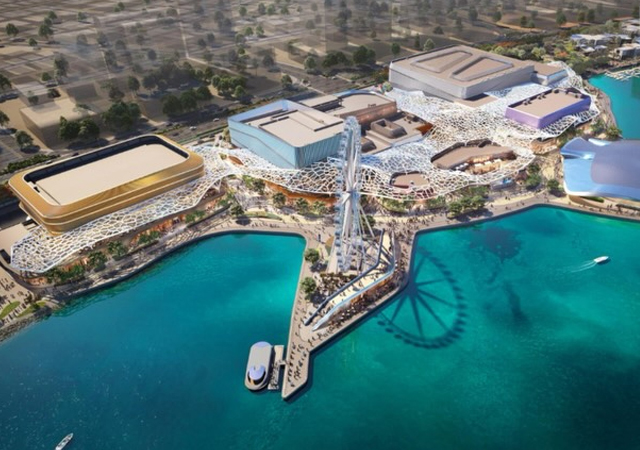
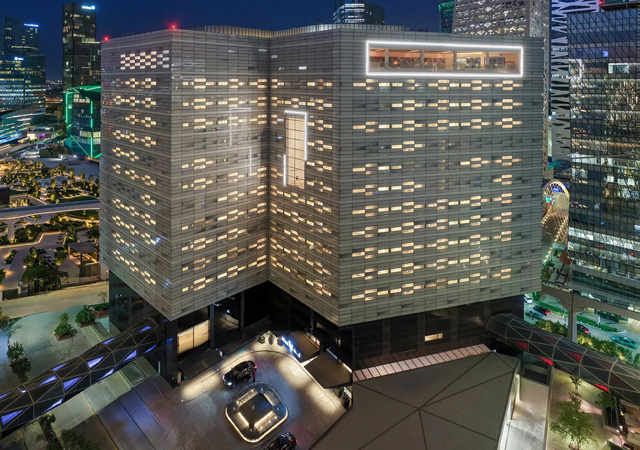


Leisure destinations are often judged at the moment they open, how striking the architecture looks, how impressive the attractions are, or how full the parking lot is on the first weekend. I believe we are judging them too early; The real test of a leisure destination comes five, 10 or 20 years later when guest expectations have changed, technology has moved on, the original attractions are no longer new, and operating budgets are under pressures that no opening-day celebration could have anticipated. The destinations that succeed at that point are rarely successful by accident. They are the ones that were designed from the beginning not only for their first life, but for their second and third.
That distinction matters particularly in the UAE. The country’s leisure and tourism sector continues to attract significant investment, while the UAE Tourism Strategy 2031 targets a tourism contribution of AED450 billion ($122.53 billion) to GDP and 40 million hotel guests annually. With investment and ambition at this scale, we should be asking more of the buildings and infrastructure we create. A successful leisure destination should not simply open well. It should age well, operate efficiently and remain capable of reinventing itself; And that requires developers, architects, engineers and operators to think about longevity from the first sketch and not once the problems begin appearing years later.
Engineering the second life of a building
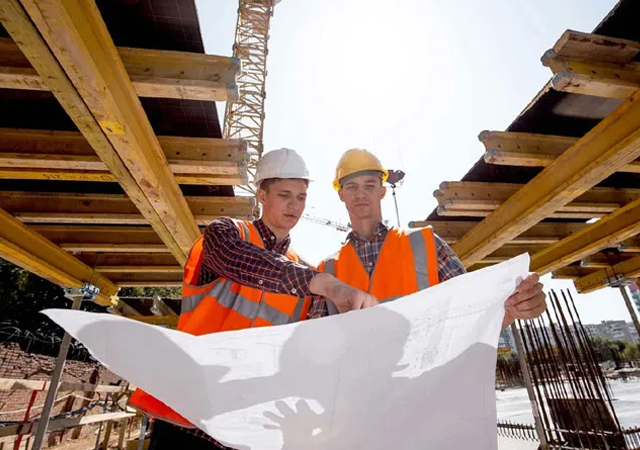
Longevity begins long before a finish, attraction or piece of furniture is selected. It begins with decisions about structural grids, floor loading, ceiling heights, service routes, plant capacity, access and maintainability. These decisions may not be the most visible elements of a project, but they often determine how much freedom an owner has 10 years later. Throughout my career, I have encouraged engineers to design with a simple question in mind: “What could this building need to become one day?”
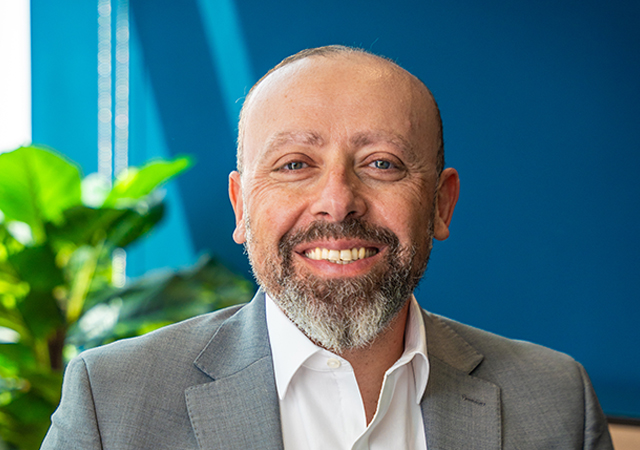
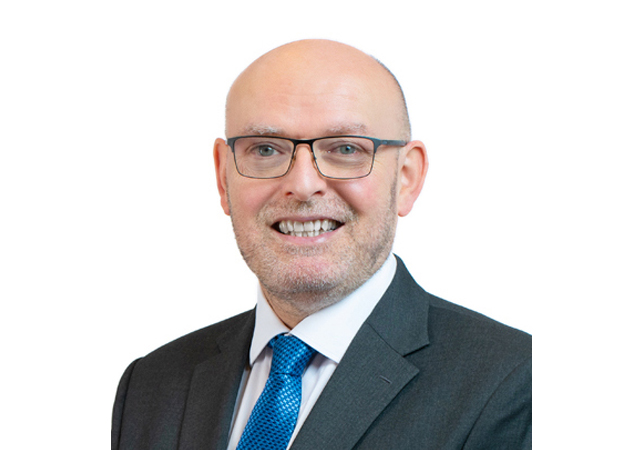
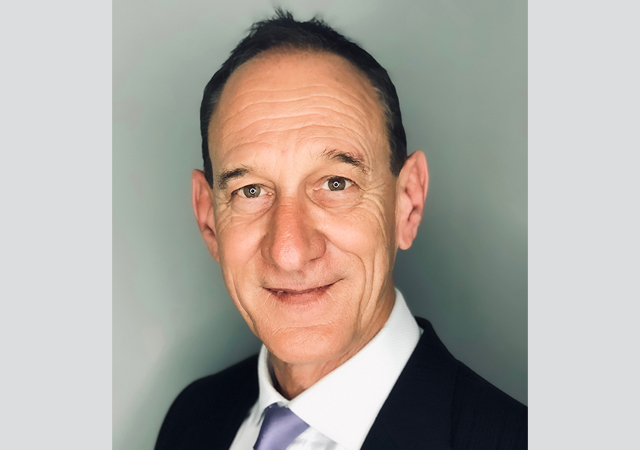
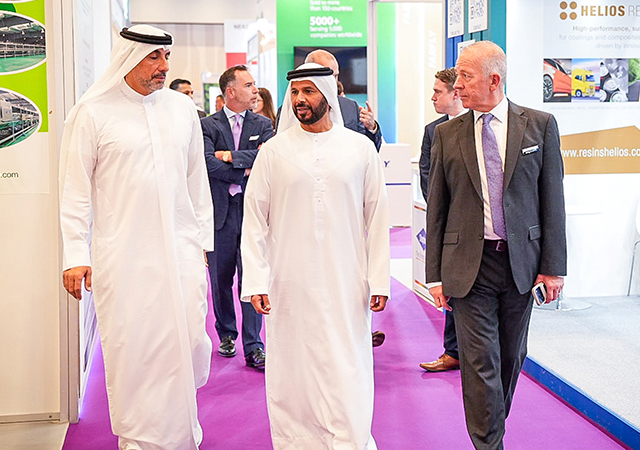
Greiss ...”The most exciting leisure spaces are those not frozen at opening”.
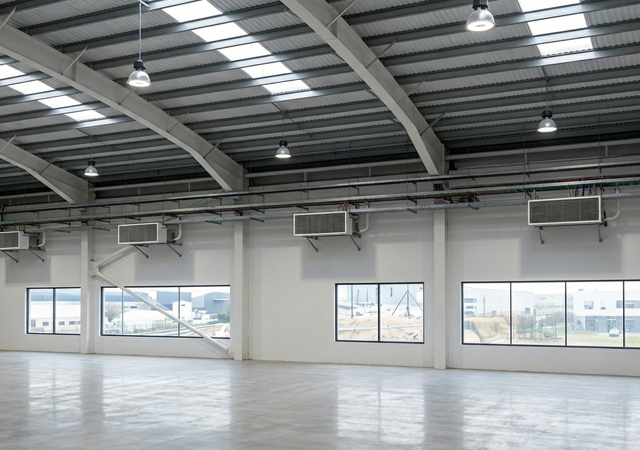
We cannot predict every future use, nor should we try. But we can avoid unnecessarily restricting the building’s ability to change. If the structure, services and access are tailored too tightly around that attraction, replacing them 10 years later may require extensive demolition and reconstruction. The same pavilion designed with appropriate structural capacity, generous clear heights, accessible service routes and adaptable power distribution can accommodate an entirely different experience with significantly less intervention. That difference may not be visible on opening day but a decade later, it can be worth millions.
Whole-life cost matters more than initial cost
One of the most important conversations we can have with developers is about the difference between capital cost and whole-life cost. This is where a decision that saves money during construction may create considerably greater expenditure over 20 years of operation. For leisure facilities, this becomes particularly significant. Cooling loads, water consumption, equipment efficiency, maintenance access, replacement strategies, crowd circulation and technology infrastructure all have financial consequences long after construction teams have left the site.
This is particularly relevant in the UAE, where climatic conditions mean that cooling and energy performance can have a substantial influence on operating expenditure. Mechanical rooms are a good example: making a plant room as small as technically possible may create a few additional square metres of revenue-generating space today. But if equipment cannot later be replaced without dismantling walls or if future systems cannot be accommodated, the apparent saving can become an expensive constraint.
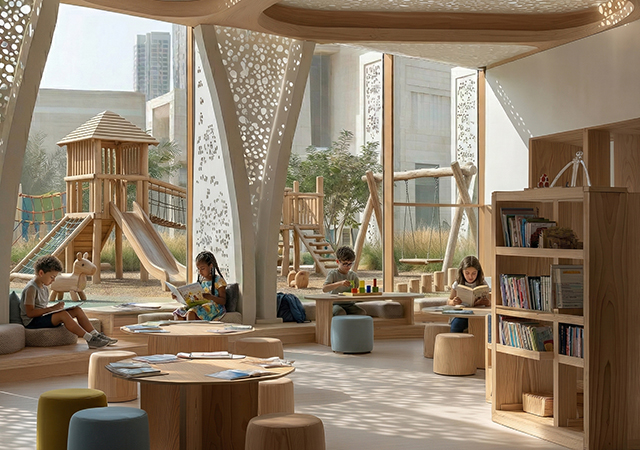
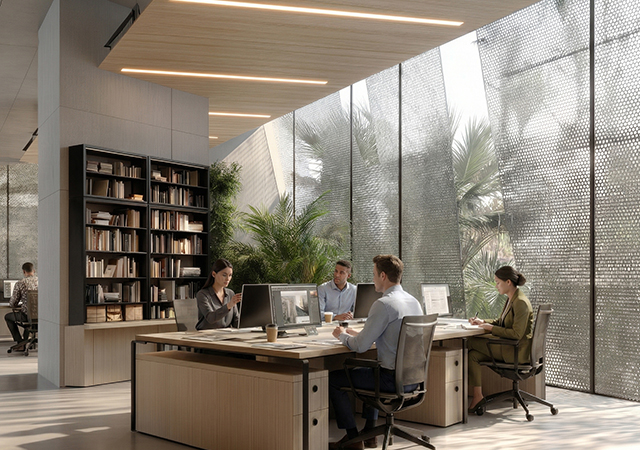
Spaces should be designed to accommodate changes in use over time.
The same principle applies throughout a leisure destination. Can equipment actually be removed when it reaches the end of its life? Can technology infrastructure be upgraded without opening ceilings throughout an operational venue? These questions rarely appear in marketing material, but they have an enormous influence on whether a destination remains commercially successful.
Operational efficiency as a design principle
Design decisions usually made in the first 18 months of a project echo through decades of operating expenses. Energy systems, water management, crowd flow, and maintenance access are often treated as afterthoughts, yet they quietly determine whether a leisure destination remains profitable long after opening day excitement fades. Leading projects now treat operational efficiency as a design discipline, not a checklist bolted on after architecture is finalised. Engineers who model energy loads during design hand operators a facility that costs meaningfully less to run across its lifespan, a difference felt especially in a climate like the UAE’s, where cooling loads shape a venue’s bottom line as much as ticket sales do.
The UAE offers a useful proving ground for this thinking. With walk ins across movie cinemas, indoor theme parks, and arcades already exceeding 32 million visits a year, the sector is an established and expanding pillar of the economy, not a passing trend, and the region is well positioned to set the standard for how leisure infrastructure ought to be built everywhere else.
A destination worth returning to
Whether a leisure destination fades or becomes a fixture of a city’s identity rarely depends on the ribbon-cutting or the first year of reviews. It comes down to quiet decisions made months before construction began, decisions about how a roof drains, how a corridor widens, how a mechanical room was sized for equipment that did not exist yet when the drawings were signed. The most exciting leisure spaces are not the ones frozen at their moment of opening, but the ones built with enough humility to admit they will need to change, and enough engineering discipline to make that change easy rather than expensive. Such a facility does more than survive its first decade. It keeps earning its place in people’s lives long after the crowds that came for the opening have grown up and returned to find it still worth visiting.