


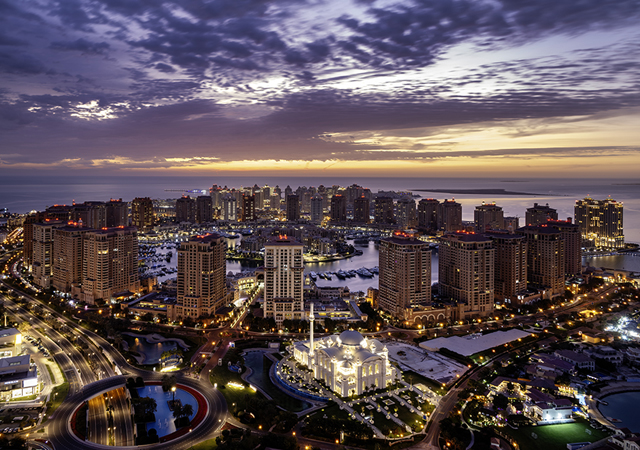





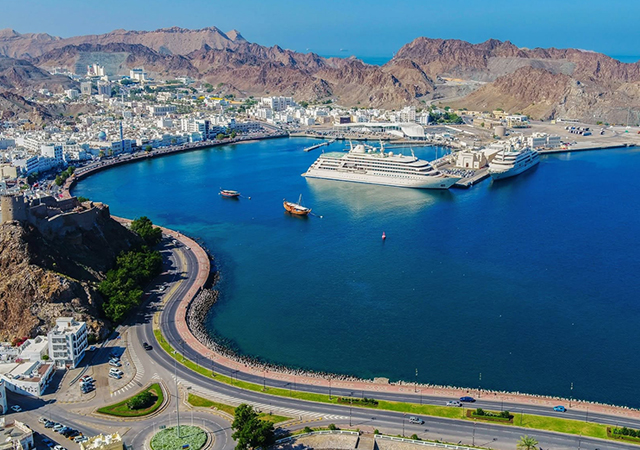










Abu Dhabi’s property market is entering a new phase of growth. According to the Abu Dhabi Real Estate Centre (ADREC), real estate transactions reached AED66 billion ($17.96 billion) across 13,518 deals1 in the first quarter of 2026, representing a 160.7 per cent year-on-year increase and the highest quarterly performance on record. Supported by continued economic diversification and the long-term direction of Abu Dhabi Economic Vision 2030, the capital is becoming an increasingly important destination for developers, investors and residents. For developers entering Abu Dhabi, success will depend on understanding the emirate’s market structure, buyer mindset and long-term investment case.
Understand the differences between Abu Dhabi and Dubai
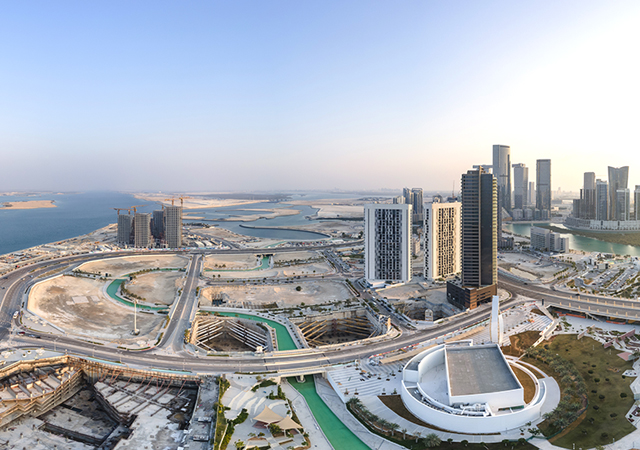
Dubai remains the UAE’s larger and faster-moving real estate market and although Abu Dhabi operates at a different scale, its recent growth shows that the gap is becoming less important. Its market is more concentrated around specific residential and investment districts. In Q1 2026, Hudayriyat Island recorded AED11.97 billion2 in transactions, followed by Al Reem Island at AED9.45 billion, Saadiyat Island at AED8.8 billion and Yas Island at more than AED5.5 billion.

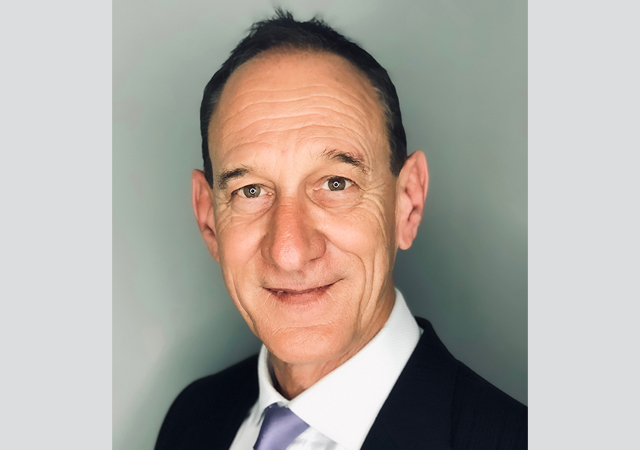
Al Khattab: Abu Dhabi requires a more measured approach centred on location, community value and long-term occupancy.
The practical difference is in how projects should be positioned. Dubai’s high volume of launches creates opportunities for bold concepts, rapid sales campaigns and highly segmented products. Abu Dhabi generally requires a more measured approach centred on location, community value and long-term occupancy. Therefore, a successful project in the capital needs to respond to the district in which it is located and the daily needs of the people expected to live there.
Match development plans to future housing demand
Abu Dhabi’s population reached approximately 4.14 million3 in 2024, while the workforce expanded by 9.1 per cent. Meanwhile, in the second quarter of 2025, the emirate’s non-oil economy grew by 6.6 per cent4 and accounted for 56.8 per cent of total GDP. This means housing demand is increasingly connected to long-term employment growth across sectors rather than depending on one dominant industry.
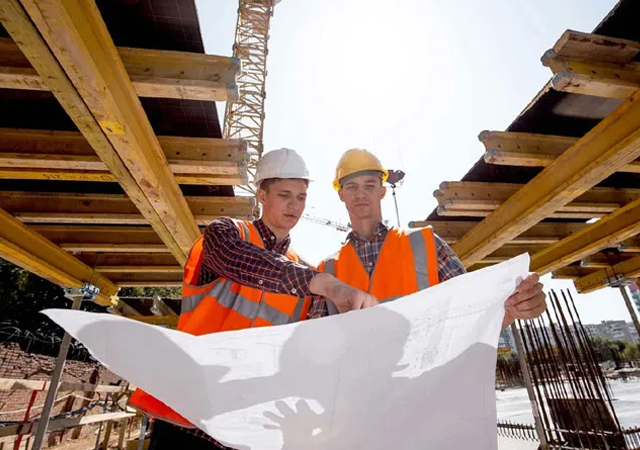
As a result, new residents arrive with different incomes, family needs, workplace locations and lifestyle expectations. Developers must, therefore, understand who is moving to Abu Dhabi, where they work and how they intend to live before deciding what to build in each location. Projects near employment centres may require strong connectivity and flexible unit sizes, while family-oriented districts need larger homes, schools, childcare and practical community facilities.
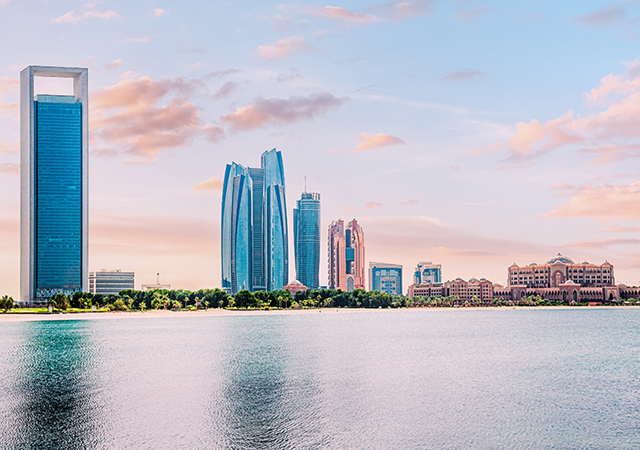
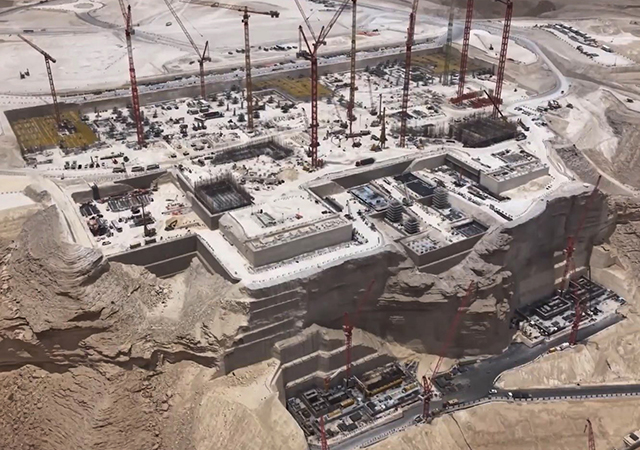
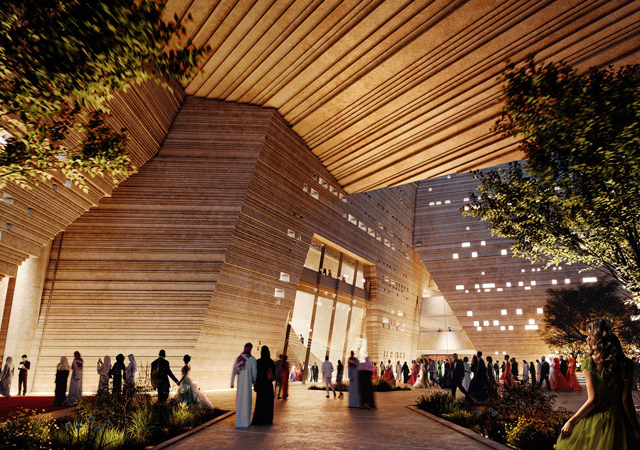
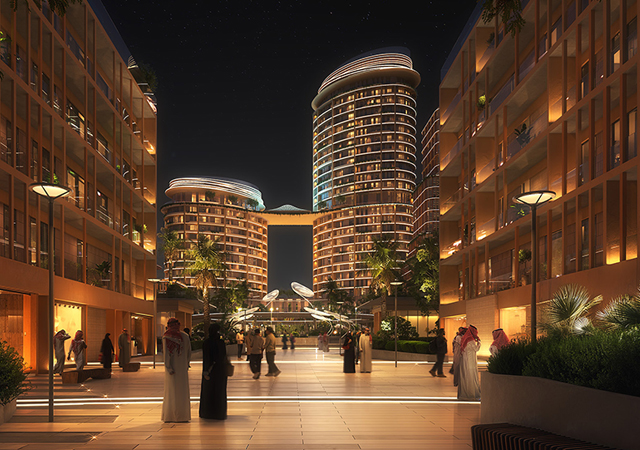
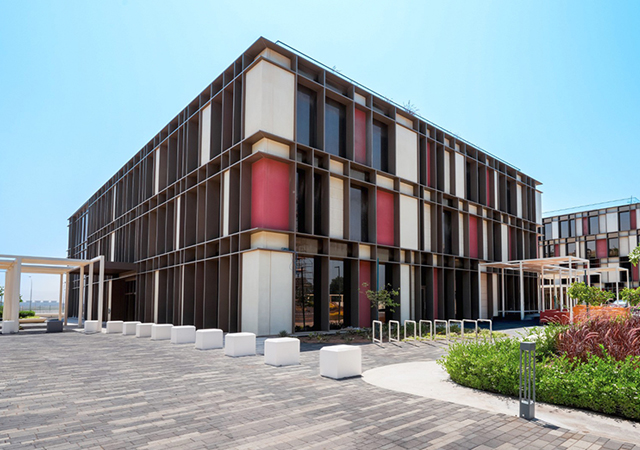
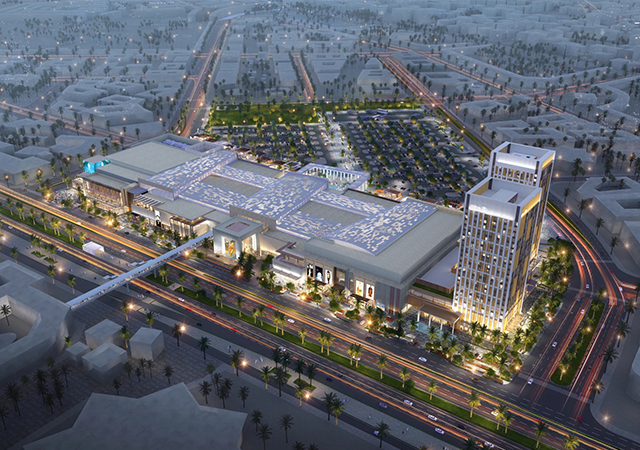
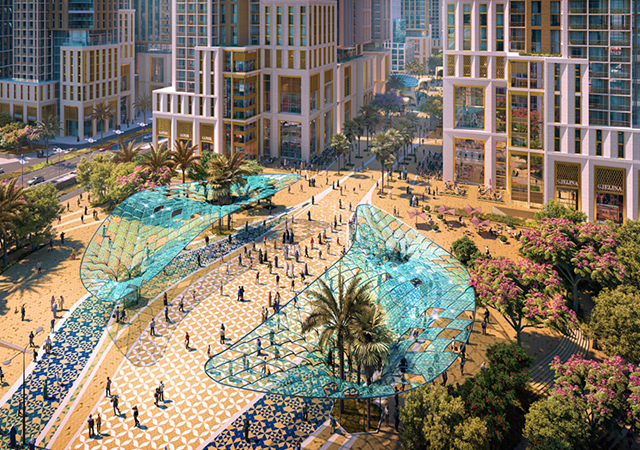
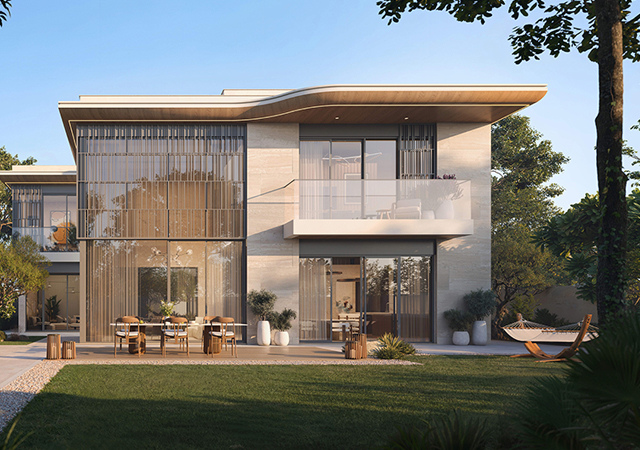
Abu Dhabi real estate projects near employment centres may require strong connectivity and flexible unit sizes, while family-oriented districts need larger homes, schools, childcare and practical community facilities.
Build within Abu Dhabi’s regulatory framework
In 2026, the Department of Municipalities and Transport (DMT) and the ADREC introduced new rules covering project escrow accounts, jointly owned properties, owners’ committees and refunds for off-plan sales. Under the escrow rules, buyer payments must be placed in a separate account for the relevant project, and developers can only access the funds under certain conditions.
Developers must also consider sustainability and ownership rules from the early stages of a project. Abu Dhabi’s Estidama Pearl Rating System guides development through standards covering energy use, water efficiency, materials and liveability. Foreign buyers can own property in selected investment areas, including Al Reem Island, Yas Island and Saadiyat Island, so developers should review the legal and ownership requirements of each location before purchasing land.
Liveability is shaping buyer decisions
In Abu Dhabi, lifestyle is closely linked to government planning around liveability, family wellbeing and community infrastructure. Under the Abu Dhabi Liveability Strategy, average district completion scores increased from 67 per cent before the strategy began in 2023 to 81 per cent5 in 2025. More than 60 projects worth AED12 billion supported this progress. As a result, buyers are looking beyond basic amenities. They are also considering access to schools and childcare, greenery, walking routes, road connections, privacy and how easily they can manage daily life.
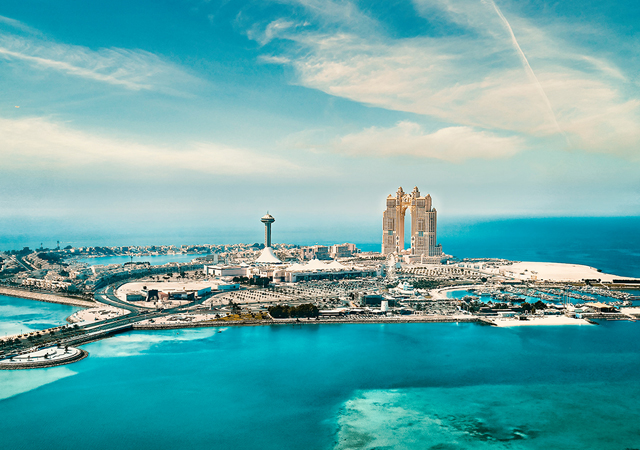
In Q1 2026, foreign investment in Abu Dhabi’s property market reached AED8.27 billion.
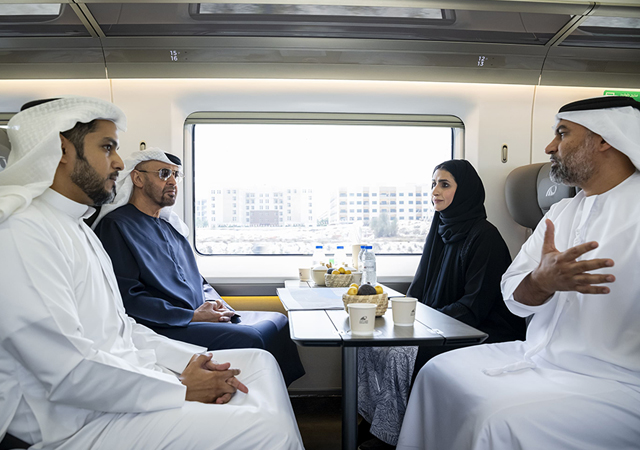
Transport links are becoming another important part of this decision. Etihad Rail is the UAE’s national passenger railway, designed to connect major cities and communities across the country. Passenger services between Abu Dhabi and Fujairah began on June 30, 2026, reducing the journey to around one hour and 45 minutes. As the network expands, developers will need to consider access to railway stations, public transport and last-mile connections when selecting locations and planning communities.
Assess Abu Dhabi’s changing buyer base
In Q1 2026, foreign investment in Abu Dhabi’s property market reached AED8.27 billion6, up 423 per cent year-on-year. Investors came from 99 nationalities, and the total matched the foreign investment recorded during all of 2025.
Interest is also increasing among wealthy international buyers. Surveys found that 19 per cent7 of high-net-worth individuals were considering buying a home in Abu Dhabi in 2025, up from 14 per cent the year before. Among those with wealth between $30 million and $50 million, 75 per cent were interested in owning property in the capital.
The key point is that buyers enter the market for different reasons. Some want rental income and long-term price growth, while others are looking for a family home, a regional business base or greater financial stability. Compared with Dubai, Abu Dhabi buyers often focus more on long-term use and well-established communities. Developers should, therefore, define their target buyers by how they plan to use the property and how long they intend to hold it.
Abu Dhabi presents a strong opportunity, but it rewards preparation and long-term commitment. Successful market entry requires clear positioning, credible local partnerships, disciplined delivery and a product designed around how residents will actually live. Those that understand the capital’s long-term direction can contribute to a market that is becoming more competitive.
1. https://adrec.gov.ae/en/news/press-release1-abudhabi
2. https://adrec.gov.ae/en/news/press-release1-abudhabi
3. https://u.ae/en/about-the-uae/the-seven-emirates/abu-dhabi
4. https://scad.gov.ae/w/abu-dhabi-gdp-rises-3-8-in-q2-2025-driven-by-6-6-growth-of-non-oil-sectors
5. https://www.dmt.gov.ae/en/Media-Centre/News/Enhances-Average-District-Completion-Scores-in-Emirate
6. https://adrec.gov.ae/en/news/press-release1-abudhabi
7. https://www.knightfrank.ae/newsroom/article/2025/8/abu-dhabi-residential-market-review-h1-2025
* Faris Al Khattab is Managing Director at Object 1 Abu Dhabi, a real estate developer in the UAE.