



















Saudi Arabia’s prefabricated wood buildings market is set for steady expansion, underpinned by sustainability targets, megaproject demand and a shift toward industrialised construction, according to a report by Expert Market Research.
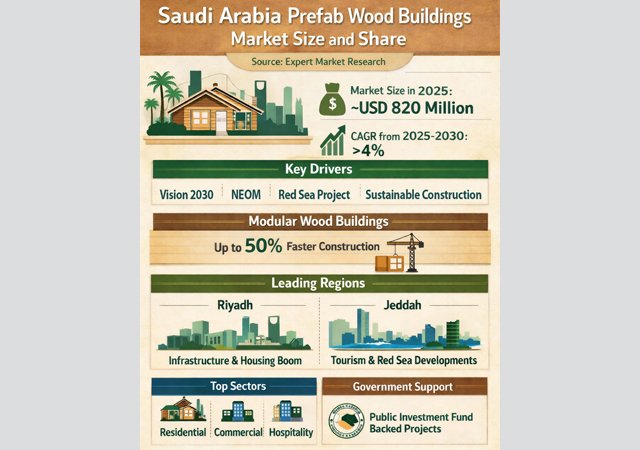
The market was valued at about $820 million in 2025 and is expected to expand at a compound annual growth (CAGR) rate of more than four per cent through 2030, driven by government-backed initiatives and rising adoption of engineered timber solutions.
The study links rising demand to Saudi Vision 2030, which promotes sustainable urban development and encourages the use of low-carbon materials. Engineered timber products such as cross-laminated timber (CLT) and glue-laminated timber (GLT) are increasingly being used in residential, hospitality and office low- and mid-rise developments due to their lower embodied carbon and faster installation compared with conventional concrete and steel.
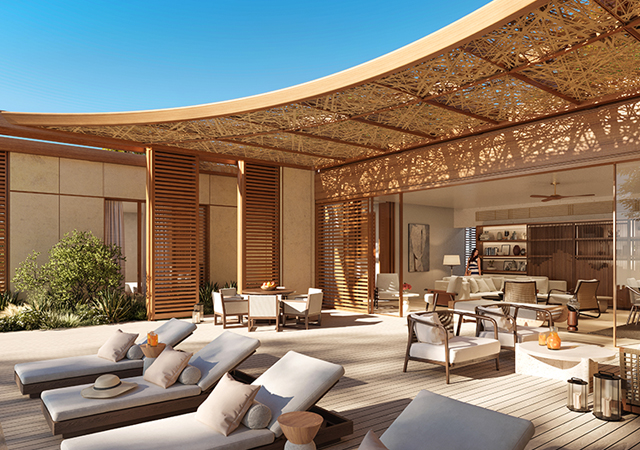
Large-scale projects are playing a central role in driving demand. The Red Sea Project – Saudi Arabia’s pioneering regenerative tourism destination along the Red Sea – which requires carbon-neutral operations across 50 resorts and around 8,000 hotel rooms, is encouraging the use of prefabricated timber systems for hospitality structures. The project's sustainability mandate makes engineered timber the preferred structural system for above-grade hospitality construction, given its low embodied carbon, aesthetic appeal in biophilic design contexts, and structural performance in coastal environments. International hospitality brands including Six Senses, Nobu, and Shebara's overwater villa concept are specifying exposed CLT structural elements as a design feature that differentiates Saudi Red Sea resort offerings from conventional concrete-steel hospitality construction.
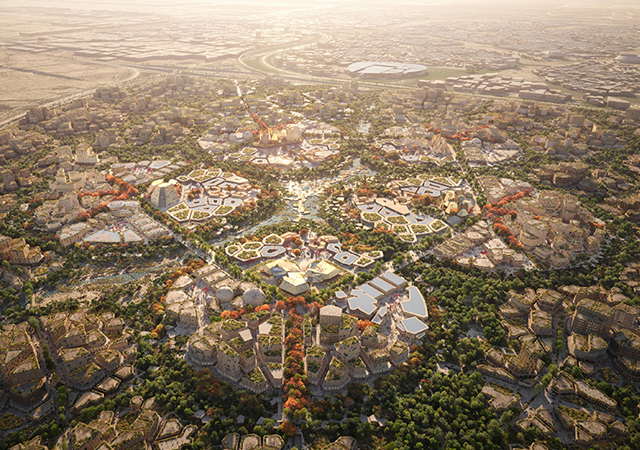
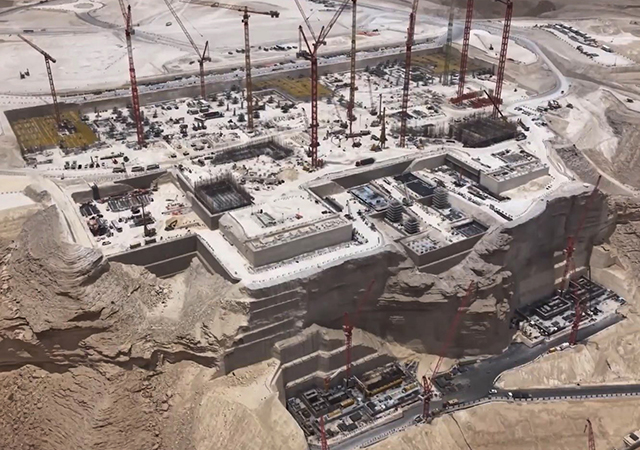
At the same time, NEOM is institutionalising off-site manufacturing and modular construction, helping normalise prefabrication across the wider construction sector. The NEOM logistics corridor connecting its Port of NEOM to construction sites is specifically designed for oversized module transportation, creating infrastructure that benefits engineered timber volumetric module delivery, the report stated.
According to Expert Market Research, modular wood building – where volumetric units are produced off-site and assembled on-site – represent the fastest-growing segment of the market. These systems can reduce construction time by up to 50 per cent while improving quality control and reducing site waste, making them attractive for large-scale developments, the report says.
By panel type, CLT panels are emerging as the premium structural panel solution for multi-storey residential and hospitality applications, while GLT dominates structural beam and column applications across all building types. Nail-laminated timber (NLT) serves cost-sensitive single-storey applications.
Government-backed investment is further supporting adoption. The report notes that initiatives linked to the Public Investment Fund (PIF) are helping to finance green building projects and stimulate local capabilities in prefabrication and mass timber construction.
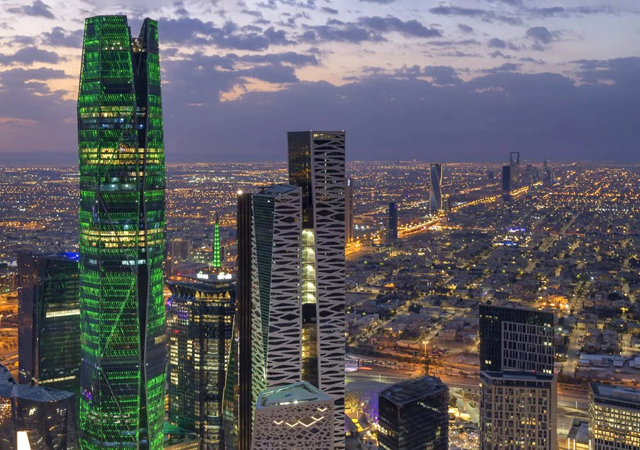
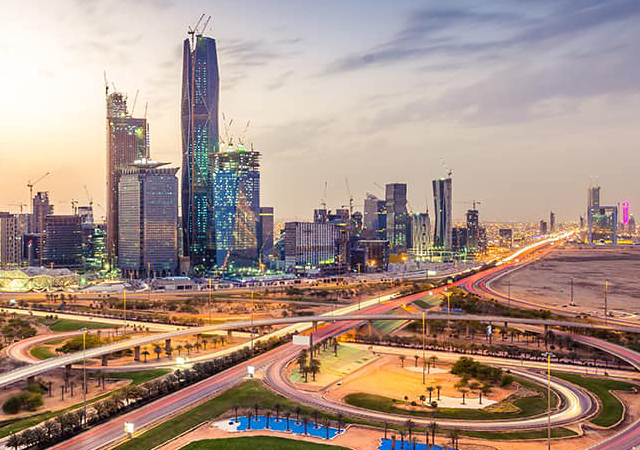
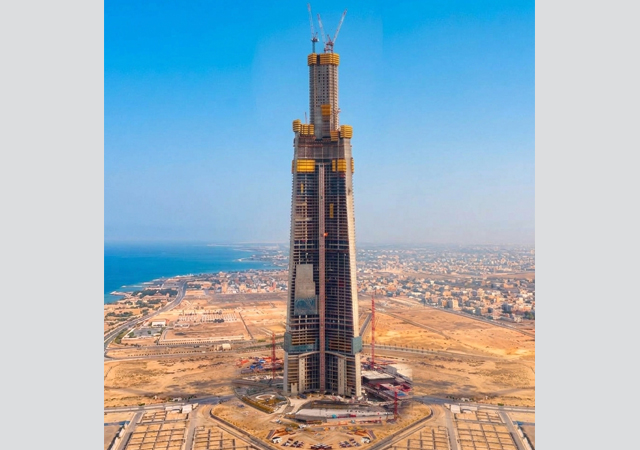
From a regional perspective, Riyadh currently accounts for the largest share of demand, supported by major infrastructure and housing projects as well as pilot programmes focused on sustainable construction. The Jeddah region is expected to record the fastest growth over the forecast period, driven by tourism-related developments along the Red Sea coast and rising residential demand.
Saudi Arabia's evolving building codes incorporating Mostadam sustainability standards and Saudi Building Code energy efficiency thresholds are progressively mandating construction methods that favour prefabricated engineered timber's documented lifecycle sustainability advantages over conventional concrete-steel construction, it added.
End-use analysis in the report indicates that residential construction dominates the market, reflecting Saudi Arabia’s housing requirements, while commercial and hospitality segments are expanding as developers adopt prefabricated timber systems for hotels, resorts and office buildings.
Despite its relatively early stage of development, the prefab wood buildings segment is emerging as a niche but strategically important part of the kingdom’s construction sector, the report said. Continued regulatory support, investment in off-site manufacturing and growing awareness of sustainability benefits are expected to sustain growth over the coming years.