












































The skies above the Gulf are not just getting busier; they are getting smarter. Beyond the headlines of mega-projects, a profound and deliberate revolution is reshaping how nations finance, build, and operate their most critical gateways. At the heart of this transformation is the strategic deployment of public-private partnerships (PPPs), a model Saudi Arabia has masterfully adopted not merely as a funding mechanism, but as a cornerstone of its national vision.
Under Vision 2030, the kingdom is executing a paradigm shift: reimagining airports not as static infrastructure, but as dynamic engines of economic growth, technological innovation, and sustainable value. This is a collaborative masterpiece, co-authored by Vision 2030’s ambition, the Public Investment Fund’s (PIF) financial acumen, and Matarat Holding’s operational discipline. Together, they are building a programmatic, pipeline-driven operating system that transforms airports into powerful value engines for the state, private partners, and citizens alike.
For global investors, contractors, and policymakers, this is the new playbook. It explains not only what is happening, but why it works, where it scales, and how to engage – safely, profitably, and in alignment with a nation’s highest aspirations.
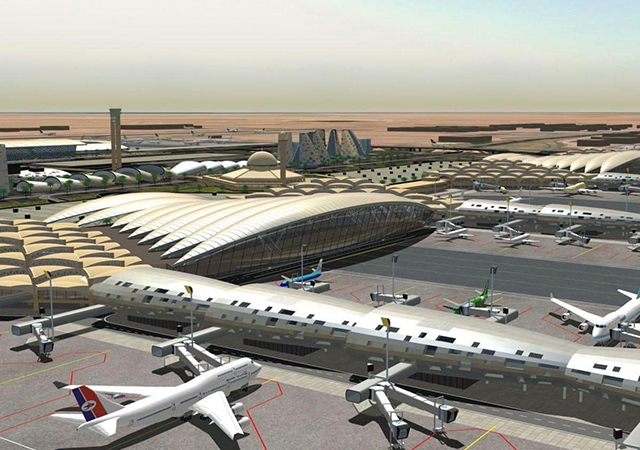
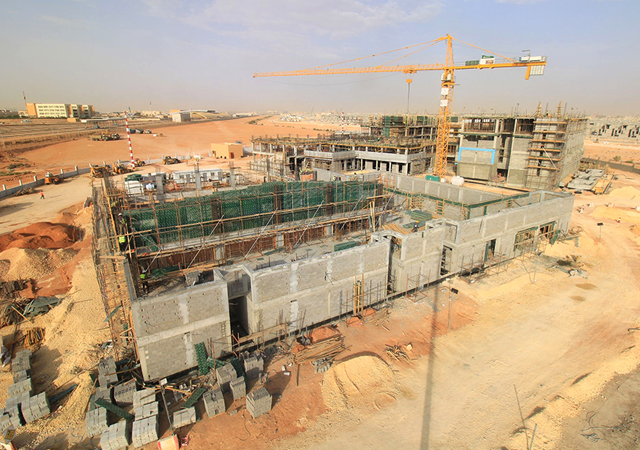
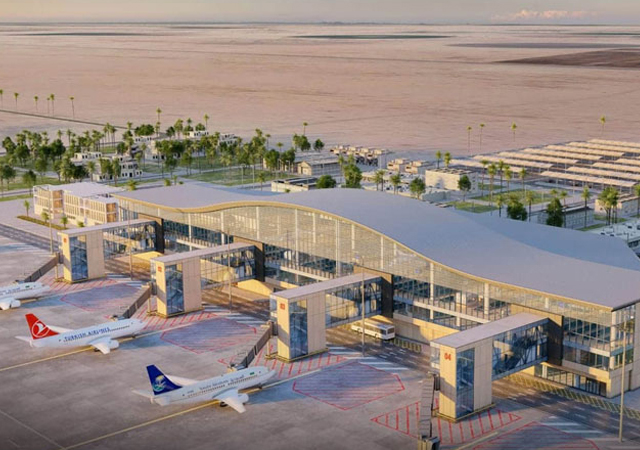
Taif airport project will adopt the PPP model.
From projects to platforms: the GCC’s strategic pivot
Historically, GCC aviation was a story of state-led development: impressive capacity growth yet often constrained by limited commercial agility and technological adoption. Today, that chapter is changing. Saudi Arabia and its regional peers are decisively pivoting to PPPs primarily through build-operate-transfer (BOT) and build-transfer-operate (BTO) models to unlock private capital, world-class expertise, and operational accountability, all while safeguarding strategic national sovereignty.
The distinction is critical:
• BOT grants a private partner the right to design, finance, build, and operate an asset for 25 to 30 years, with ownership reverting to the state. It balances private risk-taking with long-term, stable revenue streams.
• BTO transfers ownership to the state upon construction completion but awards long-term operating rights via a concession. This model masterfully leverages private-sector efficiency while ensuring perpetual public ownership.

Abha airport project will adopt the PPP model.
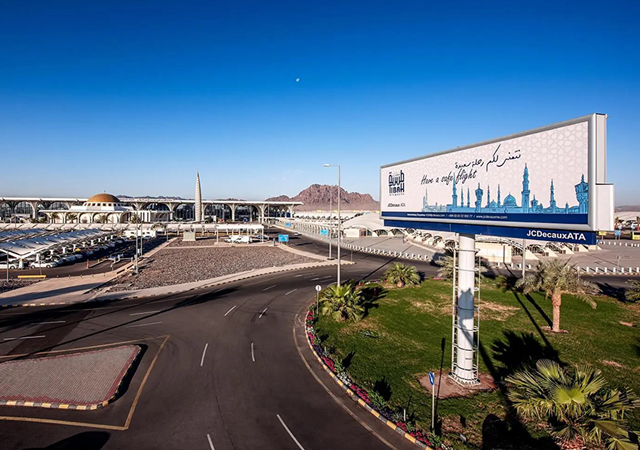
The landmark Prince Mohammed bin Abdulaziz International Airport (PMAIA) concession in Madinah stands as a testament to this approach. Its 25-year BTO term, innovative Islamic financing, dual focus on capacity expansion and long-term state revenue created a replicable blueprint – one now shaping the futures of Taif, Abha, Hail, and Qassim airports.
This is the new reality: Airports are no longer mere infrastructure. They are sophisticated platforms where public mandate and private performance powerfully intersect.
Vision 2030, PIF, and Matarat: The architecture of ambition
Three forces define Saudi Arabia’s transformative aviation narrative, creating a cohesive operating system unmatched in its clarity and purpose:
• Vision 2030 provides the North Star, positioning the kingdom as a global logistics hub connecting three continents. It sets audacious targets: 330 million annual passengers, expanded cargo throughput and seamlessly integrates aviation with digital transformation, tourism, and industrial development.
• The PIF acts as the strategic investment engine, deploying capital across the entire aviation ecosystem. From mega-hubs like King Salman International Airport to national carriers and leasing companies, PIF’s approach blends macroeconomic discipline with innovative financing, dramatically improving the bankability of large-scale PPPs.
• Matarat Holding serves as the operational linchpin. This General Authority for Civil Aviation (GACA)-linked entity oversees 27 civil airports, standardising operations, driving privatisation, and enforcing performance to position Saudi airports as global benchmarks. By coordinating with the National Center for Privatization (NCP), Matarat structures and tenders long-term concessions, ensuring every project aligns with the National Transport and Logistics Strategy.
This triad offers investors a rare combination: Strategic clarity, capital stewardship, and asset-level discipline. This is not a scattered collection of projects; it is a curated portfolio of airports functioning as technology platforms, data-rich service networks, and engines of inclusive growth.
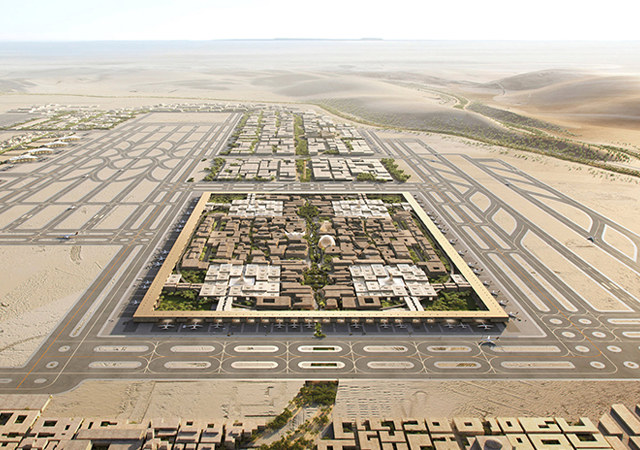
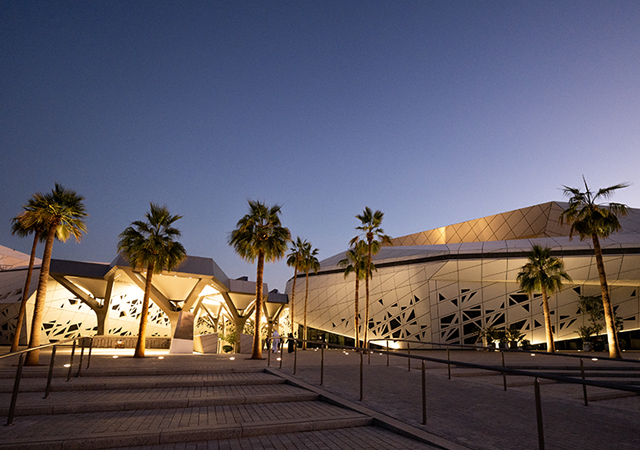
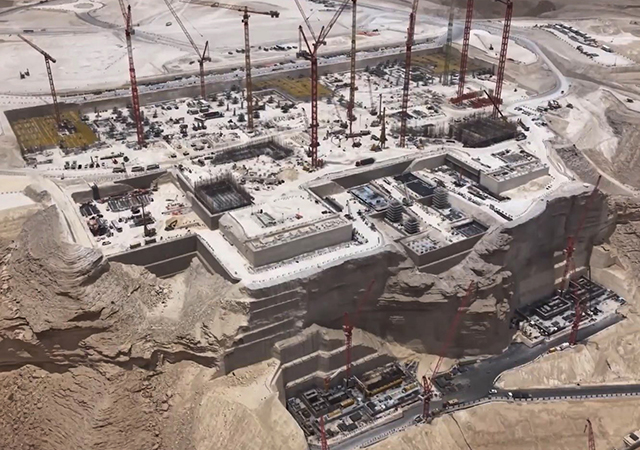
King Salman International Airport ... mega hub on the horizon.
Anatomy of a successful PPP: Lessons from the frontline
Saudi Arabia’s experience provides a pragmatic reality check. The success of Madinah’s PPP, contrasted with earlier challenges elsewhere, illuminates the critical path forward.
For investors and contractors, success hinges on:
• Credible demand economics: Models must be data-driven and scenario-tested, avoiding over-reliance on speculative tourism. Madinah’s robust baseline of religious and domestic travel provided a solid foundation.
• Balanced risk allocation: Volatile demand patterns necessitate clear tariff frameworks, revenue-sharing mechanisms, and rebalancing clauses. Over-leveraged, “industrial-style” risk transfer is ill-suited to aviation.
• Regulatory predictability: Value is eroded by regulatory volatility. Rule-based, predictable decision-making on fees and commercial rights, backed by independent dispute resolution, is essential.
• Crisis resilience: Covid-19 underscored the need for cooperative crisis response. The ability to rebalance terms and inject capital to preserve viability separates successful partnerships from failures.
The imperative is clear: build pipelines with credible demand signals, robust risk-sharing constructs, and a regulatory framework engineered for stability.
Cybersecurity and continuity: non-negotiable foundations
In the age of smart hubs, cyber resilience is not an add-on; it is the foundation. Saudi PPPs now embed comprehensive risk management from day one, guided by the National Cybersecurity Authority’s (NCA) frameworks and international standards like ISO 22301 for business continuity management (BCM).
Matarat’s role is to standardise these requirements across all airports, mandating joint crisis exercises that test recovery protocols among operators, GACA, and state bodies. In a BOT/BTO concession, downtime imposes direct financial penalties; thus, robust BCM is a core value driver, not a compliance checkbox.
The platform airport: Where ESG and data converge
The airport of the future is an ESG-enabled, data-driven ecosystem in which sustainability, technology, and value creation are structurally embedded.
• Environmental stewardship: Energy efficiency, sustainable aviation fuels, and electrification are integrated into tariff regimes and lender covenants, turning sustainability into financial leverage.
• Data as a strategic asset: Biometrics, predictive maintenance, and personalised passenger experiences are powered by secure, sovereign data platforms where governance and privacy are contractually defined.
• Local value creation: National content requirements and supplier development programmes ensure PPPs broaden domestic capabilities and create high-value jobs.
For leaders, the key performance indicators must evolve beyond terminal capacity to include data utility, energy consumption, cybersecurity posture, and ESG outcomes.
Blueprint for engagement
For those seeking to participate, the path is clear:
Align with national priorities: Demonstrate how your capabilities accelerate Vision 2030’s objectives in capacity, efficiency, and resilience.
Ground models in reality: Employ data-driven demand forecasts, stress-tested by independent validators.
Champion balanced risk: Advocate for contracts with tariff certainty, tailored force majeure clauses, and flexible capital structures.
Integrate resilience by design: Embed NCA frameworks and ISO standards as binding contractual requirements from the outset.
Treat data as a core asset: Define governance and monetisation boundaries upfront to enable secure, value-creating data flows.
Build local capability: Incorporate knowledge transfer and supplier development into your core proposal.
Embrace platform thinking: Forge partnerships beyond aviation – with fintechs, AI firms, and energy specialists – to view airports as connected digital and economic hubs.
The horizon: A nationwide, interconnected system
A seamlessly connected hub network spanning Riyadh to Madinah enables frictionless passenger journeys, powered by biometrics and predictive AI. At the same time, a logistics transformation takes shape, with automated cargo handling fully integrated into global supply chains.
ESG leadership underpins this evolution, reflected in net-zero designs and circular economy initiatives. In turn, this future strengthens lender confidence, diversifying capital sources and reducing financing costs through Islamic finance structures and credit enhancements.
The Mindset Shift: A call to action
A shift in mindset is essential to unlock the full value of the platform airport model.
• Investors: Focus on deals underpinned by programmatic governance, credible risk-sharing, and clearly defined cyber covenants, while prioritising long-term, resilient platform exposure.
• Contractors and technology providers: Align capabilities with platform needs, particularly in cybersecurity, data analytics, and energy efficiency; and pursue partnerships that enable scale and knowledge transfer.
• Policymakers: Take a portfolio approach, building internal expertise to model concessions and strengthening PPP units as centres of excellence that de-risk transactions.
The Strategic Choice
The question facing leaders is no longer whether to participate in airport PPPs, but how to do so in a way that accelerates national transformation, aligns with climate and social objectives, and delivers durable value for decades.
The Vision 2030 framework provides a mature, scalable, and globally competitive blueprint. Airports have moved beyond their role as isolated gateways; they are now critical enablers of a digital economy, an advanced manufacturing base, and a renewed social contract.
This is the new gold standard: PPPs that combine capital efficiency with platform capability and resilience under pressure. When executed effectively, they create a virtuous cycle – rising passenger and cargo volumes drive commerce, attract investment, generate employment, and reinforce the state’s capacity to deliver public goods.
The architecture for a digital, resilient, and globally competitive aviation economy is being built today. The strategic choice is whether to help shape it.
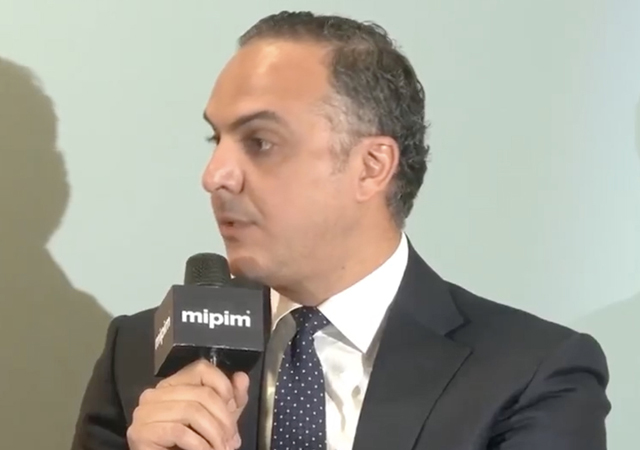
* Anupam Sharma is Business Development Manager at an international group with over two decades of insight across diverse industries, technologies, contracting models and capital deployment.