








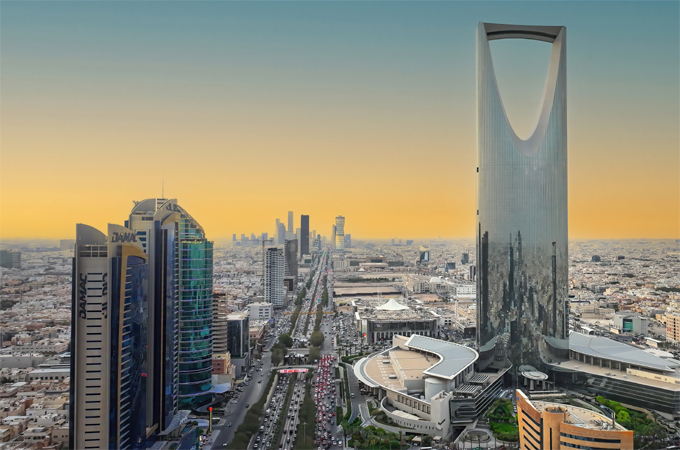
Saudi Arabia’s real estate market experienced strategic recalibration, steady structural demand drivers, and continued investor confidence despite a more complex regional economic backdrop in the first quarter of this year, a report said.
The Saudi Arabia Real Estate Market Review Q1 report by CBRE Middle East, a global leader in commercial real estate, said the real estate sector continues to demonstrate strength. Transaction values reached SAR112 billion in Q1 2026, up 6.8% year-on-year, supported by improved financing conditions and stronger access to capital.
At the same time, regulatory reforms, including foreign ownership measures and increased market transparency are strengthening institutional participation and aligning the sector with global standards, it said.
Macroeconomic environment
Saudi Arabia’s macroeconomic environment in early 2026 reflects a period of adjustment, shaped by external pressures and evolving domestic policies. Real GDP growth moderated to 2.8% year-on-year in Q1, with full year forecasts for 2026 revised to 1.9%, due to the significant reduction in oil production and exports and softer non-oil expansion.
Inflation remains stable at 1.8%, while foreign direct investment saw strong momentum, rising 90% year-on-year in Q4 2025, signalling confidence in the kingdom’s long-term prospects.
Fiscal policy remains expansionary, supporting major infrastructure investment alongside ongoing capital market reforms aimed at enhancing liquidity and investor access.
Focus on project delivery
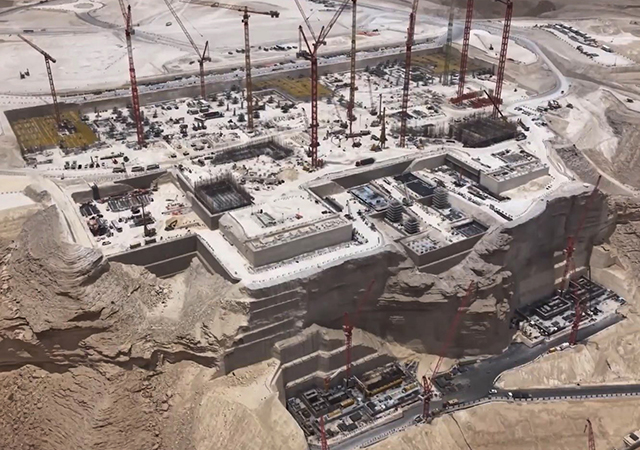
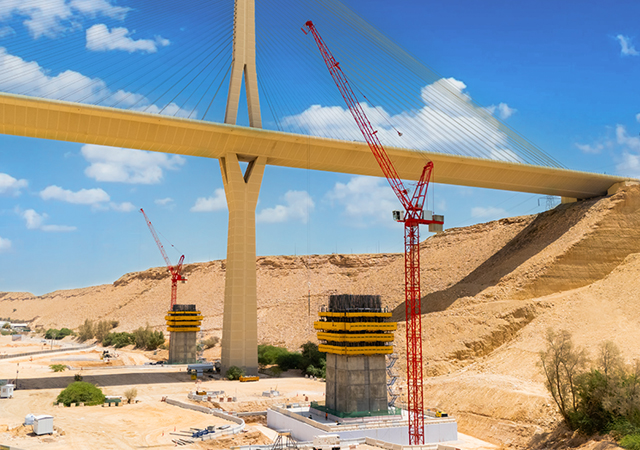
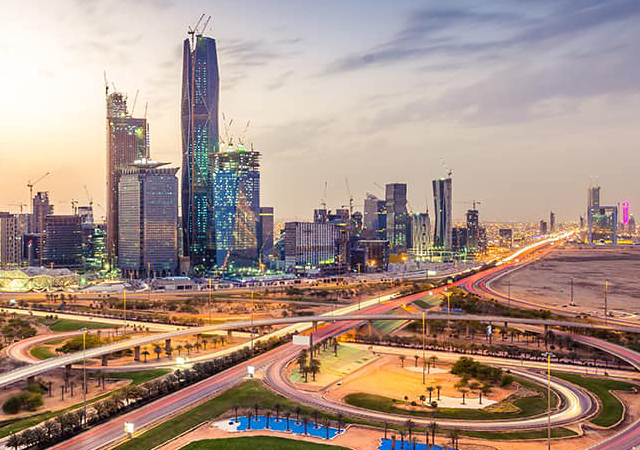
The development pipeline is also evolving, with a gradual shift from construction led growth to delivery and long-term asset management. Major projects continue to advance, with Riyadh remaining the focal point of activity.
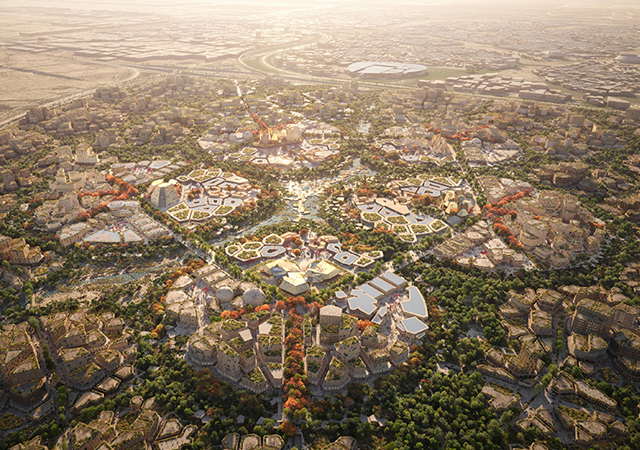
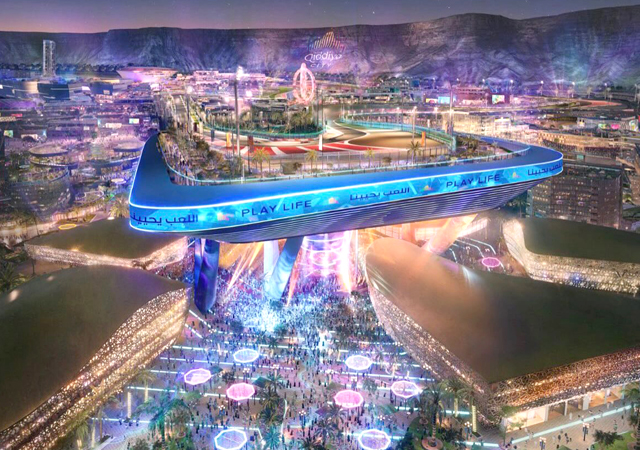
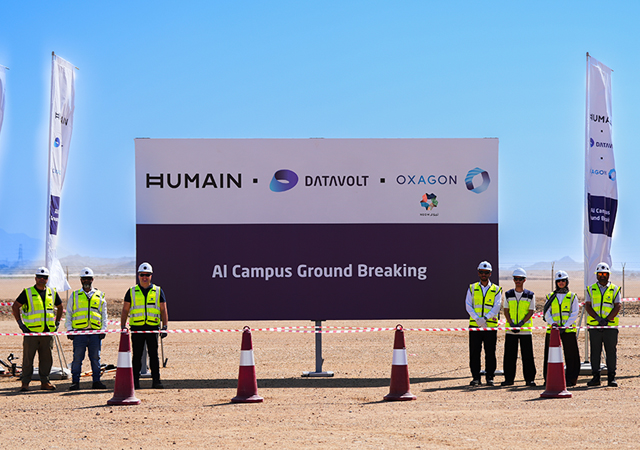
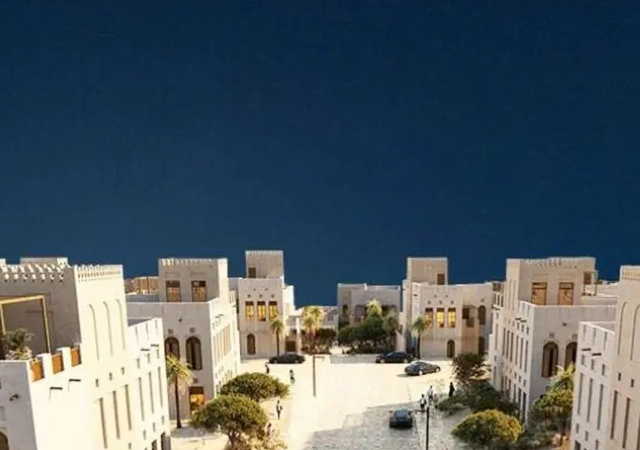
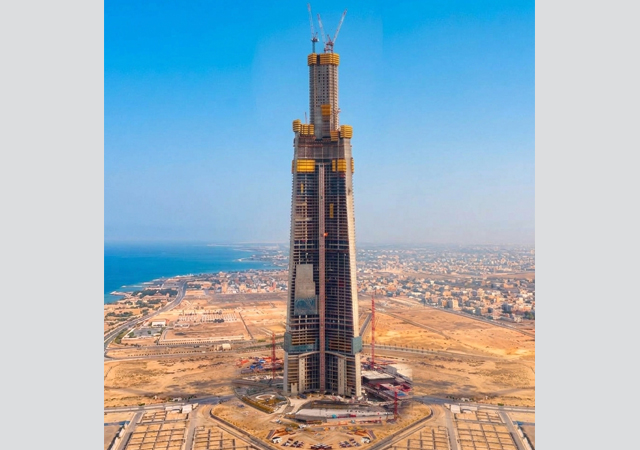
Strategic repositioning is evident across flagship developments, including NEOM’s growing focus on AI and data infrastructure, alongside continued progress in projects such as Diriyah and Jeddah Tower. This sustained pipeline, backed by public and private investment, reinforces the Kingdom’s long-term Vision 2030 ambitions.
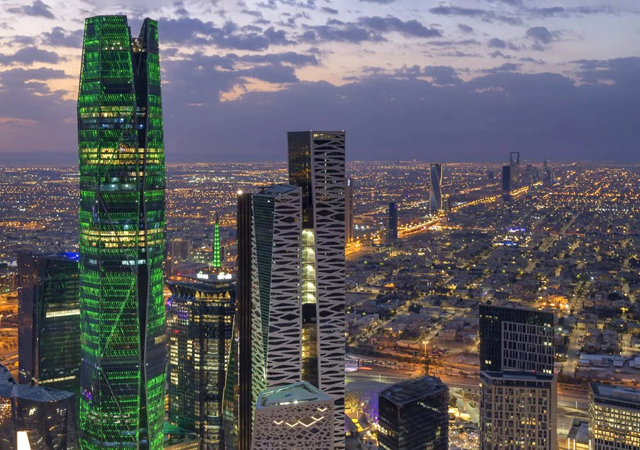
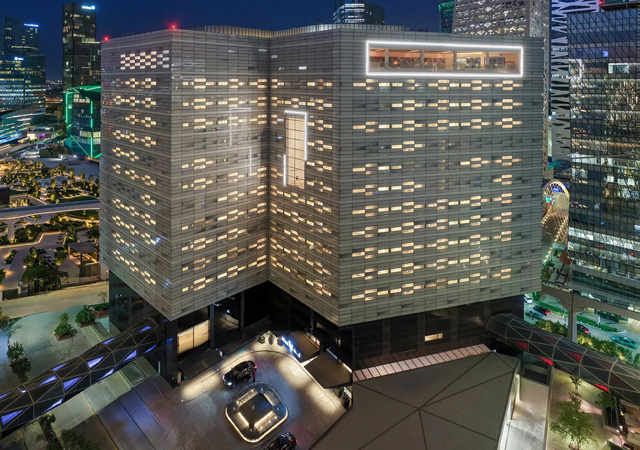
The Office market remains fundamentally undersupplied, particularly for prime spaces, with Grade A occupancy levels remaining at close to full capacity. Demand continues to be driven by the Regional Headquarters (RHQ) program, attracting hundreds of international firms to establish a physical office presence in the capital. While new supply is expected to moderate rental growth in the longer term, structural demand continues to exceed availability. Across other markets such as Jeddah and Dammam, office performance remains stable, although a clear divergence is emerging between modern Grade A assets and older stock, with occupiers increasingly prioritizing quality, flexibility, and digital infrastructure.
Residential sector
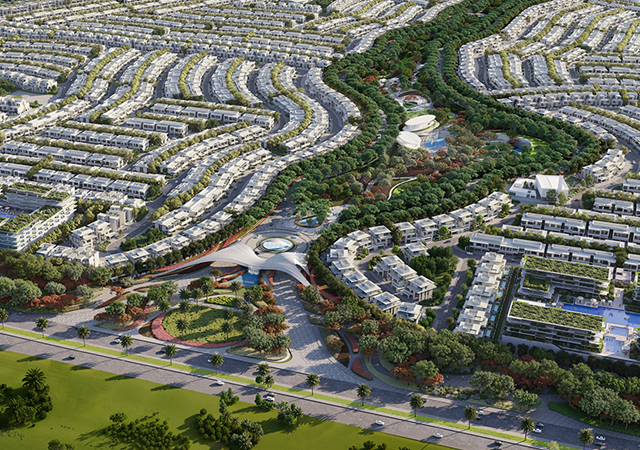
The Residential sector continues to see robust activity, supported by a growing population, government-backed housing initiatives and expanding mortgage penetration. However, ongoing supply deliveries across major cities are contributing to a more balanced market environment. Accordingly, residential rental rates in Riyadh softened by 2.1% year-on-year in March 2026, marking a shift toward more sustainable pricing across the capital. This softening underscores the impact of the September 2025 regulatory reset (5-year rent freeze), which brought the cycle of sustained rental growth to an end.
Under REGA’s new mandate, rents for existing leases are fixed at their September 2025 levels, while new-to-market inventory must align with the last recorded value on the Ejar platform. This regulatory shift provides a stabilized baseline for both existing tenancies and new inventory, effectively cooling speculative spikes.
Retail sector
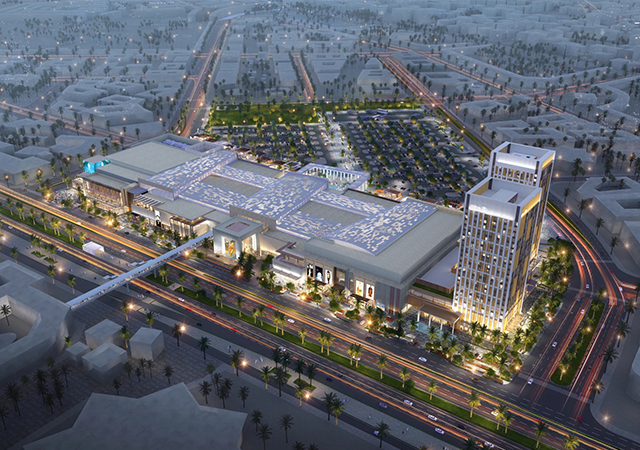
The Retail sector continues to demonstrate a marked shift towards digital commerce, a trend further accentuated by recent events, with impacts on consumer movements and spending trends. Electronic payments accounted for 85% of total retail payments in 2025, demonstrating accelerated digital adoption. Domestic consumption, particularly in F&B and fashion, remains strong and helps stabilize the sector, offsetting fluctuations in international tourism. New retail supply is increasingly integrated into mixed-use masterplans, with developers prioritizing F&B outlets as key footfall drivers. Major projects like The Avenues Riyadh, Westfield Jeddah, and Westfield Riyadh are set to open soon, adding significant space. Despite market shifts, rents for super regional and regional malls have remained stable, with landlords generally maintaining rates and not widely offering concessions. The focus for successful retail centres is now on creating walkable, community-centric spaces that prioritize wellness, luxury, and digital features.
Hospitality market
Hospitality market performance reflects the impact of restrictions on international leisure movements and regional business travel, with year-to-date (YTD) declines in occupancy and RevPAR versus Q1 last year. The biggest impact has been felt in Riyadh and Damman, although Jeddah and Makkah remain in positive territory across all metrics YTD, reflecting the positive impact of religious tourism demand. However, amidst sustained government support, the future supply pipeline continues to grow, with thousands of new keys under development across primary and secondary cities, with the hospitality sector remaining as a central pillar in Saudi Arabia’s ambition to attract 150 million annual visitors by 2030.
Industrial & Logistics
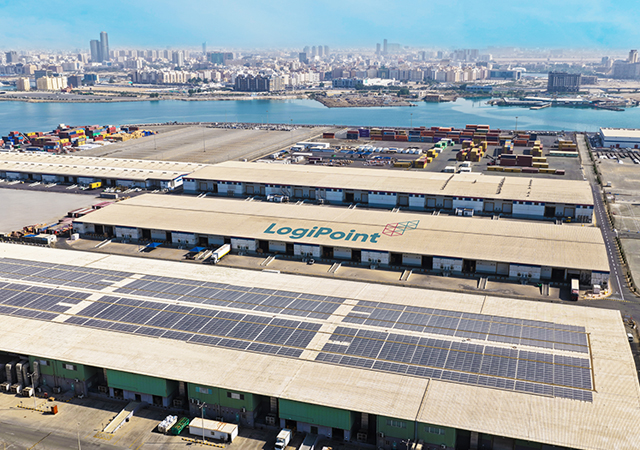
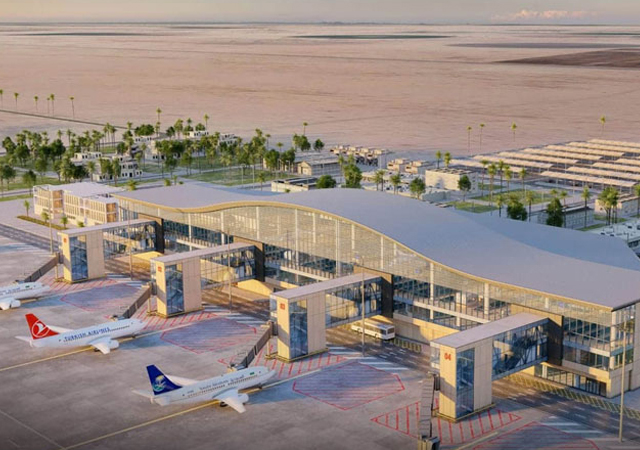
Industrial & Logistics continues to emerge as a key pillar of economic diversification. Demand for Grade A warehousing remains strong amidst supply constraints, driving rental growth across major hubs such as Riyadh and Jeddah. Strategic infrastructure projects, including logistics corridors and integrated supply chain developments, are further enhancing the Kingdom’s position as a regional trade and distribution hub. Despite operational challenges linked to global supply chain disruptions, long-term fundamentals remain highly positive, supported by e-commerce growth and industrial expansion.
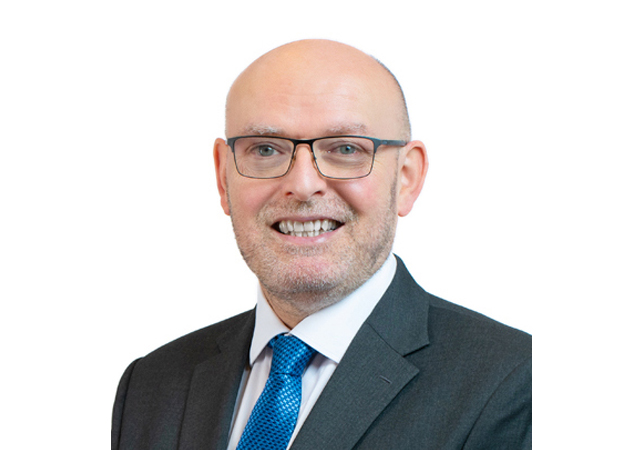
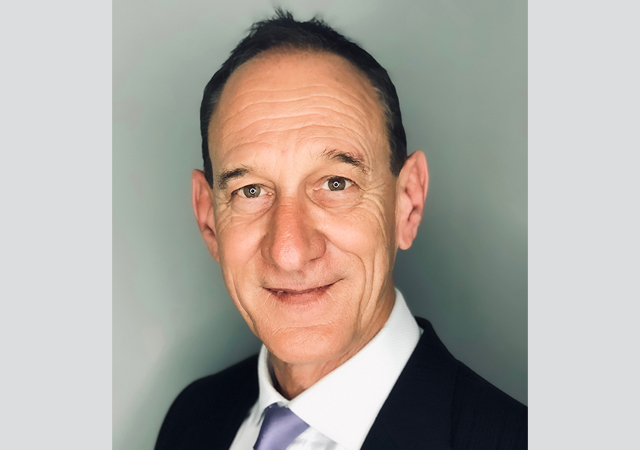
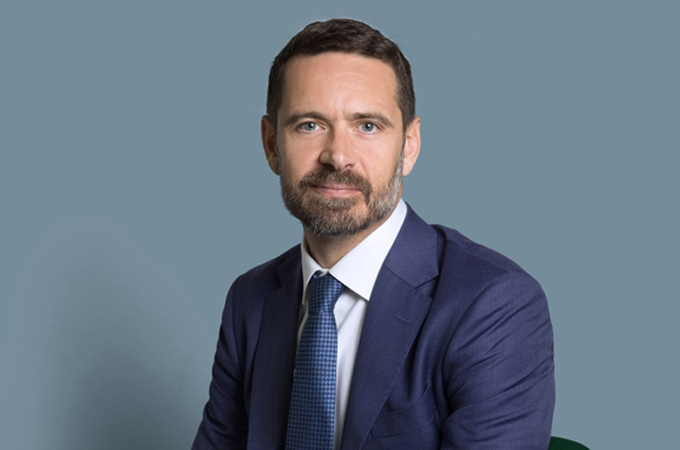
Matthew Green, Head of Research at CBRE MENA, commented: “Saudi Arabia’s real estate landscape continues to evolve at pace, responding to recent regulatory changes and shifting demand patterns. This is resulting in a growing divergence in sector level performance.” - TradeArabia News Service