



























A UAE waterproofing and energy-saving specialist says its new polyurethane-based insulation and waterproofing systems are finding favour in the market as a better alternative to traditional bitumen membranes.
"Cracks in concrete slabs, caused by temperature extremes and underground water pressures, are among the most common infrastructure problems encountered by the construction industry," says Agnel George, the general manager - engineering section of TechniCoat International Factory (TeknCoat).
He continues: "The main reason for concrete failure in the Gulf is the excessive presence of sulphate and chloride ions, which can cause serious damage to the substrate as well as to the steel reinforcement bars. The thermal conductivity of the concrete and the finishing materials used on the structure are major factors in energy loss - which drains energy resources and increases costs - and on the very lifespan of the structure itself.
"Effective energy-saving insulation and waterproofing systems can increase a structure's performance and protect it from environmental factors such as harsh climatic conditions. Architects and engineers have traditionally used bitumen products, which do not provide a perfect solution to waterproofing problems as bitumen characteristics vary with climatic conditions. However, TeknCoat water-tight polyurethane systems offer, by far, the highest insulation value compared to any other material on the market today.
"TeknCoat is easy to apply, is more efficient and outperforms other conventional materials. It is a technological breakthrough."
TeknCoat was launched in January last year by the Al Sayegh Group, which has more than 50 years experience in diverse business activities. Within this short span of time, the company has been involved with many projects in the UAE and is in the process of setting up agencies in Oman, Qatar, Kuwait, Saudi Arabia, Syria and Egypt.
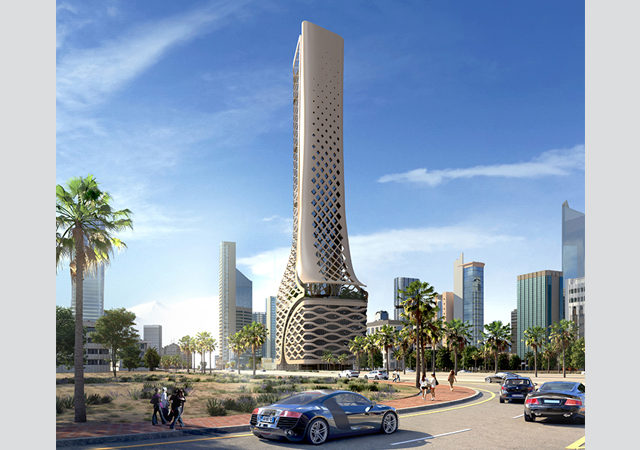
The Dubai-based TeknCoat is also keenly eyeing the market in Abu Dhabi, having already been involved in a few key projects - Al Wathba project, the Liberty Tower, the extension/refurbishment of the Sheraton hotel etc.
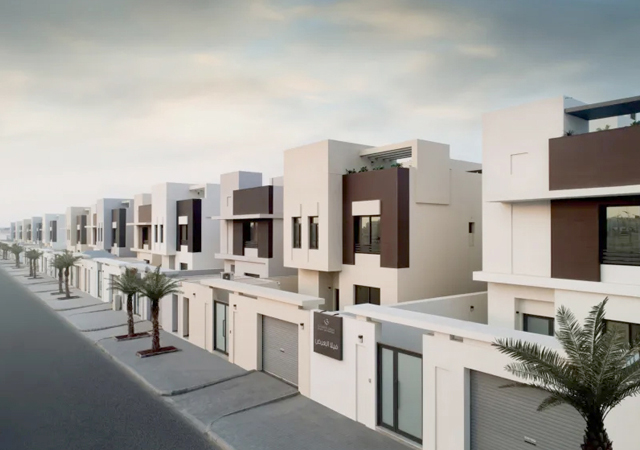
"Our products have been well-received by the market. We have already completed 16 projects in the UAE and another 15 projects are in hand," he says. Among these projects are an 85-villa complex which is completed, a 33-building complex in Jebel Ali which is ongoing, a 25-villa complex, a tunnel in Jebel Ali, and numerous offices and residential buildings in Dubai and Sharjah.
''All these projects were under the supervision of experienced engineering consultants and the products have received their total satisfaction.
''TeknCoat has a modest workforce of 30 well-trained applicators who are under the guidance and supervision of well-experienced engineers in the field of waterproofing and energy-saving. The factory is well-established with state-of-the-art facilities and a well-equipped laboratory in Al Quoz Industrial area, staffed by qualified chemists and chemical engineers."
TeknCoat, which is made out of polyurethane, will firmly protect and seal any treated area. "A membrane's efficiency need no longer be measured by its thickness," explains George. "For instance, TeknCoat's efficiency is presented in microns. Once the necessary coats of liquid polyurethane are applied, they will seal and protect perfectly."
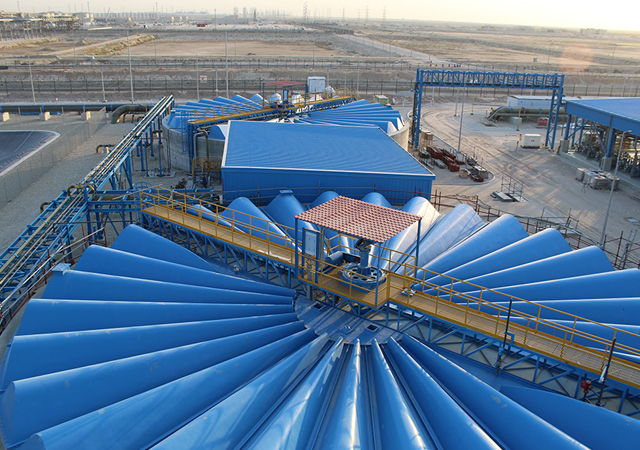
Elaborating on TeknCoat's advantages, he says: "The initial concept was born from the fundamental theory of convection: where the highly thermal insulative properties of TeknCoat prevent the diffusion of air entering or leaving any applied surface, thus saving an enormous amount of energy. Bitumen falls short of delivering such an advantage. TeknCoat also adapts to a variety of shapes and configurations including pitched, fluted and modern domed or geometric shapes.
"Unlike bitumen membranes, TeknCoat's self-bonding characteristics makes it adhere strongly to the treated surface, the polyurethane components will penetrate the concrete slab to occupy any cracks, before it cures to provide an energy-saving and waterproofing coating. It bonds to the existing structure and reinforces it. Bitumen membranes do not offer this important feature.
"In the unlikely event of leakage on a treated roof slab, the exact leak location can be easily pinpointed with TeknCoat. On the contrary, spotting the exact location of a leak where bitumen membranes have been used involves guesswork because the membrane, which is not bonded to the surface of the slab, will allow the water to circulate underneath it from one location to another."
"TeknCoat can be applied to insulate concrete, metal and wooden substances as it acts as thermal and moisture barrier. And because it provides no nutritive value to plants, animals, insects or micro-organisms, it will not rot. It acts as a shield against temperature extremes, moisture, corrosion, chloride, humidity, salt water, vapour and positive and negative water pressure. It has excellent thermal properties as well.
"TeknCoat reduces the maintenance costs and yields a better return on investments. It has been subject to accelerated aging and weather tests and has shown to remain unaffected over a longer period of time. The coatings are designed for use on residential, commercial and industrial structures. They can be used to insulate concrete slabs, timber, aluminium or any other metallic surface, pipes, tiles, and on the back of marble, as a vapour barrier, according to the manufacturer. The coatings can also be used as a protective coating over aluminium ducts used for air-conditioning.
As non-toxic coatings, they can also be used on underground potable water tanks, underground septic tanks, metal fuel tanks, external and internal walls, swimming pools and other wet areas.
TeknCoat products are manufacturec to ASTM, DIN and British Standards and have been tested in Germany and in the UAE, says George.