












A quiet transformation is reshaping residential design across the UAE and the wider GCC. One that is less concerned with how spaces look and increasingly focused on how they make people feel.
For years, wellness was positioned as an extension of luxury living. A branded spa tucked within a podium level. A yoga deck overlooking the skyline. A gym flooded with natural light. While these amenities added value, they often existed as separate destinations rather than being woven into the everyday experience of home.
Today, people are seeking something more profound. They are searching for environments that restore rather than stimulate. Places that create moments of calm within increasingly fast-paced cities. Homes and communities that support emotional wellbeing, physical health, meaningful connection, and a stronger relationship with nature.
This shift is reflected globally. According to the Global Wellness Institute, wellness real estate has grown from $438 billion in 2023 and is projected to exceed $900 billion by 2028, making it one of the fastest-growing sectors within the global wellness economy.
The definition of luxury is evolving alongside it.
People are becoming less interested in environments that simply signal wealth and more attracted to places that feel restorative, intentional, and deeply human. Longevity, preventative healthy lifestyles, movement-based lifestyles, walkable communities, sensory landscapes, and healthier daily routines are increasingly influencing residential demand.
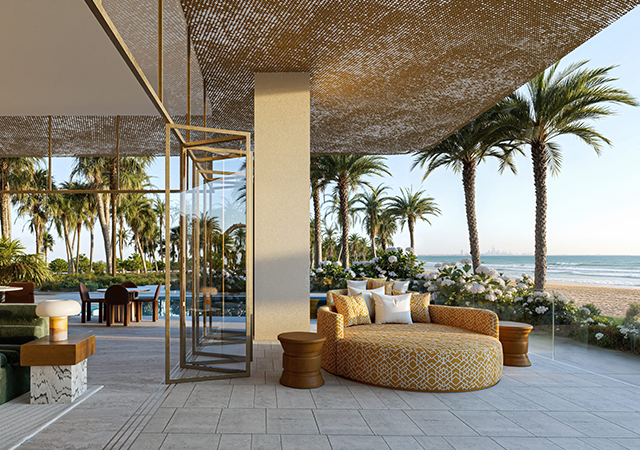
People are seeking places that create moments of calm within increasingly fast-paced cities.
Across the GCC, this evolution feels particularly significant. While the region has become synonymous with ambition, innovation, and rapid urban growth, there is also a growing awareness around burnout, balance, mental wellbeing, and quality of life.
The UAE’s wellness economy alone has surged to $40.8 billion, making it the fastest-growing wellness market in the Mena region and one of the fastest globally. This explosive 14.3 per cent annual growth is driven by a strong focus on real estate, personalised medicine, and preventive health. The market is bolstered by government blueprints such as the National Strategy for Wellbeing 2031 and the UAE Tourism Strategy 2031, reflecting a broader cultural shift toward healthier and more meaningful ways of living.
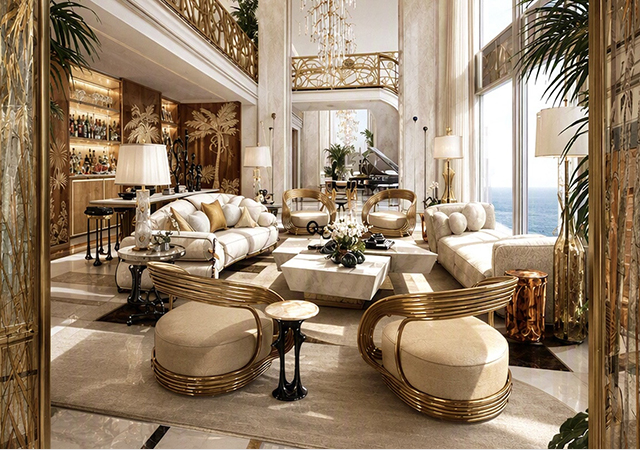
As designers, we are witnessing a growing understanding that luxury is no longer defined solely by what a space contains, but by what it enables.
Wellness should never feel performative; nor should it be treated as a collection of amenities added after the fact. The most successful wellness environments are those where wellbeing is embedded so naturally into daily life that it is experienced instinctively rather than consciously.
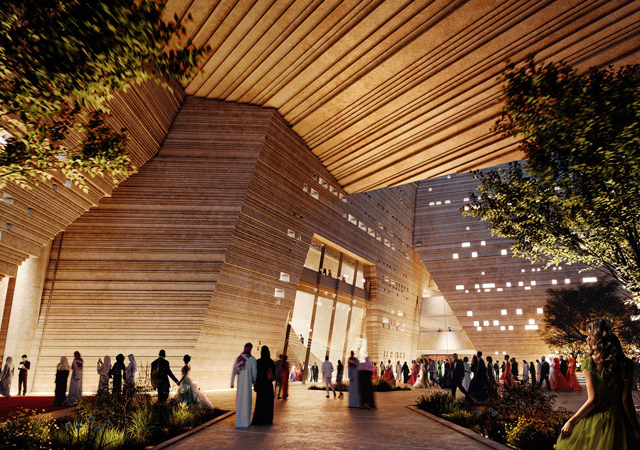
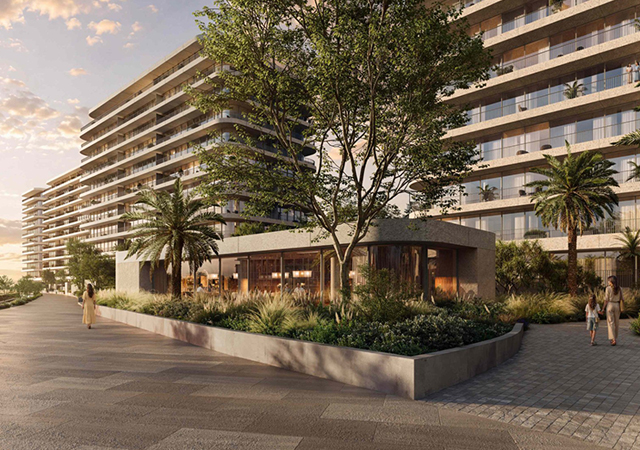
It may be the relief of stepping into a shaded courtyard after walking through heat. The softness of filtered daylight moving across textured surfaces. The stillness of a landscape that quietly slows the nervous system. These moments are often subtle, yet they have a profound impact on how people experience space.
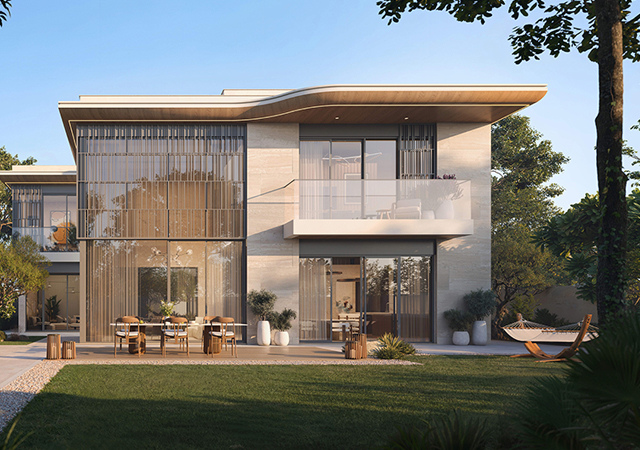
In many ways, wellness design is the art of shaping the subconscious experience of architecture. The most emotionally resonant environments are rarely those that demand attention. Instead, they create an effortless sense of ease, balance, and belonging. Research continues to demonstrate the positive effects of biophilic and sensory-led design on stress reduction, cognitive wellbeing, and emotional connection. Natural ventilation, acoustic comfort, tactile materials, layered planting, shaded transitions, and framed views all contribute to human wellbeing in ways that are often invisible yet deeply felt. This is where architecture becomes personal.
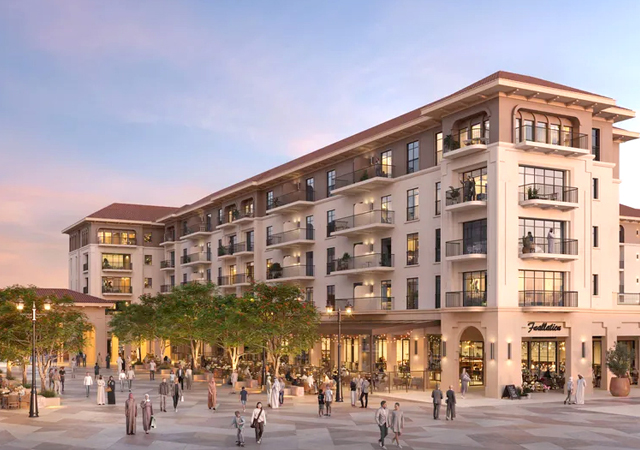
Within the Middle East, wellness is also inseparable from cultural context. Privacy, hospitality, spirituality, and multi-generational living continue to shape how homes and communities are experienced. Wellness here is rarely individualistic. It exists within gathering spaces, shared rituals, family connections, and environments that foster meaningful interaction between generations.
That cultural understanding is essential.
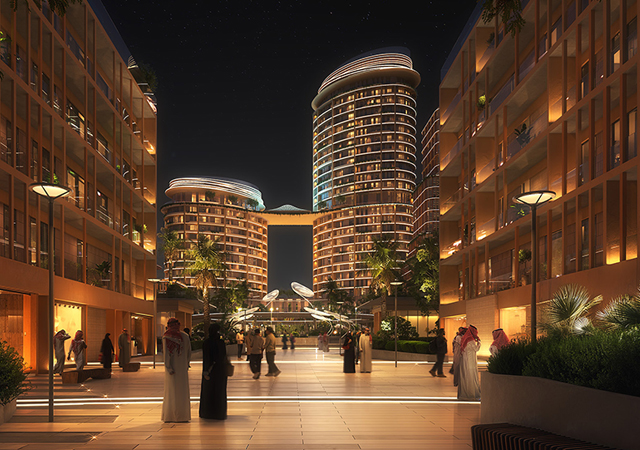
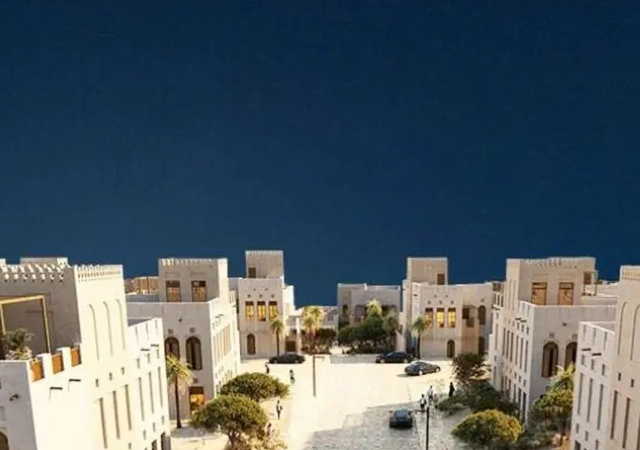
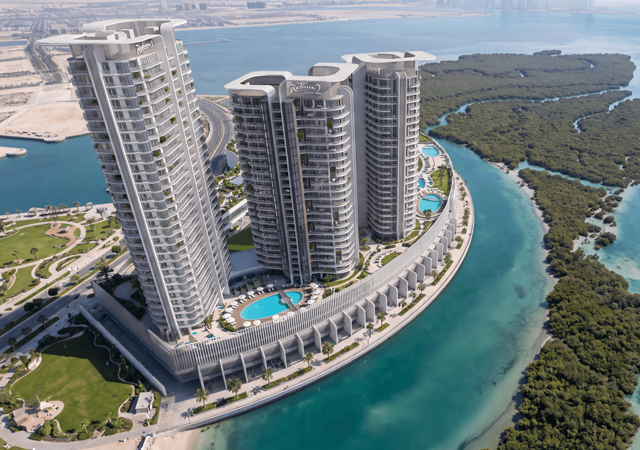
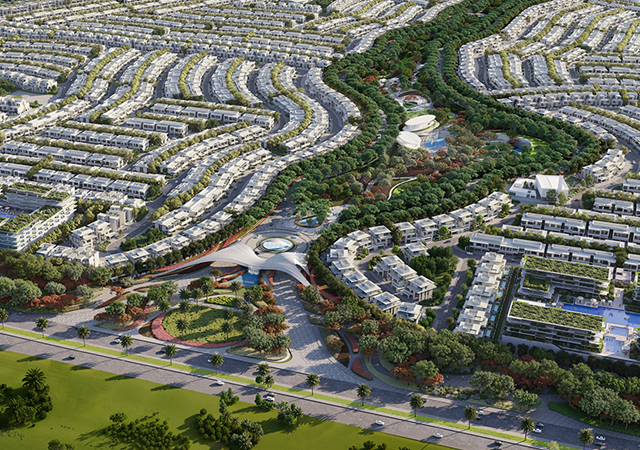
Too often, wellness is approached as a global trend rather than a response to climate, behaviour or local identity. In the UAE, designing for wellbeing means understanding heat and shade, walkability, outdoor living, and the emotional importance of retreat within dense urban environments. As cities continue to densify, people are increasingly seeking softer and more restorative experiences within them. The challenge is no longer simply designing cities; it is designing emotional ecosystems. This perspective is also influencing market performance, with wellness-led communities increasingly outperforming conventional luxury models in both buyer demand and long-term value perception.
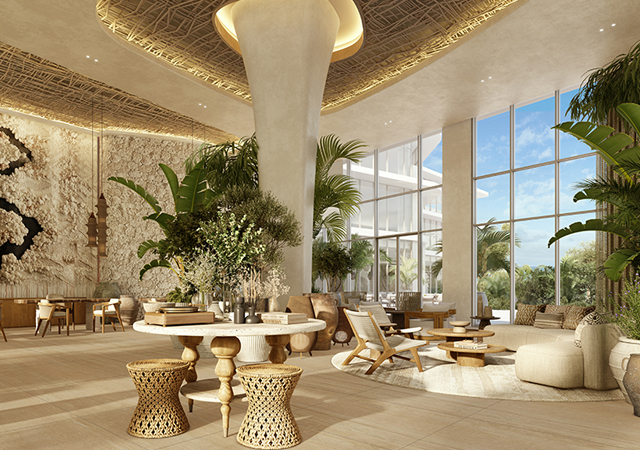
Biophilic design is evolving in more sophisticated ways as part of this shift. Biophilia is not about importing landscapes disconnected from place. It is about creating an authentic relationship with nature that belongs to this region. Earth-toned materiality, sculpted terrain, reflective water, native planting, filtered light, and the choreography of shadow all become part of that dialogue. Nature here feels elemental, atmospheric, and deeply connected to its surroundings. Increasingly, luxury is moving in that direction as well.
Technology will, undoubtedly, continue to play an important role. Advanced air-quality systems, circadian lighting, thermal comfort technologies, and personalised wellness experiences are becoming increasingly sophisticated. Yet even as innovation accelerates, the most enduring environments continue to rely on timeless architectural principles: orientation, proportion, materiality, natural ventilation, and a meaningful relationship between architecture and landscape. Technology should enhance human experience, never replace it.
Ultimately, we are entering a new era of residential design where emotional wellbeing will hold equal value to architectural expression. People may forget the finishes, specifications, or amenities of a place, but they remember how it made them feel: Calm … grounded … connected.
Perhaps that is the future of luxury; not defined by excess, but by emotional richness. Not by performance, but by presence. Not by spaces designed simply to be admired, but by places thoughtfully crafted to help people live better, healthier, and more meaningful lives.
The greatest luxury of all is not what surrounds us; it is how we feel within it.