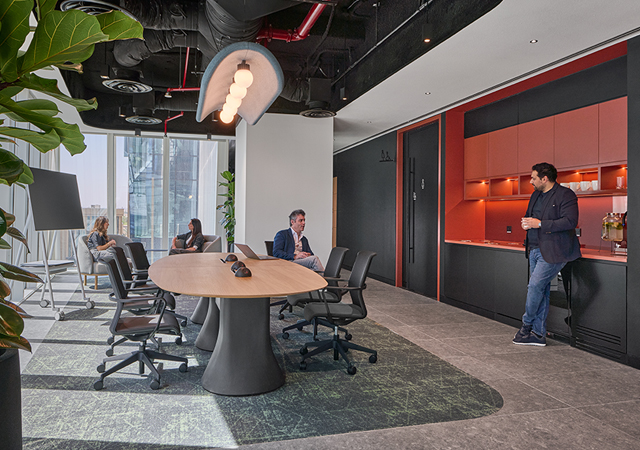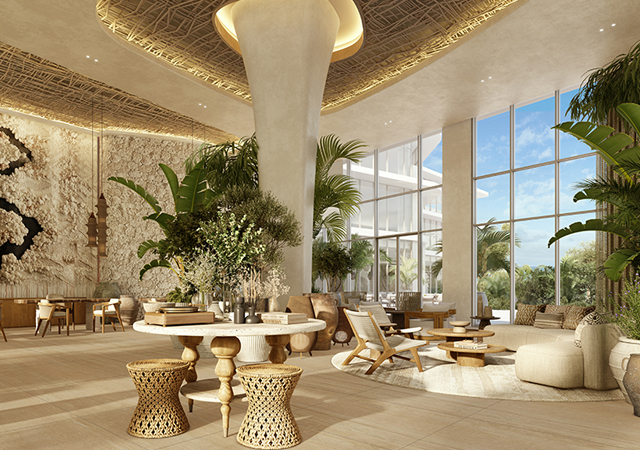














Strong demand for premium space continues to drive the Middle East office fit-out sector despite short-term geopolitical uncertainty, highlighting the resilience of the market, says a new report by global programme management company Turner & Townsend.
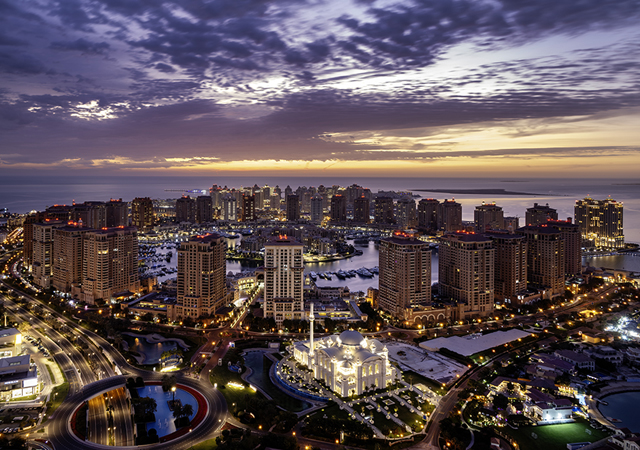
In Dubai, Abu Dhabi, and Riyadh, demand for premium office space has strengthened, supported by economic diversification, population growth and international investment.
Prior to the recent geopolitical tensions, average high-specification office fit-out costs stood at approximately AED13,946 ($3,797.43) per sq m across Dubai and Abu Dhabi, compared with around SAR14,932 ($3,974.87) per sq m in Saudi Arabia, reflecting strong demand and a higher reliance on specialist imported materials delivery into the kingdom.
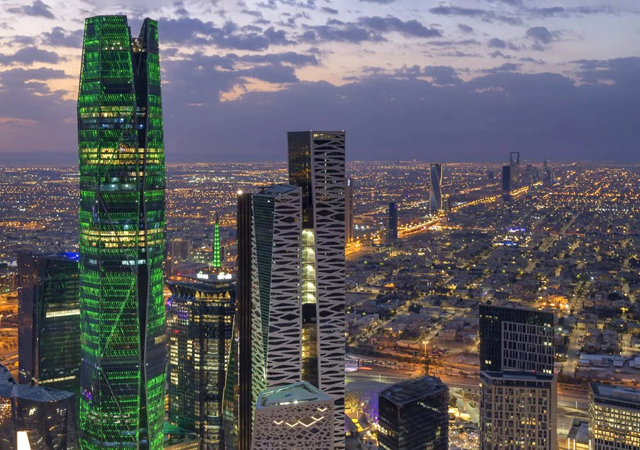
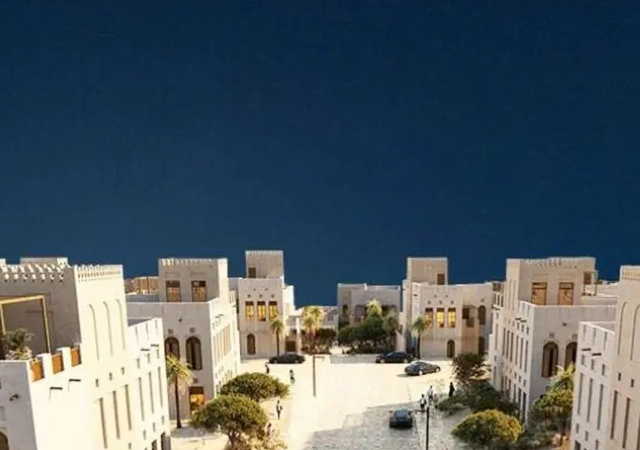
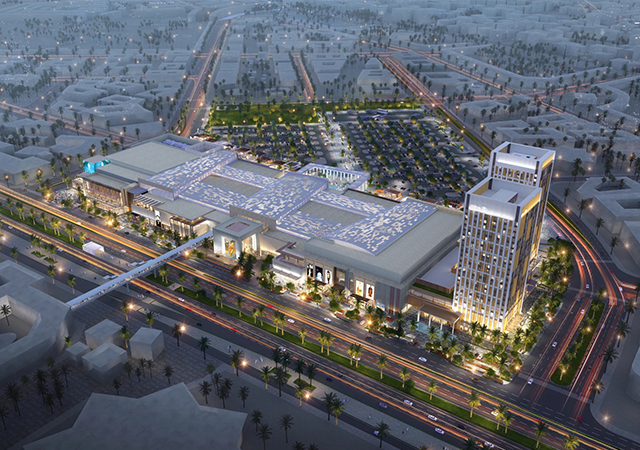
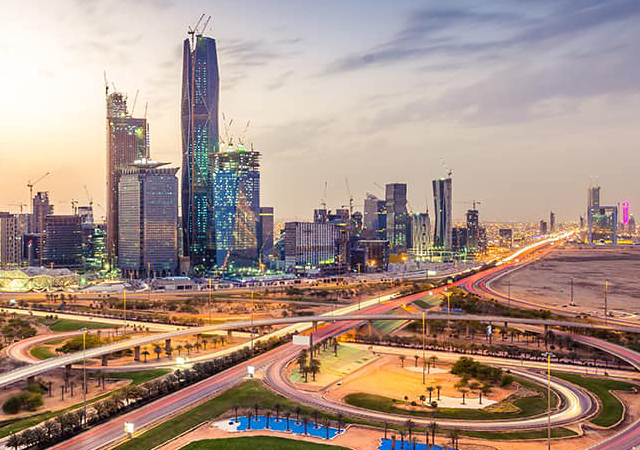
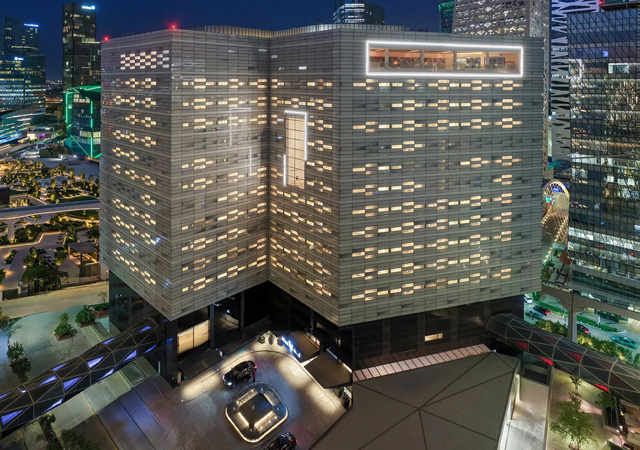
High-profile developments such as Dubai International Financial Centre (DIFC) and Abu Dhabi Global Market (ADGM) in the UAE, and King Abdullah Financial District in Saudi Arabia are setting new benchmarks for workplace quality and experience, reinforcing occupier expectations around performance, amenity and long-term value.
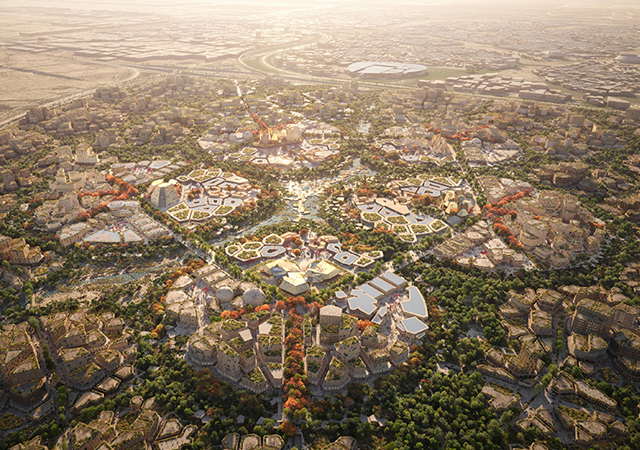
Saudi Arabia continues to anchor commercial activity. The re-sequencing of some giga programmes reflects market maturation rather than reduced momentum, with occupier demand becoming more targeted and quality-led, the report states. Greater emphasis is being placed on efficiency, long-term performance and workplace outcomes, while the kingdom’s Vision 2030 programme continues to drive investment as global occupiers increasingly localise operations.
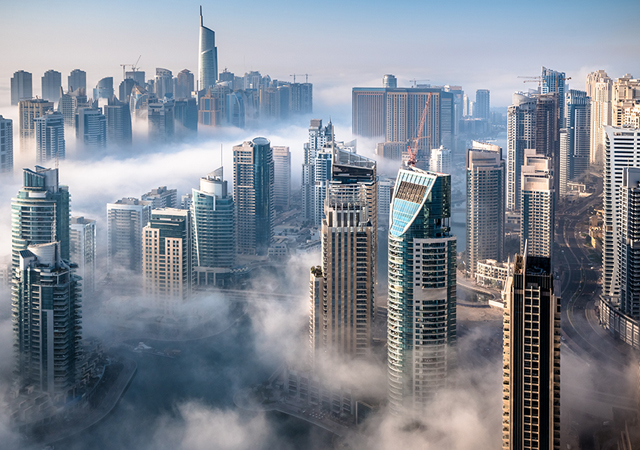
Demand for premium office space in the region has strengthened, supported by economic diversification, population growth and international investment.
Turner & Townsend’s Director and Corporate Occupier Lead for KSA Nadim Farah says: “In the Kingdom of Saudi Arabia, what we’re seeing is a structural shift. Many global clients are embedding their operations within the kingdom as part of Vision 2030. Even in somewhat uncertain conditions, occupiers continue to prioritise quality, with fit-outs focused on flexibility and long-term resilience.”
The company’s Head of Occupier & Portfolios, Middle East John Grant comments: “While current geopolitical events can’t be ignored, the long-term outlook for the Middle East remains highly attractive. In the interim, we have seen more cautious cost reassessments. However, disruption to decision-making and supply chains has remained limited and is widely viewed as temporary. The region has a strong track record of absorbing shocks and rebounding, with the broader outlook for commercial real estate remaining positive.”
This sits alongside broader global trends, where a combination of a rise in demand for premium, highly amenitised Grade A office space and a shortfall in supply has led to double-digit percentage increases in fit-out costs across major cities including Miami (US), Dublin (Ireland) and Bangalore (India).
As flexible working has become entrenched, the changing role of the office is a key driver of cost escalation with businesses investing in higher quality and sustainable workspaces designed to bring people together, support collaboration and enhance the employee experience.
At the same time, the growth of AI is transforming the global fit-out landscape. Organisations are designing workplaces that integrate technology into the fabric of office environments, enabling advanced functionality such as digitally connected services, smart climate control and intelligent lighting systems. These enhancements are increasing both the complexity and cost of fit-outs, particularly in leading global markets.
Across many of these markets, a shortage of Grade A space is compounding cost pressures, as fewer new developments and higher construction costs coincide with rising occupier expectations. This is contributing to what the report identifies as the ‘stay versus go’ conundrum, as businesses weigh up whether to relocate, refurbish existing offices or remain in place despite changing needs.
Key global findings from the report include:
• A combination of high demand, a limited pool of top-tier contractors, and limited inventory means New York has regained the top spot as the most expensive fit-out market globally, with average fit-out costs rising four per cent to $5,886 per sq m;
• London is the second most expensive market with high-specification fit-out costs sitting at $5,872 per sq m, despite costs falling one per cent, far higher than regional UK cities which have seen increases of up to 12 per cent;
• Dublin has experienced one of the sharpest increases globally, with costs rising 12 per cent to $3,878 per sq m;
• In the US, the pursuit of amenity-rich and AI-driven offices has resulted in San Francisco and Los Angeles ranking fourth and sixth globally, while Miami costs rose 11 per cent to $4,323 per sq m;
• Tokyo has entered the global top 10, with premium fit-out costs reaching $4,814 per sq m as demand outstrips supply;
• Hong Kong costs remain comparable with secondary markets, although premium client-facing spaces command significantly higher investment.