





Oman’s construction sector is undergoing one of its most intensive expansion phases, with a robust pipeline spanning transport, energy, real estate and industrial infrastructure.
Construction remains an important contributor to the national economy. The industry encompasses more than 60,000 projects and establishments, contributes RO2.76 billion ($7.18 billion) to GDP – equivalent to 8.38 per cent of the total – and employs more than 516,000 workers across the sultanate, according to figures presented at the 21st Oman Real Estate, Design & Build Exhibition and Conference wchi was held in Muscat last month (May).
The sultanate is pressing ahead with large-scale infrastructure, industrial and urban development programmes under Vision 2040, with activity concentrated around strategically sequenced projects tied to logistics, manufacturing, energy transition and tourism-led diversification.
According to industry sources, the construction market grew by 3.6 per cent in 2025 and could record annual average growth of around 4.3 per cent through 2029, supported by investment in manufacturing, renewable energy and tourism infrastructure and Vision 2040 projects.
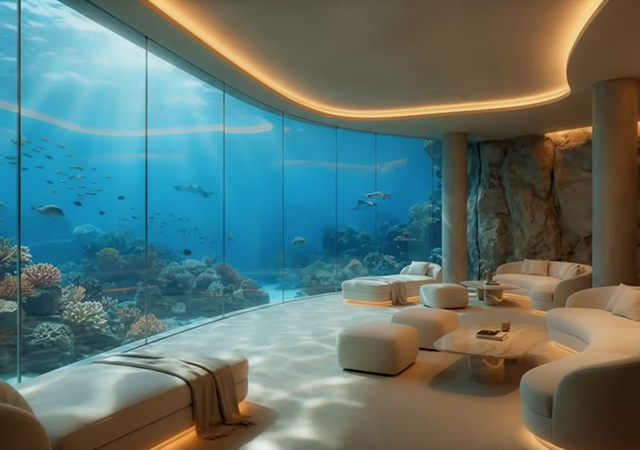
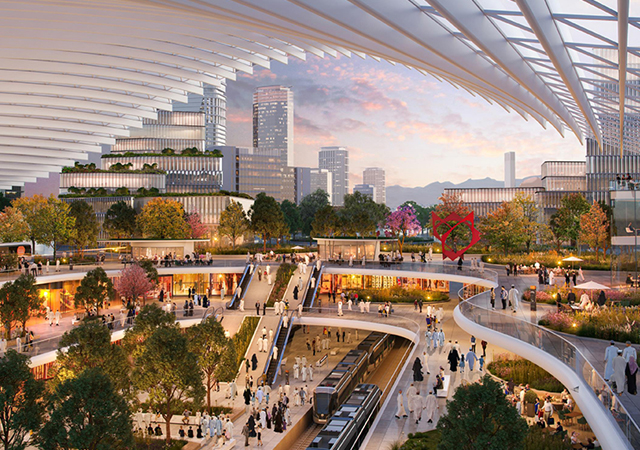
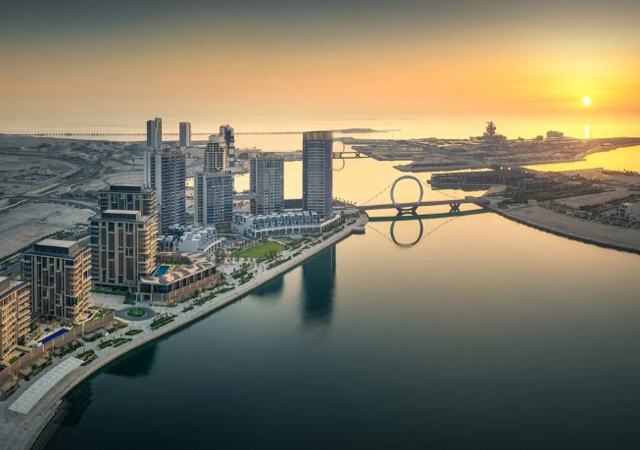
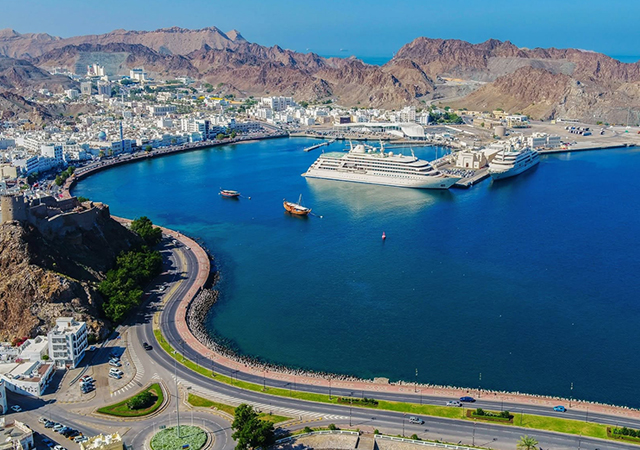
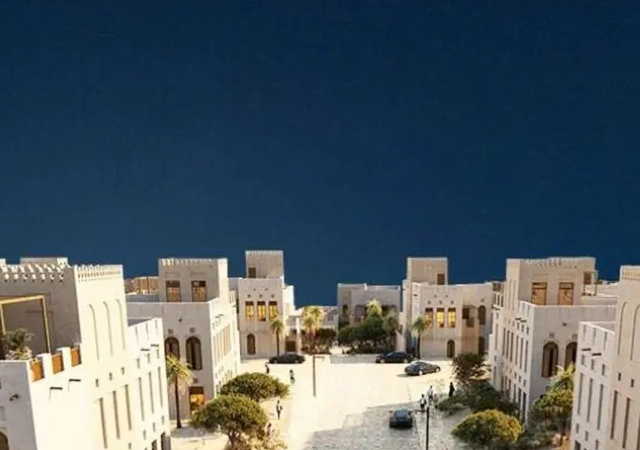
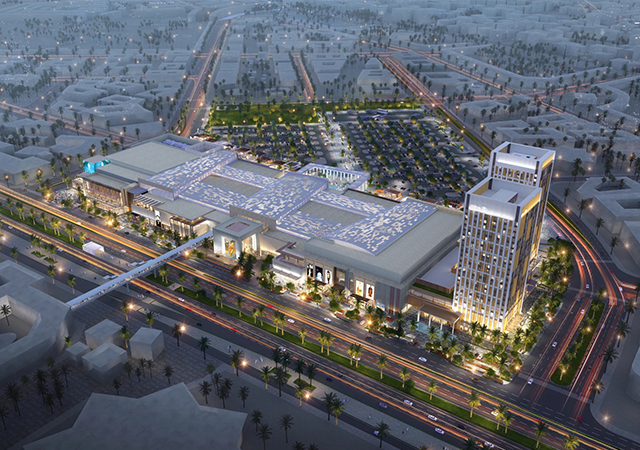
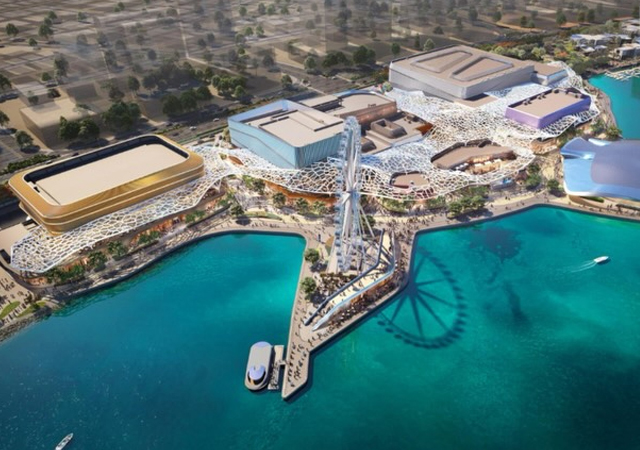
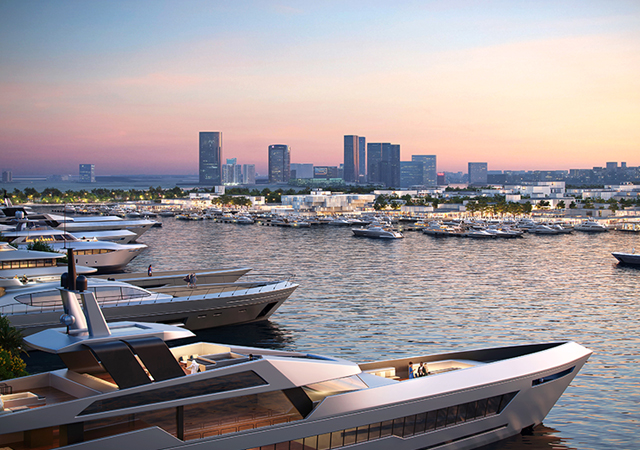
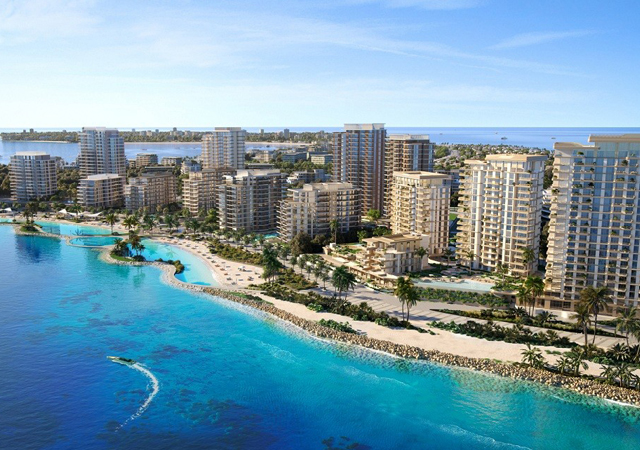
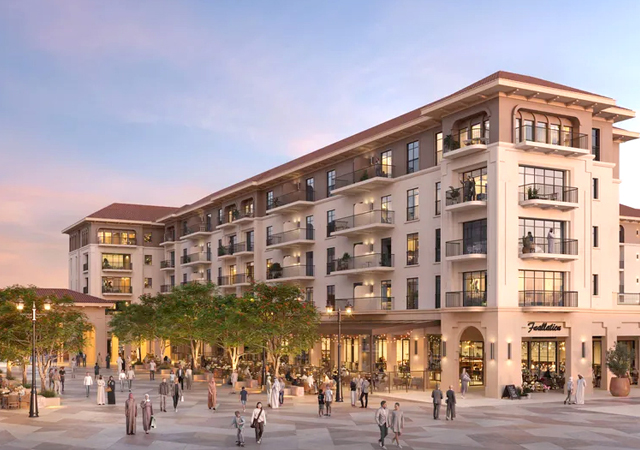
Muscat’s Marine, Arts & Digital District ... a 1.5-million-sq-m coastal destination by Dar Global and Art District Real Estate.
With a stable macroeconomic environment – the IMF projects real GDP growth of 2.9 per cent in 2025, accelerating to around four per cent in 2026, with inflation through 2025 below one per cent, among the lowest in globally – the sultanate is executing a sweeping construction agenda that cuts across every governorate and economic zone.
This growth is anchored by robust Vision 2040 spending and population-led housing demand. Public funding continues to dominate large projects, but public-private partnerships (PPPs) and foreign capital inflows are rising.
Underpinning the individual transport and housing projects is a sweeping metropolitan framework that sets the spatial logic for Oman’s capital through mid-century. Launched last month, the Greater Muscat Structural Plan covering a 1,360-sq-km metropolitan area targets a more compact, connected and climate-resilient capital by 2040, with carbon neutrality by 2050. Its pillars are concrete and measurable: 313,000 new housing units, 19 employment clusters supporting 890,000 jobs, a 55-km light rail transit system, Bus Rapid Transit infrastructure making public transport accessible to 80 per cent of residents within walking distance. The plan should create more opportunities in residential communities, transport-linked development, infrastructure upgrades, and climate-resilient urban works. It is significant because it turns Muscat’s growth into a more structured investment story rather than ad hoc expansion (see Page 20).
The scale of opportunity in the sultanate remains substantial. According to estimates provided by the organiser of Projects Oman, the country’s active and committed national construction project pipeline could exceed $120 billion through 2030, underlining the breadth of planned investments across transport, industry, utilities and urban development.
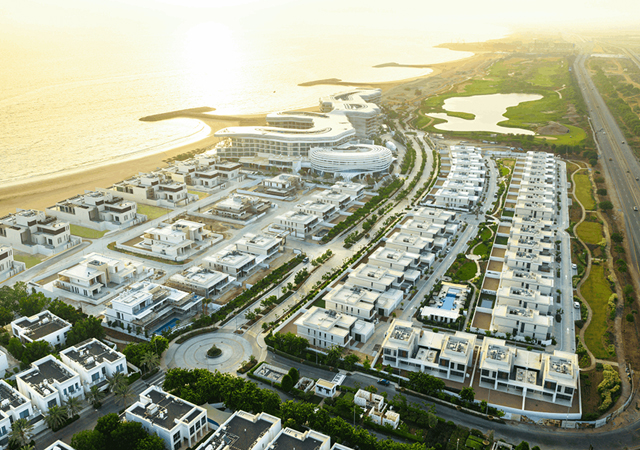
Al Mouj Muscat continues to expand.
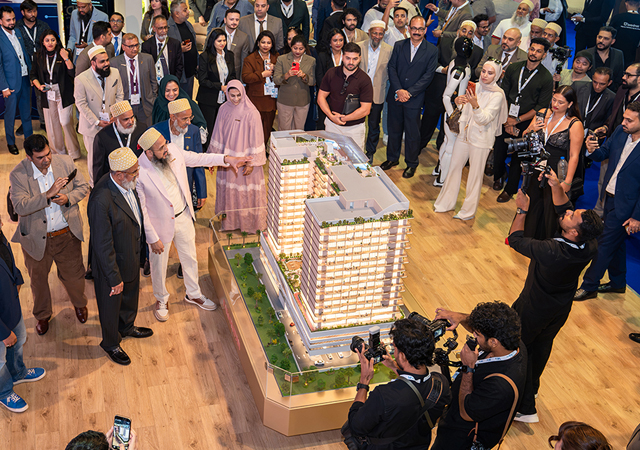
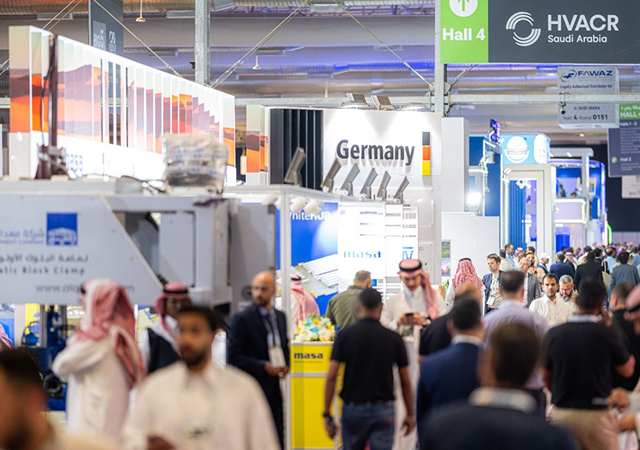
Mega projects, both in the real estate and industrial sectors, are drawing substantial foreign interest. The Ministry of Housing and Urban Planning (MOHUP) as well as the Omran Group have intensified their efforts to draw investment into their landmark projects, and the recent Oman Real Estate, Design and Build Exhibition and Conference showcased this interest.
The forum underscored the expanding economic footprint of Oman’s construction sector, highlighting value chains that extend from feasibility studies and project financing to technology integration, supply networks, management systems, and automation. It also showcased the outcomes of the National Local Content Lab for construction, which identified 48 investment opportunities across construction materials and systems, architectural and façade technologies, manufacturing, circular economy initiatives, and sustainability-focused projects. These opportunities are expected to attract investments ranging from RO1.022 billion to RO2.029 billion, signalling substantial scope for industrial diversification and domestic value creation.
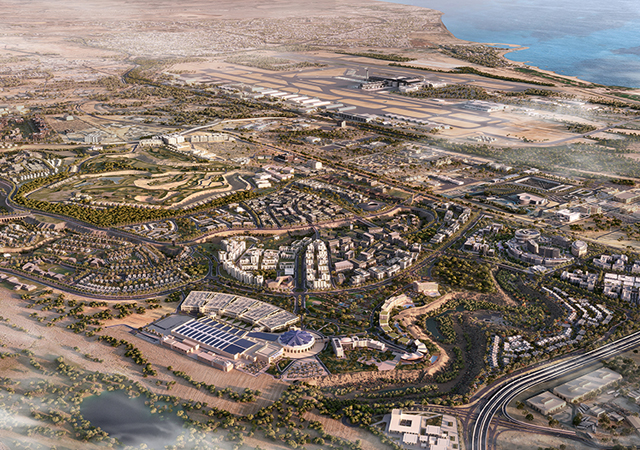
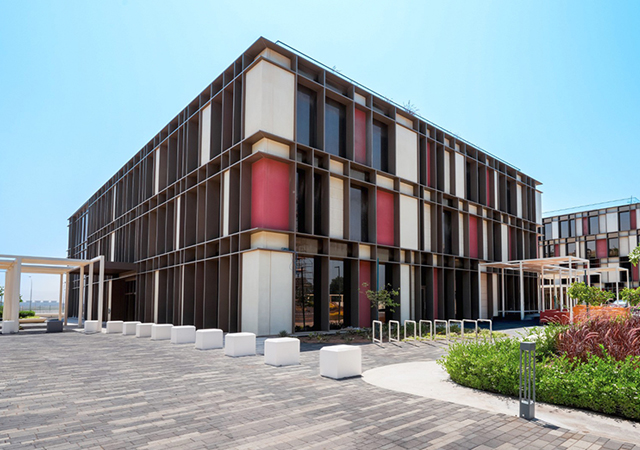
Phase Three of the Madinat Al Irfan Business Park has entered the construction supervision phase.
The event also highlighted the role of flagship developments in strengthening local participation. Within Sultan Haitham City, investments have reached approximately RO3 billion, while awarded contracts have surpassed RO305 million (see Regional News, Page 89). Similarly, the “Sorouh” programme, an initiative led by the Ministry of Housing and Urban Planning to create integrated residential neighbourhoods through public-private partnerships, has brought together 21 developers across more than 7.5 million sq m. The programme comprises 25 integrated residential developments valued at RO720 million. More than 150 SMEs are participating in the programme across supply chains and investment activities, reinforcing the construction sector’s wider contribution to Oman’s economic development agenda.
RAILWAY & ROADS
Transport infrastructure continues to play a central role in Oman’s development agenda, supporting ambitions to strengthen trade links and position the sultanate as a logistics hub connecting the Gulf, Asia and Africa. Investment priorities remain focused on roads, ports and strategic transport corridors designed to improve connectivity between industrial centres and emerging economic zones.
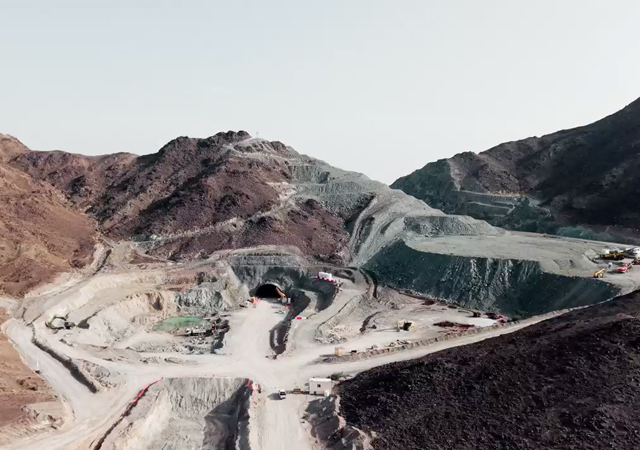
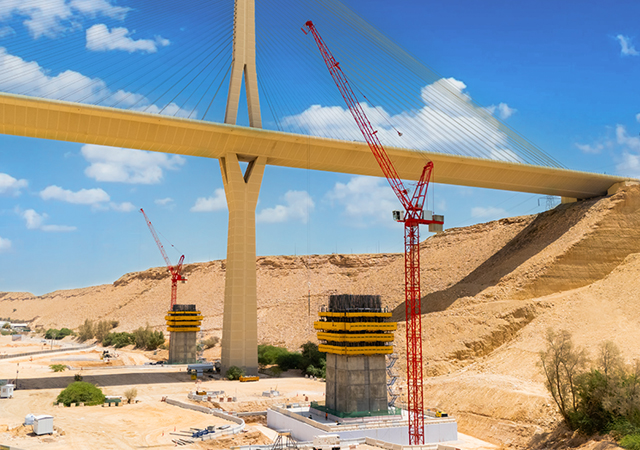
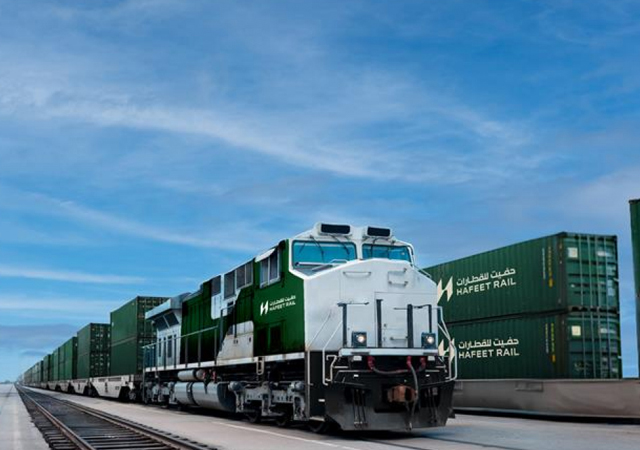
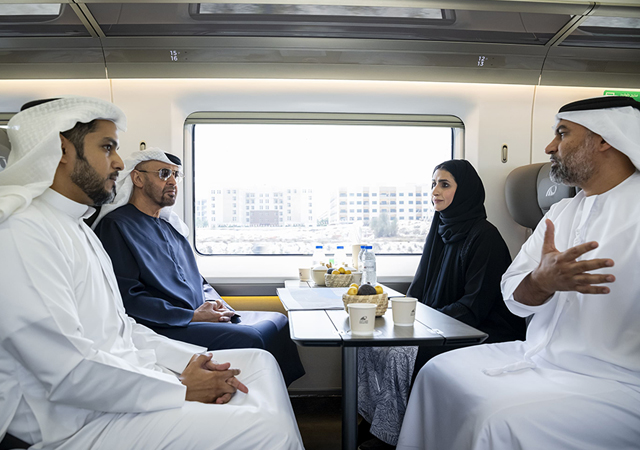
No single project better encapsulates Oman’s infrastructure ambitions than the Hafeet Rail corridor – a 238-km trans-national link connecting the sultanate to the UAE through the cities of Wadi Al Jizzi, Sohar, Al Buraimi and Al Ain. The project has seen rapid roll-out across a punishing terrain.
Hafeet Rail, a joint venture between Etihad Rail, Oman Rail and Abu Dhabi’s Mubadala Investment Company announced in April that construction had reached 40 per cent completion, a milestone that underscores the pace at which this landmark project is advancing.
The railway is ultimately designed to serve dual purposes: establishing freight corridors linking Omani ports and industrial zones to the UAE rail network, and laying the foundation for future passenger services connecting the two countries for tourism and business travel (see Page 18).
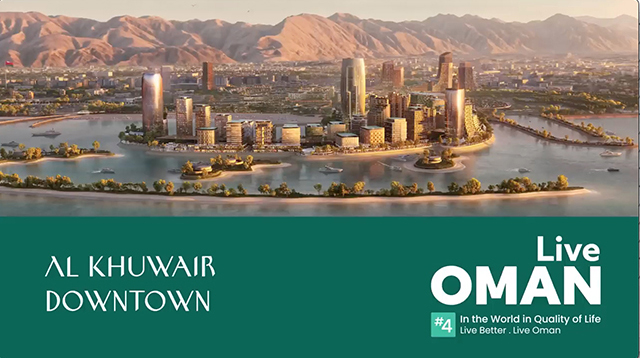
Al Khuwair Muscat Downtown and Waterfront project ... being developed by the MOHUP.
On the roads front, Oman continues to prioritise road infrastructure as a key enabler of economic diversification, regional connectivity and balanced urban development, with investments focused on strengthening links between major cities, industrial hubs, ports and emerging economic zones. The sector represents one of the sultanate’s largest infrastructure segments, with an active pipeline valued in the multi-billion-dollar range. Current programmes include around 60 strategic road projects spanning expressways, dual carriageways and connectivity upgrades designed to strengthen links between economic centres, ports and emerging development zones.
Alongside major transport corridors, authorities continue to invest in municipal road networks and urban mobility improvements to support growing residential and commercial developments. These projects increasingly incorporate broader sustainability objectives and seek to enhance access to industrial zones and future cities under long-term national planning frameworks.
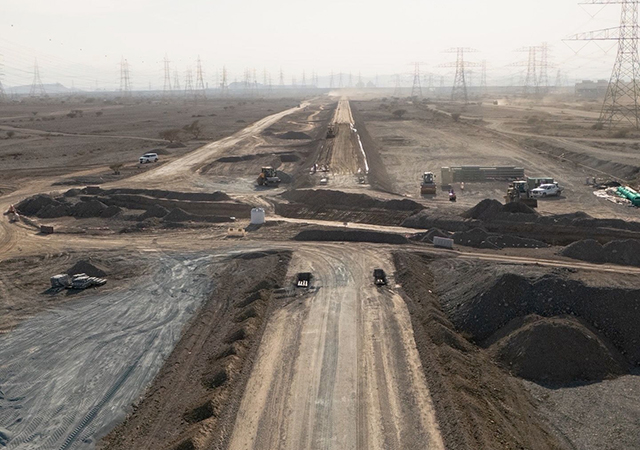
Work is in progress on the Hafeet Rail corridor, a 238-km trans-national link connecting the sultanate to the UAE.
In March for instance, Oman’s Ministry of Transport, Communications and Information Technology awarded two major contracts totalling nearly half a billion dollars. These cover the Muscat Expressway expansion, at $409 million, which encompasses the upgrade of two major roundabouts into signallised intersections, the construction of independent two-lane flyovers at Al Khoudh Sixth, and the widening of the corridor from Seih Al-Maleh to Halban Interchange. The second contract, for the Ibra Road dualisation at $75.7 million, targets connectivity between interior wilayats.
POWER & WATER
Oman’s power sector is undergoing structural transformation, with long-term power purchase agreements being extended and new technologies being deployed that would have been absent in the sultanate’s energy mix just five years ago. The sector continued to advance a dual strategy of reinforcing conventional generation capacity while accelerating its transition toward cleaner and more diversified energy sources.
Nama Power and Water Procurement Company sealed new 15-year agreements in April with three independent power producers – Phoenix Power, Al Batinah Power and Al Suwadi Power – for approximately 3,500 MW of generation capacity, ensuring continuity of supply through 2044.
Parallel grid expansion efforts also progressed, with Oman Electricity Transmission Company (OETC) inviting bids for the new Sadaf 400 kV grid station project to support future network requirements.
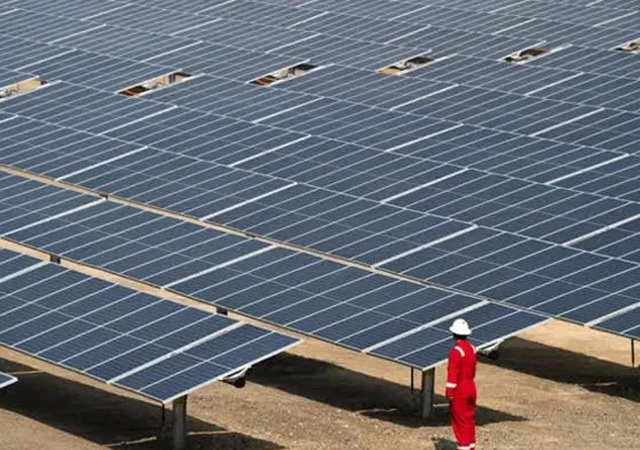
At the same time, the sultanate is expanding its renewable energy pipeline through utility-scale solar, wind and emerging waste-to-energy projects. The $300-million Ibri III Solar IPP reached financial close as Oman’s first utility-scale solar and battery storage project, combining a 500 MW photovoltaic plant with a 100 MWh battery energy storage system. The project is expected to power approximately 33,000 homes while cutting carbon dioxide emissions by 505,000 tonnes per year.
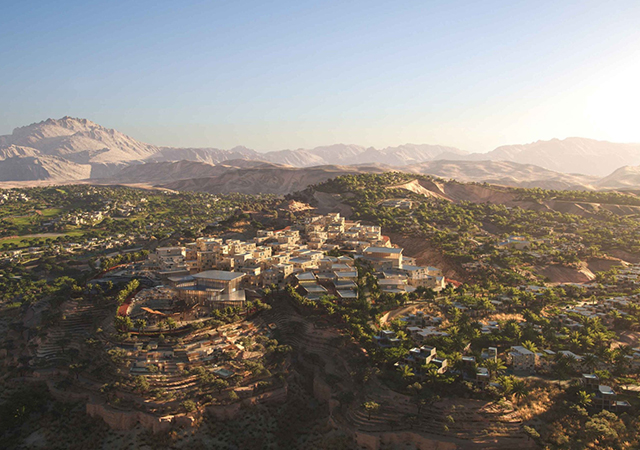
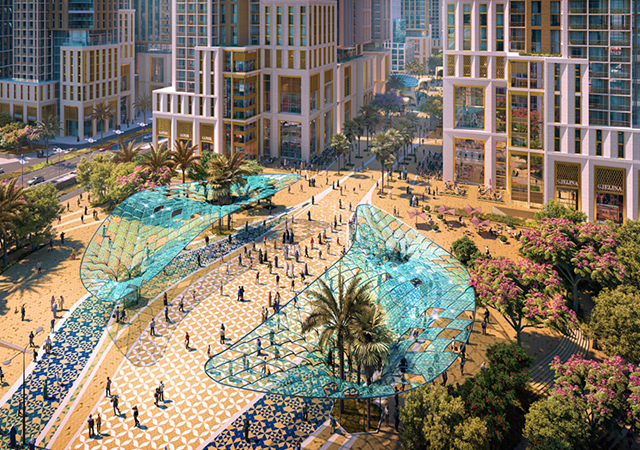
Al Thuraya City ... located on a mountain plateau near the Muscat Expressway in the Wilayat of Bausher.
The sector also saw the launch of qualification bids for the country’s inaugural 95–100 MW waste-to-energy project in Barka and the start of construction on the 200 MW Riyah Wind Power Project – supplying green electricity directly to Petroleum Development Oman – underscoring Oman’s broader push to diversify its energy mix, support decarbonisation targets and align with Oman Vision 2040 objectives.
The Barka WtE plant is targeted to launch commercial operations in the second quarter of 2031. The project is earmarked to generate approximately 760 gigawatt hours of renewable baseload energy annually, reducing landfill volumes while strengthening grid stability as variable solar and wind capacity expands.
Meanwhile, long-term utility agreements, including Sembcorp’s renewed Salalah power and water contract, reinforced continued investment confidence in the sector.
Industrial construction
Oman’s industrial landscape is undergoing a significant transformation, characterised by a shift toward high-value downstream chemicals and large-scale green metallurgy. Current investment is concentrated within specialised industrial zones in a bid to achieve manufacturing self-sufficiency and low-carbon production.
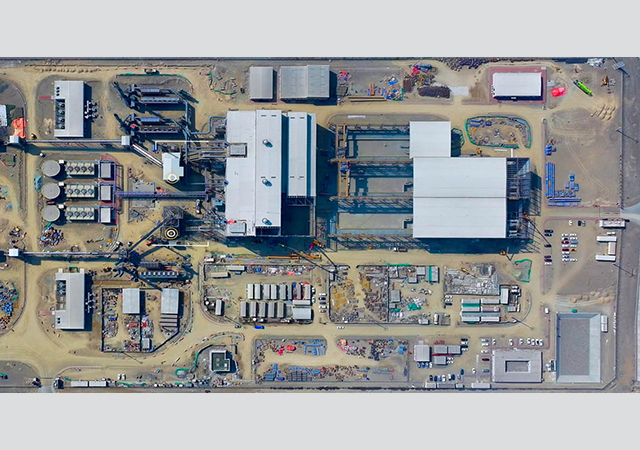
Duqm Special Economic Zone is cementing its status as Oman’s industrial frontier. Here a $3-billion low-carbon steel project is now being developed by Jindal Steel, which represents one of the region’s largest green industrial investments. Work is currently in progress on equipment installation. The plant – built around two direct reduced iron units capable of producing 2.5 million tonnes per year each – is targeted for first-phase operations in early 2027, using Energiron technology which replaces traditional coal-based reduction with gas or hydrogen-ready direct reduced iron (DRI) plants.
The Omani government has embarked upon a multi-year roadmap to modernise the sultanate’s industrial base. In line with this, the Public Establishment for Industrial Estates (Madayn) has unveiled a $637-million development plan spanning 2026 to 2030 that covers 90 strategic projects focused on comprehensive infrastructure upgrades and the expansion of industrial cities. Key focus areas include the rehabilitation of Suhar and Al Wadi Al Kabir, the first-phase infrastructure of Al Suwaiq, and significant residential and commercial expansions in Nizwa and Al Rusayl to support the growing industrial workforce.
Oman is also actively strengthening its downstream chemical capabilities to support broader industrial growth. In Sur Industrial City, a major expansion of the Al Ghaith Chemical Industries complex is currently under way. Executed by Nuberg EPC, this project includes the construction of a 120-tonne-per-day chlor-alkali plant and an 80-tonne-per-day calcium chloride plant. Upon completion in the first half of 2027, the facility will reach a total capacity of 190 tonnes per day, representing the first large-scale expansion of its kind in the sultanate and providing essential raw materials for the regional market.
Real Estate
Oman’s real estate sector continued to gain momentum, supported by large-scale urban developments, integrated tourism destinations and rising private-sector participation. Activity during the year reflected a shift toward masterplanned mixed-use communities and lifestyle-led projects, with significant investments concentrated around flagship developments and the government’s wider urban transformation agenda. The sector’s growth has been underpinned by the Ministry of Housing and Urban Planning’s strategy of attracting regional and international developers while advancing sustainable urbanisation objectives aligned with Oman Vision 2040.
The epicentre of the residential construction surge is Sultan Haitham City, Oman’s most ambitious urban development. Investments in the city have now reached approximately RO3 billion, with awarded tenders exceeding RO305 million and a 75 per cent local procurement rate achieved – meaning three quarters of all spending flows back into the domestic economy.
Fresh commitments announced in early 2026 underline the international confidence the project commands. Saudi-based Retal Urban Development signed an $800-million agreement to develop three neighbourhoods spanning 1.39 million sq m, while local developer Al Adrak Group committed RO185 million for a mixed-use project covering approximately 460,000 sq m.
Construction momentum also strengthened with the launch of projects by Al Ahly Sabbour Developments, including laying the stone for Wadi Zaha, the first of its three integrated developments within the city – reinforcing Sultan Haitham City’s position as a focal point of Oman’s Future Cities Programme and one of the country’s largest urban development initiatives.
Among major Ministry of Housing and Urban Planning is the new Smart City in Salalah. The ministry is expected to award the tender for consultancy services contract for detailed engineering design for the city in the third quarter of 2026. The planned city is envisioned as an integrated coastal urban development incorporating smart systems and intelligent mobility infrastructure; pedestrian-friendly streets; public parks, beaches and waterfront promenades; hospitality destinations and integrated tourism complexes (ITCs) and climate-resilient urban design.
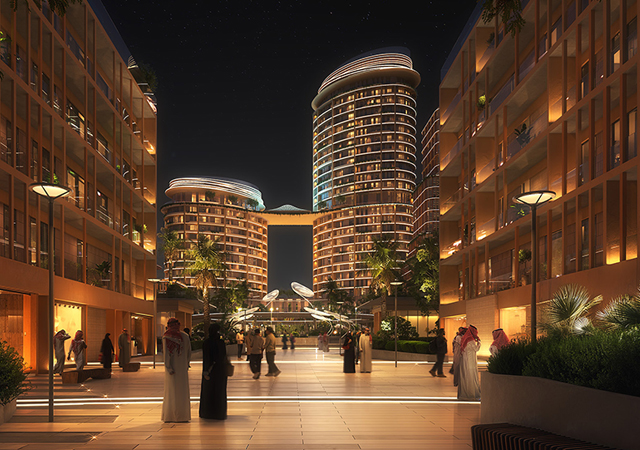
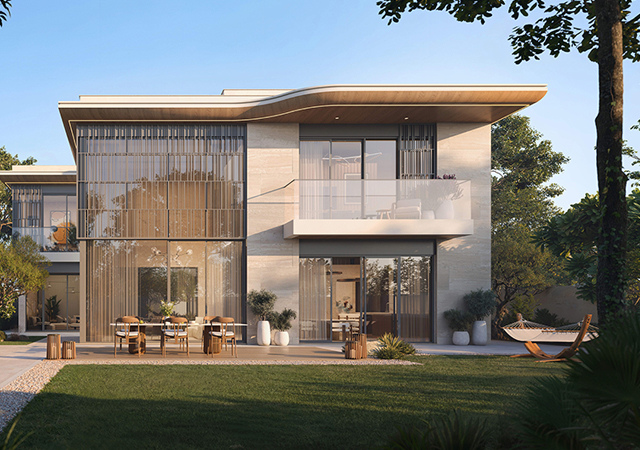
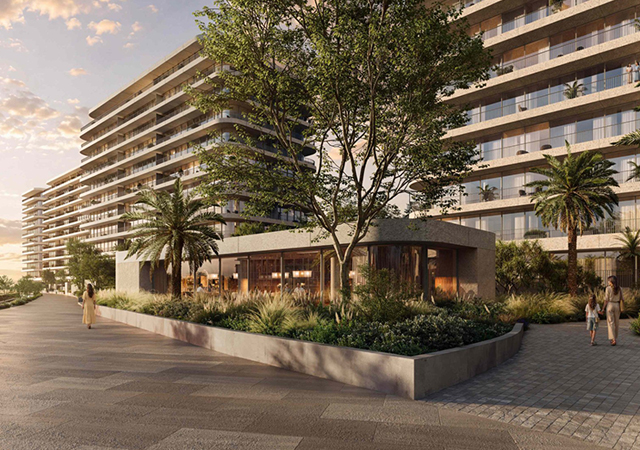
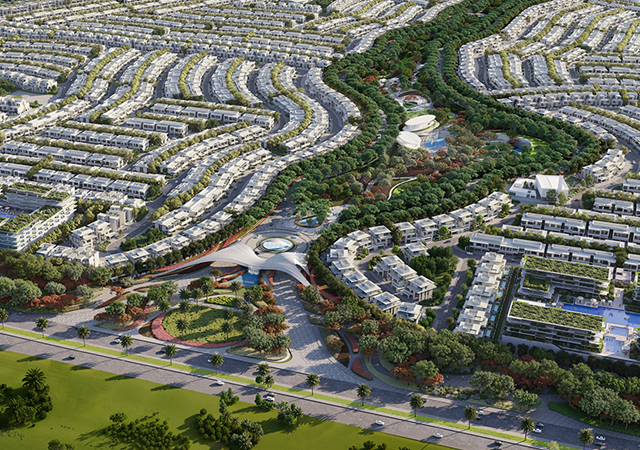
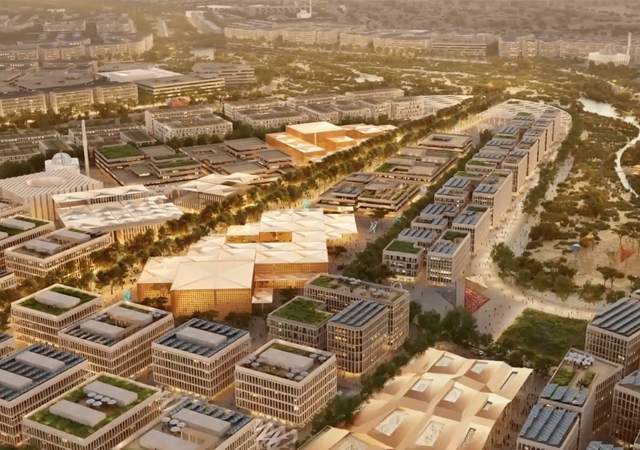
Other key MOHUP projects include Al Thuraya City, a sustainable high-end residential development accommodating over 8,000 residents; and the $1.3 billion Al Khuwair Muscat Downtown and Waterfront project which is currently in phased development.
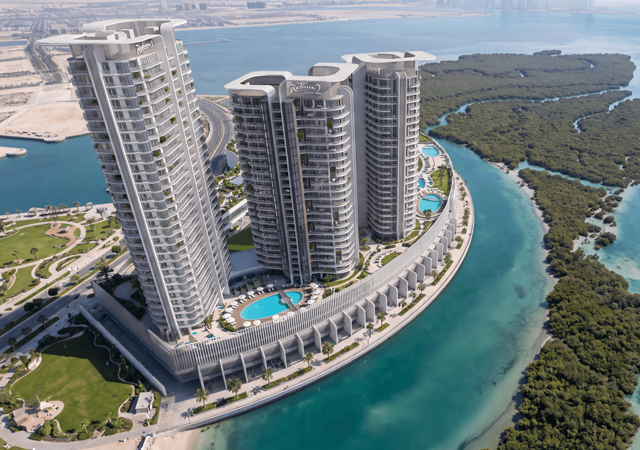
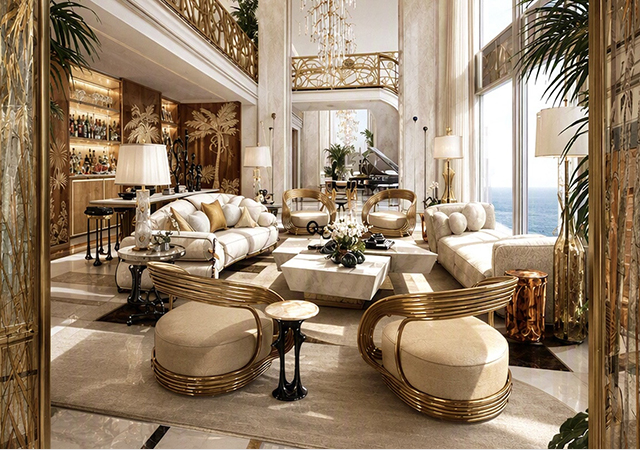
The upscale end of Muscat’s residential market is equally active. Al Mouj Muscat launched the final two phases of its Azura Beach Residences – 570 premium apartments and 41 four-bedroom duplex chalets – following a sell-out of earlier phases, while Dar Global and Art District Real Estate announced the Muscat Marine, Art & Digital District: a 1.5-million-sq-m coastal destination with a gross development value of RO1.6 billion to be delivered over 12 years.
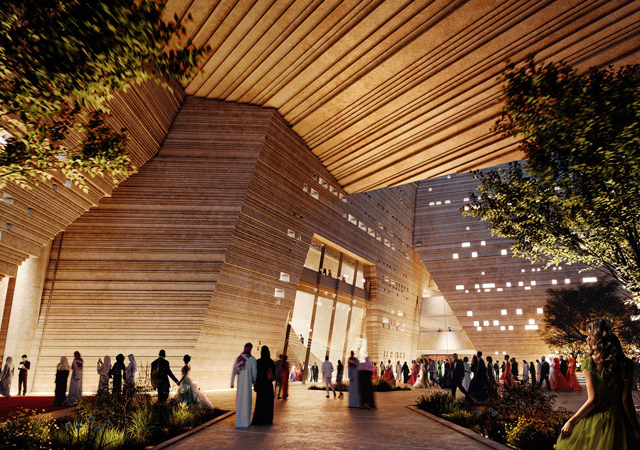
Among the most significant recent announcements, the Muscat Marine, Art & Digital District development is planned as a large-scale waterfront destination that aims to integrate residential districts, marinas, cultural attractions and commercial facilities into a new coastal urban hub.
Dar Global in partnership with Omran Group is also spearheading the AIDA project which spans 3.5 million sq m, which integrates luxury golf, residential and hospitality offerings, including mansions, limited-edition villas and premium apartments. Work is under way on the Great Escape apartments and Phase 1 villas which are targeted for handover by the end of 2026.
Oman’s real estate transformation has also been supported by policy reforms that progressively opened the property market to foreign buyers, liberalising its investment framework to support construction and real estate growth. In April 2025, Royal Decree 38/2025 introduced a new regulatory framework for Special Economic Zones and Free Zones, permitting full foreign ownership for developers and investors within designated zones. The move complemented earlier foreign ownership reforms tied to ITCs and reflected Muscat’s broader strategy of attracting international capital into large-scale urban, industrial and tourism developments.
The impact is increasingly visible across Oman’s development landscape. Foreign ownership provisions have helped drive demand for large mixed-use and tourism-led projects such as Al Mouj Muscat, Muscat Hills and emerging integrated communities, while encouraging developers to launch more freehold and branded residential schemes targeting international buyers.
The policy shift has also reinforced the growth of ITCs as a preferred development model and supported billions of dollars in new investment commitments tied to tourism, lifestyle and masterplanned urban projects. Recent government-backed expansion plans indicate thousands of additional residential units are being created within ITC developments, underscoring the growing role of overseas demand in shaping Oman’s construction pipeline.
ITCs continue to dominate the high-end freehold market, with a clear trend toward branded luxury and waterfront living. For instance, LEO Developments launched Vistal at Al Mouj Muscat. Additionally, Al Osool introduced Golf Hills in Al Irfan City, a three-tower freehold project overlooking Muscat Hills.
New ITCs are also planned for Bausher at an investment of $596 million and Salalah at $208 million, the latter featuring a large yacht marina. Regional development is further bolstered by the ground-breaking of the Al Ashkhara Waterfront project, which aims to boost tourism and economic activity in South Sharqiyah through a mix of public and commercial leisure facilities.
Tourism & wellness destinations
OMRAN Group – which was set up over two decades ago to drive the long-term growth of the Oman’s tourism sector and unlock the nation’s potential as a leading global destination – is spearheading a portfolio of landmark developments that embody its vision for creating innovative destinations. Among them are several strategic developments, including Madinat Al Irfan, The Sustainable City – Yiti, Four Seasons Resort and Private Residences Muscat, Port Sultan Qaboos Waterfront, and Club Med Musandam Resort, which were all promoted at the recent real estate exhibition and conference.
Projects across Muscat, Salalah and mountain destinations are increasingly blending hospitality, residential and leisure elements into large mixed-use ecosystems.
The tourism sector is also increasingly moving beyond traditional hospitality models toward experiential and eco-tourism concepts.
New projects under development include wellness villages, mountain communities and nature-based destinations. The proposed Jabal Al Akhdar wellness village, valued at approximately RO200 million, will combine hospitality and residential elements focused on health and sustainable living.
Musstir, the development arm of the Mohammed Al Barwani Group, is developing a $520-million wellness village at Jabal Al Akhdar, featuring 360 residential units and a specialised health resort. Simultaneously, Omran is seeking contractors for the Ras Al Shajar eco-tourism project and the Majlis Al Jinn Cave development to enhance adventure tourism.
Sustainability remains a core theme with The Sustainable City-Yiti launching The Arc, a collection of 132 luxury serviced residences within its net-zero emissions community.
Meanwhile, Omran Group continues advancing eco-tourism projects such as Ras Al Shajar and Janaen Salalah, reflecting broader efforts to diversify tourism products and encourage regional development.