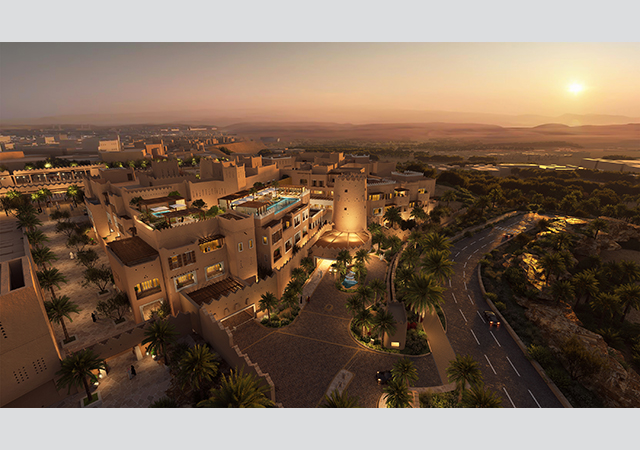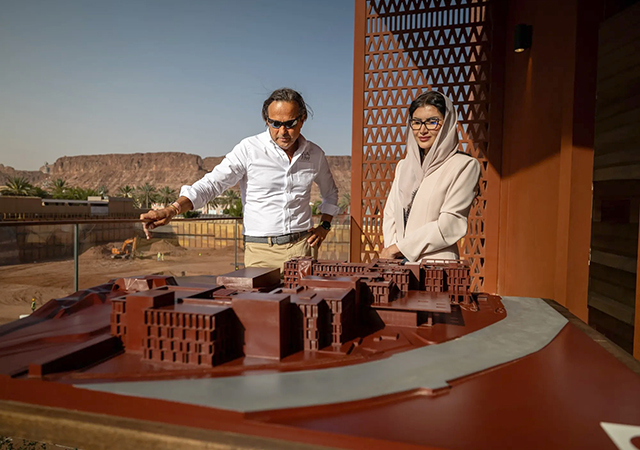




The SAR236 billion ($63.2 billion) transformation of Diriyah – the birthplace of the Saudi state – is advancing from foundational infrastructure and masterplanning into full-scale delivery of mixed-use districts, landmark assets, and market-ready residential communities.
Launched in 2018 under Saudi Vision 2030 and championed by HRH Crown Prince Mohammed bin Salman, the development will integrate cultural destinations, luxury hospitality, high-end residences, retail precincts, educational facilities, mosques, parks, sports venues, and world-class infrastructure.
Spanning 14 sq km and located just 15 minutes northwest of central Riyadh, Diriyah is expected to accommodate approximately 100,000 residents and attract up to 50 million visitors annually by 2030.
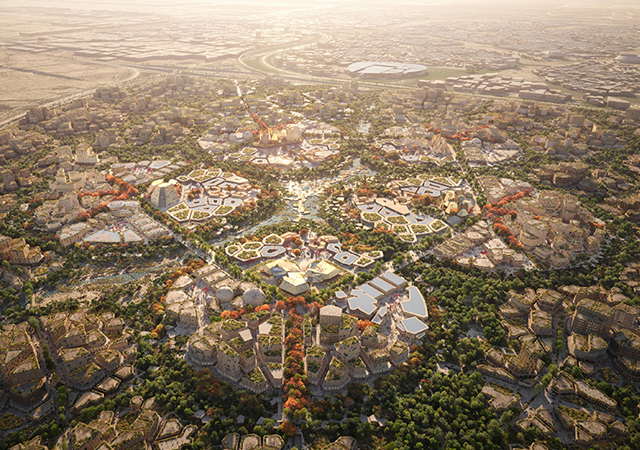
Anchored around the UNESCO World Heritage Site of At-Turaif District, the historic mud-brick city – branded ‘The City of Earth’ – is emerging as one of the kingdom’s most ambitious cultural and urban regeneration projects, blending heritage preservation with large-scale modern infrastructure, hospitality, and residential components.
Diriyah is positioned as one of Saudi Arabia’s five flagship giga‑projects, operated by Diriyah Company, a Public Investment Fund (PIF)‑backed developer. The masterplan includes new residential, retail, hospitality, office, cultural, and leisure districts, all designed to be 100 per cent walkable and embedded in the Najdi architectural tradition.
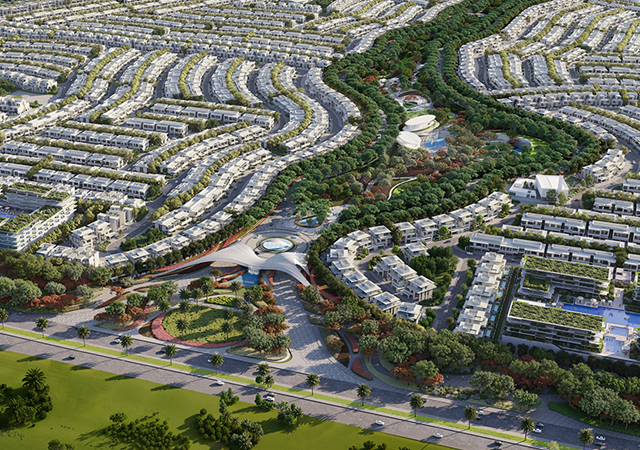
The Diriyah programme is structured in two primary masterplans: the 14-sq-km Diriyah Gate development surrounding At-Turaif, and the Wadi Safar development located approximately 11 km to the south, envisioned as the world’s largest luxury gated residential community. Both masterplans are under active construction simultaneously, with multiple phases and packages progressing across the respective sites.
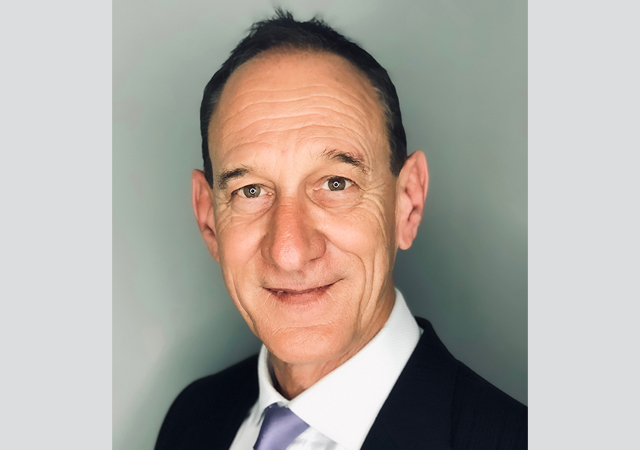
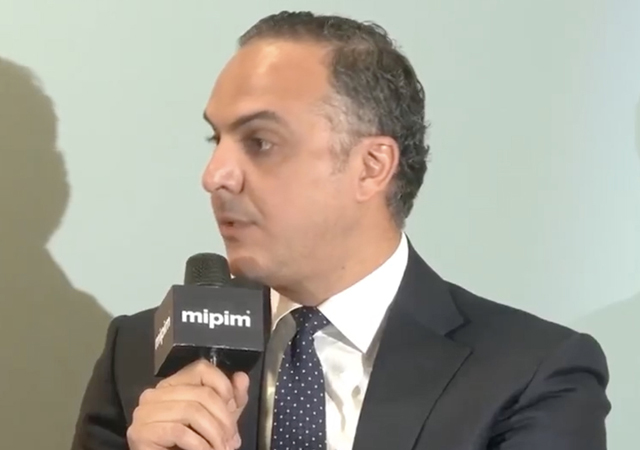
At MIPIM 2026, held in Cannes in March this year, Mohamed Saad, President of DevCo (Diriyah Development Company), a subsidiary of the Diriyah Company. announced that construction contracts exceeding SAR120 billion ($32 billion) have been awarded across the scheme, signalling that the bulk of the superstructure and envelope programme is now under contract. He also stated that residential units are set to be handed over to owners starting in early October 2026, indicating that several communities are now in the later stages of fit‑out and commissioning.
The awarding of more than SAR120 billion in construction contracts underscores both the breadth of the project and the confidence of international and regional contractors in its execution framework. These contracts span infrastructure works, superstructure development, hospitality assets, residential districts, and public realm components.
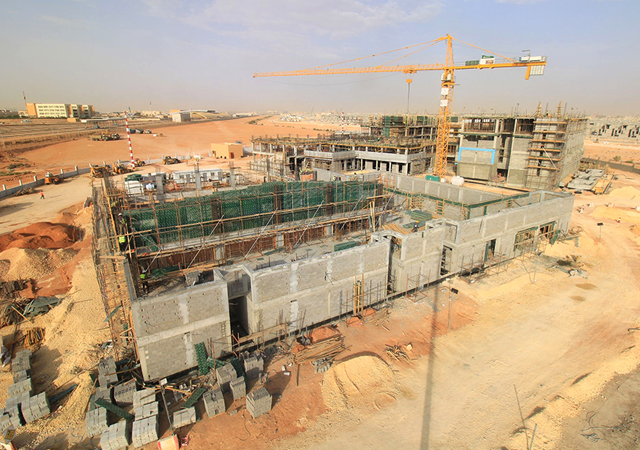
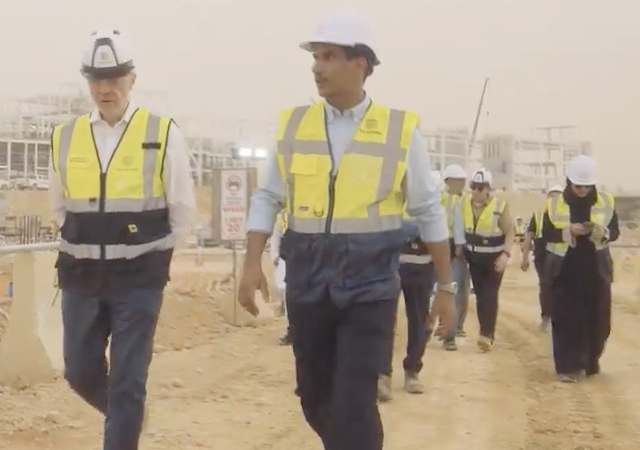
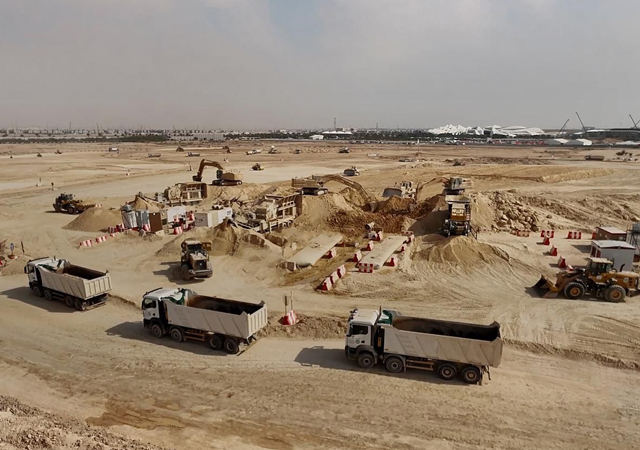
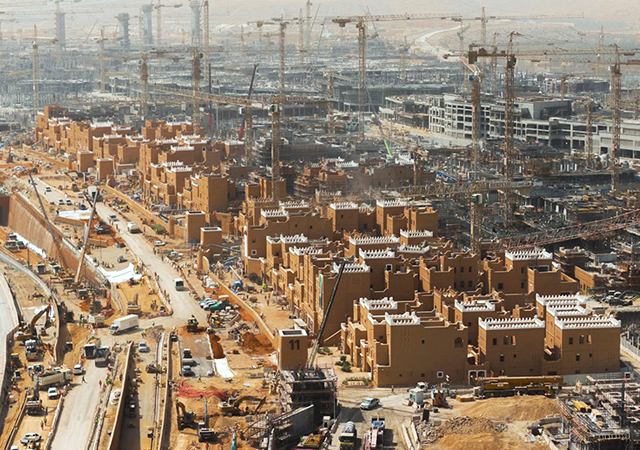
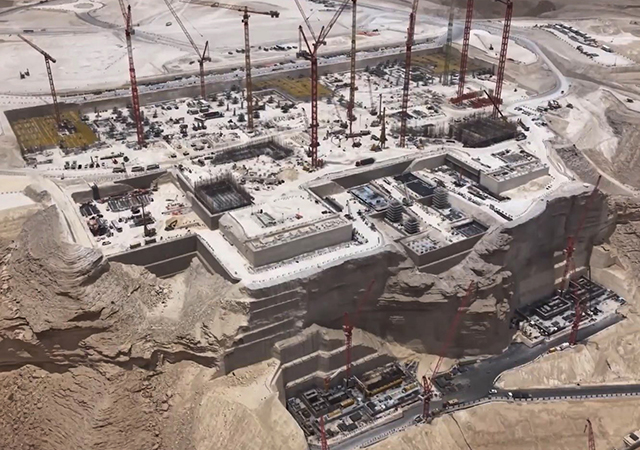
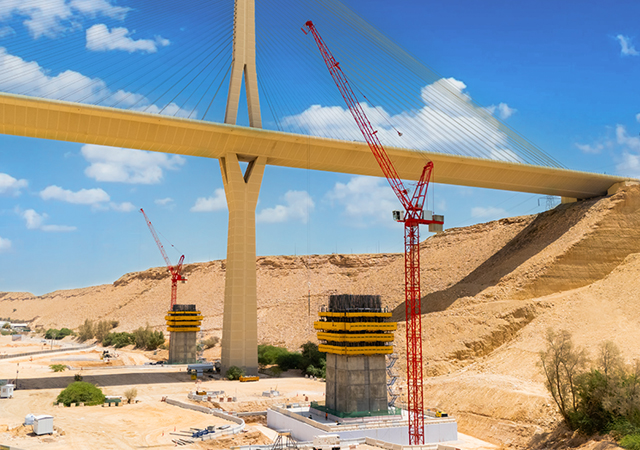
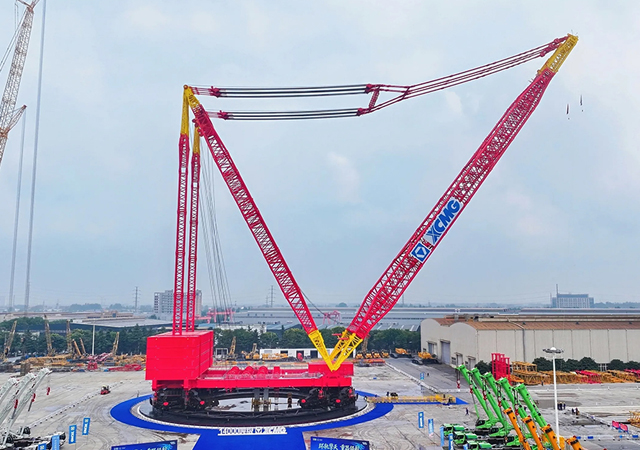
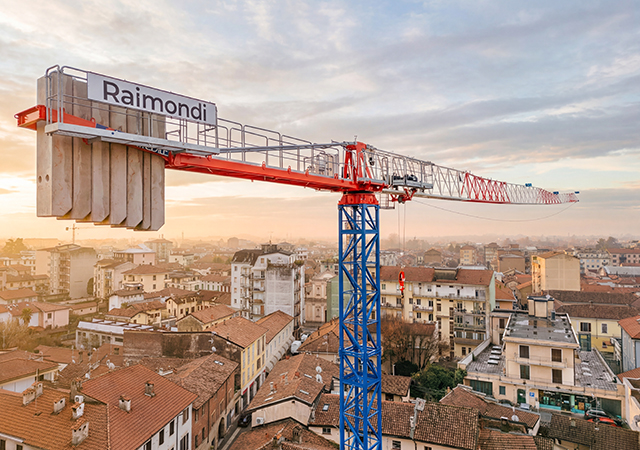
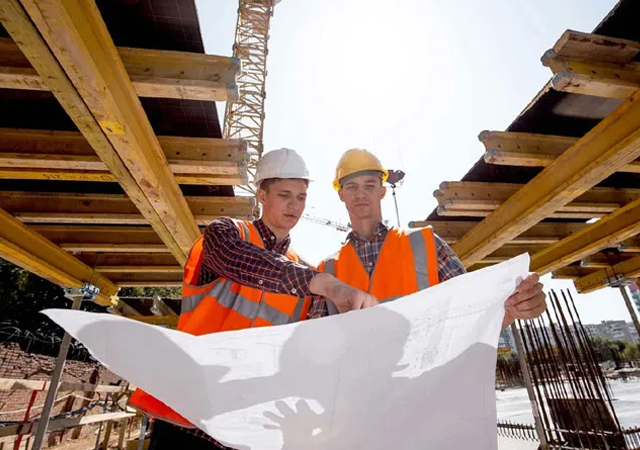
The project has entered its peak construction phase, with more than 63,000 workers active across the sites daily and more than 90 tower cranes in simultaneous operation. This workforce is supported by a sophisticated logistics network designed to manage construction without disrupting the operational areas of At-Turaif and Bujairi Terrace.
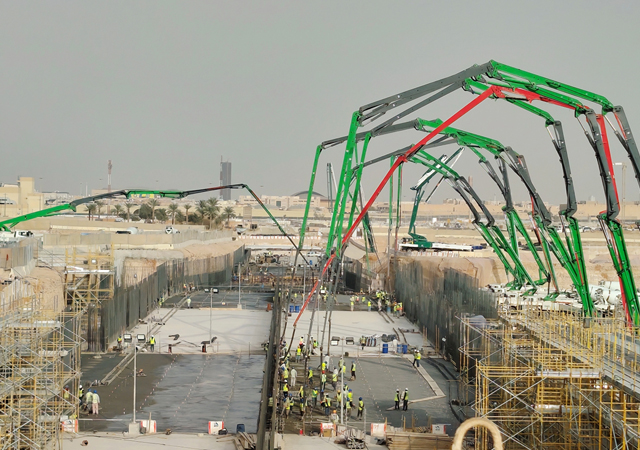 Diriyah marked a construction milestone with the completion of pouring of 7,193 cu m of concrete within 15.5 hours for the Gyratory Tunnel Extension in the second development phase of the masterplan.
The historic At-Turaif District – the ruins of the original first Saudi capital, abandoned after an Ottoman siege in 1818 – was restored and opened as a publicly accessible museum experience in December 2022. It has since become the symbolic heart of the entire development and, alongside Bujairi Terrace, has attracted more than 3.6 million cumulative visits by mid-2025. Bujairi Terrace is a premium dining destination housing more than 20 global and local restaurants and cafes, all with uninterrupted views across the heritage site.
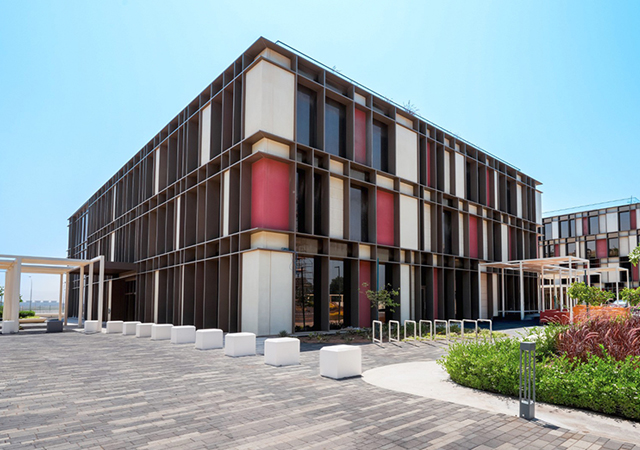
Other completed assets include Diriyah’s first operational hotel, Bab Samhan – a Marriott Luxury Collection property with 134 keys – which opened in December 2024; Zallal, Diriyah Company’s first major commercial office-and-retail project in the Bujairi District, which was completed in the first half of 2025.
Work is now in progress on a number of Diriyah’s key components including the historic core conservation, new mixed‑use districts, Grand Avenue and associated landmarks, the Media and Innovation District, Qurain Cultural District including Jabal Al Qurain Avenue, infrastructure and utilities, and residential delivery.
Grand Avenue and its landmark projects
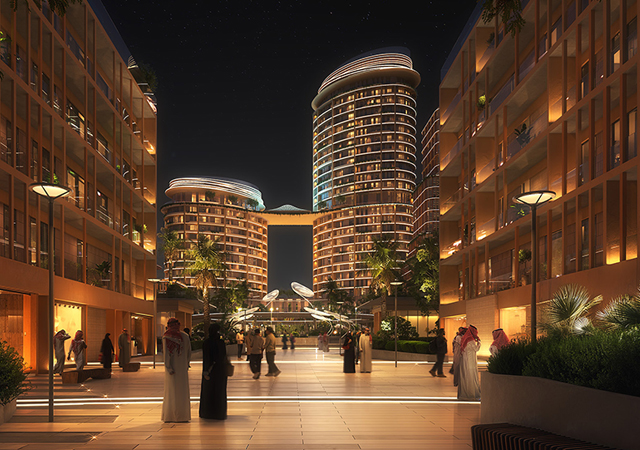
Announced in detail at MIPIM 2026, Grand Avenue is a 1.9-km central artery within the Diriyah masterplan being developed as a curated lifestyle and entertainment district, bundling high‑end retail, F&B, offices, hotels, and residences into a continuous, pedestrian‑oriented streetscape. Framed by iconic landmarks including the Grand Mosque, the Royal Diriyah Opera House, and the Diriyah Arena, the avenue reflects a destination designed for connection, scale, and long-term investment value.
The mega project features 85,000 sq m of retail and food-and-beverage gross leasable area in addition to 2,400 luxury residences, six top hotels offering 1,300 keys, 12,000 parking spaces, and seven iconic landmarks integrated across the development.
The project is positioned as a high-density mixed-use destination intended to boost Diriyah’s role as Saudi Arabia’s premier historical, cultural and lifestyle district.
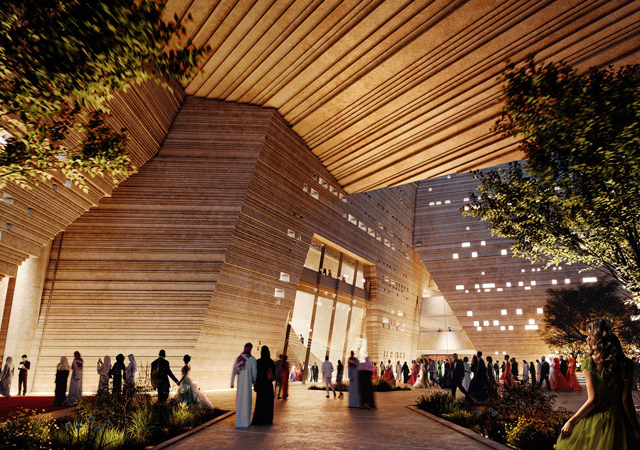
Designed by X Architects, the Grand Mosque is one of the most symbolically significant structures on the Grand Avenue frontage. Set at the intersection of Diriyah Gate’s main boulevard and Wadi Hanifah, the mosque with a gross floor area of 12,300 sq m occupies a 21,690-sq-m plot and accommodates 11,400 worshippers, with 5,240 indoors and 6,160 in outdoor prayer areas, including a large plaza that can be used for Eid, Ramadan, and major cultural events (see Gulf Construction, April 2026, Green Buildings feature).
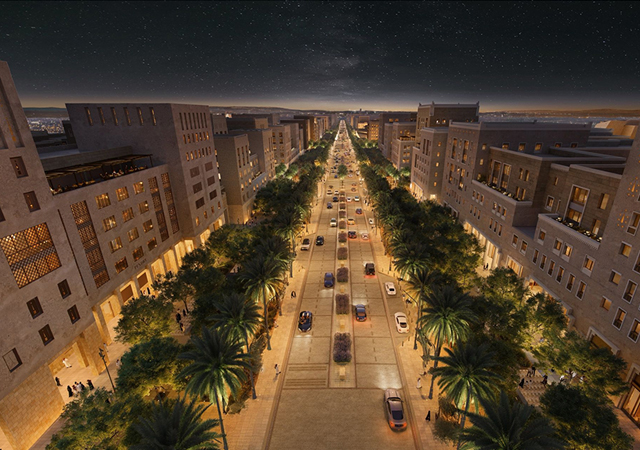 Grand Avenue is a 1.9-km central artery within the Diriyah masterplan being developed as a curated lifestyle and entertainment district.
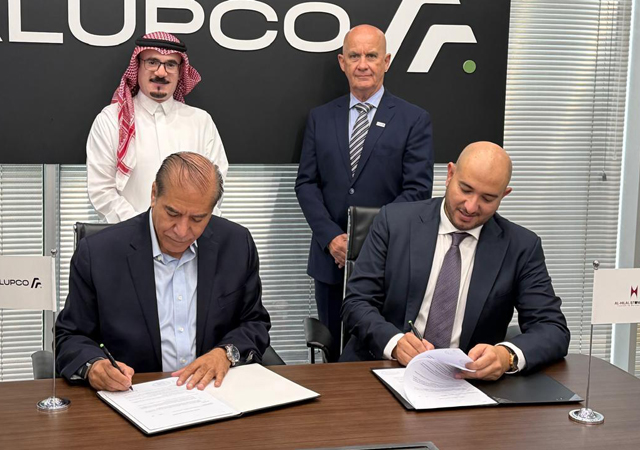
A contract worth SAR917 million was awarded in October 2025 to a joint venture between Al‑Majal El‑Arabi Group and MAN Enterprise Al‑Saudia, and by March this year the project had reached more than 21 per cent physical completion, with site level works and early superstructure under way.
The mosque is being integrated into Diriyah’s smart‑city systems, with real‑time monitoring of water, energy, LEED‑style performance, fire and life‑safety, and security via the central Diriyah Operations Centre.
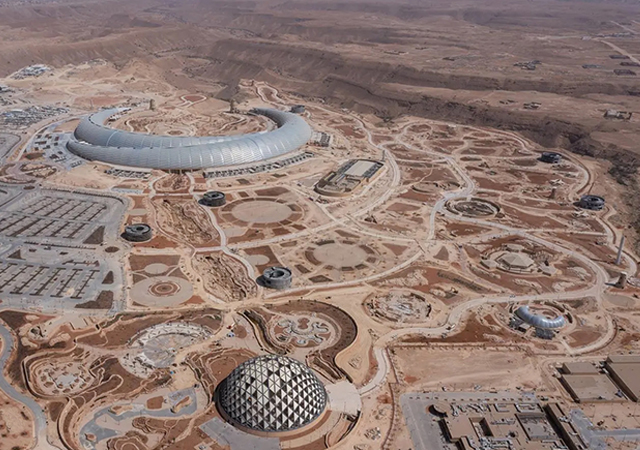
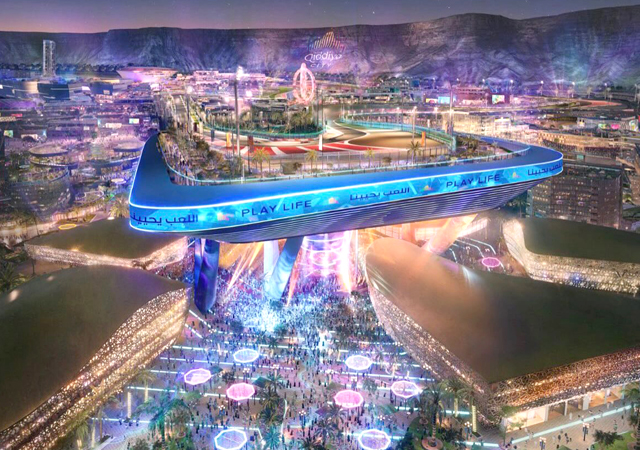
The Royal Diriyah Opera House and Diriyah Arena, which have reached nearly 20 per cent and over 23 per cent completion respectively as of March, are two of the seven landmark structures flanking Grand Avenue.
The Opera House is intended as a premier performing arts venue, combining covered and open‑air auditorium spaces that frame views of Wadi Hanifah and the surrounding Najdi architecture.
The Diriyah Arena is a multi‑purpose indoor‑outdoor venue designed to host up to 20,000 spectators, with modular seating and event‑production infrastructure. It sits adjacent to the Media and Innovation District, forming a broadcast‑ and entertainment‑oriented cluster.
Qurain Cultural District and Jabal Al Qurain Avenue
The Qurain Cultural District is being developed as a creative industry and cultural production hub, combining studios, galleries, academies, and live‑work spaces for Saudi and regional creatives.
The district is planned to include cultural academies, institutes, flexible offices and studios, and embedded retail and F&B, feeding into Grand Avenue and the Media and Innovation District.
A SAR5.8 billion joint‑venture contract was awarded in November 2024 to Nesma & Partners Contracting and MAN Enterprise Al‑Saudia, covering civils, structures, and fit‑out across the district. Under the contract, the joint venture is responsible for the shell and core structures of Jabal Al Qurain Avenue, Digital Art Museum, a mosque, The Address Hotel & Serviced Apartments, and The Ritz Carlton Hotel & Branded Residences. This includes finishes, fittings, and MEP systems across all plots, along with specialty fit-outs for Jabal AlQurain Avenue Ministry of Culture assets such as the Theater Academy, Poetry Institute, Najdi Architecture Academy, Arab Music School, Mud Brick Cinema, Culinary Institute, and Beit Al Ardah.
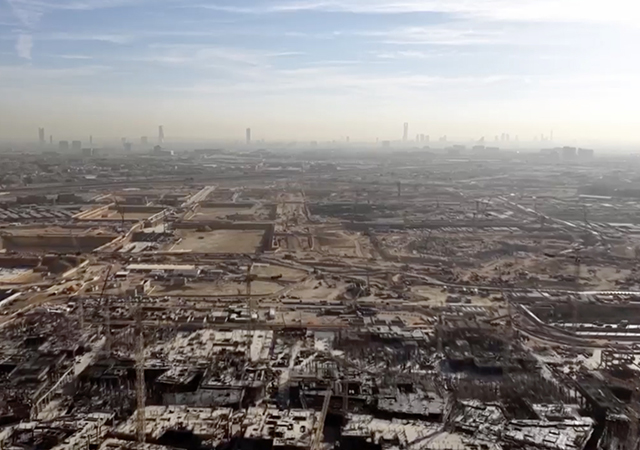 Construction work in progress on the Grand Avenue.
Embedded within Qurain, Jabal Al Qurain Avenue is emerging as a dedicated incubator and experiential hub for Saudi retail and F&B brands. The avenue is being delivered as a fully pedestrianised street, with 56 retail units covering about 7,301sq m of gross leasable area and 15 F&B outlets occupying roughly 2,248 sq m, plus residential and office space above.
Construction progress footage posted on LinkedIn indicates more than 47 per cent of the project is completed, with mid-rise structures rising below a sea of tower cranes. The project is being positioned as a “vibrant hub” where local entrepreneurship and creative programming can be tested in a mixed‑use environment, supplementing the luxury and lifestyle offerings on Grand Avenue.
Media and Innovation District
The Media and Innovation District was formally launched at MIPIM 2025 and is now one of the most advanced office clusters in Diriyah.
Located near the Diriyah Arena, the district is being developed as a future‑focused ecosystem for technology, media, broadcasting, and content‑creation companies, with an emphasis on high‑end, sustainable infrastructure and a live‑work environment.
The district spans over 250,000 sq m of office GFA, includes about 450 residential homes, and features more than 15,000 sq m of retail and F&B.
According to media reports, Diriyah Company has tendered a contract for office construction in the Media District North area of Diriyah Gate 2. The package covers five office plots comprising nine buildings and more than 50,000 sq m of built-up area.
A key anchor is the 325‑room 1 Hotel Diriyah, the Middle East debut for the global 1 Hotels brand. The hotel is intended to function as a hospitality and conferencing hub for media and tech clients, with the Arena and Opera House providing adjacent event and entertainment capacity.
Diriyah Square: the commercial heart
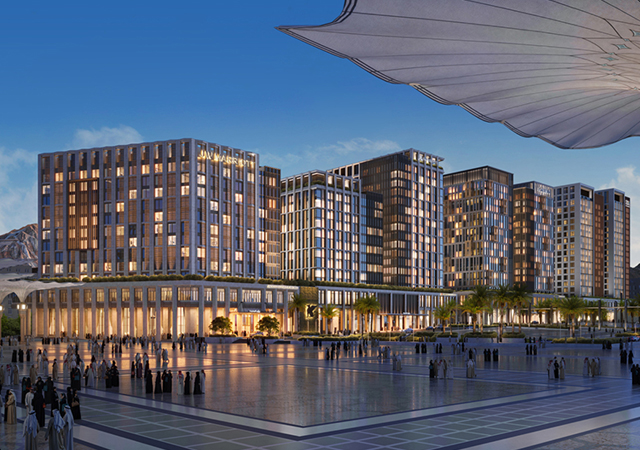
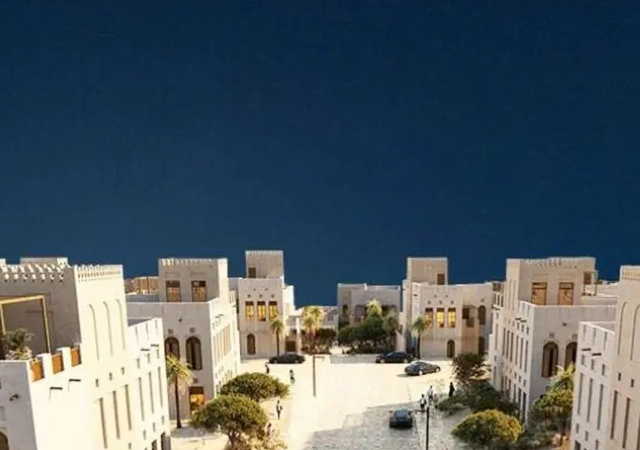
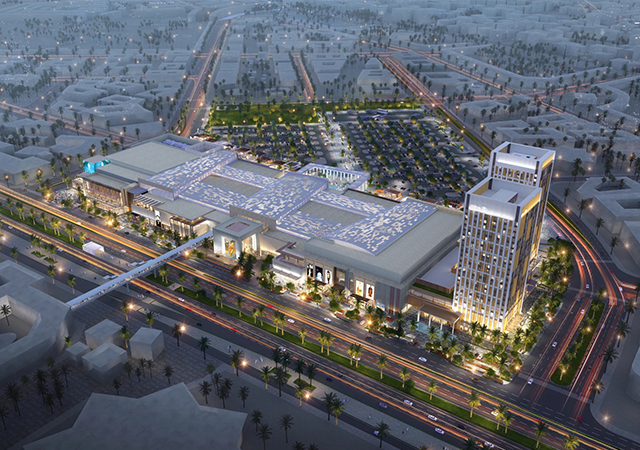
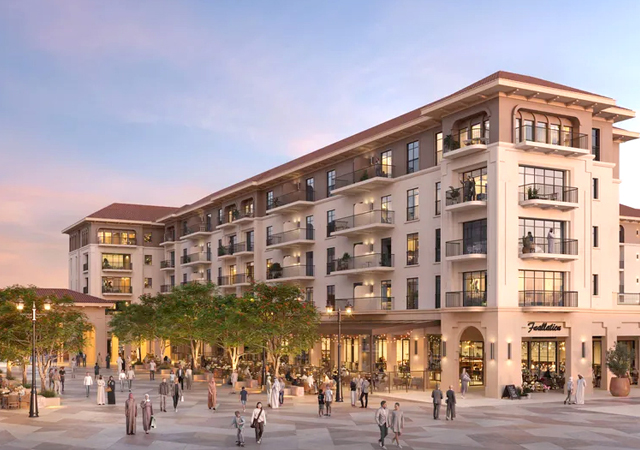
At the centre of the development lies Diriyah Square, envisioned as a vibrant commercial and retail hub. This district is designed to host a mix of luxury retail outlets, dining establishments, and entertainment venues, all set within a built environment that reflects traditional Najdi design principles.
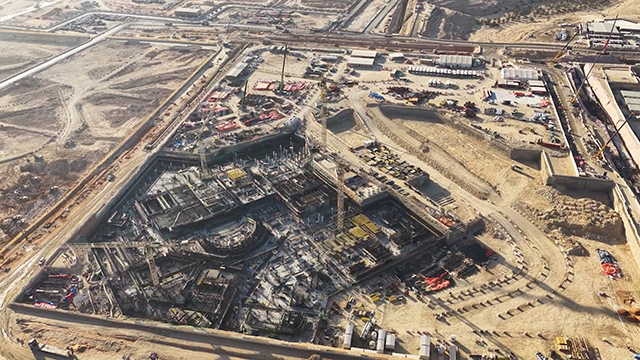 Construction update on the Royal Diriyah Opera House and Diriyah Arena.
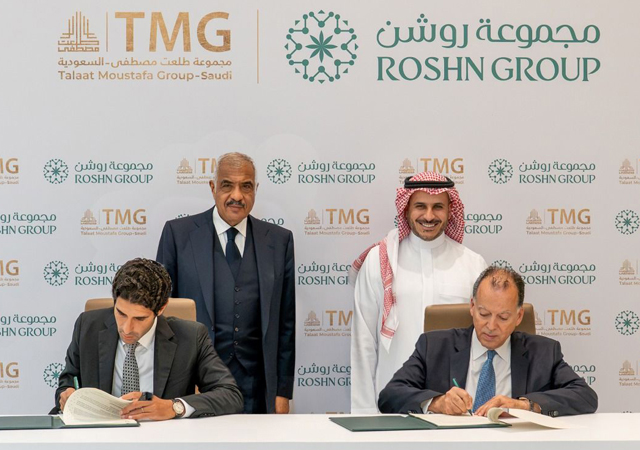
Construction progress in Diriyah Square has been significant, with structural works advancing rapidly across multiple plots. Last year, Diriyah Company had awarded a SAR2.249 billion construction contract to Salini Saudi Arabia, a subsidiary of the Webuild Group, for the development of Diriyah Square, encompassing 73 individual buildings and approximately 400 shell-and-core retail units
Work is now under way on more than 400 shopping and dining outlets as the retail hub continues to add new brands to its portfolio including Adidas, Spinneys, Seven Luxury Wellness, OliOli, Al Dawaa Pharmacy, Alo Yoga, On Running and Fakeeh Clinic, further expanding the destination’s diverse mix of international lifestyle brands and essential Saudi services.
Infrastructure, utilities, and enabling works
Diriyah’s construction progress is underpinned by extensive below‑ground infrastructure, much of which has already been completed. The super‑basement of Diriyah Square, finished in November 2024, provides a three‑level underground structure with parking for 10,500 vehicles, over 5.7 km of tunnels.
Below‑grade works across the wider site have included stormwater management tunnels, potable water and reclaimed water networks, district cooling trunk lines, medium‑voltage electrical corridors, and digital‑backbone duct‑bank systems, all now being tied into above‑ground structures. The integration of smart‑city platforms – including monitoring of water, energy, and LEED‑style performance for high‑profile assets such as the Grand Mosque – shows that Diriyah is being built with a layered, centrally managed infrastructure rather than a set of standalone buildings.
A critical piece of enabling infrastructure, the SAR1.2 billion Diriyah interchange on Riyadh’s Western Ring Road was completed by Nesma & Partners on time and within budget, physically connecting the Diriyah development area to the city’s major road network.
The four metro stations planned within Diriyah are being coordinated with the Riyadh Metro authority.
Residential & Hospitality
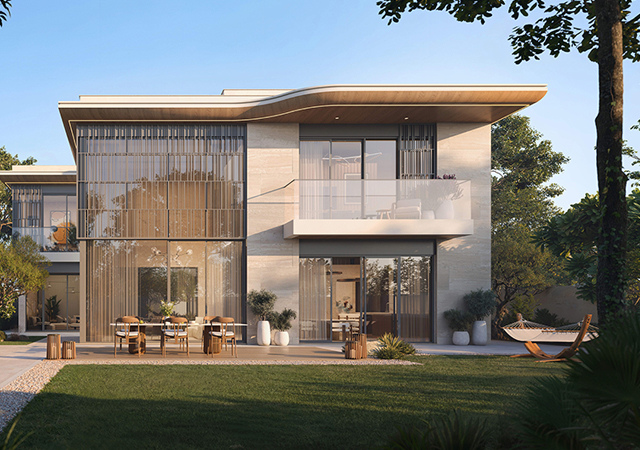
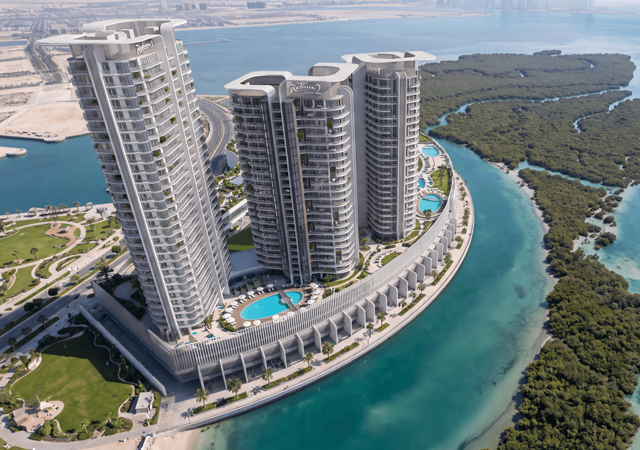
Diriyah’s residential and hospitality portfolio continues to expand with the recent launch of Manazel Al Hadawi, overlooking Wadi Hanifa in the Media and Innovation District. At the same time, Faena Residences Wadi Safar introduced a new expression of luxury through a collection of exclusive villas that bring together art, architecture, and nature.
Manazel Al Hadawi will offer 239 premium homes comprising one-, two-, three-bedroom units and four-bedroom duplexes. This is the first release within the Media and Innovation District and the first fully in-house residential development by the company. It forms part of an eventual target of more than 18,000 residential properties for over 100,000 residents, all drawing on Najdi architectural traditions.
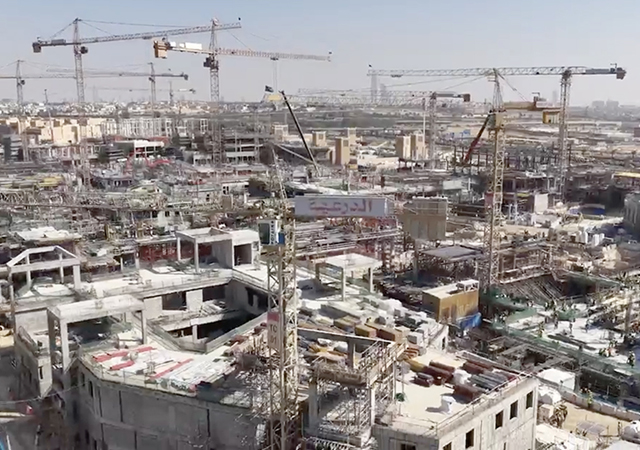
Construction work is under way on Jabal Al Qurain Avenue.
Across the development, residential construction is now entering a critical point, with several communities moving from structural completion into finishing and pre‑handover works. Diriyah Company has indicated that residential units will start being handed over to owners in early October this year.
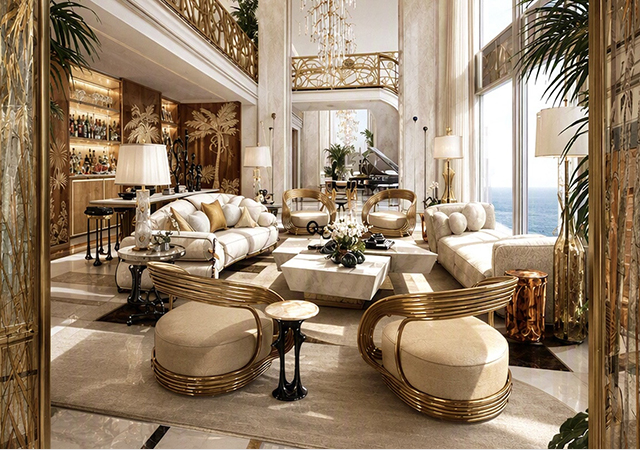
Super‑luxury supply is being delivered through branded residences such as Armani Residences Diriyah, comprising 15 highly bespoke apartments with interiors curated by Giorgio Armani. These units are positioned as ultra‑prestige enclaves within the wider Diriyah residential portfolio, targeting international and high‑net‑worth Saudi buyers and reinforcing the project’s premium‑lifestyle positioning.
Among other developments in the luxury residences sector, Diriyah Company and Midad Development have signed a joint development agreement worth $827 million to deliver the Four Seasons Hotel and Private Residences Diriyah featuring 159 rooms. This is the first formal partnership between the two companies and is one of the 34 hotels planned across both the Diriyah and Wadi Safar masterplans.
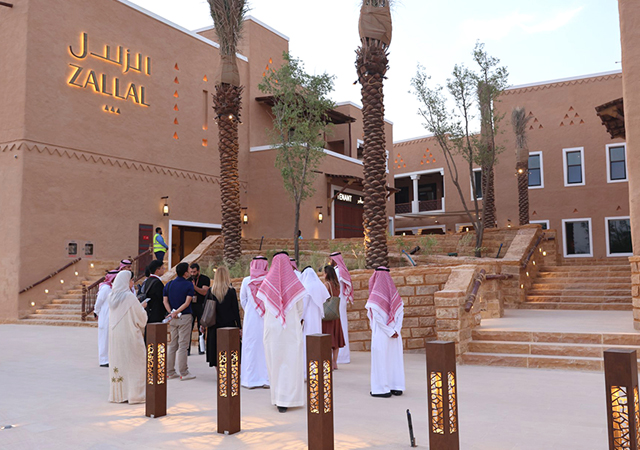
Zallal, a commercial office-and-retail project in the Bujairi District, was completed in the first half of 2025.
Progress also continued on the Capella Diriyah Hotel project, with Aedas signed for the 100-key hotel project coming up within the Northern District (see Page 31).
Early this year, Diriyah awarded a major contract worth SAR2.5 billion for the implementation of the Pendry Superblock Package Northwest within Diriyah Gate II. Under this deal, Pendry Hotels and Resorts, a unit of US-based Montage International, will be setting up its debut property.
The scope of work includes the construction of the Pendry Hotel Diriyah as well as premium residential and commercial assets spanning over a 75,000 sq m area.
Outlook: from construction site to global destination
As Diriyah moves closer to its first residential handovers and continues to advance across multiple fronts, the project is entering a defining phase. The coming years will see the gradual opening of key districts, transforming the site from a construction zone into a fully functioning urban destination.
The next 18 months will be decisive. The commencement of residential occupancy, the structural topping-out of Diriyah Square’s above-ground buildings, the visible rise of the opera house and arena forms, and the progressive opening of additional hotel assets will collectively cement Diriyah’s position as Saudi Arabia’s flagship delivered urban legacy project – and a new benchmark for heritage-anchored city-making globally.