



























EDSA, a major international planning and landscape architecture firm, has used its extensive experience gained over nearly 50 years to bring timelessness and refined elegance to Abu Dhabi’s Shangri-La Hotel Qaryat Al Beri, which opened last year.
The five-star resort, the first of its kind outside of the bustling downtown, represents a milestone in the expansion of tourism in Abu Dhabi.
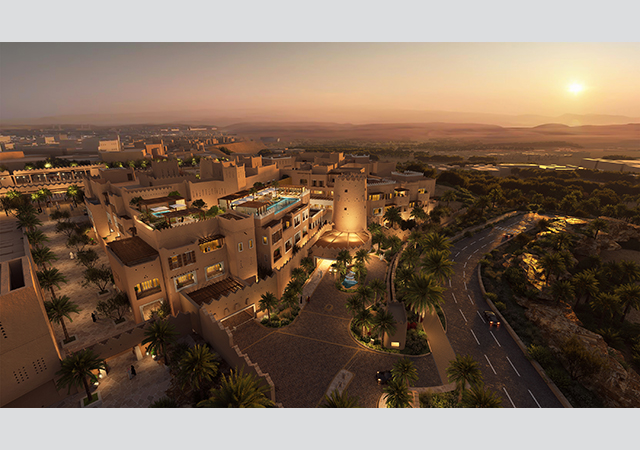
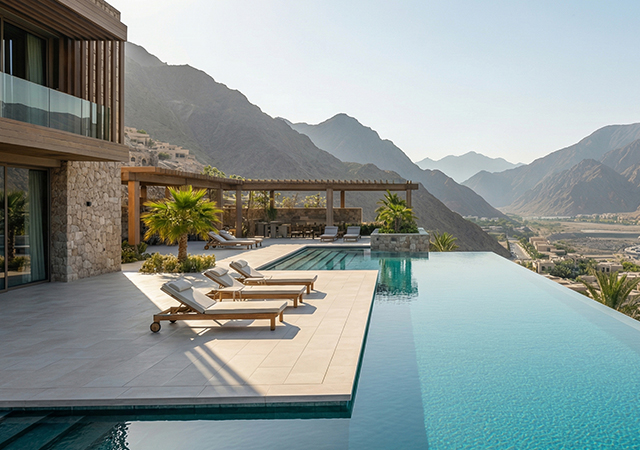
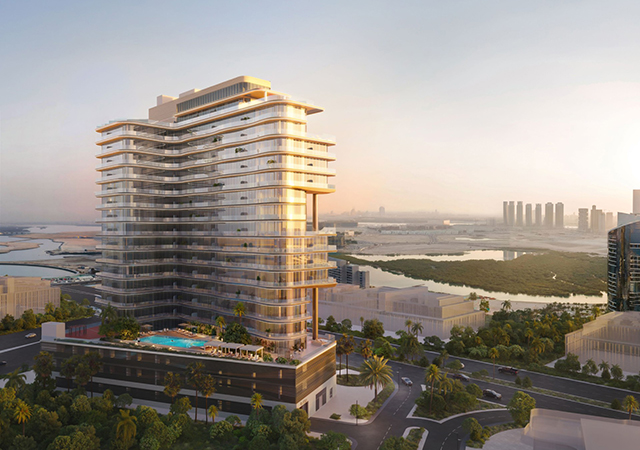
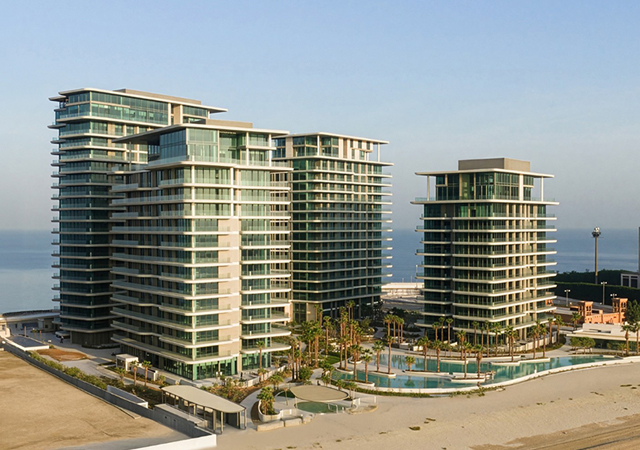
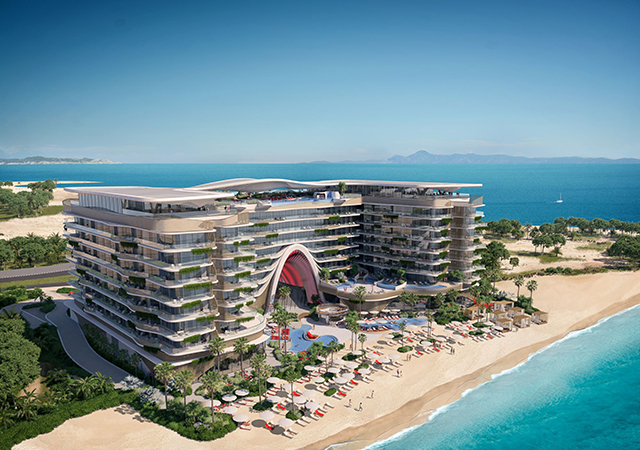
Nestled on the 900-m-stretch between the Al Maqtaa and Al Musafah bridges that lead onto the island of Abu Dhabi, the 220-room hotel is surrounded by a guest promenade that links a pool deck overlooking the white sandy beach with villas, restaurants, retail facilities, 160 executive apartments, a spa and seven waterfront jetties providing guests access to the sea.
The rooms feature either a balcony or a terrace that provide striking views of downtown Abu Dhabi while the main pool offers an amazing view of the Sheikh Zayed Mosque.
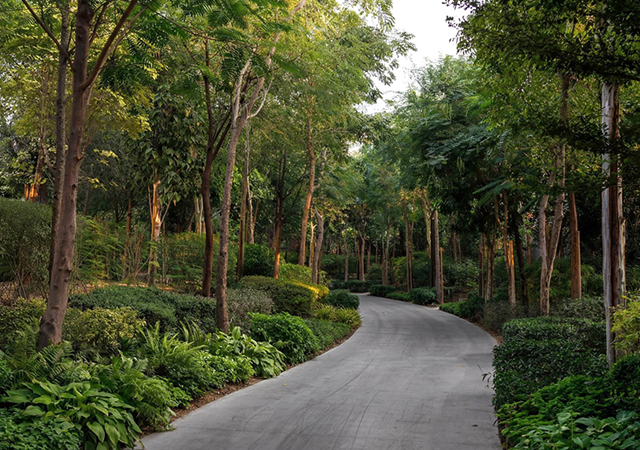
Surrounded by 21,000 sq m of gardens and landscaped meadows with indigenous plant material, the property is also navigated by water taxis that transport visitors around the property.
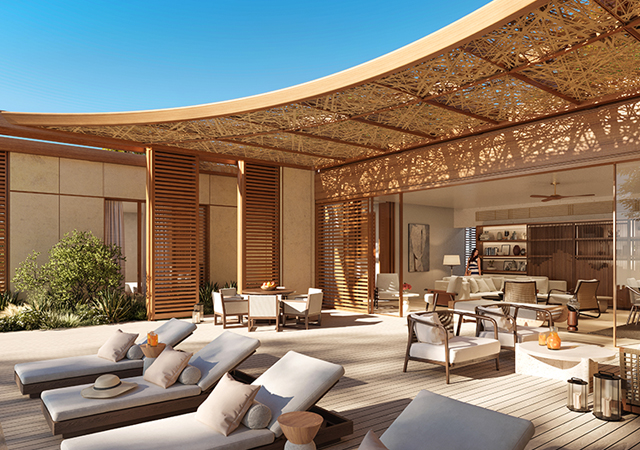
Says EDSA principal Rich Centolella: “The Shangri-La appeals to guests by making a cultural statement with sound design and a contemporary interpretation of traditional elements. The proper combination of hardscape and softscape along with lush planting evokes a sense of calm and cool with uniquely-designed pools giving way to an oasis feel.
“Intricate paving patterns, fountains, and staircases push the envelope of design by putting a modern twist on natural materials that are native to the region. Two key elements that reveal EDSA’s design intent – which is mirrored throughout the resort – are the promenade, with its complex paving patterns that links the restaurants to the hotel and villas as well as the porte-cochere, displaying polished granite with varying finishes.”
EDSA completed the initial concepts for Shangri-La and saw the project through construction. Its design was expressed through dramatic image boards and highly detailed drawings. “In addition, much of the project’s success and guarantee of accurate design interpretation can be attributed to the firm’s involvement from start to finish and particularly our presence on site during construction,” he says.
With vast experience working internationally among varying cultures, the firm has developed communication strategies to ensure a project stays on track during the early design stages.
“EDSA’s work in the region has provided us with knowledge of building and installation techniques unique to the Middle East and allowed the firm to build on relationships with local and regional craftsmen. These ongoing relationships help ensure that the quality of design is upheld,” Centolella says. “EDSA knew that working with people committed to excellence would help Shangri-La set a standard for the Abu Dhabi region.”
“Working in the UAE is always fast-paced, challenging and rewarding, and Abu Dhabi proved to be no different,” comments Tim Grubbs, EDSA project manager. “While timely completion is a major factor in the success of projects, full gratification comes after a couple of seasons when the landscaping is mature. New plant material should be young and grown locally in order to maximise growth potential. Local consultants that truly understand supply and installation have helped us communicate these key recommendations to the client,” he adds.
The Hong Kong-based five-star Shangri-La Hotel chain is the largest hotel group in Asia and is making its presence widely known in the Middle East with hotels in Dubai, Muscat, Abu Dhabi, and most recently, Qatar. The Shangri-La Hotel Qaryat Al Beri in Abu Dhabi opened mid-2007.
Following the successful completion of the Shangri-La Hotel, EDSA is involved in an epic renovation of the Al Ain Zoo.
“Building upon the existing cultural and heritage assets of the Abu Dhabi region, the Al Ain Wildlife Park and Resort will integrate unique hospitality and retail experiences as well as residential communities with themed wildlife parks,” Grubbs explains.
“The company’s design approach will apply consistent sustainability practices and environmental solutions throughout the project and subsequent operations,” he says.
In addition, EDSA has completed some early concepts for the Abu Dhabi naval base. The base, located on an expansive Arabian Sea waterfront, is expected to serve as a bridge between the old and the new linking the heart of Abu Dhabi to a new and vibrant metropolitan destination. Water transportation is proposed to transport visitors to the site from the waterfront and the city, making the waterfront accessible to locals, visitors and tourists alike.
In Dubai, EDSA’s well-known projects include The Palace at the One and Only Royal Mirage, Madinat Jumeirah, Dubai Creek Golf and Yacht Club, Jumeirah Golf Estates, and, Atlantis, The Palm.
“EDSA plans to remain involved in the region, making a mark by sustaining tourism and creating memorable environments with innovative design,” Centolella concludes.