




A stunning 23-m, 4.5-tonne skeleton of a dinosaur currently greets visitors at Abu Dhabi International Airport.
This relic from the past is perhaps symbolic of Abu Dhabi’s aspirations to develop projects that are gigantic and stunning while at the same time being sustainable.
In fact, sustainability has become a buzzword for new developments in the oil-rich emirate.
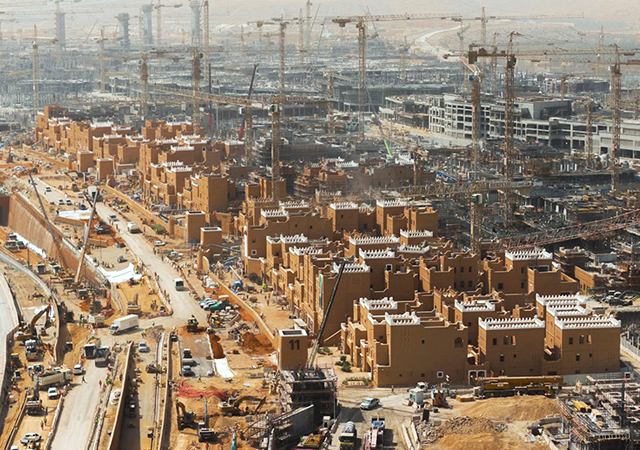
Take the Masdar City, for instance, which is designed to be the world’s first car-free, waste-free, zero-carbon city. This highly ambitious Abu Dhabi initiative has grabbed headlines worldwide and indicates the emirate’s keenness to address the problem of environmental damage caused by carbon emissions. Designed to house some 1,500 businesses and an estimated population of 50,000, the development will set new standards for zero-carbon settlements.
Another stunning development is the Saadiyat Island, with its eco-sensitive and low-density masterplan, which will be home to the world’s largest single concentration of premier cultural institutions.
These projects are among numerous mega developments launched in Abu Dhabi since Sheikh Khalifa bin Zayed Al Nahyan, President of the UAE, came to power in 2004 and ushered in a transformation of the emirate by introducing private sector participation in the economy.
The real estate sector is brimming with new projects on the scale that Abu Dhabi has not witnessed before. According to industry sources, these projects would require an investment of close to $470 billion.
Just a selection of some of the mega projects include the $40 billion Yas Island project, the $40 billion Khalifa City, $35 billion Reem Island, Burooj Properties’ $24 billion mixed-use real estate community project and the $10 billion mixed-use Ghantoot Green City, among many others.
Such has been the boom in the real estate market that by the end of last year, land prices in Abu Dhabi had almost tripled to Dh6,000 ($1,635) per sq m over those in 2006, while property prices rose 23 per cent to Dh16,000 per sq m, according to a recent HSBC bank report.
The demand generated by the real estate sector can be gauged from the fact that deals and transactions worth $36 billion were concluded at the three-day Cityscape Abu Dhabi exhibition in May.
The upbeat real estate sector has been given an added boost by the high liquidity in the market and the $130-plus-a-barrel price tag on crude oil – the windfall from which this oil-wealthy emirate has been using to diversify its economy away from oil by developing industrial, residential, leisure and cultural projects. The booming economy has, in turn, intensified the demand for office and residential accommodation. According to a Colliers International report, a planned supply of nearly 27,000 housing units till 2010 might not be adequate to meet Abu Dhabi’s growing housing demand, which is projected to be 100,000 units – a factor that is pushing prices up. The UAE capital has 186,200 housing units, which is expected to rise to 193,100 next year and 213,100 by 2010, the report said.
Abu Dhabi will have to wait till 2013 by when the expected delivery of an additional 140,000 residential units could ‘cool’ the ‘overheated’ housing market, the report said. “The supply shortfall is most acute in the middle-income segment while the highest demand is for one- and two-bedroom apartments,” it said.
The majority of the announced projects in Abu Dhabi is in the luxury high-end market – like those in Dubai, leaving the mid-market under-served.
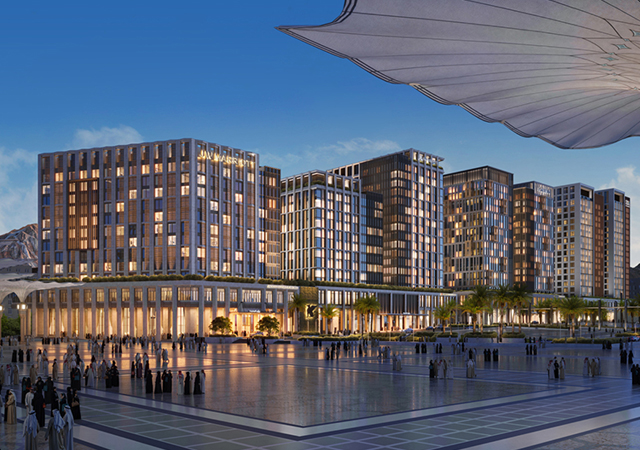
In Abu Dhabi, the major focus is on developing mixed-use developments which are being spearheaded by leading real estate developers such as Aldar Properties and Sorouh Real Estate. These developments boast commercial, residential as well as leisure and hospitality projects that support the UAE capital’s tourism development plans. Aldar alone is planning to construct as many as 40 hotels during the next seven years. These hotels will provide 10,000 to 12,000 more hotel rooms in the emirate. The number of hotel rooms in Abu Dhabi is forecast to grow to 25,000 by 2012, up from the current 10,000 and to 75,000 by 2030.
While there have been comparisons that Abu Dhabi is stealing the limelight from Dubai with its recent set of projects, the emirate has attempted to moderate its precipitous growth.
“Abu Dhabi’s urban planners have clearly watched Dubai’s less controlled growth and, arguably an erosion of its local heritage to formulate their own expansion agenda – one that puts culture and community ahead of pure commercialisation,” Jones Lang LaSalle said in a Colliers International report.
Abu Dhabi is pursuing the Plan Abu Dhabi 2030: Urban Structure Framework Plan to ensure its development is structured and regulated and it has the infrastructure in place to accommodate its colossal growth into “Greater Abu Dhabi”. Launched last year to address planning and infrastructure issues, the plan specifies building heights, land use and transportation plans for a projected population of 3 million. To oversee the implementation of the plan, the emirate has also set up the Urban Planning Council.
Major infrastructural developments include a greenfield port, a $6.8 billion redevelopment plan for Abu Dhabi International Airport and roads and bridges designed to ease traffic congestion within the emirate. This apart, plans have been mooted for an estimated $13 billion causeway linking the UAE capital with Doha in Qatar. The project envisages linking the two cities via a 65 km bridge across the Gulf. The original design for the UAE-Qatar causeway, which was first developed six years ago, was for a 40 km bridge. This was changed due to difficulties with the route, which ran through Saudi Arabian territorial waters.
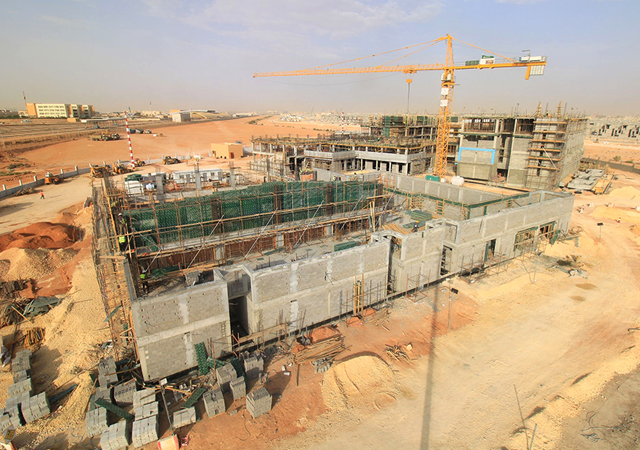
While there is boom in projects, the industry is facing a serious shortage of construction companies with the ability to take on large-scale projects, given the huge volume of work coming on the market. To address this problem, developers have been striking alliances with contractors – thus using up virtually all spare contractor capacity in the capital. Last month Orascom Construction Industries (OCIC), Hydra Commercial Investments, Sorouh Real Estate and Capital Investment joined hands to set up a new construction joint venture, Emirates Foundation, which will also perform substructure works up to ground level.
Apart from the shortage of contractors with the required skills and resources, other problems faced by the construction sector include the shortage and in turn the spiralling cost of construction materials.
Airport
To support Abu Dhabi’s tourism, business, investment and overall development drive, a masterplan has been drawn up to transform the emirate’s international airport into a world-class facility.
A $6.8-billion redevelopment programme currently under way will soon see the opening a third terminal capable of handling five million passengers a year. Terminal Three will be for the exclusive use of Eithad Airways and is an interim facility that has been developed to meet the UAE national airline’s growth until the Midfield Terminal, the centrepiece of the airport’s redevelopment, comes on stream at the end of 2011.
The programme includes two passenger terminals, a new 4,100-m second runway, a new air traffic control complex, which will become operational next year, and a new cargo terminal, which is due for completion in 2010.
Addressing both short and long-term needs, the masterplan will allow the airport to grow to handle more than 40 million passengers as well as handling over 2.5 million tonnes of cargo per year in the future. By the end of 2011, the airport proposes to be able to handle up to 20 million passengers per year.
The masterplan also has provision for a 4 million sq m airport free trade zone and a host of other commercial development projects.
Port
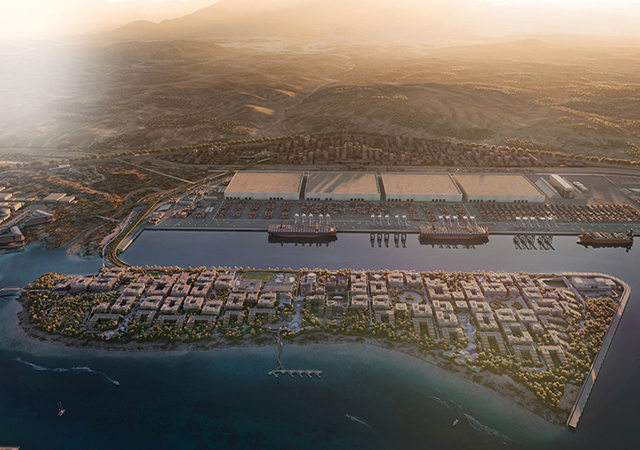
Abu Dhabi is also developing the multi-billion-dollar Khalifa Port and Industrial Zone, one of the world’s largest greenfield offshore port and industrial zone developments. Located approximately 5 km offshore from Taweelah on an 275-hectare island being reclaimed from the sea, the port will provide essential infrastructure for the growing industrial and commercial sectors of Abu Dhabi, as outlined in the 2030 plan.
Designed to help the emirate diversify economically and relocate cargo handling out of Mina Zayed in Abu Dhabi city centre, the development of the offshore port facilities is expected to allow for a larger port footprint and berths than could have been accommodated onshore alone, while also enabling further expansion in the future as demand requires.
The first construction contract for dredging and reclamation, worth over $1.5 billion, was awarded in October last year to a consortium of international companies working together as Khalifa Port Marine Consortium. The consortium began dredging and reclamation work in March at the site of the port, which will be completed in phases. The first vessel is expected to visit Khalifa Port in late 2010 with the completion of Stage 1A development. Four additional development phases have been planned, increasing overall throughput at the port to over 22 million teu and 35 million tonnes of general, break, dry and liquid bulk cargo by 2028.
The Khalifa port will also have a significant onshore footprint via a 4.6 km road and rail causeway link to the new 137 sq km Khalifa Industrial Zone.
Commercial & residential
The most striking project to be launched this year is the Masdar City, which broke ground recently. Masdar, the developer – a $15 billion company launched by the Abu Dhabi government – has announced a $22 billion development budget for the city.
In addition to full-time residents, Masdar City will seek to attract and encourage collaboration between experts in diverse fields ranging from sustainable transportation to renewable energy and green financial institutions. By implementing these technologies, Masdar City will save the equivalent of more than $2 billion in oil over the next 25 years, based on today’s energy prices (see separate article).
In the real estate sector, construction activity is primarily driven by Aldar Properties, Sorouh Real Estate, Tourism Development & Investment Company (TDIC), as well as other major developers including Reem Investments and Tamouh Investments.
Aldar is reported to have a whopping $65 billion worth of projects in the pipeline, including major developments and re-developments within the emirate such as Central Market, Al Raha Beach, Coconut Island, Noor Al Ain, Al Gurm Resort and the Yas Island project.
Sorouh, which plans to invest $72 billion in various developments in the next 20 years, has projects worth more than $12.2 billion under development which include Shams Abu Dhabi on Reem Island, Al Ghadeer project at Saih As Sidirah, close to Ghantoot, Lulu Island and Saraya cornice waterfront development.
The following are some of the massive developments under way in Abu Dhabi:
Yas Island: Significant progress has been made on Yas Island, a multi-faceted entertainment destination. Phase One infrastructure work is currently in progress on the island which will host Abu Dhabi’s first Formula One race next year at a new racing circuit that is under construction (see separate report).
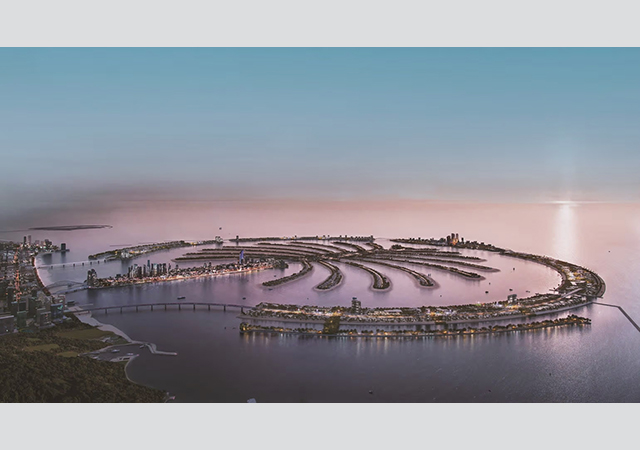
Saadiyat Island: This 27 sq km island offshore the UAE capital is being transformed into a signature leisure, residential and cultural destination. A number of projects such as the crucial 10-lane Saadiyat Bridge – which will link Abu Dhabi city with Saadiyat Island – are under way as new ones continue to be launched to further the redevelopment plan (see separate article).
Real estate firm Zaya is among the latest investors in the island’s development. It has launched a Dh3 billion project called Nurai, which comprises 31 beachfront estates and 50 water villas located 4 km from the Saadiyat Island. Levelling and marine works on the project is expected to start this month, with construction to take up to two-and-a-half years.
Saadiyat’s master developer TDIC also plans to build a ‘Grade A’ accommodation village, to house the construction workforce on Saadiyat. The Dh700 million Saadiyat Construction Village (SCV) will cover 40 hectares to house a village for 20,000 workers but with enough room for expansion to accommodate 40,000, if required.
Reem Island: Bunya, the resident regulatory authority and regional infrastructure developer for Reem island, is spearheading work on key infrastructure works projects at the island. The 870-hectare natural island will be home to approximately 200,000 residents. The island is being developed by three leading firms Sorouh Real Estate, Reem Investments and Tamouh Investments (see separate article).
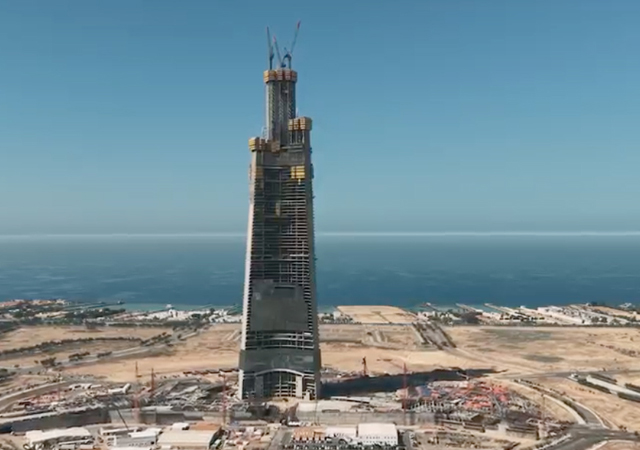
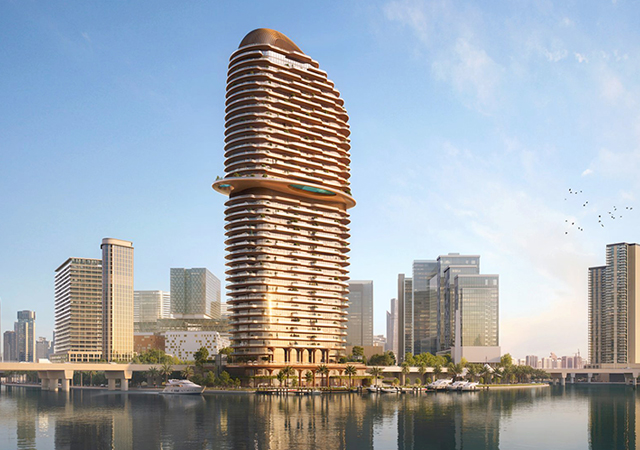
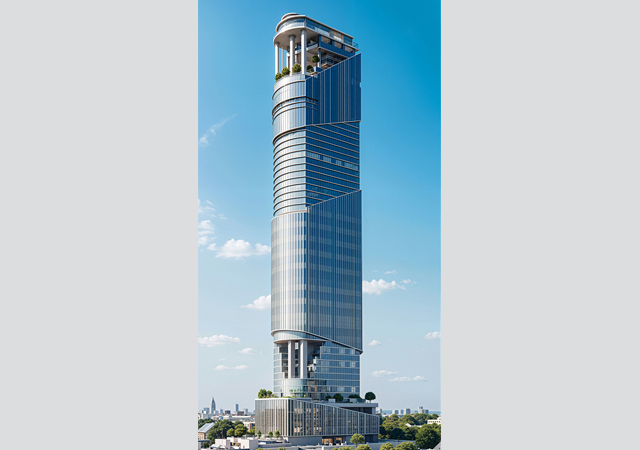
Sorouh Real Estate is developing the Shams Abu Dhabi, which includes residential, office, hotel, retail, entertainment and parking facilities, including Sky Tower, a 74-storey residential and commercial skyscraper, which will be the tallest building in Abu Dhabi upon its completion. The project has recently attracted investment from First Dubai Real Estate Development Company, which has launched the Morina Residential Tower near the Gate of Shams Abu Dhabi.
Reem Investments is the developer for Najmat Abu Dhabi, while Tamouh is the master developer of the City of Light. Within these developments, Dubai-based real estate developer Unique Group is expected to launch work this month on two projects with a total cost of Dh1.06 billion. These include the mixed-use Marina Pearl at Najmat, and Ocean Pearl, a residential project at the City of Light.
Dar Al Dhabi is developing the Dar Al-Dhabi Project on five plots in the Najmat Abu Dhabi development. The Dh6 billion project includes two 35-storey residential buildings, a seven-storey residential building and a seven-storey commercial building as well as two 300-m high ‘Iconic’ towers.
Another UAE property developer RDK Commercial Investment has signed architects Foster + Partners to design its three new residential towers on Najmat development.
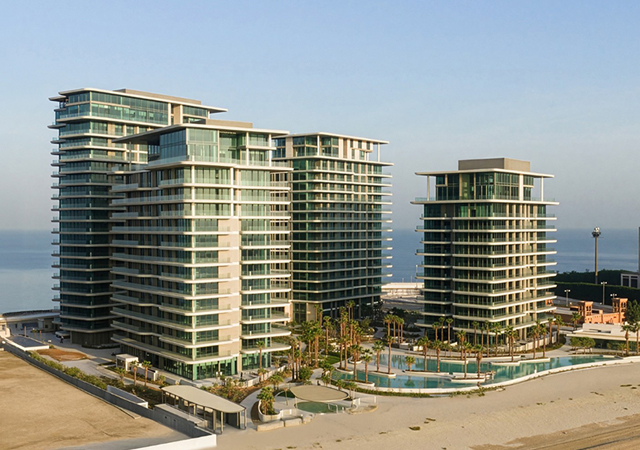
Raha Beach: Aldar has reached a major milestone on Al Raha Beach development, with the completion of a marine sea wall which protects the Eastern Precinct. Al Raha Beach project is formed of 11 precincts and has a total development area of 12 million sq m. The completion of this milestone has allowed basement excavation to proceed at building sites, followed by ground slab construction.
Another precinct – Al Dana – will feature a collection of architectural masterpieces by world-class architects as the Abu Dhabi World Trade Centre by Foster & Partners, a residential tower by Asymptote, the Aldar headquarters by MZ & Partners, the Al Dana residences and towers by 5+Design and a unique building by Rafael Vinoly.
The first residential district to be inhabited in the Al Raha Beach Development will be Al Bandar, where residents are expected to move in by the end of next year.
Lulu Island: Sorouh Real Estate estimates that an investment of $10.89 billion will be needed to develop its Lulu Island project, which is now in the process of receiving official approval. Construction will begin next year at the island which is expected to house a population of 20,000 (see separate article).
Adnec Centre: Abu Dhabi National Exhibitions Company (Adnec) is expanding and enhancing its state-of-the-art exhibition facilities, which will soon become the largest in the Middle East. Dredging work has commenced on the 2.4 km Marina Zone. Adnec is also setting up a $953.2 million convention centre in Al Ain.
Suwwa Development: Mubadala Development Company, an Abu Dhabi investment firm, will develop Suwwa Island, off Abu Dhabi’s coast into a new business district that would house the new headquarters of the Abu Dhabi Securities Exchange. Constru-ction work has started on the multi-billion-dirham 570,000 sq m development which will include commercial and residential buildings as well as a hotel and retail space. The island will be developed by John Buck International, a joint venture Mubadala set up in March with Chicago-based real estate firm The John Buck Company.
Ghantoot City: Local developer International Capital Trading (ICT) is planning a major city in the Ghantoot area of Abu Dhabi, close to the Dubai border, which will cost tens of billions of dollars to develop. Provisionally known as Ghantoot Green City, the project is understood to cover 60 sq km and will include a commercial centre, hotels, office blocks, residential developments, warehousing and light industrial areas. The development will be split into 12 phases, with the first covering 6.2 sq km.
Roads
In line with Plan Abu Dhabi 2030, the Department of Transport commissioned the development of a Surface Transport Master Plan in February. The STMP is aimed to translate the conceptual transport strategy outlined in the plan into a detailed masterplan and implementation programme. The first phase of the 12-month project is nearing completion.
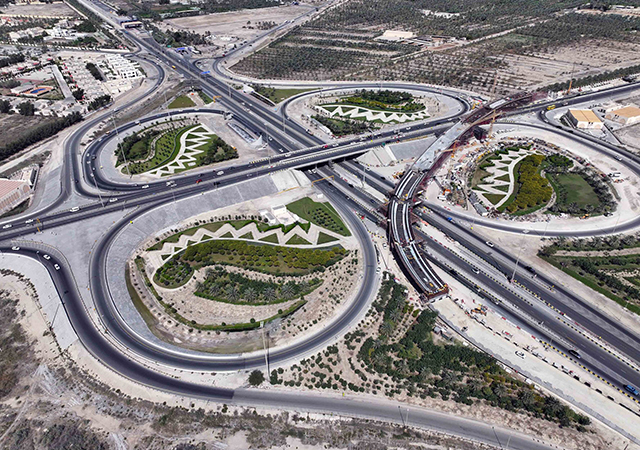
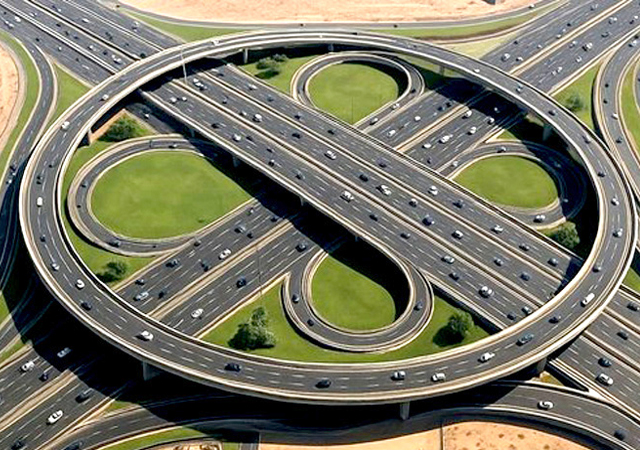
Meanwhile, plans are already in progress to address the traffic congestion problems of the city. Among such developments, work has been launched on construction of the Dh901-million Sheikh Zayed Bridge, which is to be completed by the end of next year. Once completed, the 40-m high bridge would be the third strategic crossing for the island of Abu Dhabi after Al Maqta and Al Musaffah bridges.
In March, Abu Dhabi Municipality awarded two contracts totalling Dh4 billion for the construction of tunnels and interchanges along the eastern road corridor on Abu Dhabi island. The road corridor needs a major overhaul before projects on Reem, Suwwa and Saadiyat islands and the Mina area to the east of Abu Dhabi island are completed. According to the Plan Abu Dhabi 2030 urban masterplan, these four projects will have a resident population of about 370,000, together with the existing population of 190,000 in the central business district.
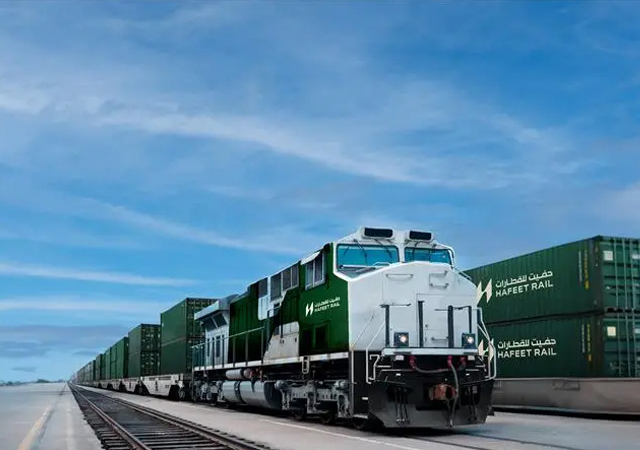
The emirate is also planning to construct a railway system by 2015, to cope with the transportation problem of its ever-increasing population. A report on the future of the city’s transport system, which was commissioned by the Department of Transport and the Urban Planning Council (UPC), last December, is due by the end of the year. That report will provide more details about the kind of metro Abu Dhabi will have, with work on a new railway line serving the city to begin soon afterwards. Plan Abu Dhabi 2030 has called for at least two high-capacity metro lines.
Drainage & sewerage
Abu Dhabi will spend over $1 billion on extending its drainage and sewage systems to cater to its increasing population, which is expected to surge to nearly 3.17 million by 2030 from around 1.3 million at present.
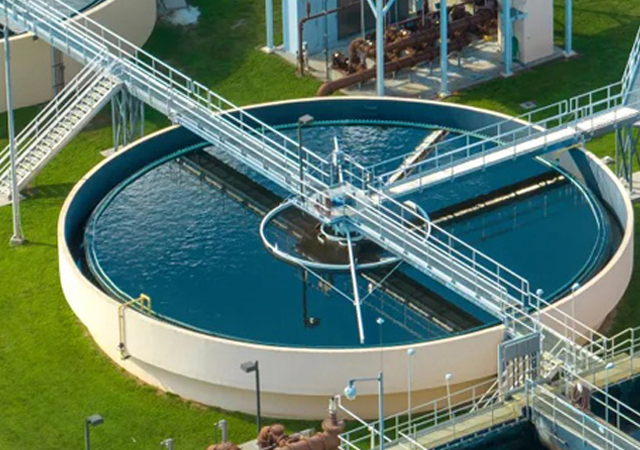
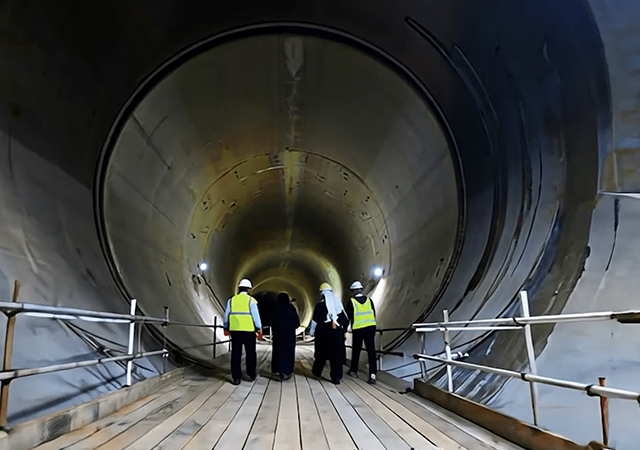
In the wastewater sector, the Abu Dhabi Sewerage Services Company (ADSSC) is stepping up efforts to implement the Strategic Tunnel Enhancement Programme (STEP) during the next six years to establish a tunnel that will cater to the immediate, short and long-term needs of Abu Dhabi. The STEP project comprises 40 km of deep sewerage tunnel and two new large pumping stations. The project is said to be critical for the implementation of Abu Dhabi’s 2030 Urban Structure Framework Plan.
Other major projects
• Dolphin Energy last month awarded a $418 million construction contract for its new Taweelah to Fujairah Gas Pipeline (TFP) across the UAE to Stroytransgaz of Russia. Site work will begin during third quarter of this year. The new 48-inch-diameter gas pipeline is to be laid over an environmentally approved cross-country route, through more than 240 km of desert and mountainside – one of the longest and largest overland pipelines in the UAE.
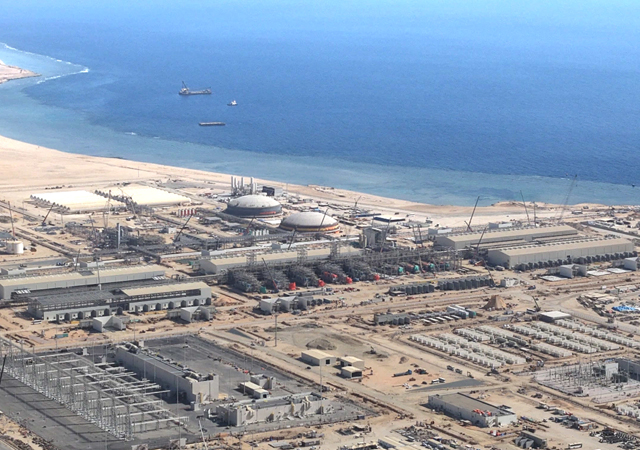
• Emirates Aluminium (Emal) smelter is being built on a 6 sq km site in the Taweelah area of Abu Dhabi, in two phases with a total capacity of 1.4 million tonnes of primary aluminium per year. The first phase will cost $5.6 billion. Work on the second phase is expected to begin soon after the 700,000-tonne first phase is ready. When fully completed Emal, a joint venture between Dubai Aluminium Company Limited (Dubal) and Abu Dhabi’s Mubadala, will become the world’s largest single site aluminium smelter.