










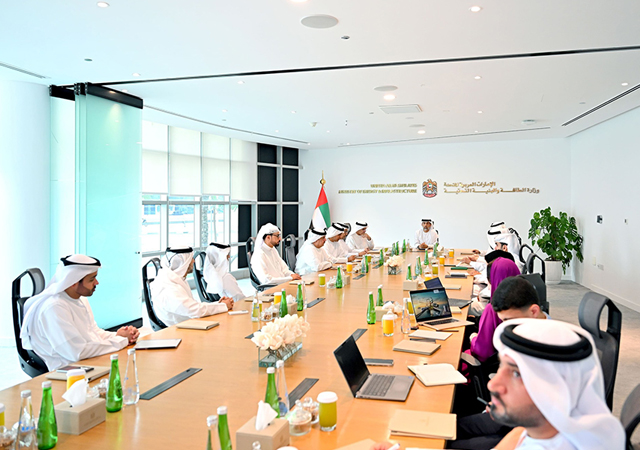






























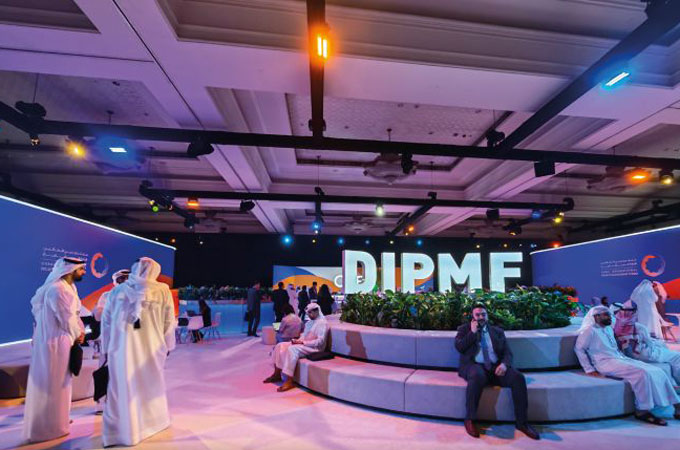
Global business leaders, government officials, project management specialists from across the globe will be at the Dubai International Project Management Forum to exchange knowledge, showcase pioneering experiences and shape innovative perspectives that help advance project planning and delivery.
To be held from January 10 to 13, the forum is being organised by Dubai’s Roads and Transport Authority (RTA) under the theme 'From Vision to Impact' in co-ordination with Dubai Electricity and Water Authority (Dewa), Emaar Properties and the Project Management Institute (PMI).
The 12th edition will explore four main themes and 12 sub-topics: Future Trends and Technology, Sustainable Communities, the Future of Project Management, and Business Continuity.
Together, they reflect the rapid transformations reshaping project management and its growing role in supporting economic and social development, accelerating digital transformation, strengthening organisational resilience and advancing the sustainability of cities and communities.
Mattar Al Tayer, Director-General, Chairman of the RTA Board, said that over its previous 11th editions, the Forum has firmly established itself on the global calendar of specialised project management conferences and forums.
It has become an influential international platform that brings together leaders, experts and specialists to exchange knowledge, showcase pioneering experiences and shape innovative perspectives that help advance project planning, delivery and management methodologies, while strengthening the ability of governments and organisations to turn strategies and ambitions into tangible and sustainable outcomes.
He said, “The theme of the 12th edition, ‘From Vision to Impact’, captures the essence of Dubai’s experience and its approach to delivery, built on clarity of vision, sound planning, swift execution and measuring the impact of projects on people’s lives and society.”
Al Tayer pointed out that project management was a fundamental pillar in turning plans and strategies into achievements that shape a better future, support economic growth, enhance quality of life, and strengthen the readiness of cities and organisations to keep pace with global transformations.
"The Forum has achieved continued success since its launch in 2014. Its previous 11 editions attracted more than 25,000 participants and over 450 speakers, including decision-makers, experts and project management specialists," he stated.
"These figures reflect growing global trust in the Forum and its distinctive standing as a knowledge reference for exchanging best practices, building partnerships and anticipating the trends shaping the future of project management," he added.
According to RTA, the programme is built around four themes: Future Trends and Technology, Sustainable Communities, The Future of Project Management, and Business Continuity.
The Future Trends and Technology theme covers digital transformation strategies, innovation and organisational readiness, and data-driven decision-making. It examines how advanced technologies and data can improve planning and delivery, strengthen organisational resilience and enable faster, more accurate decisions.
The Sustainable Communities theme focuses on smart and sustainable cities, resilient infrastructure systems, and social and economic sustainability. It highlights the role of projects in supporting economic growth, improving resource efficiency and enhancing community well-being, while developing infrastructure that can accommodate future growth and change.
The Future of Project Management theme addresses automation, artificial intelligence, integration across work ecosystems, project stakeholder coordination, and agile and hybrid management approaches. It explores how digital solutions and AI are reshaping the profession, boosting team productivity, accelerating project delivery and improving outcomes.
The Business Continuity theme covers risk anticipation, crisis preparedness, leadership, decision-making and operational continuity.
It examines approaches to identifying risks, developing response plans, maintaining operations and project delivery, and strengthening organisations’ ability to make effective decisions in changing environments, it added.-TradeArabia News Service