








THE public sector has been taking a number of initiatives, including the development of housing, tourism and infrastructure projects, to instill confidence in the construction sector in the Northern Emirates, where the real estate market has battened down following the global financial crisis.
Among such efforts, a sum of Dh16 billion ($4.35 billion) has been allocated to improve healthcare, roads, bridges, housing projects and sewerage facilities in the Northern Emirates, of which Dh5 billion ($1.36 million) worth of projects are expected to be handed over by next year.
The Northern Emirates, comprising Sharjah, Ajman, Umm Al Quwain, Fujairah and Ras Al Khaimah, have been struggling over the past few years following the crisis and its impact on the regional construction and real estate market.
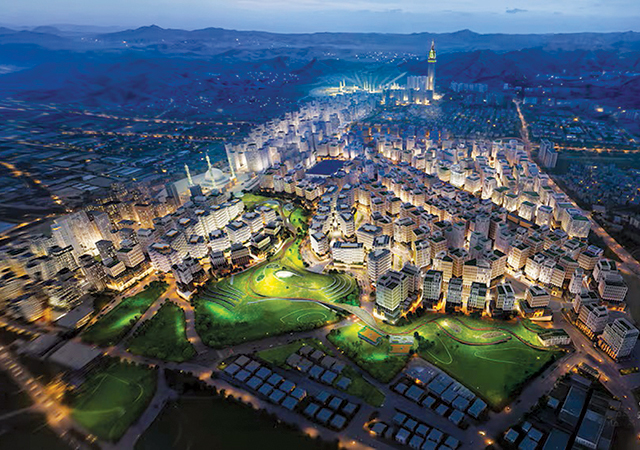
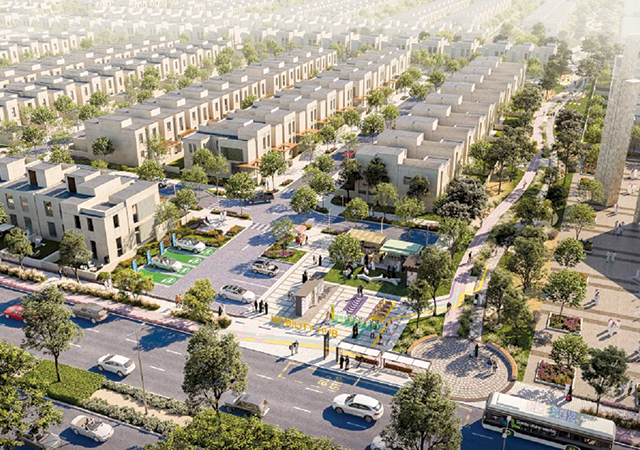
Nevertheless, the outlook is positive, according to a recent report by Asteco, which highlights the initiative taken by the government in Sharjah, including tourist projects such as the Al Hafya Educational Reserve Centre and new project launches in the form of a 6,500-house neighbourhood at Zubair that are likely to stimulate the economy and improve the demand for housing.
The report further states that elsewhere in the Northern Emirates, the listless property trend has continued with little movement in Ajman, Ras Al Khaimah, Umm Al Quwain and Fujairah.
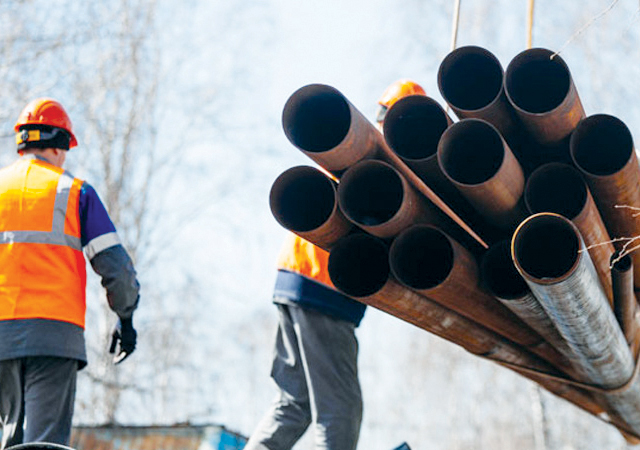
The region could, however, receive a shot in the arm from the recent launch of the Fujairah oil pipeline that carries oil from Abu Dhabi to Fujairah port, which is expected to boost the local economy, generating jobs and potentially creating additional demand for housing. This pipeline eliminates the need for tankers to travel through the Straits of Hormuz.
 |
|
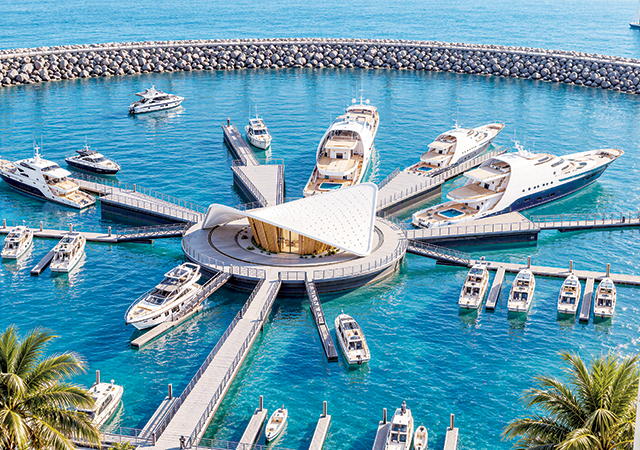
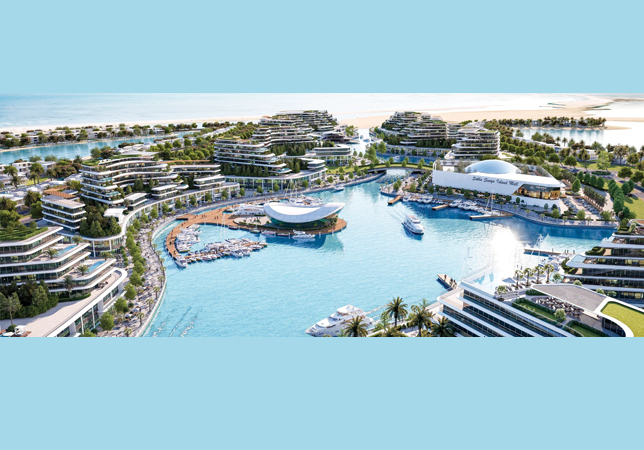
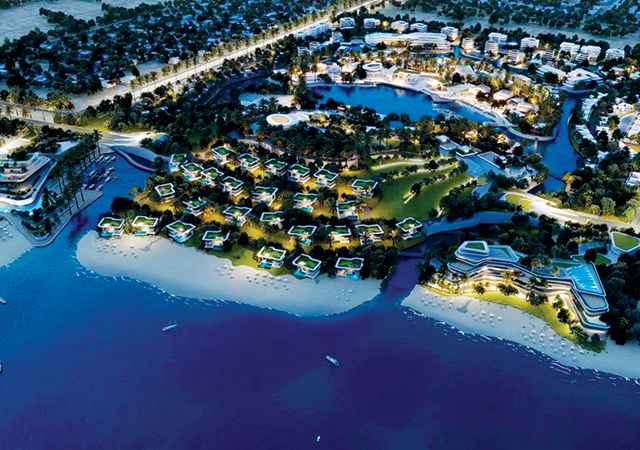
The Real Madrid Resort Island in Ras Al Khaimah ... January 2015 opening planned. |
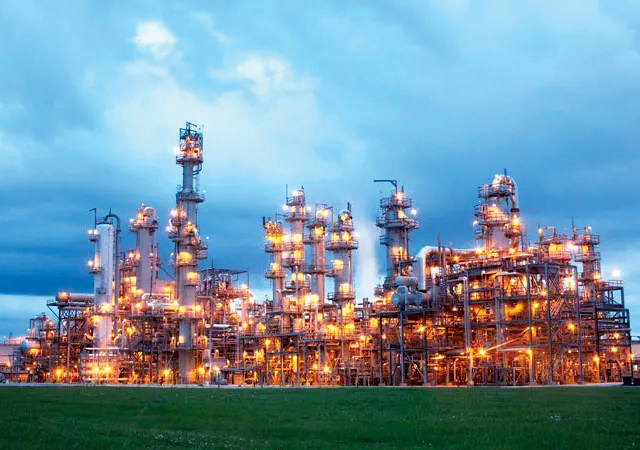
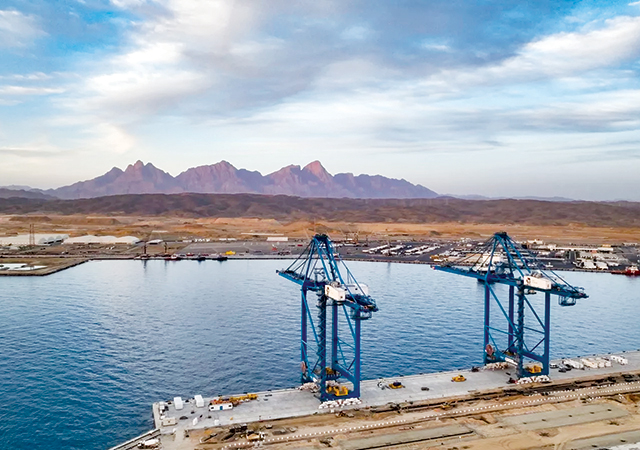
Industrial development could provide another source of business for the construction sector. One important project that has been resumed is a one-million-tonne steel mill in Fujairah, which is expected to be the largest in the country. United Steel Industries, a locally-based steel manufacturer, indicated that it is restarting work on its 145,000-sq-m steel rolling-mill project and has appointed the construction consultancy Turner and Townsend as project manager for the development.
Initially started in October 2006, the project was placed on hold in November 2008 as demand for building materials in the region declined in the wake of the global financial downturn.
The Northern Emirates will also be home to the UAE’s first clean coal-fired power plant, which will be built and operated in Ras Al Khaimah by top coal power company Shanghai Electric and Utico Middle East at a cost of Dh1.5 billion ($408.7 million). The power plant is rated to generate 270 MW of power. Supported by the Ras Al Khaimah government, the venture is expected to be completed in 2015, according to the Gulf News.
The project will utilise 100 per cent carbon capture technology as nominal design capacity and 80 per cent at operational point – which will involve the establishment of world-class power generation facilities and environment protection standards and related utility infrastructure.
Tourism & real estate
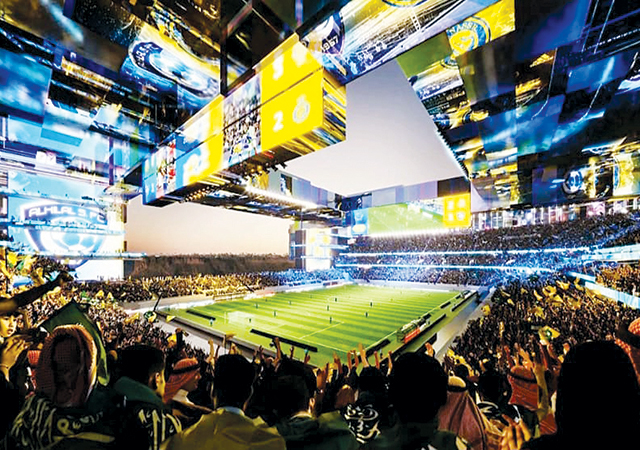
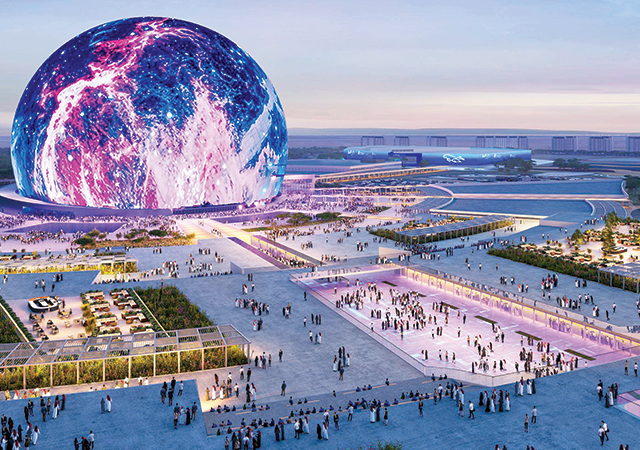
Ras Al Khaimah grabbed the headlines around the globe earlier this year when football giant Real Madrid announced a billion-dollar football theme park to be built on a man-made island in the emirate.
The Real Madrid Resort Island is expected to open in January 2015. According to a statement on the Real Madrid website, it will be the ‘first recreational tourism complex built under the Real Madrid trademark’.
“When the Real Madrid Resort Island opens its gates, visitors will become part of the legend of this club, which strives to be eternal and universal,” said Florentino Perez, the club’s president, in the statement. “We adhere our name and potential to a unique location, a strategic meeting place and a project of unprecedented dimension located less than four hours away by flight of 2,000 million people.”
 |
|
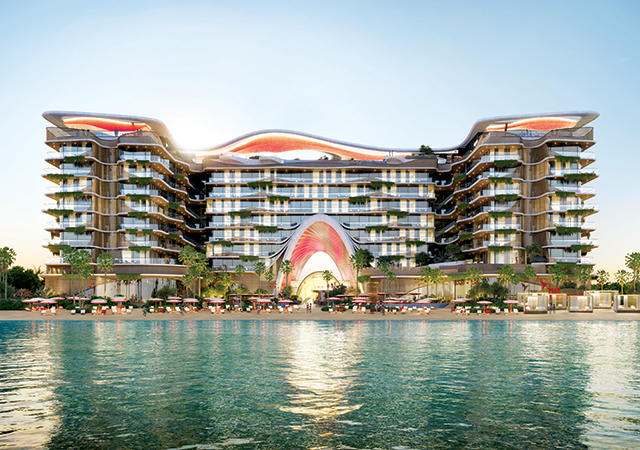
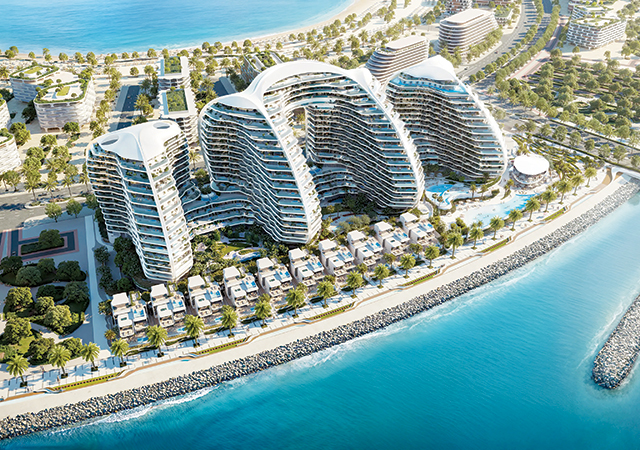
Mina Al Arab ... new Choithrams outlet on cards. |
The resort will cover an area of 50 hectares and is being touted as a sports tourism complex. A key feature will be a 10,000-seater stadium, described as the first to be ‘open to the sea’. A theme park, Real Madrid museum, marina and other sports facilities will be part of the development, along with a residential area and hotels. The project is expected to be part funded by investment fund RAK Marjan Island Football and the government of the emirate.
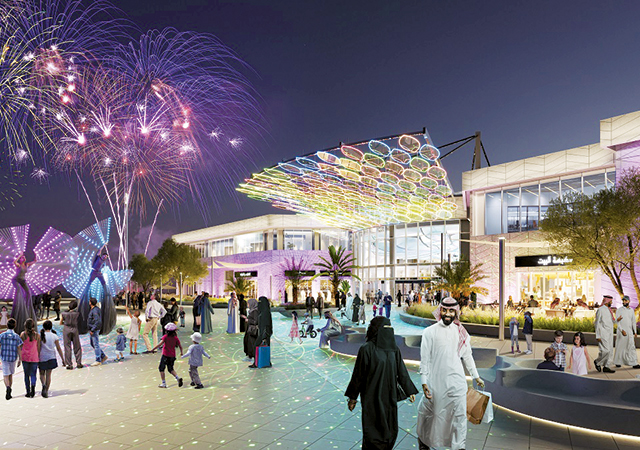
Ras Al Khaimah is also home to the Al Hamra Village, a master-planned development where the first Waldorf branded property in the UAE, the Waldorf Astoria, is expected to open its doors early next year. The mixed-use development also includes Al Hamra Golf Club’s 18-hole championship golf course, Al Hamra Mall, Al Hamra Marina and Yacht Club, and a convention centre with capacity for 1,000 people. The developer is looking at expanding the Al Hamra Mall to include a number of additional attractions such as a children’s entertainment venue and a multi-screen cinema complex (see page 60).
Meanwhile, Sharjah is pressing ahead with three major tourism initiatives worth a total of Dh920 million ($250 million).
The Sharjah Investment and Development Authority (Shurooq) recently announced that it would develop the Al Hisn Island in Dibba Al Hisn, following the approval of the project by Sharjah’s Ruler Dr Sheikh Sultan bin Mohammed Al Qassimi. The new initiative brings the number of projects being undertaken by Shurooq in the eastern and coastal regions of Sharjah to three, including the recently announced Dh420-million ($114 million) Chedi Khorfakkan Resort and the Kalba Eco-tourism project.
The leisure and tourism project will include a major water canal and a number of cafes and restaurants with stunning views of the canal, parks, children areas, as well as a number of various other facilities.
The Kalba Eco-tourism project is being implemented in three phases, the first of which will see the redevelopment of natural reserves in Kalba (Hafiya and Al Qurm natural reserves), the release of rare animals and birds and the establishment of a centre within the reserve for visitors, as well as the restoration of archaeological sites within the project.
The second phase of the project will involve the development of Kalba Lake and the construction of a commercial complex, which will be located alongside the lake and will comprise a number of restaurants, retail outlets, children’s games arcade, parks, and observation points to see the animals and birds in the reserves.
This phase will also comprise the development of a number of islands in the creek, as well as rehabilitation work to revive their natural marine and bird life.
Phase Three, designated the tourism part of the project, will see the construction of a number of hotels and chalets, with more than 300 rooms, overlooking the Gulf of Oman.
Shurooq is also conducting studies to develop the Khorfakkan Corniche and a new leisure project in Al Badayer in the Central Region. The project will comprise an integrated and self-sustained tourism complex with a number of restaurants and cafes, in addition to a tourist information centre and reception stations, outdoor theatre, areas for camel and horse riding, jogging, cycling, and relaxing as well as Bedouin-style seating and barbecue areas.
Among other developments in Sharjah, the first phase of a 15-year project to restore the emirate’s heritage area is well on its way to meeting its 2015 completion date, according to the Sharjah Department of Culture.
Abdulaziz Al Musallam, the department’s director of heritage and cultural affairs, said work is well under way at several sites as part of the five-phase Heart of Sharjah project. Restoration work has begun at Al Hisn Fort, while walls are being repaired at Al Midfa Houses. Repairs on Al Midfa Tower are about to start while foundation work has been completed at Al Tawaweesh House, where further design studies are under way.
“The Heart of Sharjah represents one of the most significant and ambitious restoration and development projects that have ever been attempted in the UAE or the GCC at large and we are extremely pleased with the progress that is being made on this landmark project,” said Al Musallam.
The project, scheduled for completion in 2025, features commercial, cultural and residential elements. Planned attractions include a boutique hotel, restaurants, retail shops, art galleries, traditional and contemporary markets, archaeological sites, museums, play areas and offices.
Many of these will be housed in renovated period houses, in an attempt to weave Sharjah’s modern life with its historical character.
Meanwhile, Ajman has reorganised its tourism department in a bid to boost investment into this vital sector and achieve sustainable development, according to a WAM news agency report.
While a huge number of real estate projects have been cancelled or put on hold in the Northern Emirates, among the projects that have restarted – albeit downscaled to half its original size – is the Dh4-billion ($1.1 billion) flagship resort of Al Zorah Development Company, Ajman’s state-backed tourism project.
The luxury Al Zorah Resort was designed as the crown jewel of the Dh220-billion ($59.95 billion) Al Zorah City development, but was suspended after the collapse of the emirate’s real estate market in late 2008.
Some 70 per cent of the development, a joint venture with Beirut’s Solidere International, will comprise tourism and leisure facilities. The first phase of the project will include four hotels and marinas, and will be funded by the company.
Ajman is also looking to enter the meetings, incentives, conferences and exhibitions (MICE) market. In early June, Crown Prince Sheikh Ammar bin Humaid Al Nuaimi gave the go-ahead for the construction of an international-standard convention centre in the emirate. Though full details of the project have yet to be released, the stand-alone centre will feature a number of community and conference halls, as well as facilities for exhibitions and other events.
Real estate & housing
Scores of investors were hit when the property market collapsed in late 2008, sending house prices tumbling. In the $15-billion Emirates City development in Ajman alone, more than a dozen projects are on hold, affecting hundreds of buyers.
Developers have been trying to attract investor confidence in their projects.
At Ajman Uptown, for instance, developer Sweet Homes Holdings in June said the first 200 units at its much-delayed real estate project would be completed this year. The company also assured Ajman’s property regulator that infrastructure like electricity and water utilities will be completed at the same time, according to a newspaper report.
Originally scheduled for completion by 2010, the $598 million project is set to feature more than 1,500 villas as well as a range of community facilities.
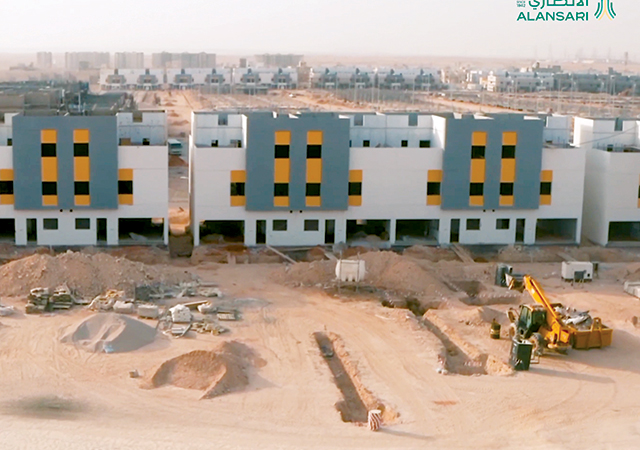
Meanwhile, the Ras Al Khaimah government has allocated 3,020 residential plots to Emiratis over the past two years. Another 2,414 plots were allocated to the Sheikh Zayed Housing Programme in 2010 and 2011. In the northern desert neighbourhood of Al Dhait, 1,028 residential plots have been announced in recent months.
Roads
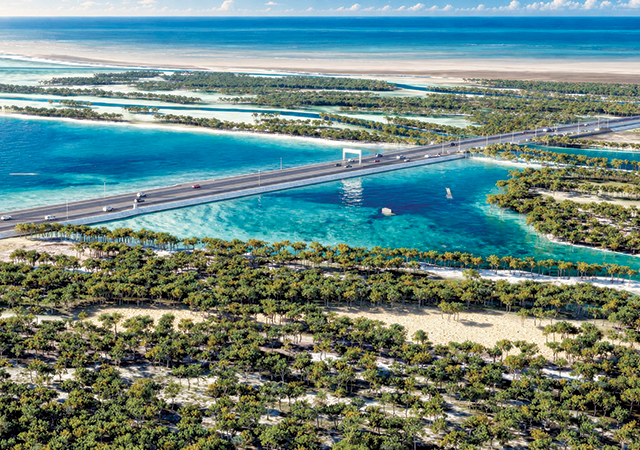
A number of infrastructure projects have been launched recently. These include Ras Al Khaimah’s western ring road project to be built at the cost of Dh398 million ($108.45 million). Work on the three-lane motorway is expected to start by the end of the year and is likely to be completed in 2014. The 32-km Ras Al Khaimah Ring Road will bypass the city and connect Emirates Road to northern villages, quarry areas and Saqr Port. The ring road was first announced in 2008 with completion scheduled for 2010.
Another key road scheme for Ras Al Khaimah is a two-phase Dh600-million ($163 million) project to connect the Dubai Bypass road to the Ras Al Khaimah Bypass is expected to be completed by early 2014.
Recently, the federal government announced an additional 300 km of road construction in 51 residential areas across the emirate to be completed by August 2013.
Meanwhile, Sharjah has launched the Dh350-million ($95.37 million) third phase of the Emirates Road widening programme with construction works at National Paints Roundabout. The project, which includes the addition of two extra lanes in each direction, aims to alleviate congestion in the area that has suffered traffic bottlenecks and ensure an effective rainwater drainage.
The third and last phase is planned to be completed by the end of 2013 and involves the widening of the existing bridge, building new bridges in the area, widening Emirates Road to five lanes in each direction and constructing a new drainage network as well as installing street lights.
The Dh468-million ($127.5 million) second phase is 60 per cent complete while the first phase was completed in January this year at the cost of Dh64 million ($17.44 million).
Plans to extend the Sheikh Khalifa motorway that connects from Fujairah to the Sharjah-Kalba Road are awaiting approval from the Sharjah government.
Other projects
• A mosque for 28,000 worshippers will be built in Ras Al Khaimah city. The Dh250-million ($68.12 million) project will cover 18,000 sq m and will include an Islamic museum, a library, a Quran memorisation centre and landscaped gardens.
• The first phase of the 22,000-sq-m Sheikh Zayed Mosque in Fujairah is scheduled for completion this month (November). The Fujairah mosque will hold 28,000 worshippers once completed in two-and-a-half years.
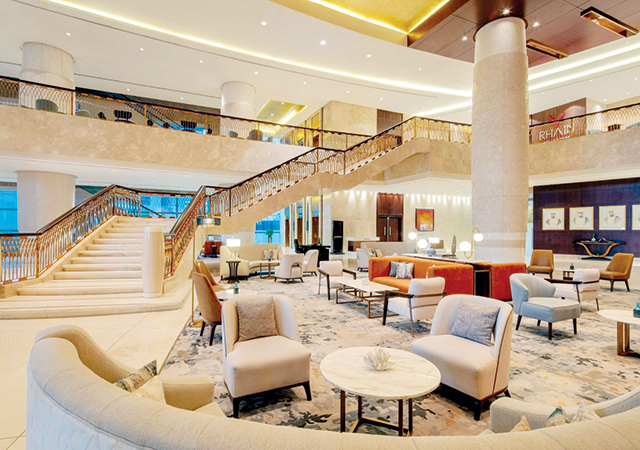
• RAK Properties has tied up with Choithrams to develop two retail outlets in Mina Al Arab and Julfar Towers to boost the retail industry in the Northern Emirates. The shopping outlet in Mina Al Arab will cover an area of 656 sq m while the Julfar Towers outlet will exceed 796 sq m. Both outlets will be delivered in the first quarter of 2013.
• The Dh500-million ($136.24 million) Umm Al Quwain Hospital is expected to be completed by next January. The hospital consists of two storeys with an area of 54,000 sq ft and a capacity of 200 beds. Construction work on the hospital started in April 2008.
• Plans are being drawn up to build the Sharjah Health Care City (SHCC), a health and a medical free zone, supervised by Sharjah Health Authority. The aim is to promote the emirate as a hub for healthcare and services and other related activities like establishing hospitals, medical, healthcare and pharmaceutical companies, and centres for supplementary treatment.