






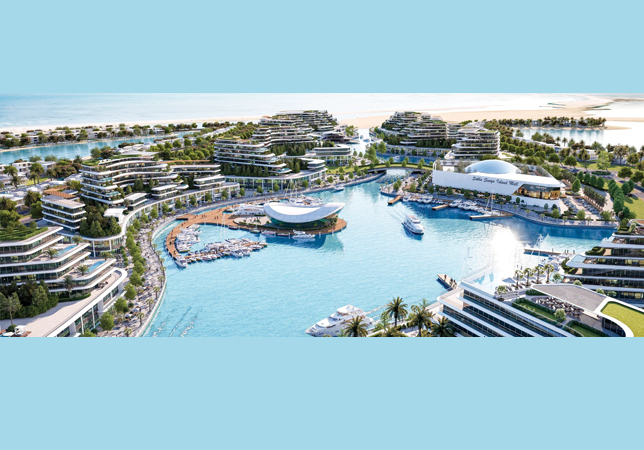
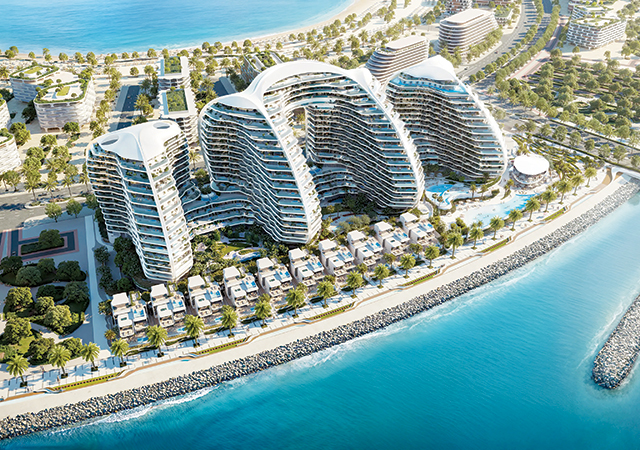
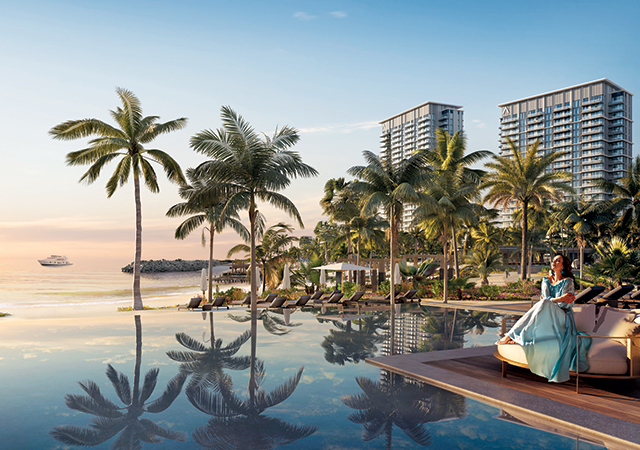
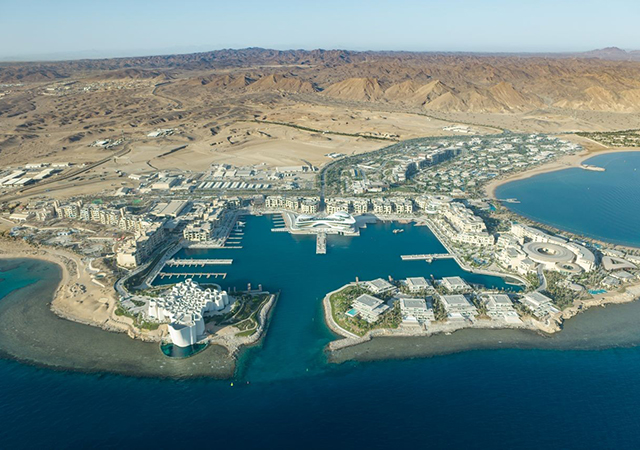
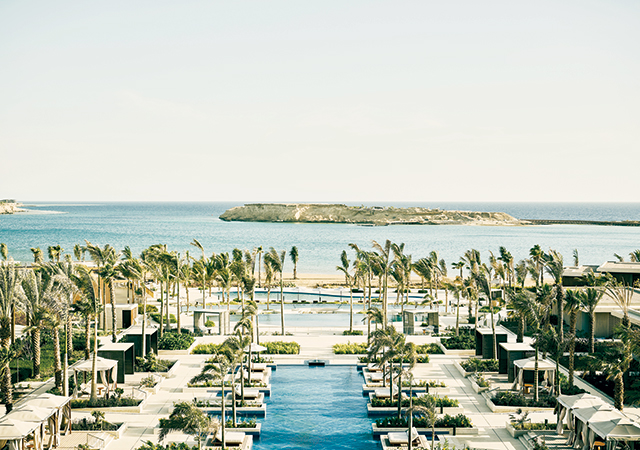
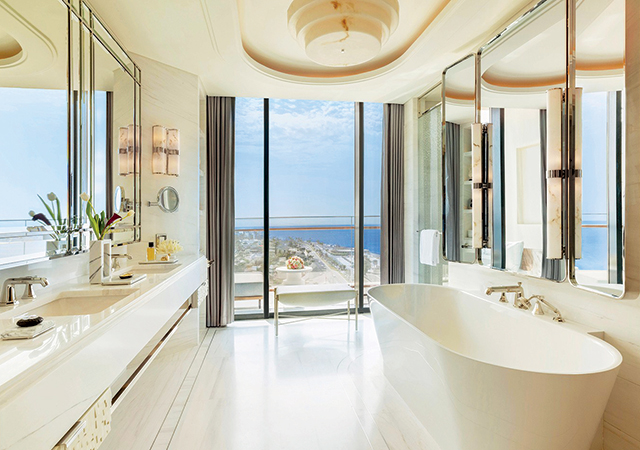








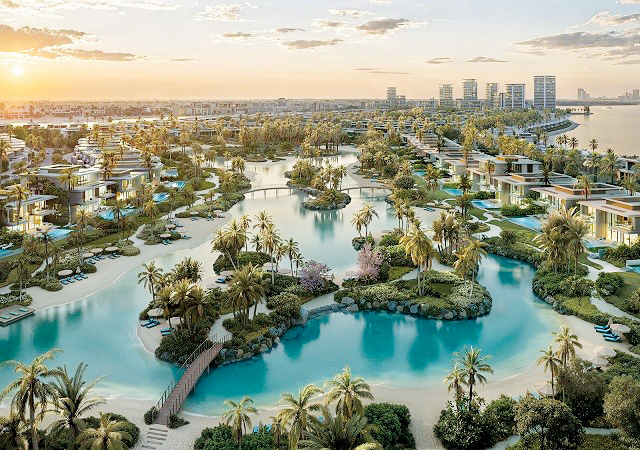

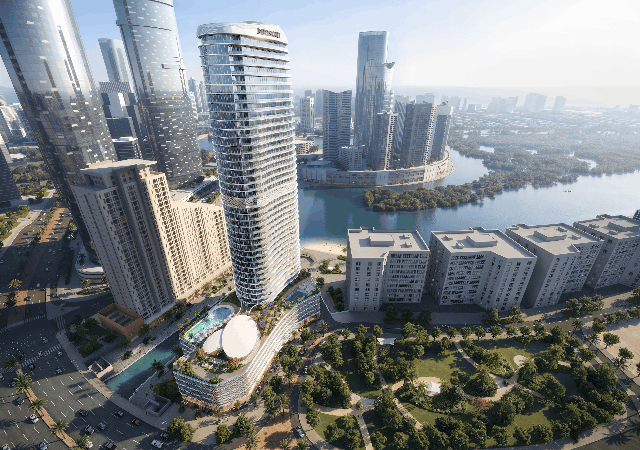





Proximity to water is emerging as more than a premium feature in Dubai’s luxury property market, with new research suggesting that seafront living is increasingly influencing how residents structure their daily lives, pursue wellbeing and assess long-term property value.
A study commissioned by investment company Shamal Holding and conducted by YouGov among 1,009 UAE residents found that 96 per cent of respondents make daily decisions influenced by proximity to water, from travel and exercise to stress management. Almost nine in 10, or 88 per cent, said regular access to seafront walkways, marinas or sea views at home would lead them to adapt their physical wellbeing routines.
The findings form part of Shamal’s Future of Seafront Being initiative, which combines the survey with a white paper and perspectives from experts in architecture, urban sustainability, real estate strategy and landscape design.
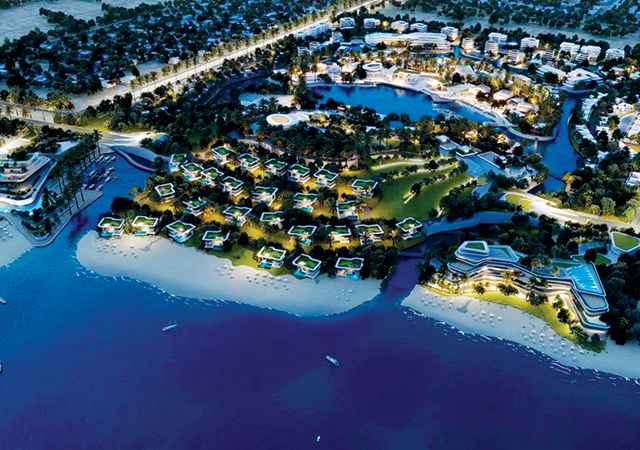
The research points to a shift in the way luxury waterfront property is perceived. Rather than simply offering an attractive setting or a prestigious address, seafront developments are increasingly being judged by how effectively they integrate water into everyday life.
Seafront access
Walking at sunset was the most commonly cited activity associated with seafront access, at 60 per cent, followed by sitting by marinas at 53 per cent and leisure or dining by the beach at 51 per cent. Overall, 88 per cent of respondents said living by the seaside meaningfully enhances their mental and physical wellbeing.
The emotional connection with water was similarly strong. Some 91 per cent said they feel more relaxed near water, with respondents associating seafront access with relaxation, quiet space, uplifting emotions, a stronger connection to nature and inner balance.
The findings also point to a significant shift in lifestyle aspirations. Some 82 per cent of respondents said they were considering moving to seafront or marina living within the next two to three years, while 45 per cent preferred coastal and marina environments over high-density urban settings.
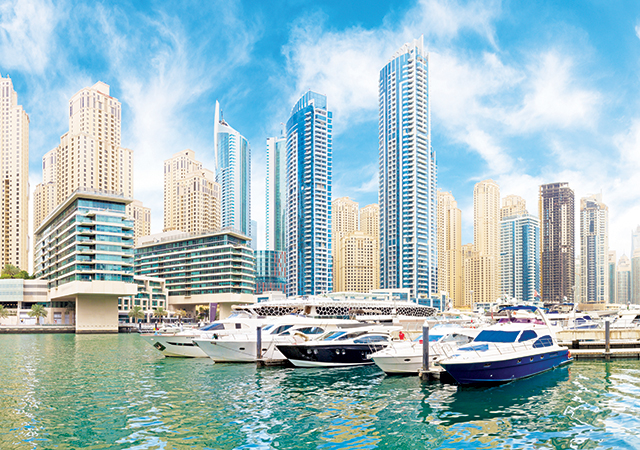
Overall, 88 per cent of respondents said living by the seaside meaningfully enhances their mental and physical wellbeing.
For the luxury property market, the investment implications are equally significant. Some 93 per cent of respondents said they would pay a premium for homes on the seafront, while 99 per cent believed proximity to water increases a property’s long-term value. The research suggests that scarcity of prime coastal land could reinforce the premium attached to such developments, while also placing greater emphasis on the quality of the wider environment rather than the residential unit alone.
The findings redefine some of the traditional markers of luxury. Meaningful, nature-connected living was identified by 48 per cent of respondents as the leading marker of a desirable home, ahead of design trends at 40 per cent and social prestige at 33 per cent. This suggests that luxury is increasingly being measured through experience and quality of life – including access to nature, opportunities for exercise, restorative spaces and social interaction – rather than solely through architecture, interiors or exclusivity.
For developers, the implications extend beyond individual properties to the planning and design of entire destinations.
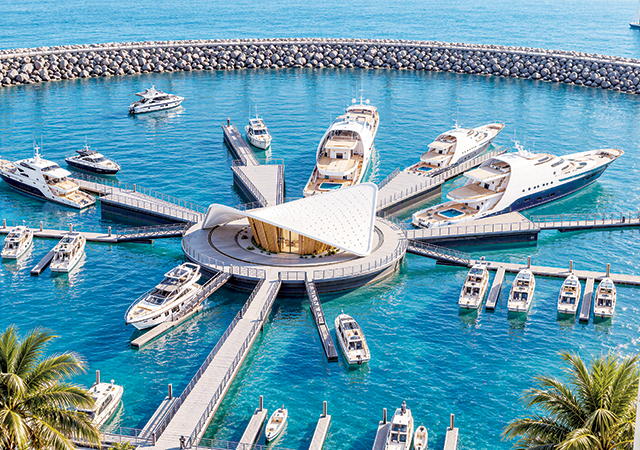
The Future of Seafront Being research argues that waterfront environments can contribute to healthier and more connected communities when water is integrated into the fabric of daily life through walkable public spaces, leisure facilities, marinas, landscaped areas and social destinations.
The findings also align with Dubai’s broader urban development agenda, which places increasing emphasis on wellbeing, access to nature, walkability and high-quality public spaces. They support the direction of the Dubai Quality of Life Strategy 2033 and Dubai 2040 Urban Master Plan, while also contributing to the competitiveness objectives of the Dubai Economic Agenda D33.
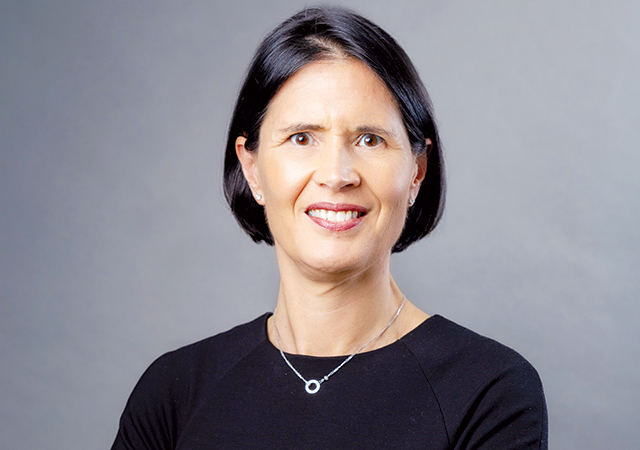
For Abdulla Binhabtoor, Chief Executive Officer of Shamal Holding, the shift represents an evolution in the role of the waterfront.
“In Dubai, our relationship with the sea has always shaped our identity and ambition. We believe that Seafront Being is the evolution of seafront living, from simply residing by the water to experiencing the waterfront as an integrated part of daily life, work, leisure, wellbeing and belonging. At Shamal, we see this as a responsibility of design, not a benefit of position,” he says.
Evidence base
He says the research is intended to provide an evidence base for developers, investors and planners as Dubai’s urban environment continues to evolve.
“With Dubai’s advancement as a city centered around quality of life, there is a necessity to generate the evidence that informs it. That means investing in research and expert dialogue, listening carefully and testing our assumptions,” he says. “As prime coastal land becomes increasingly scarce, our focus remains on creating places that enrich lives today and endure for generations to come.”
The study was conducted by YouGov in 2025 on behalf of Shamal among UAE residents with monthly household incomes of AED20,000 ($5,445) or more. Of the 1,009 respondents, 393 had monthly incomes of AED50,000 or more or a net worth of $1 million or above.
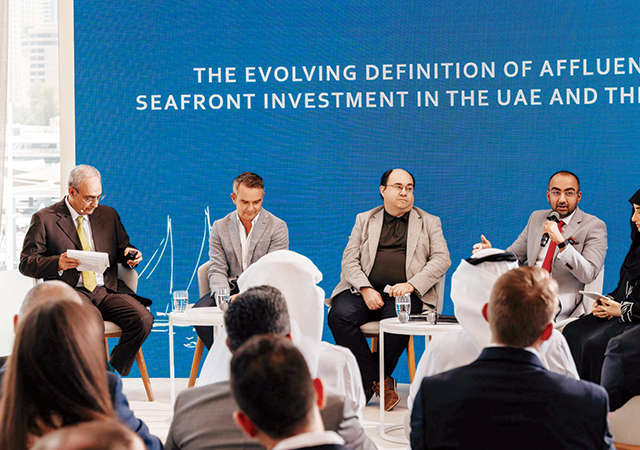
The research was further explored through a multidisciplinary panel convened at Dubai Harbour, bringing together architectural design, urban sustainability, real estate strategy and landscape architecture expertise.
The resulting white paper, The Future of Seafront Being, positions the waterfront as an increasingly important component of urban quality of life rather than simply a setting for high-end residential development.
Supported by expert insights from industry leaders spanning architecture, urban sustainability, strategy, and landscape design – including representatives from U+A, UAE University, Knight Frank, and Desert INK – the initiative provides developers, investors, and urban planners with a practical evidence base.
As global urban hubs increasingly differentiate themselves through liveability, Shamal’s research underscores that blue-space integration has evolved from a high-end branding feature into a benchmark for sustained urban resilience and asset value.