





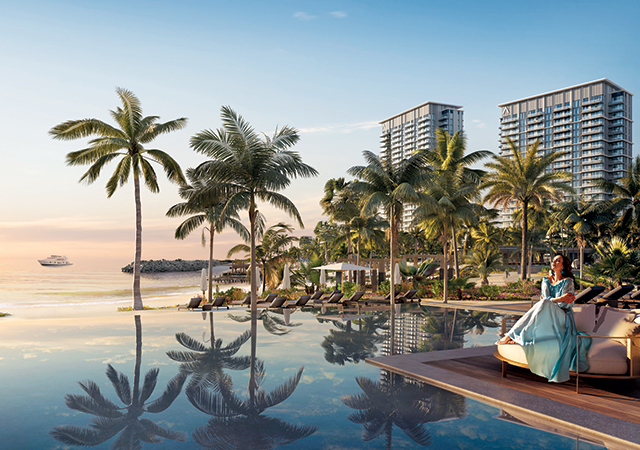
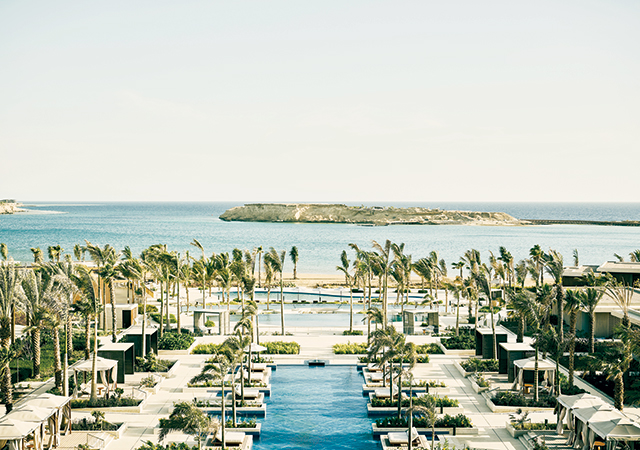
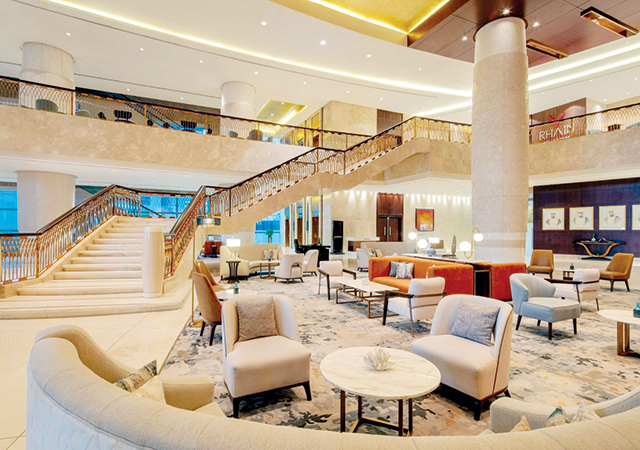
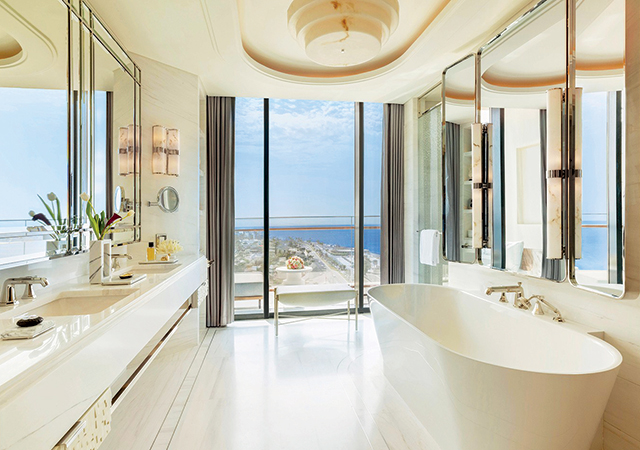







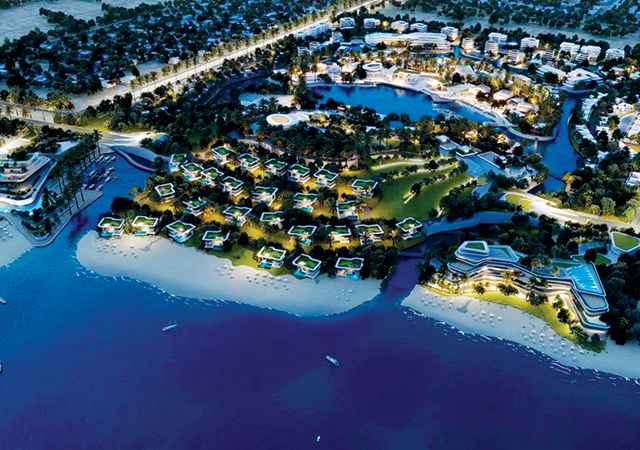
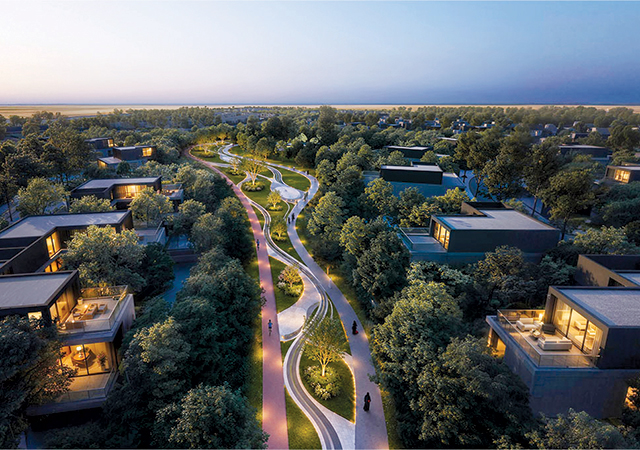


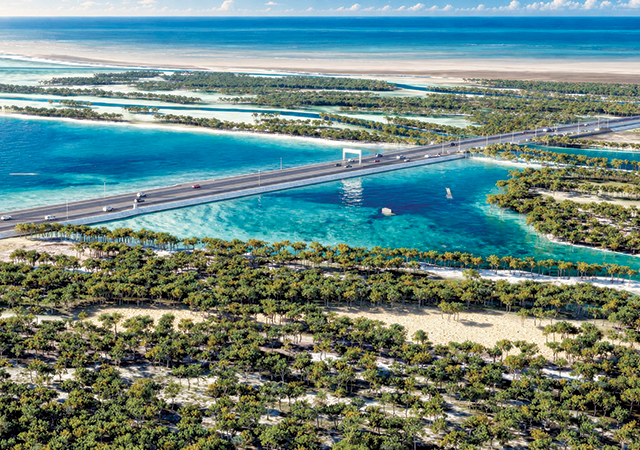
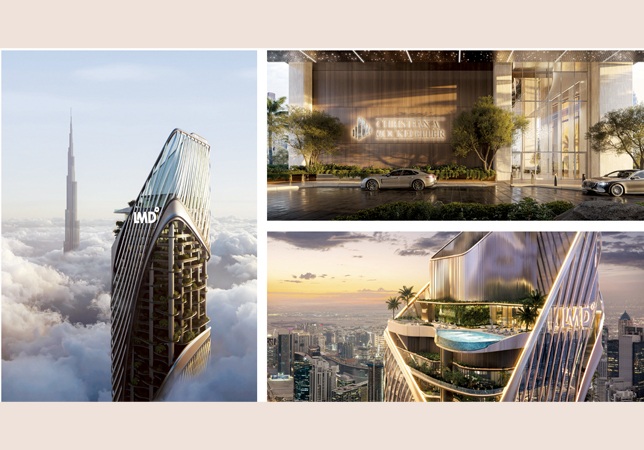
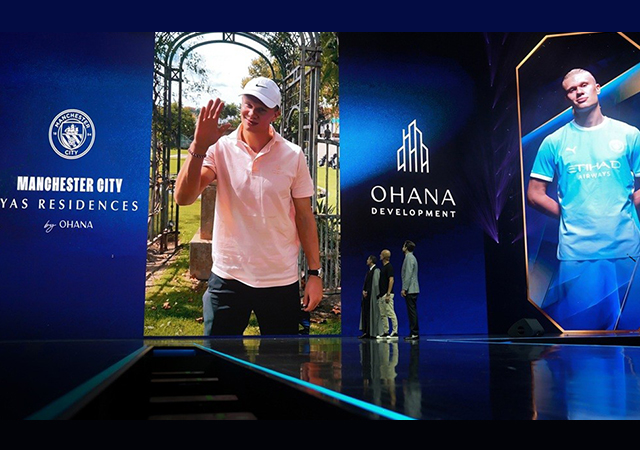
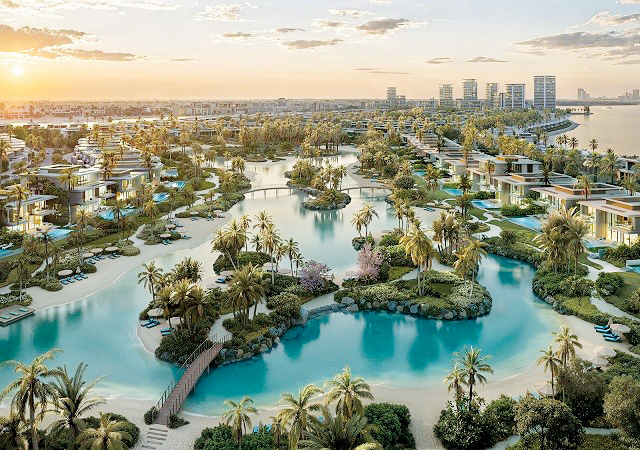
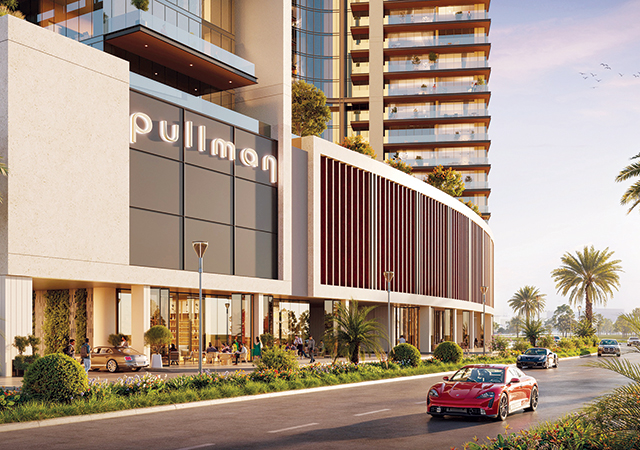




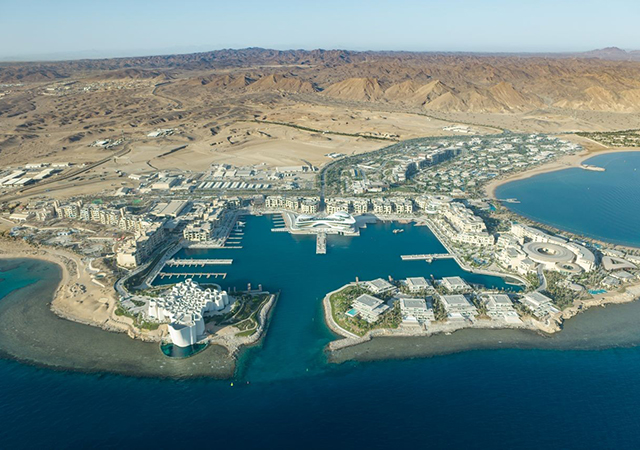
Red Sea Global has brought Amaala, its ultra-luxury, regenerative wellness and tourism megaproject on Saudi Arabia’s Red Sea coast, to life as an operating destination, opening the first wave of hospitality and lifestyle venues at Triple Bay.
Nestled across three naturally occurring bays on the rugged north-western coast where the Hijaz Mountains meet the Red Sea, the wellness hub recently opened these five destinations in quick succession - Four Seasons Amaala, Rosewood Amaala, Nammos, Equinox, the Amaala Yacht Club and the latest Jayasom Wellness Resort - following the opening of Six Senses Amaala in July.
The remaining two that complete Phase One are Clinique La Prairie Health Resort and The Ritz-Carlton Resort.
Speaking about the most recent resorts to open at Triple Bay, Red Sea Global’s Head of Construction Fahad AlBalawi tells Gulf Construction’s Bina Goveas that delivering five luxury hospitality assets at once in a destination still under development “required very strong programme integration”.
Together they add up to a substantial hospitality portfolio: 202 rooms and 26 branded villas at Four Seasons, 110 rooms and 26 branded residences at Rosewood, 128 keys and 21 residences at Equinox, 110 rooms and 20 branded residences at Nammos, 100 suites and villas alongside 25 branded residences at Six Senses and 153 keys and 24 residences at Jayasom Wellness Resort.
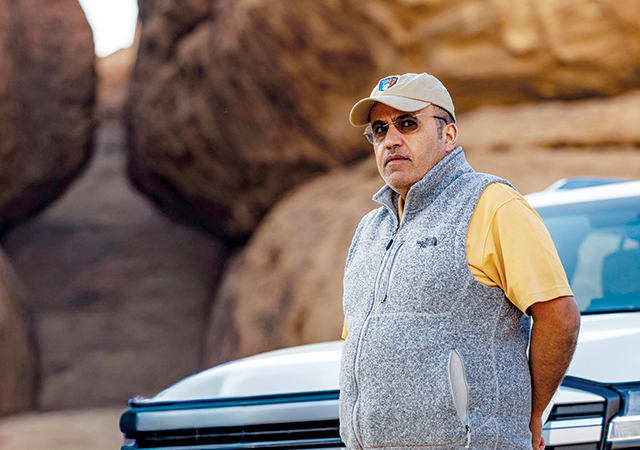
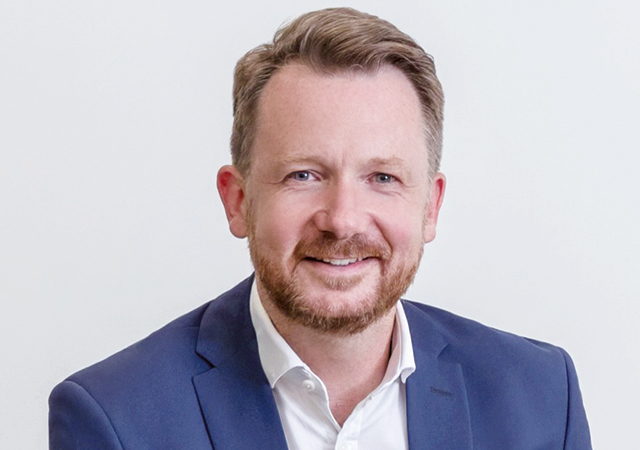
Fahad AlBalawi
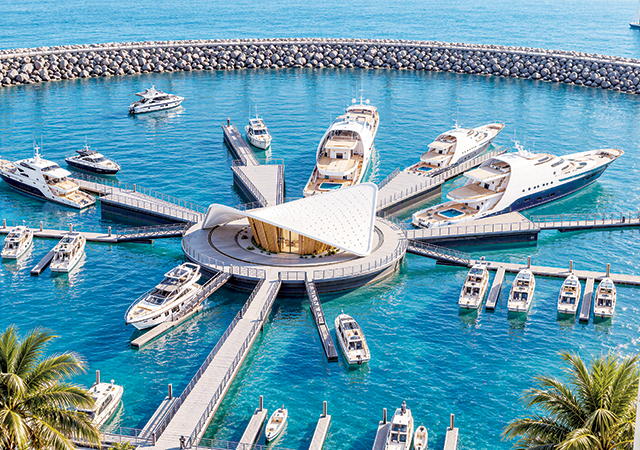
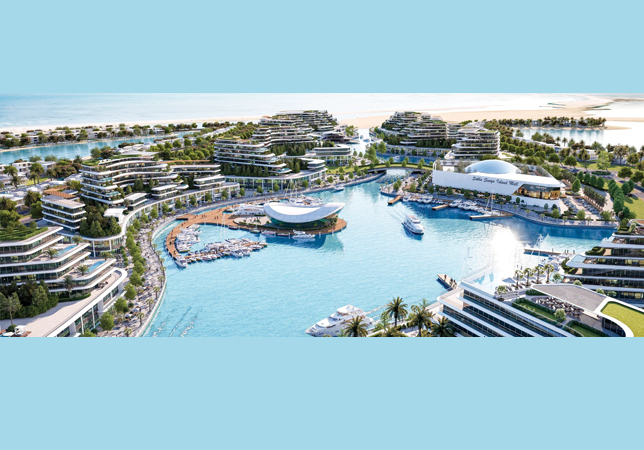
The Yacht Club forms the nautical centrepiece of Triple Bay Marina, which has 116 berths, 50 of them sized for vessels up to 120 m.
The architects behind the first wave include Foster + Partners, U+A Architects, ACPV Architects and HKS.
What makes the programme unusual is not only the number of assets but the setting. All five were delivered within a destination of roughly 4,200 sq km that was itself still under development, with each project required to meet the standards of a different international brand while sharing infrastructure, logistics and utilities.
AlBalawi says the clearest lesson from the programme was early integration. Bringing design, construction, procurement, logistics and operations together early, he says, “allows interfaces to be identified sooner, decisions to be made faster and delivery risks to be managed more effectively.”
Late last year, RSG reported that it had invested SAR51.04 billion ($13.59 billion) into Phase One of the destination’s development. When complete, it will feature a total of nine resorts, encompassing more than 1,600 keys including branded and unbranded residences.
Excerpts of the interview with Fahad AlBalawi, Red Sea Global’s Head of Construction:
Amaala’s first wave of hospitality and lifestyle destinations at Triple Bay. Could you give us an overview of these projects and the role Red Sea Global played in bringing them from design through construction and fit-out to opening?
Amaala’s first wave at Triple Bay represents a major milestone in the delivery of the destination and brings together a diverse portfolio of hospitality and lifestyle assets, including Four Seasons Amaala, Rosewood Amaala, Nammos Resort Amaala, Equinox Resort Amaala, Six Senses Amaala and Jayasom Wellness Resort Amaala the Amaala Yacht Club.
Each asset has a distinct identity and operational model. Four Seasons comprises 202 rooms and 26 branded villas, Rosewood includes 110 rooms and 26 branded residences, Equinox features 128 keys and 21 residences, while Nammos comprises 110 rooms and 20 branded residences, Six Senses Amaala brings a distinctive approach to luxury wellness, with 100 suites and villas alongside 25 branded residences and Jayasom Wellness Resort Amaala introduces a comprehensive wellness experience, featuring 153 keys and 24 residences within Amaala’s dedicated wellness core. The Amaala Yacht Club forms the nautical centrepiece of Triple Bay Marina.
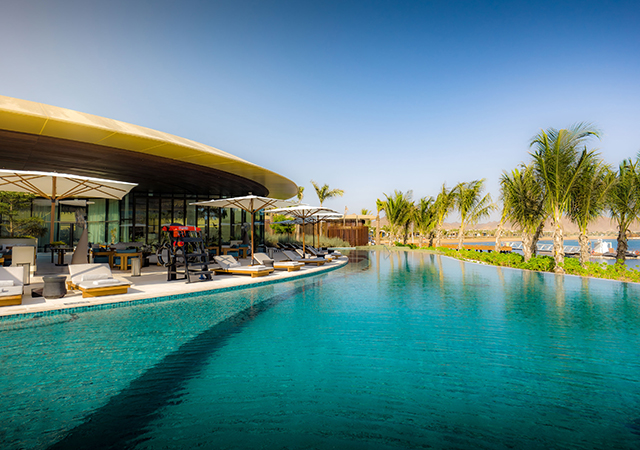
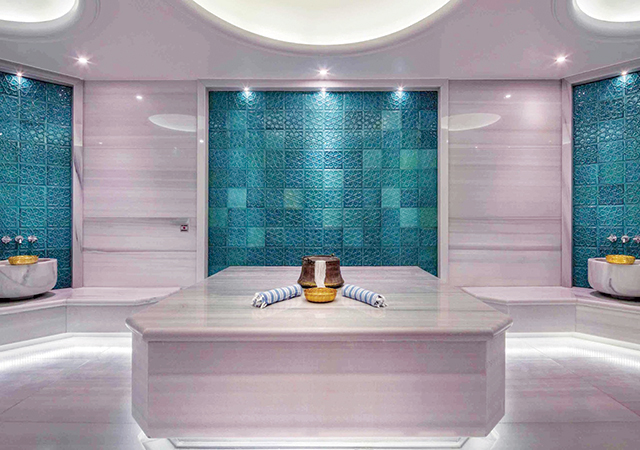
Equinox includes the largest fitness facility in Amaala, together with advanced recovery and regeneration facilities.
From a construction and delivery perspective, the key challenge was not simply completing individual buildings, but bringing all of these assets together as one integrated destination. Red Sea Global led the overall development and delivery process, coordinating internationally recognised architects, designers, operators, consultants and contractors from design development through construction, fit-out, testing, commissioning and operational readiness.
Our responsibility was to ensure that each project maintained its own brand standards and guest proposition while remaining aligned with the wider Amaala vision. That required strong programme governance, continuous coordination and a consistent focus on quality, sustainability and the overall guest experience.
What were the principal challenges of delivering several major hospitality and lifestyle developments concurrently at Triple Bay?
The principal challenge was the scale and complexity of delivering several luxury hospitality assets at the same time within a destination that was itself still being developed.
Each project had different brand standards, design requirements, specialist systems and operational priorities. At the same time, all of them had to interface with common infrastructure, logistics, utilities and destination-wide systems and ultimately operate as one cohesive guest experience.
This required very strong programme integration. We had to continuously align design, procurement, construction, fit-out, commissioning and operator requirements across multiple workstreams.
The focus was always on maintaining momentum without compromising quality. That meant identifying critical interfaces early, prioritising decisions that could affect the programme, and maintaining close collaboration between contractors, consultants, designers and operators throughout delivery.
How did the construction and delivery strategies differ between the various projects?
Although all of the projects form part of the same destination, each asset required a different delivery strategy because each brand has a very different guest proposition and operational model.
Four Seasons was shaped around multi-generational luxury and wellness, Rosewood around residential-style luxury and privacy, Equinox around performance-led wellness, Nammos around lifestyle, dining and social experiences, while the Yacht Club was designed around yachting, hospitality and waterfront activity.
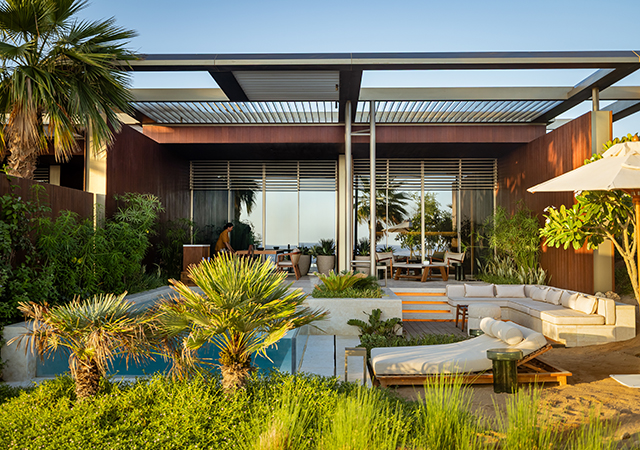
Rosewood Amaala has a very distinct character, driven by the brand’s “Sense of Place” philosophy.
That meant we could not apply one standard delivery approach across every asset. The sequencing of works, specialist packages, fit-out priorities, operator interfaces and commissioning requirements all had to respond to the specific needs of each project.
At the same time, we maintained a common programme-wide approach to quality, safety, sustainability and delivery governance. The balance was, therefore, between tailoring the construction strategy to each brand while maintaining consistency across the wider destination.
Four Seasons Amaala was one of the flagship projects of the first wave. What were the most challenging aspects of its delivery?
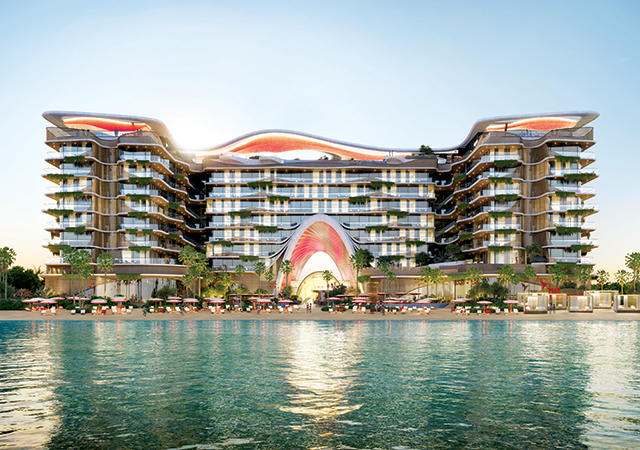
Four Seasons Amaala is a complex resort that combines a significant hospitality programme with extensive landscaping, wellness facilities, branded residences, gardens, water features and recreational areas across approximately 900 m of beachfront.
One of the main construction challenges was coordinating the large number of interfaces between the buildings, external works, landscape, specialist facilities and guest-facing areas while maintaining the quality standards expected from the Four Seasons brand.
The relationship between the built environment and the surrounding landscape was particularly important. This required close coordination between architectural, interior, landscape, MEP and operational requirements throughout construction and fit-out.
For us, one of the key lessons was the importance of early integration between design, construction and operations. On a project of this nature, decisions made in one area can have a direct impact on guest experience and operational performance, so maintaining that integration throughout delivery was essential.
How did the requirements of Rosewood Amaala influence its construction and fit-out?
Rosewood Amaala has a very distinct character, driven by the brand’s “Sense of Place” philosophy and a strong emphasis on privacy, residential-style luxury and connection to the natural environment.
The resort extends across approximately 1.4 km of coastline and includes dedicated wellness, family and residential zones.
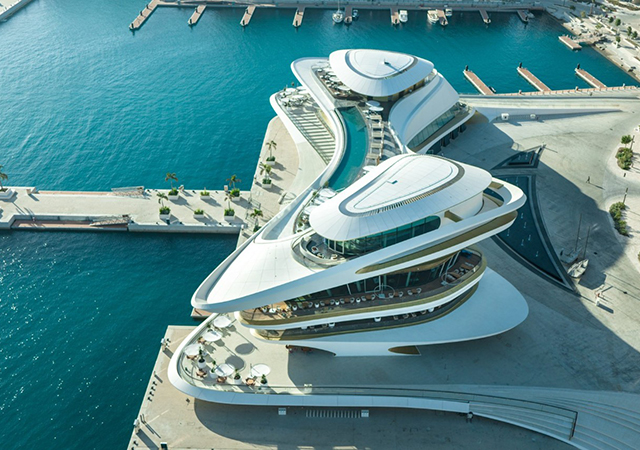
Designed by HKS, Amaala Yacht Club combines hospitality, social spaces and marine services within one integrated facility.
From a construction and fit-out perspective, this meant that the level of coordination and attention to detail was particularly important. The architecture, interiors, landscape and guest spaces all needed to work together to create the intimate character expected from a luxury coastal retreat.
Our role was to make sure that the design intent was maintained throughout construction while also ensuring that operational requirements and sustainability considerations were properly integrated into the final product.
Nammos represents a very different proposition. What challenges did it present?
Nammos introduced a very different operating model and atmosphere compared with the other hospitality assets within Triple Bay. It combines luxury accommodation with a strong focus on dining, entertainment and social experiences overlooking the marina and Red Sea coastline.
The main construction challenge of the project was achieving the right balance between hospitality operations, guest accommodation, restaurants, outdoor areas and social spaces.
The architectural concept itself also required careful execution, blending traditional Hijazi influences with Cycladic design characteristics. This placed significant importance on architectural detailing, material selection and the coordination between interior and exterior spaces.
The delivery strategy, therefore, had to support both the operational intensity of the F&B and lifestyle areas and the quality expectations of a luxury resort.
What specialist requirements did Equinox introduce?
Equinox introduced one of the most technically specialised hospitality concepts within the first wave.
The resort includes the largest fitness facility in Amaala together with advanced recovery and regeneration facilities and wellness technologies such as cryotherapy and hyperbaric oxygen therapy.
The challenge was integrating hospitality spaces with specialist wellness facilities, equipment and supporting building systems. These spaces require close coordination between architecture, MEP, specialist vendors and operator requirements to ensure that the finished facilities perform as intended.
Our focus was, therefore, on early interface management and ensuring that the specialist requirements were incorporated into the construction and fit-out process rather than treated as standalone installations at the end of the programme.
What were the key considerations in delivering the Amaala Yacht Club?
The Amaala Yacht Club is a signature asset within Triple Bay Marina and plays an important role in positioning Amaala as a luxury yachting and sailing destination on the Red Sea. Designed by HKS, the yacht club combines hospitality, social spaces and marine services within one integrated facility.
From a construction and delivery perspective, one of the key considerations was the interface between the building, the marina and the wider waterfront environment.
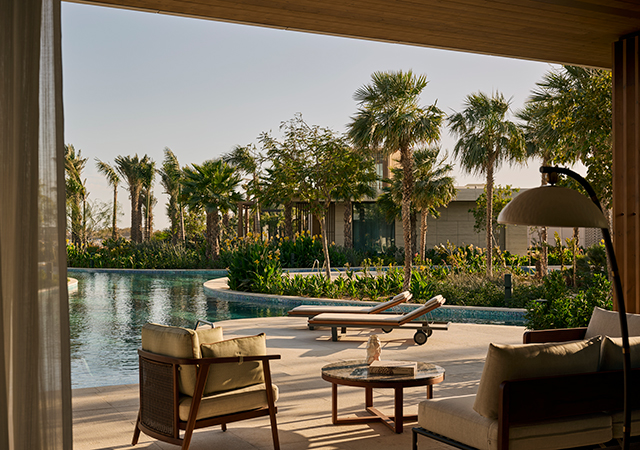
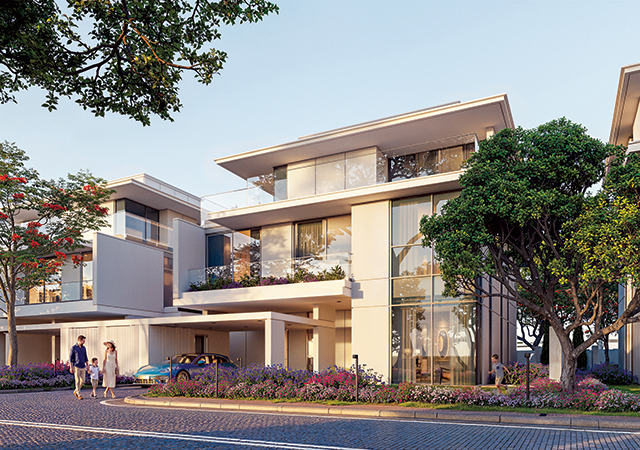
Lagoon villas at the Four Seasons Amaala.
The yacht club needed to operate not only as an individual asset but also as an integral part of the marina experience. This required strong coordination between the architectural works, marine-related interfaces, external areas and the wider destination infrastructure.
The objective throughout delivery was to maintain that seamless connection between the building, marina and guest experience.
Were there bespoke architectural or interior elements across the projects?
Absolutely. One of the defining characteristics of the first wave is that each project has its own architectural and interior identity.
The projects involved internationally acclaimed design firms including Foster + Partners, U+A Architects, ACPV (Antonio Citterio Patricia Viel) Architects and HKS, with each asset responding to its respective brand, guest proposition and location.
Bespoke design naturally creates additional complexity. Unique materials, specialist finishes, custom architectural details and different interior concepts require close coordination between designers, contractors, suppliers and fit-out teams.
Our responsibility was to protect the design intent while ensuring that those details could be delivered safely, efficiently and to the required quality.
At the same time, there needed to be a common thread across the destination, particularly in the relationship between the buildings, landscape and natural environment. Maintaining that balance between individuality and destination-wide consistency was an important part of the delivery process.
How did the remote location affect construction logistics and procurement?
Amaala’s location on Saudi Arabia’s northwestern Red Sea coast created a unique logistics and procurement environment. The destination spans approximately 4,200 sq km, and delivering several major hospitality projects within a completely new destination required significant planning and coordination.
From a construction perspective, logistics could not be treated simply as a support function; it had to be integrated into the overall delivery strategy.
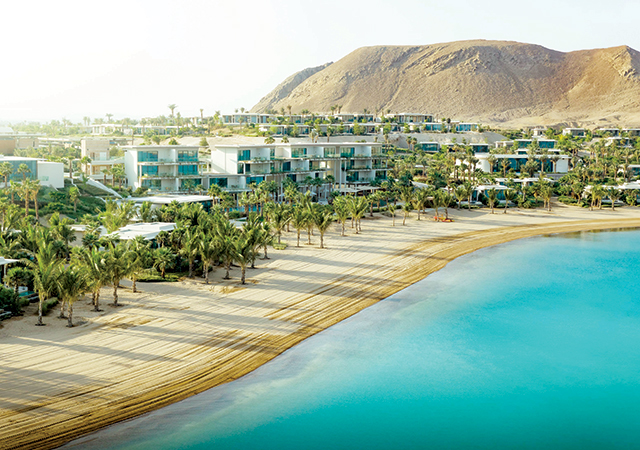
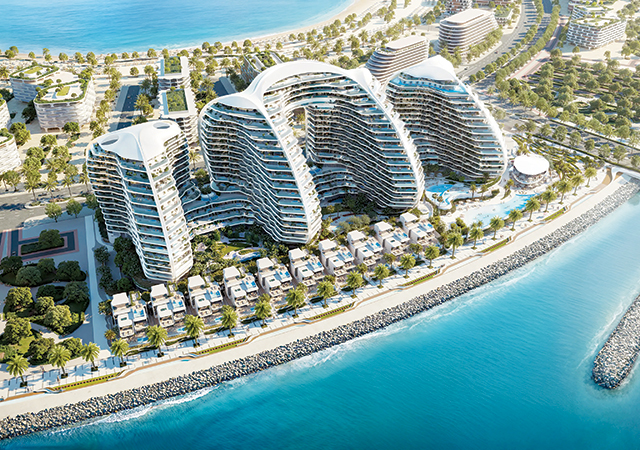
Jayasom Wellness Resort ... the latest to open its doors at Amaala.
The programme required close coordination across projects and stakeholders to support the movement of materials, resources and equipment while maintaining construction progress across multiple assets.
The remote nature of the destination also reinforced the importance of forward planning. Procurement, delivery sequencing and construction priorities had to be closely aligned so that the project teams could maintain continuity of work.
The successful delivery of the first-wave assets demonstrates the strength of the programme planning, logistics coordination and overall delivery strategy established across Amaala.
What were the most critical fit-out interfaces during the fit-out?
The most critical fit-out interfaces were those between architecture, interior design, MEP systems, specialist equipment, operator requirements and the final guest experience. Across luxury hospitality projects of this scale, these elements are highly interconnected, and successful delivery depends on resolving interfaces early and maintaining close coordination throughout construction.
Particular attention was given to guestrooms, public areas, kitchens, wellness facilities, restaurants and other specialist spaces where multiple systems and finishes come together. Our approach was to drive early coordination between designers, contractors, specialist suppliers and hotel operators, supported by mock-ups, detailed inspections and progressive testing and commissioning.
The objective was not simply to complete the physical fit-out, but to ensure that every space performed operationally and reflected the quality and design intent expected from each brand. Maintaining this alignment through the final stages of delivery was critical to achieving a seamless transition from construction into operations.
How did you balance luxury with the coastal environment?
For Amaala, luxury and the natural environment were never considered competing priorities. The destination has been conceived around its extraordinary Red Sea setting, so protecting and integrating with that environment was fundamental to both the design and construction approach.
From a delivery perspective, this meant carefully managing construction activities around sensitive coastal areas, coordinating landscape and infrastructure works with the natural terrain, and ensuring that materials, architectural forms and external spaces complemented the surrounding environment.
At the same time, the projects needed to meet the expectations of some of the world’s leading luxury hospitality brands. The result is a form of luxury that is defined not only by the quality of the buildings and finishes at Amaala, but also by the relationship guests have with the landscape, the coastline and the wider destination.
How were regenerative-development objectives translated into delivery?
Regenerative development had to move beyond design ambition and become part of the day-to-day delivery process. This required environmental and sustainability considerations to be embedded into construction planning, procurement, logistics, waste management and site execution.
Across the programme, we focused on reducing construction impacts, improving the use and reuse of resources, managing waste responsibly and protecting sensitive terrestrial and marine environments. These objectives also required close coordination between construction teams, designers, sustainability specialists, contractors and supply-chain partners.
For us, regenerative development means that success is not measured only by the assets we complete, but also by the condition in which we leave the surrounding environment and the long-term value the destination creates.
That philosophy has been an important part of how Amaala has been planned and delivered.
What are the biggest lessons learned from the first wave?
One of the biggest lessons is the importance of early integration. On projects of this scale and complexity, design, construction, procurement, logistics, operations and commissioning cannot operate independently. Bringing these functions together early allows interfaces to be identified sooner, decisions to be made faster and delivery risks to be managed more effectively.
Another key lesson is the importance of maintaining a strong programme-wide perspective while respecting the individual identity and requirements of each asset. Four Seasons, Rosewood, Equinox, Nammos and the Yacht Club each have very different operational and guest-experience requirements, but they all need to function as part of one integrated destination.
Finally, the first wave reinforced the value of collaboration. Delivering a new destination requires a shared commitment from developers, consultants, contractors, operators, suppliers and government stakeholders. Alignment between these parties has been essential in converting an ambitious vision into a functioning destination.
What does the first wave demonstrate about delivering a new luxury destination in Saudi Arabia?
The first wave demonstrates that Saudi Arabia has the capability to deliver highly complex, internationally benchmarked luxury hospitality destinations at scale while establishing new standards in sustainability, wellness and guest experience.
Amaala is not simply a collection of hotels and resorts. We are creating an integrated destination that brings together hospitality, residences, wellness, yachting, dining, recreation and supporting infrastructure within a completely new environment. Achieving this requires coordinated planning and delivery across every level of the programme.
Most importantly, the first wave demonstrates what can be achieved when a clear vision is supported by strong leadership, international expertise and local capability. It represents an important milestone for Amaala and Red Sea Global, and it provides a strong foundation for the continued development of the destination and the wider growth of Saudi Arabia’s luxury tourism sector.