






























































Saudi Arabia’s Real Estate General Authority (REGA) has issued the Governance Regulation for Real Estate Marketing and Advertisements, effective May 1, 2026, which implements provisions of the Real Estate Brokerage Law (June 2022) and its Implementing Regulations. The regulation establishes detailed licensing, content and platform obligations for all real estate advertising and marketing channels across Saudi Arabia, including print media, property platforms and social media.
The regulation is intended to improve transparency and strengthen consumer protection while addressing market abuses such as fictitious or misleading listings, duplicate or ghost listings used to harvest contacts, artificially low prices to generate enquiries, and marketing that misrepresents properties.
These measures support Vision 2030 objectives, including raising homeownership among Saudi citizens, developing new urban centres and attracting foreign investment, by promoting a more reliable and verifiable market.

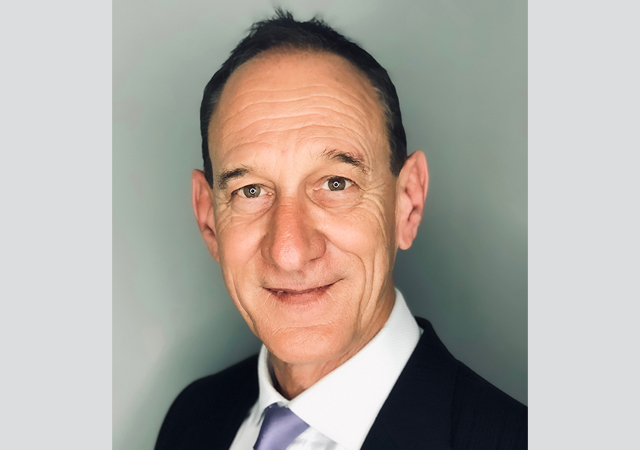
Duncan ... The regulation establishes licensing, content and platform obligations for all real estate advertising and marketing channels across Saudi Arabia.
Under the new rules, each real estate advertisement must be covered by its own REGA advertisement licence. To obtain a licence, advertisers must submit supporting documentation to REGA, including the real estate title registration deed number for the property and contact details that match the application. Once a licence is issued, every advertisement must display the advertisement licence number, the advertiser’s name, the advertiser’s REGA licence number, and contact details identical to those submitted with the licence application.
Advertising content must accurately identify the property, state the services, rights and any material disputes affecting it, and avoid inaccurate or misleading information. Advertisements must be removed promptly when their purpose ends or the licence expires. The regulation expressly prohibits content that causes direct or indirect offence, publication of fictitious information to collect contacts, the use of contact details that differ from those on the licence application, and the unauthorised use of governmental or corporate names, logos or identities.
The most demanding provisions of the regulation fall on real estate platforms. These obligations go beyond what is typically required of online marketplaces in comparable jurisdictions and reflect a deliberate policy of making platforms active participants in regulatory enforcement rather than passive conduits.
Platforms must verify advertiser identity via Nafath, the kingdom’s national digital identity system; prevent publication of unlicensed advertisements; remove adverts immediately on licence expiry; remove misleading adverts; host platform services within the kingdom; provide an accessible complaints mechanism; and delete content that violates the law and its regulations.
Platforms serving the Saudi market will, therefore, need to upgrade systems and processes to comply, and those that invest in compliance should gain a competitive advantage in a market that is expected to expand.
Developers and real estate service providers operating in or entering Saudi Arabia must secure individual advertisement licences and ensure the platforms they use meet the regulation’s requirements. The regulation provides an exemption where an advertiser is licensed to market an entire real estate project, such as authorised sale and lease of off‑plan projects and real estate auctions, in which case separate advertisement licences may not be required.
Sanctions for non‑compliance, set out in the Implementing Regulations of the Real Estate Brokerage Law, include fines of up to SAR40,000 (which may be doubled for repeat offences) and licence cancellation.
The regulation complements other reforms opening the Saudi real estate market to foreign ownership and forms part of a broader effort to build institutional‑grade market infrastructure, with the objective of increasing investor confidence and supporting sustained inbound investment into the kingdom’s real estate sector.
* Moad Giebaly is Partner, International Corporate and Commercial, and Eileen Duncan is Head of International Real Estate, at Trowers & Hamlin.