

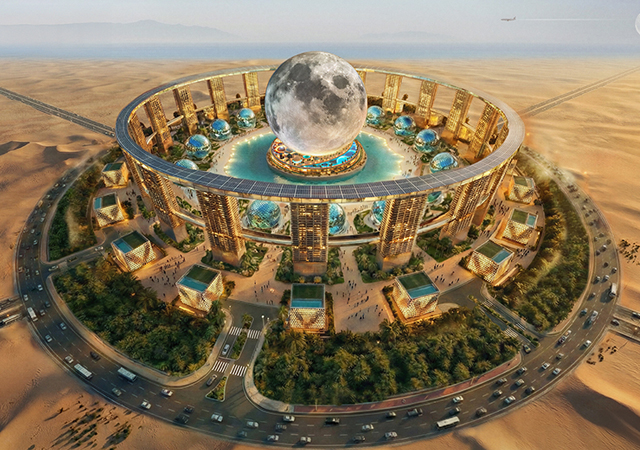
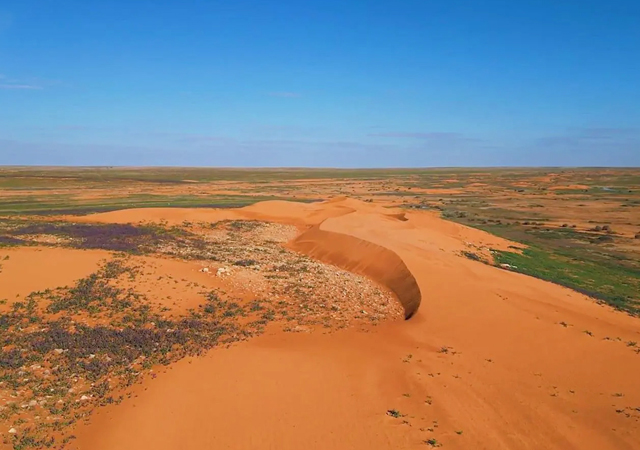


The massive 6-million-sq-m greenfield site that will host the much-awaited Expo 2030 Riyadh in the north of the capital has seen much progress over the past year, transitioning from preparatory works to full-scale construction. With the early award of a critical infrastructure contract to Nesma & Partners and the mobilisation of global giants Bechtel and Buro Happold, the project is now accelerating toward its October 2030 opening.
Designed as a ‘nature-led’ landscape, the site represents more than a six-month event: it will see the inception of a permanent, AI-enabled ‘Global Village’ that will redefine the Saudi capital’s urban legacy.
The site – with a gated Expo area of approximately 2 million sq m – is designed to host more than 40 million visitors from over 195 participating nations during the world-class event. The Saudi government has allocated $7.8 billion for Expo 2030 Riyadh, which is set to run from October 1, 2030, to March 31, 2031, with its overarching theme being “Foresight for Tomorrow”.
The most significant contract for construction works on the project was awarded in late December, comprising the main utilities and infrastructure works package, which went to Saudi contractor Nesma & Partners. It includes the delivery of approximately 50 km of critical utilities networks, internal roads, civil works, and essential infrastructure to serve as the backbone for subsequent building phases, while supporting operational requirements and enabling the delivery of the Expo’s experience-defining structures.
“This milestone marks an important step in accelerating construction activities in the Expo 2030 Riyadh site,” said Talal Al-Marri, CEO of Expo 2030 Riyadh Company (ERC). “By moving early on the infrastructure that underpins the entire site, we are creating the conditions for safe, coordinated, and high-quality delivery across all future phases of development, while ensuring a lasting legacy well beyond 2030. The contract has been awarded ahead of schedule to accelerate the delivery timeline as part of a phased approach that will see construction across infrastructure, buildings, and public spaces advance steadily through 2026 and into early 2027.”

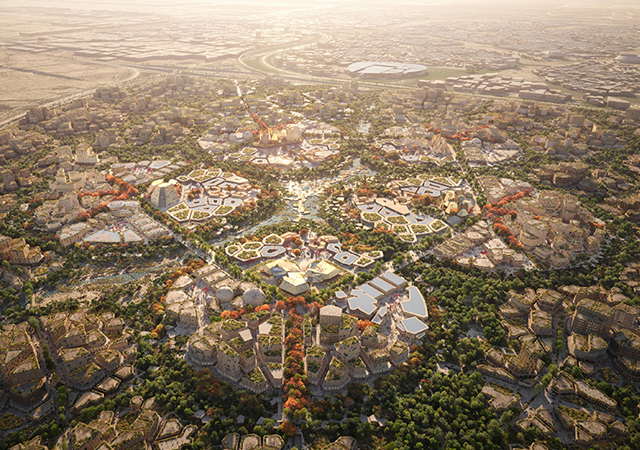
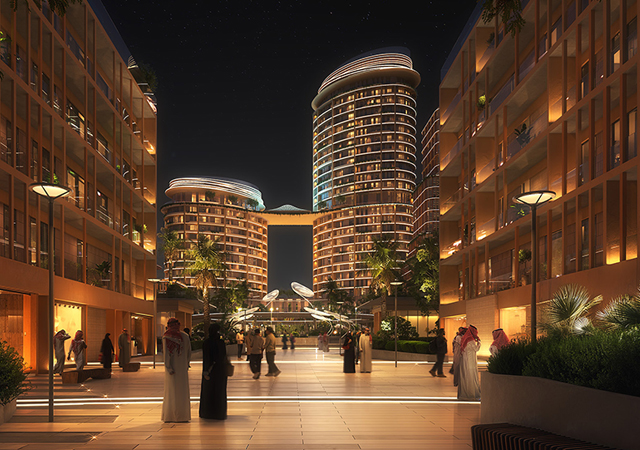
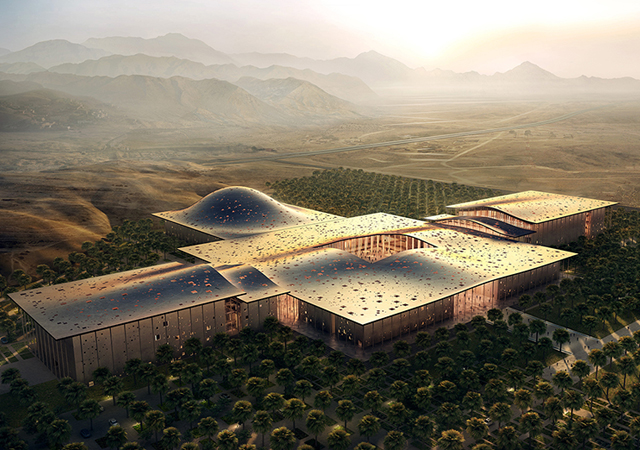
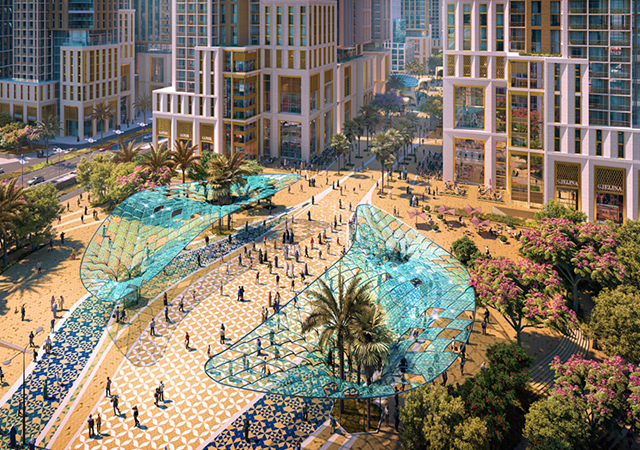
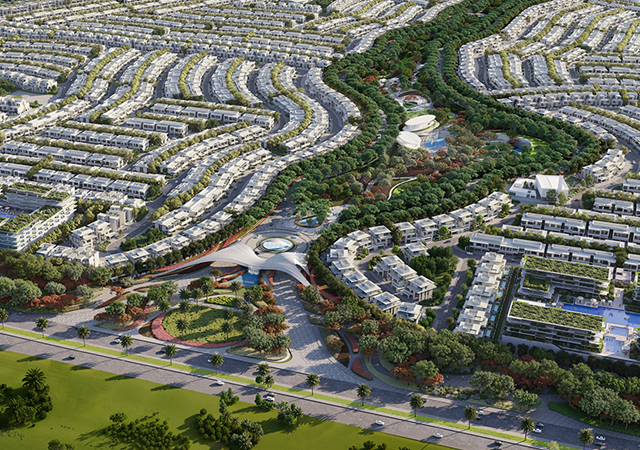
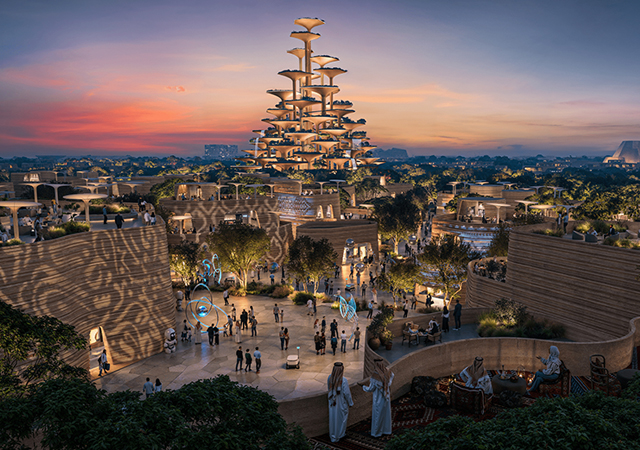
The masterplan uses the reactivated wadis as the foundation for an organic and interconnected network of spaces.
ERC is the official organising entity mandated to lead the planning, development and delivery of Expo 2030 Riyadh throughout its entire life cycle. Wholly-owned by the Saudi Public Investment Fund (PIF), it will work with government entities and global partners to ensure seamless execution and delivery of a world-class Expo.
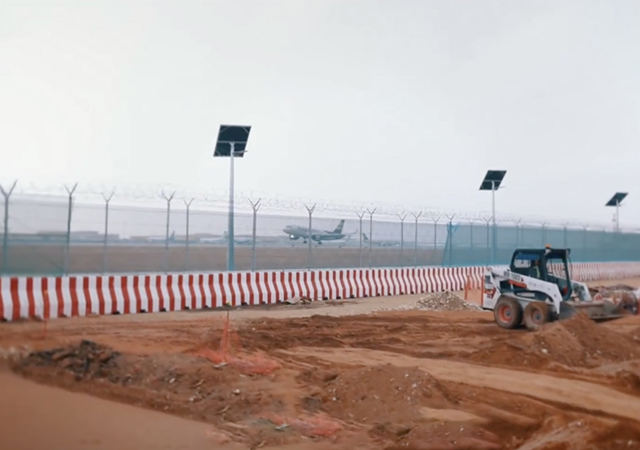
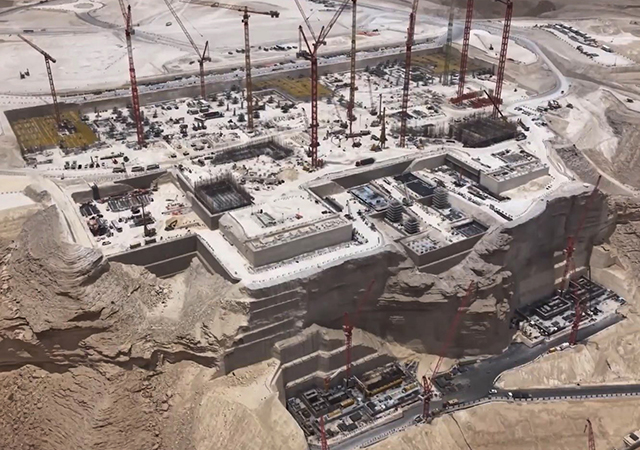
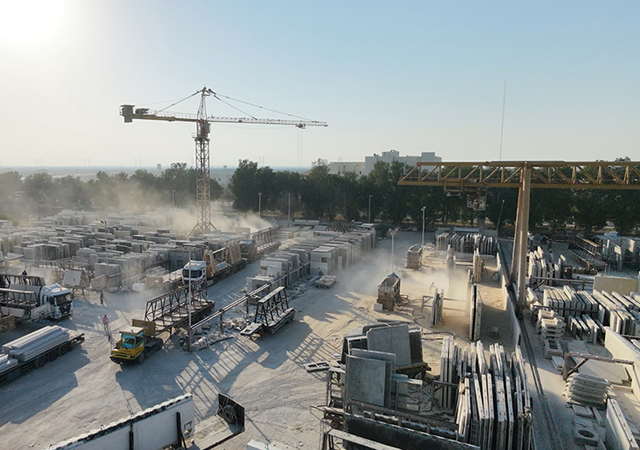
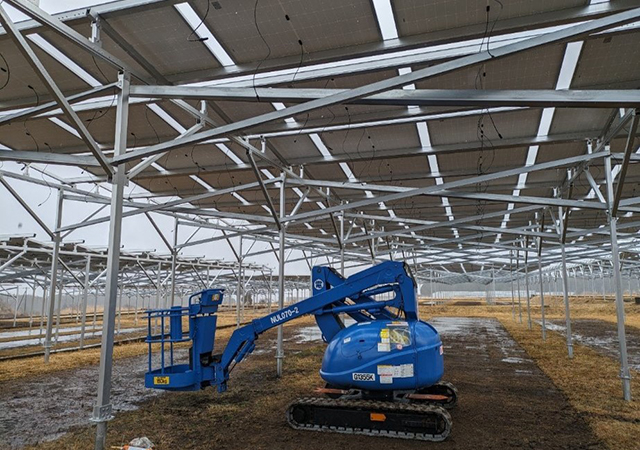
Site preparation activities, including demolition, excavation, backfilling, and establishment of logistical facilities, have been ongoing since mid-2025. Fencing and initial mobilisation of equipment began as early as July 2025. These enabling works are creating the foundation for major construction.
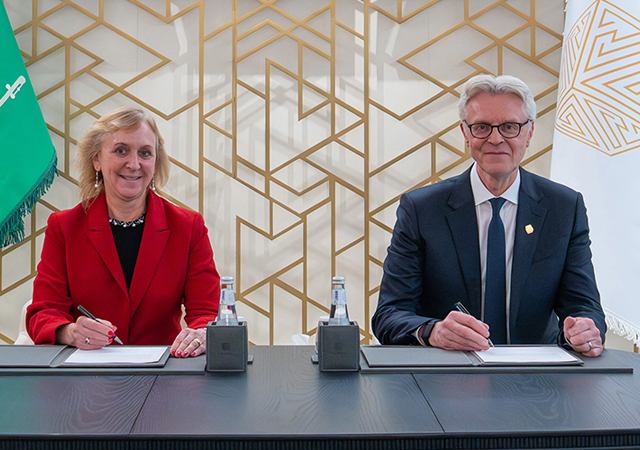
Two key appointments were also made in the second half of 2025: Bechtel, a leading provider of engineering, construction and project management services, was chosen as the project management consultant in July, while towards the end of the year Buro Happold was selected as lead design consultant for public realm, landscape, infrastructure and legacy aspects.
Bechtel’s scope of work includes overseeing the delivery of the infrastructure programme across the 6-sq-km site, including early works, utilities, roads, and the public realm.
Following the six-month event, Bechtel will also support transforming the site into sustainable urban development, continuing to serve as a hub for green innovation, cultural celebration, and commerce.
Buro Happold is serving as lead design consultant for the detailed masterplan and design of public realm, landscape, infrastructure and utilities for Expo 2030 Riyadh and its legacy.
Under the agreement, Buro Happold will provide comprehensive design and technical services, including development of the detailed masterplan with a focus on event requirements and legacy phase elements, detailed design of the infrastructure works, utilities, public realm and landscape and engineering technical support during construction works.
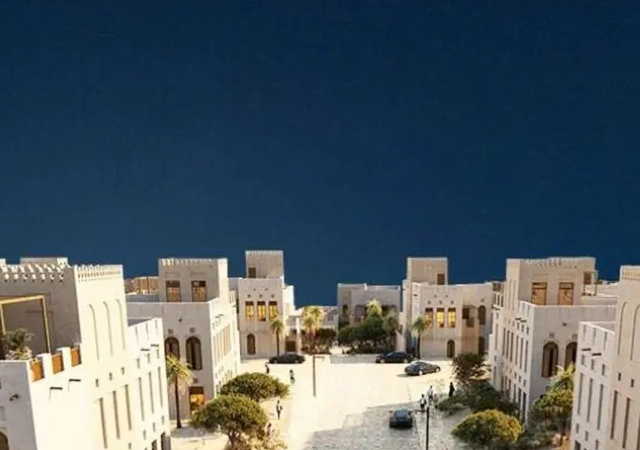
The detailed masterplan emphasises ecological regeneration, walkability, nature-inspired design (integrating Wadi Al Sulai contours), AI-enabled smart infrastructure, and post-Expo adaptive reuse into a permanent “Global Village” hub.
Other key players in the project include LAVA (Laboratory for Visionary Architecture) and Jacobs. LAVA, in collaboration with a consortium including Buro Happold, has designed the concept masterplan. Its approach moves away from traditional rigid urban grids in favour of a “nature-led” design.
The masterplan uses the reactivated wadis as the foundation for an organic and interconnected network of spaces. This approach encourages biodiversity, establishes shaded pedestrian pathways, and fosters natural cooling microclimates – crucial elements in addressing Riyadh’s desert climate, says LAVA.
LAVA’s rethinking of urbanism begins with a masterplan that abandons the rectilinear grids replacing them with an organic network shaped by the contours of Wadi Al Sulai. From a central plaza, a system of cool routes, formed by the wadis, extends outward, defining the radial structure that organises the village layout.
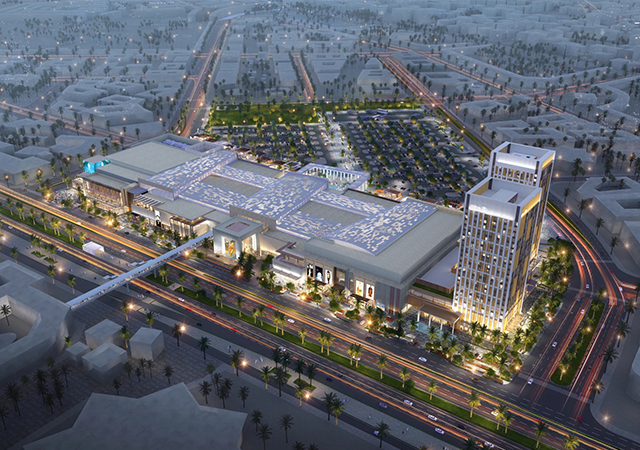
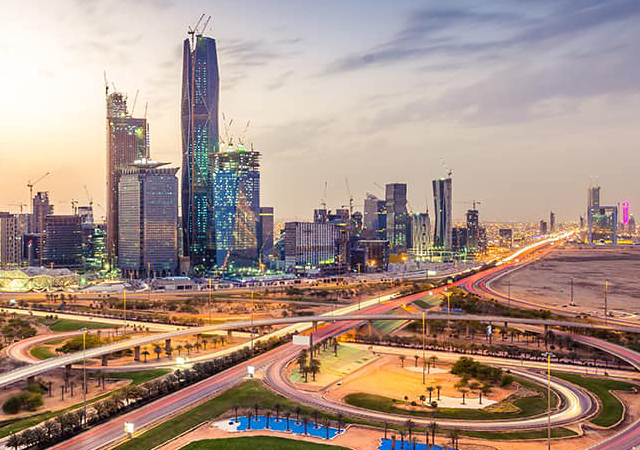
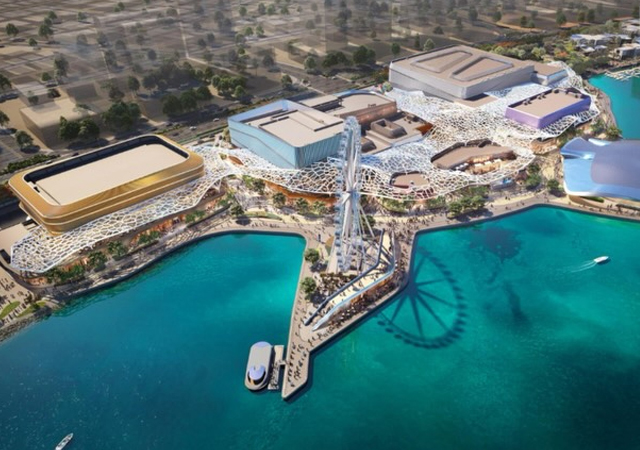
The plan for Expo 2030 Riyadh was developed in collaboration with a team of specialist advisors. The site is strategically located between King Salman International Airport and Riyadh City. It is aimed not only to serve the needs of a six-month global event but to evolve into a lasting urban legacy, as a multicultural hub for retail, food and beverage, surrounded by an international residential community with world-class amenities.
Key features of the masterplan include:
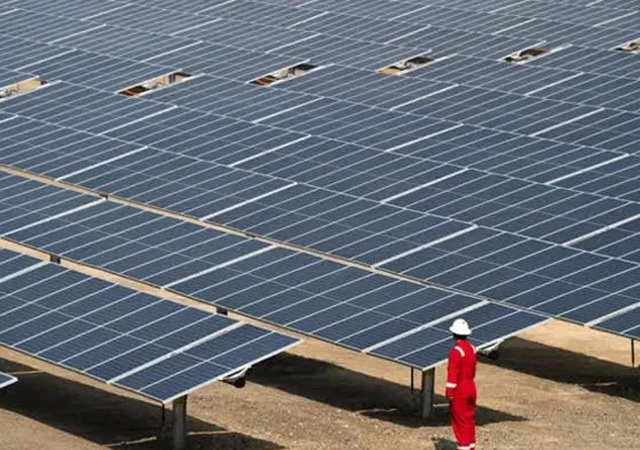
• Smart infrastructure powered by AI and sustainable energy systems;
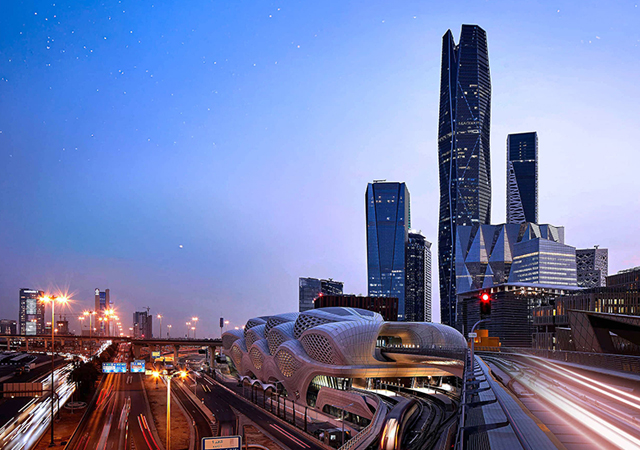
• Integrated transport with Riyadh Metro and shuttle access to key hubs;
• Climate-responsive architecture and green building standards;
• A post-Expo transformation plan that will convert the site into a Global Village – a permanent innovation and knowledge hub.
Jacobs serves as a lead consultant for the broader infrastructure and logistics. Its role focuses on ensuring the 6-million-sq-m site (including the 2-million-sq-m gated area) functions at peak efficiency.
World Expo, held every five years in a different host country, will be held in the Saudi capital in 2030. Anticipated to be one of the most significant events of 2030, Expo 2030 Riyadh will bring together more than 195 countries, 29 international organisations, and other participants. The organisers are expecting approximately 42 million event visitors.