
















BASF will showcase a progressive portfolio of ‘green’ products at the World Future Energy Summit (WFES) 2011 this month (January 17 to 20) in Abu Dhabi, UAE.
BASF, a strategic partner to summit organiser Masdar, will present sustainable construction solutions and concepts at the summit to be held under the theme: ‘Building sustainability. Your partner for sustainable construction solutions’.
“Making buildings ‘green’, whether in initial construction or retrofitting, is no longer an option – financial, legislative and ethical issues are forcing individuals, organisations and governments to pay attention and take action. BASF Construction Chemicals, with one of the broadest portfolios of raw materials, formulations and systems for sustainable construction, is helping to make this possible cost efficiently,” says a spokesman for the company.
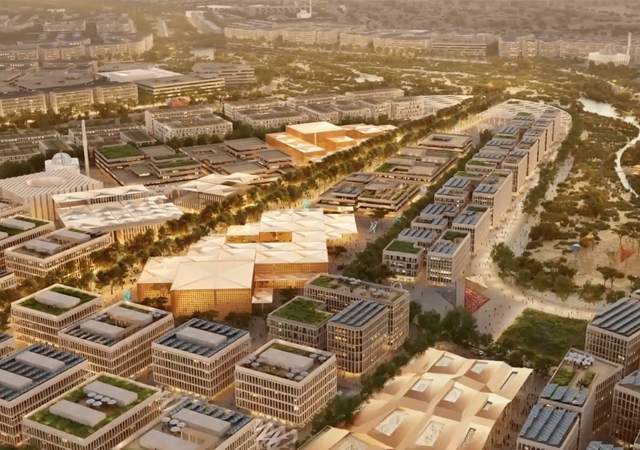
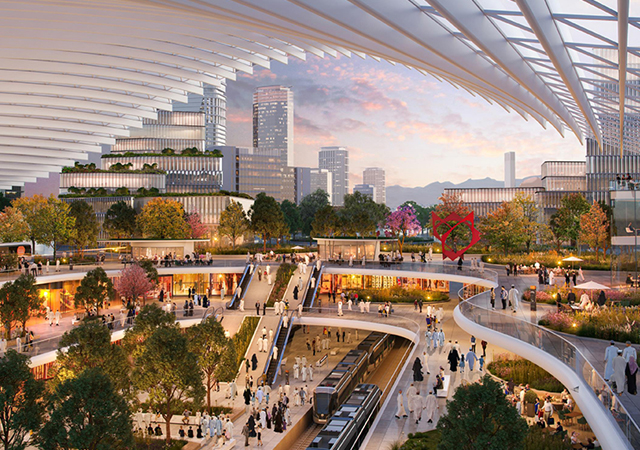
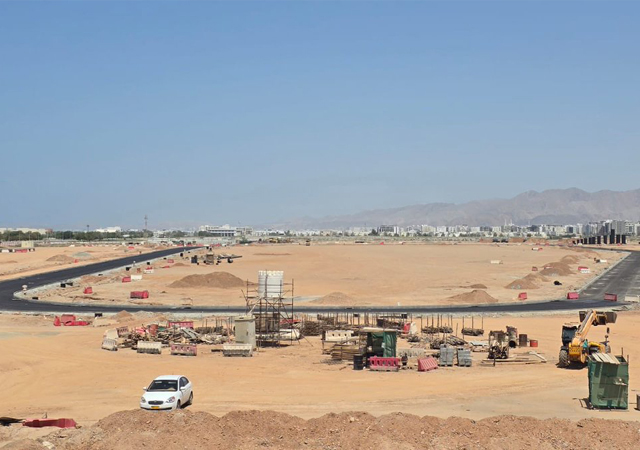
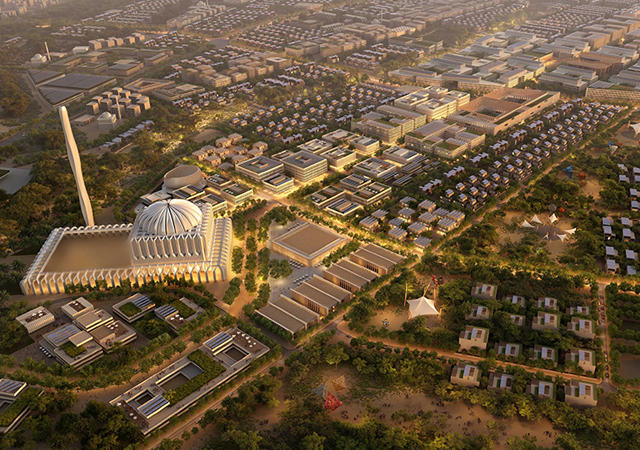
A preferred supplier of building materials and system solutions in the construction of Masdar City – the world’s first carbon-neutral and zero-waste city that is to be built by 2016 in the desert of the Abu Dhabi – BASF Construction Chemicals has invested more than a third of its research expenditures in energy efficiency, climate protection, conservation of resources and renewable raw materials.
BASF will be showcasing, among other products, its:
• Exterior insulation and finish systems (EIFS) – insulation materials that reduce green-house gas emissions in the construction sector by reducing the energy demand of buildings by 30 to 50 per cent;
• Repair mortars, sealants and coatings that can extend the service-life of buildings;
• Low-VOC (volatile organic compounds) dispersions that reduce indoor emissions in buildings, offering higher insulating performance and a saving of up to 50 per cent on raw materials required;
• Cement and concrete additives that make construction faster, more efficient and sustainable (reduces carbon dioxide – CO2 – emissions by up to 60 per cent for Masdar, for example); and
• Systems and solutions that allow for the re-use of industrial by-products in concrete (that is, recycling of 100 per cent of all readymix wash water).
BASF adapts its globally available extensive range to the requirements of the local construction industry, taking into account architectural traditions and climatic conditions, among others.
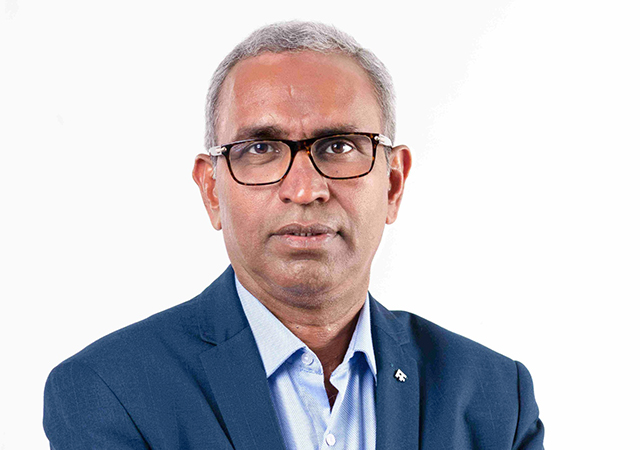
“The construction and use of buildings play a crucial role in climate protection. With its products and system solutions for sustainable construction, BASF contributes significantly,” said Dr Tilman Krauch, head of BASF’s Construction Chemicals division.
“The summit is not just an important showcase for our products, it is also an important platform to bring about an awareness of the challenges faced by our planet.”
A key BASF philosophy is to develop, produce and market intelligent solutions that make construction projects not only safer, but more economic, efficient and environmentally compatible.
BASF will demonstrate the following solutions at the World Future Energy Summit:
• Those that reduce CO2 emissions during concrete manufacturing: BASF provides the high-performance plasticisers sold under the brand name Glenium Sky for the manufacture of concrete. They ensure that the quality of the concrete is preserved during transport, the concrete can be processed more easily at the building site on account of its fluidity and the finished concrete structures have a high strength and a long life. Furthermore, Glenium Sky lowers CO2 emissions during the production of the concrete.
Further energy savings are possible with the concrete admixtures of the Rheomatrix brand. The additives give the concrete self-compacting properties so that mechanical and thus energy-intensive compacting can be dispensed with.
• Solutions that accelerate concrete hardening: BASF has developed a new Crystal Speed Hardening concept for contractors and precast producers. The core product of the concept is X-Seed 100, a unique hardening accelerator. It helps to speed up concrete hardening significantly at early ages (six to 12 hours), supporting, at least, double strength at low, ambient and heat curing temperatures.
It helps to save time and has a positive impact on energy efficiency by eliminating or reducing heat curing of concrete. Furthermore, it offers an attractive overall cost-saving potential.
• Versatile polyurethane plastics for applications ranging from the cladding of cold air pipes to coastal protection: In the Gulf region, the market segments of building and insulation offer a wide range of opportunities for the use of the polyurethane plastics Elastopor H and Elastopir of BASF’s polyurethanes division. Sandwich elements, insulation boards and spray-applied foam are described as being ideal for energy-efficient and uncomplicated construction both in the industrial sector and in private housing. Polyurethane plastics are also outstanding for cold storage insulation and for the cladding of pipes that transport cold air.
• Neopor and Styrodur C to save cooling energy: Neopor is an innovative material for insulating walls, roofs and floors. “By virtue of inbuilt infrared absorbers, Neopor has a better insulation performance than conventional insulation materials,” the spokesman says. “Calculations carried out by the Passivhaus Institute Darmstadt, Germany, show that in hot climatic zones insulation panels made of Neopor significantly reduce overheating and the hours of active cooling. Depending on the type and design of a house, at least 40 per cent of the cooling energy can be saved in this way and CO2 emissions lowered.”
Further possibilities of protecting structures from heat, cold and moisture are provided by Styrodur C. The green extruded polystyrene foam panels with air as cell gas are characterised by a long working life and resistance to decay. They meet all necessary requirements regarding economical and ecological construction under various climatic conditions, for example, for the insulation of floors and roofs.
• Facade systems that provide energy efficiency: BASF is also presenting wall systems under the Senergy brand name. They consist of multiple layers for insulating and protecting exterior surfaces. These solutions make it possible to cool buildings efficiently and thus reduce the consumption of energy.
• Black pigments for reducing surface heat: BASF has developed the black pigments Paliogen, Lumogen and Sicopal for deflecting heat from surfaces. Unlike the conventional carbon black pigments, they prevent the absorption of the invisible near infrared radiation, which accounts for more than 50 per cent of the incident solar energy. “Field tests have shown that building materials incorporating the BASF pigments store only about half as much heat as conventional materials,” he concludes.
