









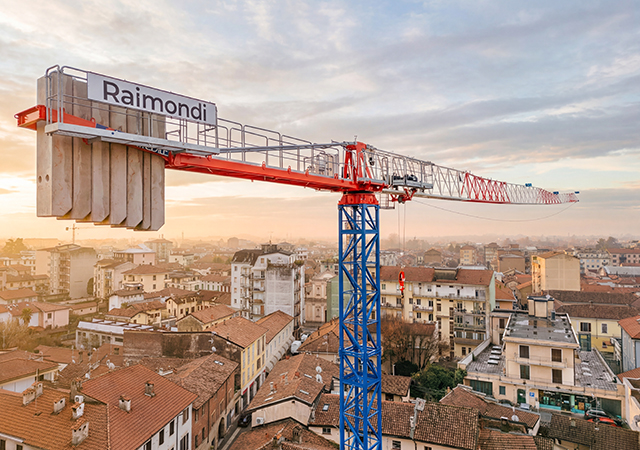







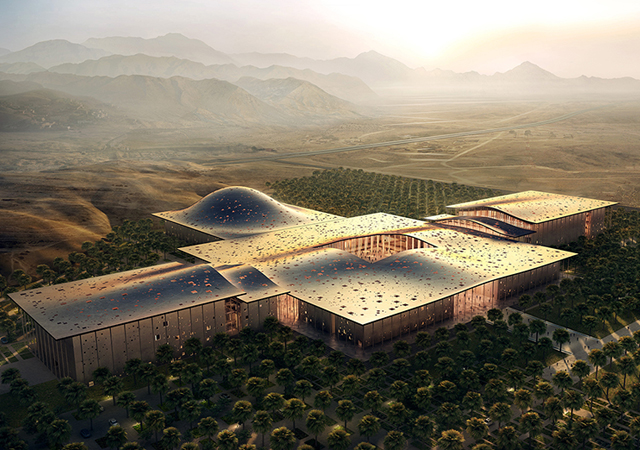



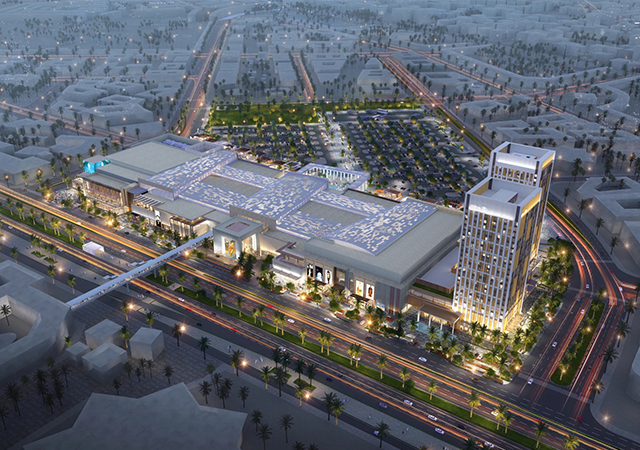

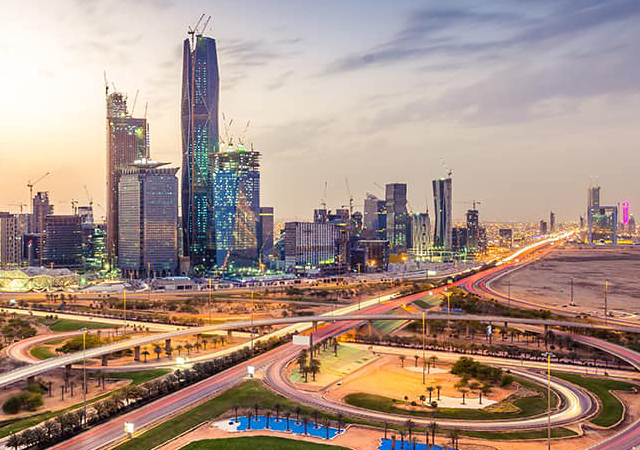
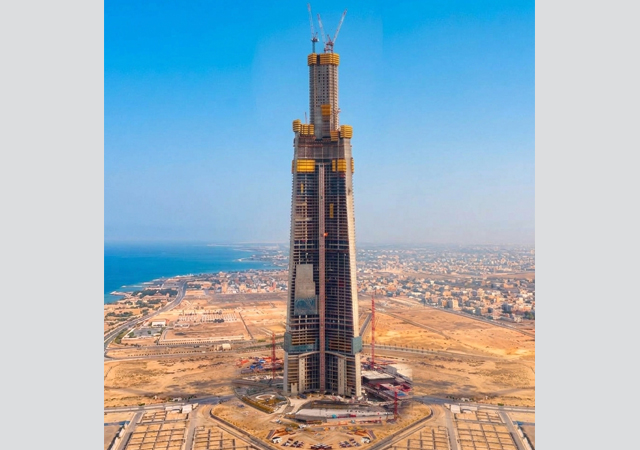


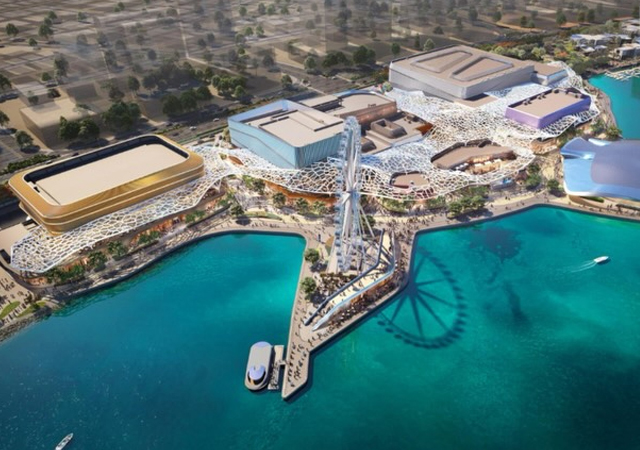







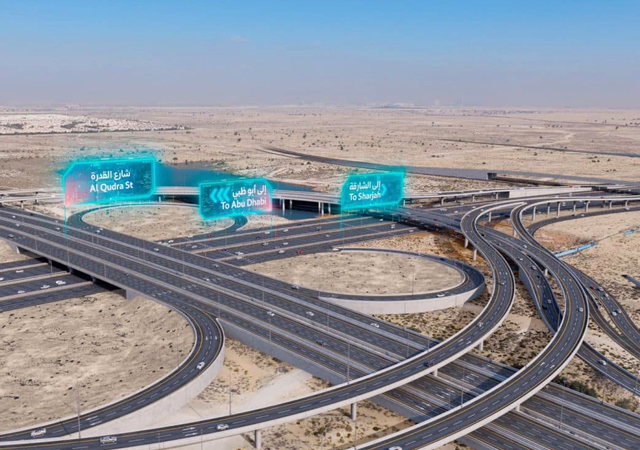






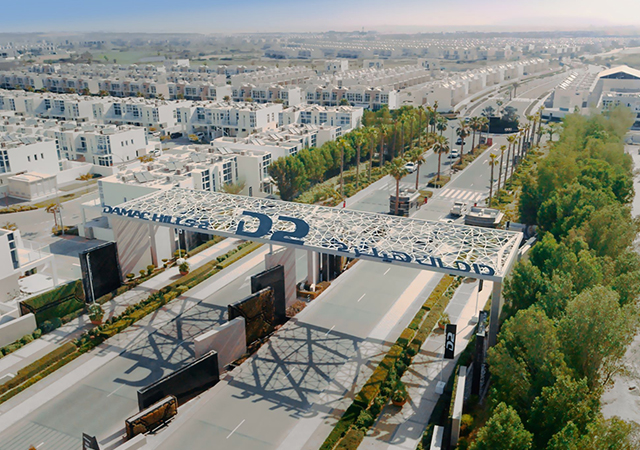





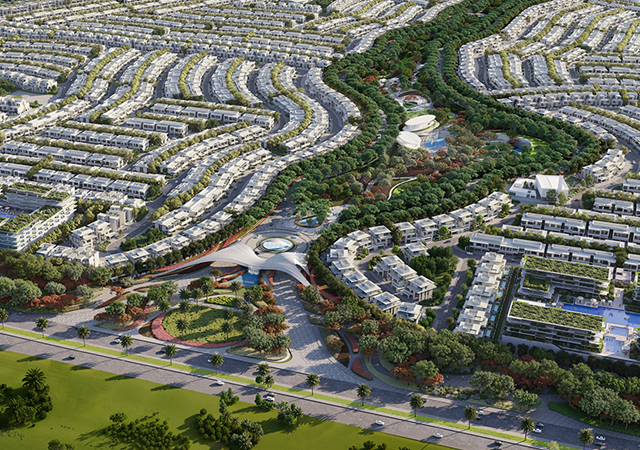



The GCC is not just building cities; it is redefining what the cities of tomorrow will look like. From mega developments and smart infrastructure to energy transitions and urban expansion, the region is undergoing one of the most ambitious transformations in its history. Yet, behind every skyline taking shape and every landmark rising, lies a critical question: are we building infrastructure that can support the future we envision?
As the region’s construction market accelerates toward a projected value of more than $233 billion by 2032, the challenge is no longer simply about building faster, it is about building smarter, safer, and more resilient foundations for generations to come.
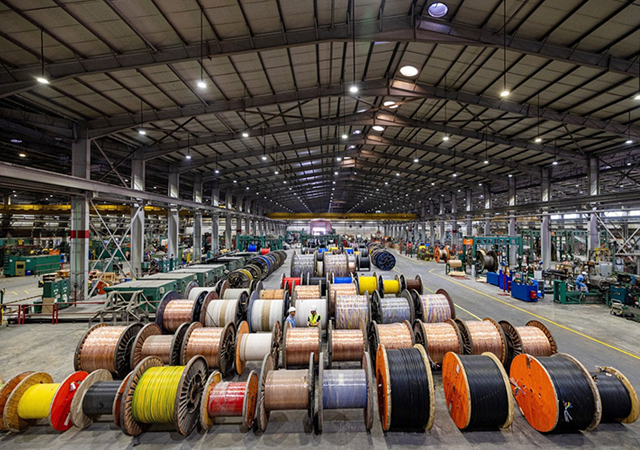
While soaring architectural marvels and expansive smart cities capture the public’s imagination, the secret to resilient, future-ready urban environments lies in an often-overlooked foundation: the cables that power them.

Mellagui ... “a transformative era for the utilities sector.”
Far beneath the surface and behind the walls, these critical arteries act as the true lifelines of the future and, with the broader Middle East cable market projected to scale from $11.5 billion in 2025 to $17.6 billion by 2034, our focus must be firmly on the next era of cable development.
Leveraging Intelligence
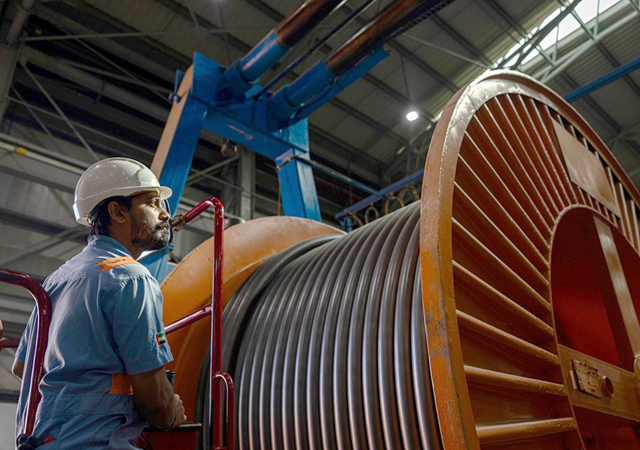
The dawn of the ‘Smart Grid’ is officially upon us, marking a transformative era for the utilities sector. The dominant industry trend, rather than simply being a focus on carrying power, is for seamless integration of Industry 4.0 into both the deployment and operation of utility networks. This digital revolution begins before the cables are even laid: smart logistics in construction are rapidly becoming the new industry standard, utilising embedded IoT sensors, GPS, and real-time data tracking to monitor cable drums from the manufacturing plant to the installation trench. This level of visibility is a game-changer for massive construction projects, effectively streamlining supply chains, preventing costly bottlenecks, and optimising inventory control across highly complex, multi-billion-dollar mega-project sites.
Staying ahead of the curve means ensuring that every millimetre of cable deployed exceeds the highest possible benchmarks for public safety.
Beyond logistics, the cables themselves are becoming intelligent. Consider the breakthrough innovation of embedding optical fibres directly into the core of high-voltage networks, such as advanced 525 kV high-voltage direct current (HVDC) systems. This technological advancement enables utility operators to continuously monitor the health of the network, analyse thermal performance in real-time, and identify potential issues early, supporting greater reliability, efficiency, and resilience across power systems. Ultimately, this integration of data analytics and high-voltage performance is critical for modern utility operators. It empowers them to manage national power networks with proactive precision rather than relying on outdated, reactive maintenance strategies.
Safety: the non-negotiable priority
Alongside intelligence, the uncompromising demand for safety is redefining our infrastructure landscape. As our buildings grow taller, more complex, and more densely populated, the cabling network must serve as the primary line of defence during a crisis. This need is driving a critical industry shift away from traditional, hazardous materials toward Low Smoke Zero Halogen (LSZH) compounds. Indeed, global production of LSZH cables surpassed 2.5 million km in 2025, up from 1.96 million km in 2023, with the market size – reported as $1.8 billion in 2025 – set to increase to $2.5 billion by 2035.
This transition represents a vital life-safety imperative, rather than a mere preference; to meet stringent compliance metrics, such as the rigorous guidelines set out by the UAE Fire and Life Safety Code of Practice, modern fire-resistant cables are now engineered to maintain circuit integrity at blistering temperatures of 950 deg C for up to three hours.
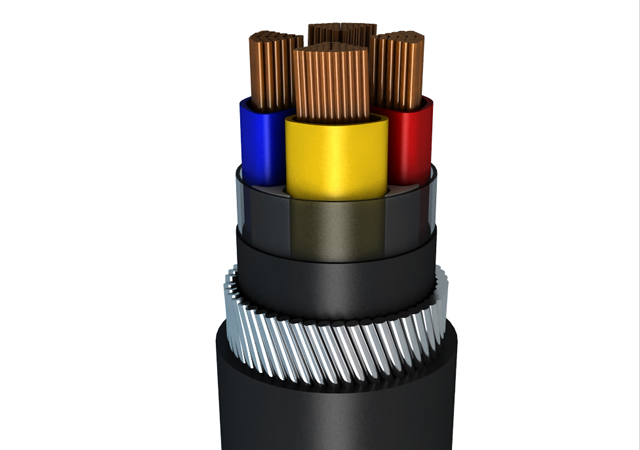
LSZH cables ... a ‘life-safety imperative’.
The rationale behind these thresholds is simple: preserving human life. These advanced, heavily tested materials ensure that mission-critical emergency systems – including fire alarms, smoke extraction fans, emergency lighting, and evacuation elevators – remain fully powered during the crucial initial hours of a fire incident. Critically, LSZH cables achieve this while securing evacuation routes without emitting the toxic, obscuring black smoke that is often more lethal than the flames themselves. As global safety regulations, such as the European Construction Product Regulation (CPR), become increasingly stringent, top-tier manufacturers must invest heavily in advanced, state-of-the-art fire testing laboratories. Staying ahead of the curve means ensuring that every millimetre of cable deployed exceeds the highest possible benchmarks for public safety.
The sustainability element
In today’s climate-conscious world, safety and intelligence must be accompanied by sustainability. The global green energy transition simply cannot be achieved using carbon-heavy components, and the cable sector must lead the charge in industrial decarbonisation.
LSZH cables contribute to sustainability, a fact reflected in their rise in popularity: of the 2.5 million km of LSZH produced in 2025, more than 420,000 km of those cables were specifically integrated into green-certified projects seeking certified sustainable status such as LEED, BREEAM, or WELL.
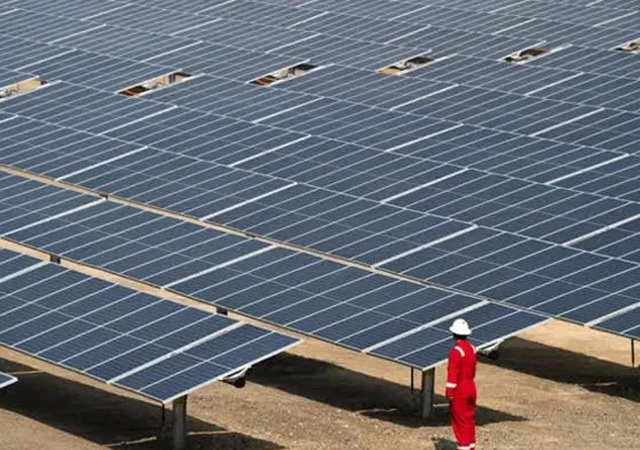
We must frame this component evolution not just as a manufacturing upgrade, but as a vital stepping stone for nations striving to meet aggressive, overarching climate targets. For instance, the UAE Net Zero by 2050 strategic initiative is a monumental undertaking expected to create 200,000 new jobs in the green economy and contribute approximately three per cent to the national GDP. Achieving these ambitious socioeconomic and environmental goals relies heavily on the decarbonisation of our industrial supply chains, starting with the very cables that will connect our new solar arrays and green hydrogen plants to the grid.
Looking to the future
Ultimately, the era of viewing cables as simple, interchangeable commodities is over. Today, they are highly engineered, protective assets that serve as the central nervous system of our modern world. By uniting IoT manufacturing intelligence with elite fire-safety engineering and sustainable solutions, the cable industry is actively building the architecture of trust.
As we look to tomorrow, the call to action is clear: urban planners, developers, and policymakers must prioritise advanced, safe, smart, and sustainable cable infrastructure as the non-negotiable standard. Only by doing so can we empower, connect, and safeguard the generations of the future.