























The Middle East and Africa (MEA) flexible workspace market has reached a critical inflection point, according to a new report by real estate industry expert JLL, which finds that over 90% of the region’s corporate real estate portfolios remain committed to traditional, long-term leases.
The report titled ‘Middle East & Africa Flexible Workspace Market Report 2026’ calls for an urgent rethink of how commercial real estate stakeholders approach workspace strategy.
This is because artificial intelligence and evolving workplace models are creating fundamental uncertainty regarding optimal workforce composition and spatial requirements, making portfolio agility a strategic imperative.
Yet, the adoption gap remains stark as fewer than 5% of global corporations allocate more than 10% of their portfolios to flex space, while more than 40% allocate one per cent or less.
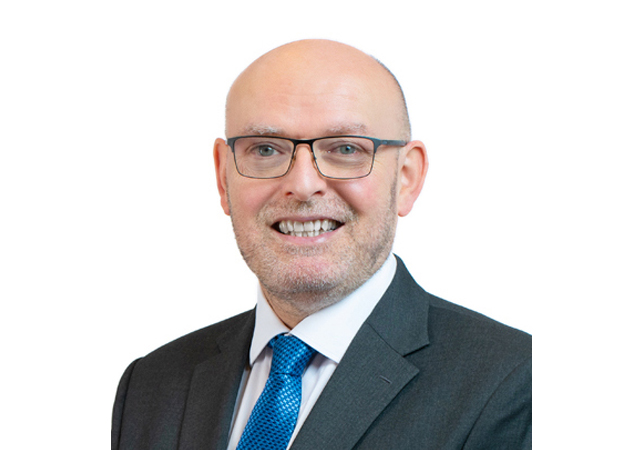
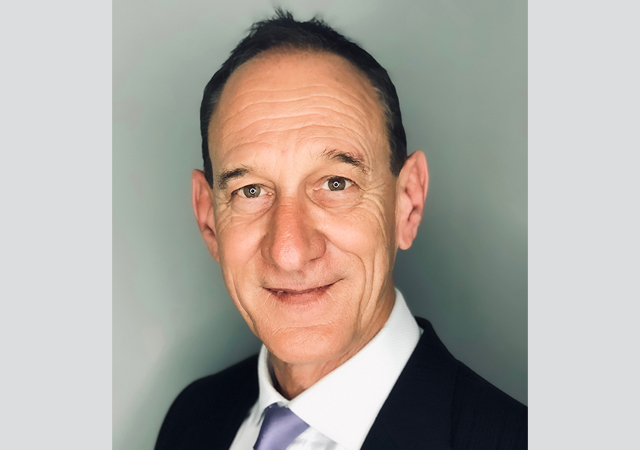
Dana Williamson, the Head of Offices, Business Space & Retail – MEA at JLL, said: "The flex office sector is evolving, and the combination of a ready, financially stable supply and a growing demand for agility amid AI and evolving business requirements has created a defining moment for the industry. This shift creates opportunities for investors to participate in high-growth segments and for operators to build on compelling returns."
"As it becomes increasingly difficult for CEOs to predict what effective working habits will look like in three to five years, for corporate occupiers, flexibility becomes a core strategic tool for mitigating risk. How quickly and at what scale they position for this inevitable shift will be key to securing a competitive advantage," she stated.
The report highlights a rapid expansion phase in Riyadh, driven by Saudi Arabia's Vision 2030 goals for corporate relocations and multinational market entry.
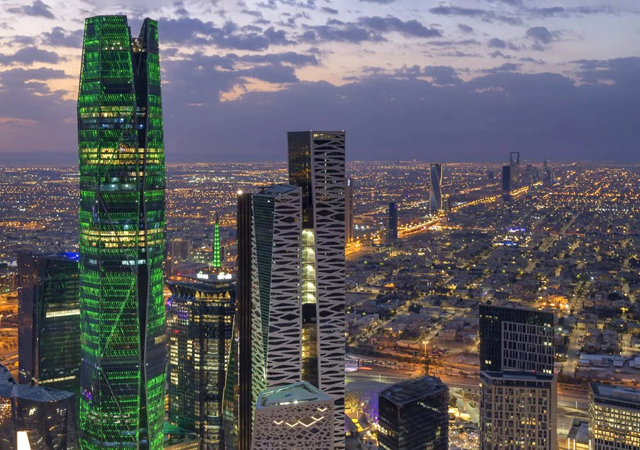
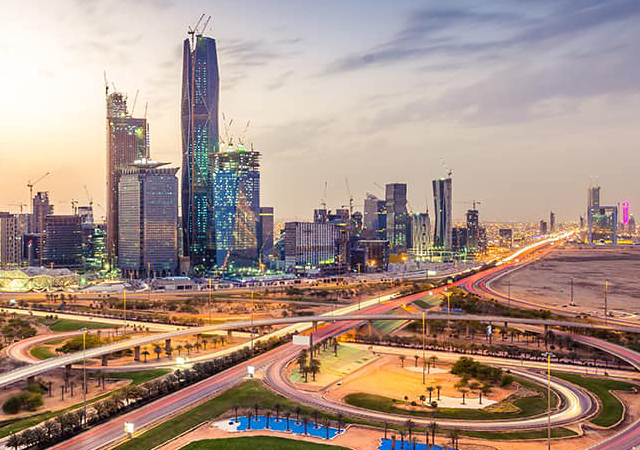
Transitioning to an established flex market, Riyadh delivered the majority of its current stock from 2022 onwards. This rapid expansion met with exceptional absorption, resulting in the highest occupancy rates in the region, with occupancy approaching 90% in the Olaya district, while King Abdullah Financial District (KAFD) maintained occupancy in the mid-80% range.
Geographically, the market is consolidating along a primary corridor, with KAFD and Olaya District jointly accounting for nearly half (45%) of the city’s supply. Concentration aligns with corporate location preferences, proximity to government ministries, and infrastructure investment priorities under Vision 2030.
Riyadh’s product mix is balanced, reflecting its current development stage. KAFD shows particularly elevated fixed desk allocation (approximately 55%) alongside substantial private inventory, while Olaya District presents the most diversified offering with the highest proportion of hot desks alongside roughly equal shares of fixed desks and private offices, serving a broader tenant base spanning entrepreneurs, SMEs, and corporate satellite teams with varying workspace requirements. As the market matures, a shift toward private office dominance is likely as operators prioritise revenue optimisation over market share capture across multiple segments.
Vision 2030 is the transformation engine driving Riyadh’s flex sector. This is validated by the market’s tenant profile, where 50%-60% of occupiers are international, the highest proportion in the region. 55%-60% of demand also comes from new company setups, signalling strong entrepreneurial momentum and greenfield market entry.
The JLL in its report notes that this market evolution validates the structural shift toward flexibility as a permanent corporate workspace strategy, with operators now enhancing meeting capacity and investing in technology to support hybrid work models. In increasingly competitive markets, the differentiation is centred on service excellence, with hospitality-oriented models and superior design quality becoming key to justifying premium positioning.
These market dynamics create distinct opportunities for all stakeholders. Landlords and developers must prioritise partnership structures over direct operations. Management agreements and revenue-share models further protect landlords from operator defaults, maintaining asset control and participation in flexible office revenue streams, it added.-TradeArabia News Service