





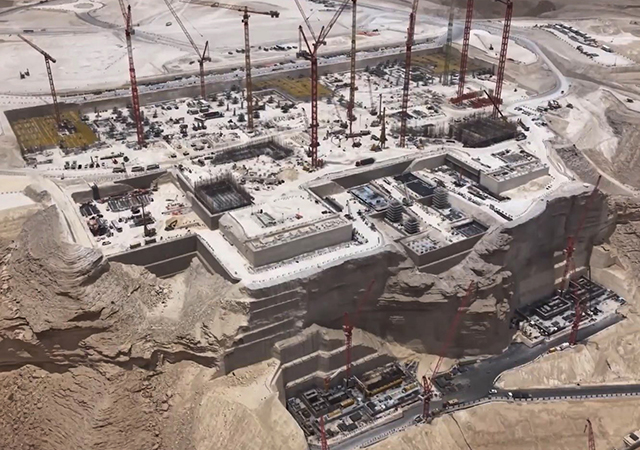





Construction is well under way on JLH-02, the latest development by LogiPoint, the leading developer and operator of logistics parks and bonded zones in Saudi Arabia.
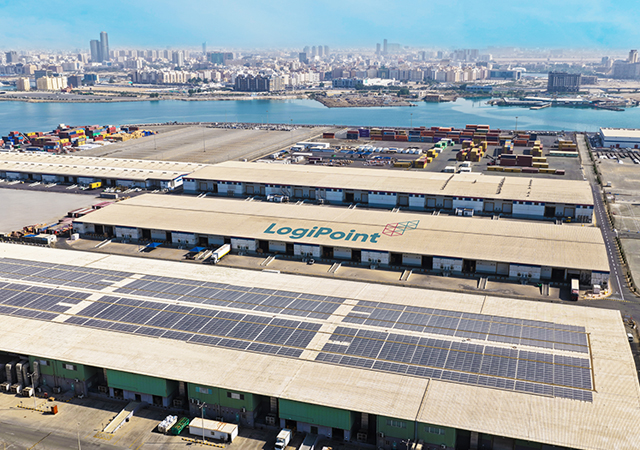
Scheduled for delivery by December 31, 2026, the facility is being developed on a 15,000-sq-m plot within MODON’s Jeddah First Industrial City and forms part of the company’s wider Jeddah Logistics Hub.
With a built-up area of 12,000 sq m, JLH-02 comprises four interconnected chambers of approximately 3,000 sq m each. The configuration allows the facility to accommodate a single occupier or multiple customers and provides the ability to combine adjoining chambers where additional capacity is required.
For Farooq Shaikh, CEO of LogiPoint, the thinking behind the development starts with how customers intend to operate rather than the building itself.

‘How customers use the space, where they need additional capacity and how their requirements change over time all inform the next investment decision’ – Farooq Shaikh
“When we looked at this development, we started with the operation. What inventory will the customer hold? How much capacity do they need? How will goods move through the facility, and what happens when that requirement grows?” he says. “Those considerations influence how we design the building.”
Flexibility around the operation
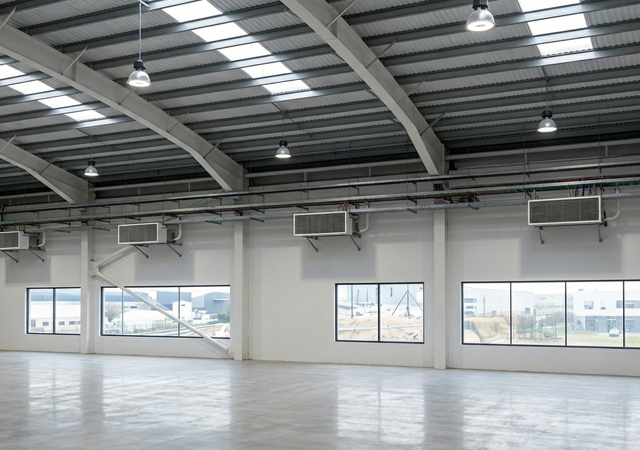
JLH-02 has been designed with four clear-span chambers, each with two loading bays, dock levellers and shelters, an access ramp and supporting office and staff facilities. The facility has an engineered clear height of 13.5 m, supporting storage up to 12 m.
The chambers can operate independently or connect with adjoining space.
“The four-chamber configuration gives us flexibility in how the facility can be occupied,” Shaikh says. “A customer may not require the entire building from the beginning. Where adjoining capacity is available, they have the option to grow within the same facility rather than moving the operation elsewhere.”
That flexibility also reflects LogiPoint’s approach to Build-to-Suit (BTS) development.
“For us, BTS starts with understanding the customer’s operation. The storage profile, loading activity, equipment, movement of goods and future capacity all influence what should be built. A facility can meet every construction specification on paper, but ultimately it has to work for the operation that will occupy it,” he states.
Controlled-ambient capacity
JLH-02 is designed to operate at approximately 25 deg C, positioning it as a controlled-ambient facility rather than a conventional chilled or frozen cold store.
The distinction is important because different cargo categories require different operating environments.
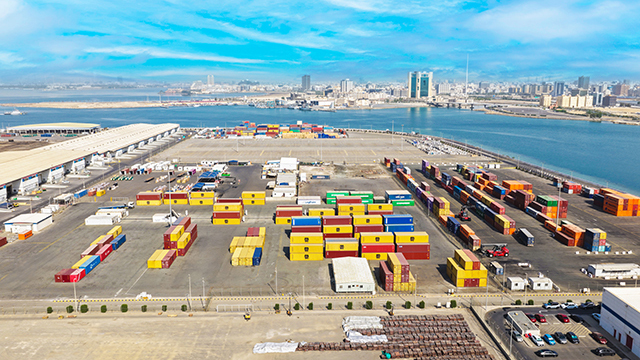
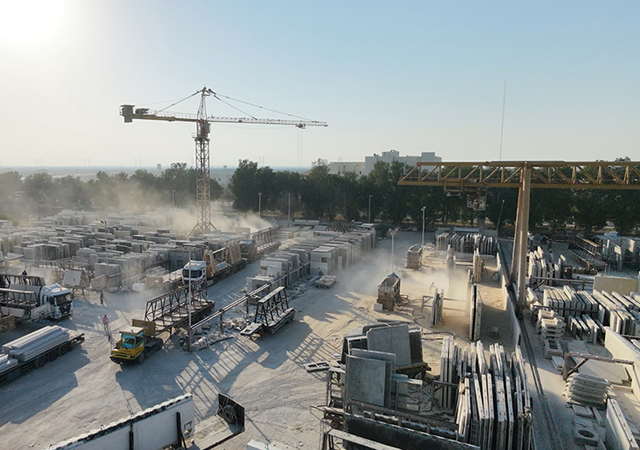
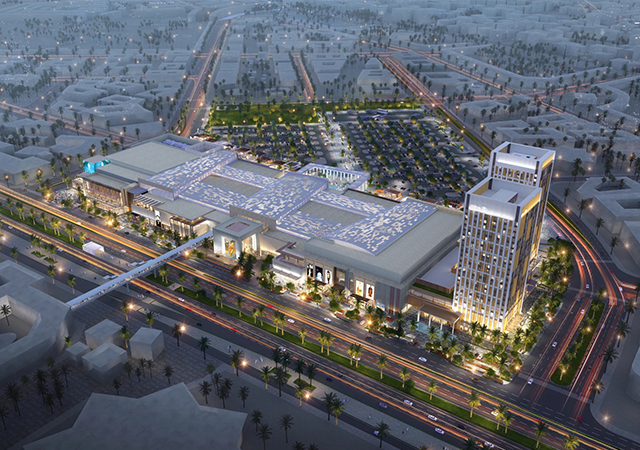
JLH-02 is being developed on a 15,000-sq-m plot within MODON’s Jeddah First Industrial City.
“What we are seeing is that customers are becoming more specific about the type of space they require,” Shaikh says. “It is not simply about finding additional warehouse capacity. The building has to suit the inventory and the way the business operates.”
JLH-02 is, therefore, intended for customers whose products require a stable controlled-ambient environment, subject to their individual operating and regulatory requirements.
“We are not trying to make one building serve every temperature requirement,” he adds. “Chilled, frozen and controlled-ambient operations are different. The infrastructure has to be designed for the requirement it is intended to serve.”
From space to usable capacity
For Shaikh, one of the important considerations in logistics real estate is the difference between available warehouse space and capacity that a customer can use efficiently.
“Customers look at how much inventory they can actually hold, how efficiently they can move it and whether the facility can accommodate the business as volumes change.
“That is why clear height, loading access, chamber configuration and the ability to expand matter. They determine how useful that space is once the operation starts,” he points out.
The clear-span design of JLH-02 removes intermediate columns within the chambers, providing flexibility for racking and material-handling configurations. Interconnecting doors allow adjacent chambers to be combined where required.
Operating economics
JLH-02 is also targeting LEED Silver certification.
For Shaikh, sustainability in logistics real estate also has to make sense from an operating perspective.
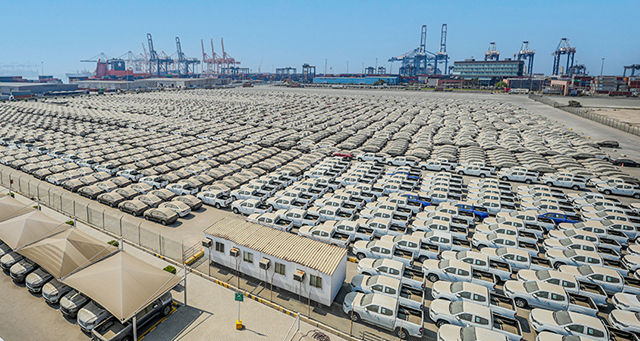
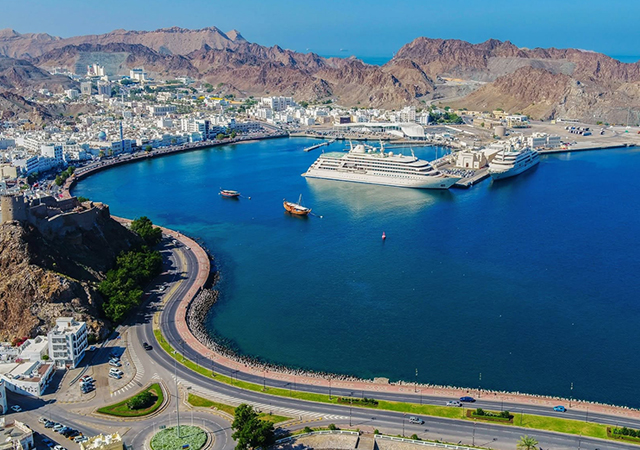
JLH-02 forms part of LogiPoint’s wider presence in Jeddah, alongside its Bonded & Re-Export Zone at Jeddah Islamic Port.
“A logistics facility is an operating asset for many years. In a controlled-temperature environment, energy consumption becomes part of that operating cost.
“So when we look at efficiency, we are also looking at the long-term operation of the facility. The building has to maintain the conditions the customer requires without creating unnecessary operating cost,” he says.
The development incorporates measures relating to the building envelope, HVAC, lighting, water use and material selection as part of its LEED Silver target.
Planning beyond construction
Shaikh also draws a distinction between completing a logistics building and having it ready for the occupier to operate.
“Construction completion is one milestone. The customer still has to install racking and equipment, commission systems, complete the required approvals, prepare the team and move inventory into the facility.
“For us, that transition is important because the building only starts creating value for the customer when the operation can actually run from it,” he notes.
This operating perspective also influences how LogiPoint approaches future development decisions.
“We learn from every facility we develop and operate,” Shaikh says. “How customers use the space, where they need additional capacity and how their requirements change over time all inform the next investment decision.
“We would rather build around a clear operating requirement than add space simply for the sake of adding capacity.”
Part of a wider Jeddah platform
JLH-02 forms part of LogiPoint’s wider presence in Jeddah, alongside its Bonded & Re-Export Zone at Jeddah Islamic Port and other logistics real estate developments.
The assets serve different requirements. The Bonded & Re-Export Zone provides infrastructure for goods held under customs control at the port, while developments such as JLH-02 provide Grade-A logistics capacity within Jeddah’s industrial environment.
“We look at where inventory needs to be positioned and what infrastructure the customer needs at that stage of the operation,” Shaikh says.
“JLH-02 addresses one of those requirements. It gives us flexible, controlled-ambient capacity in Jeddah First Industrial City and adds another type of facility to the logistics infrastructure we can provide to customers.”
Scheduled for delivery by year-end, JLH-02 will provide LogiPoint with another operational reference point as the company evaluates future logistics real estate requirements in Jeddah and across Saudi Arabia.