





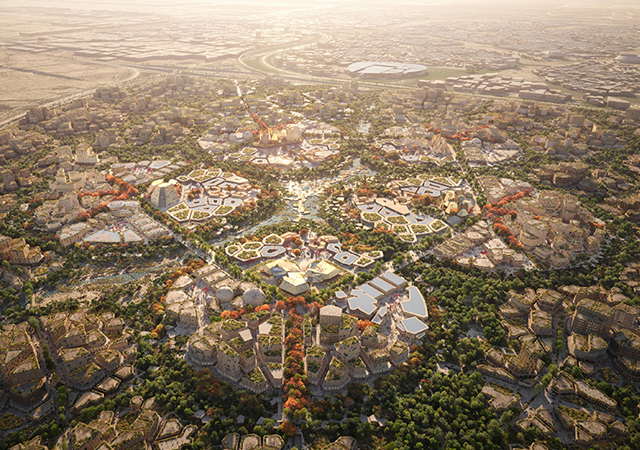





Diriyah Company is accelerating construction and delivery across its flagship $63-billion Saudi heritage development around the historic At-Turaif district, with major hospitality, residential and cultural projects moving forward.
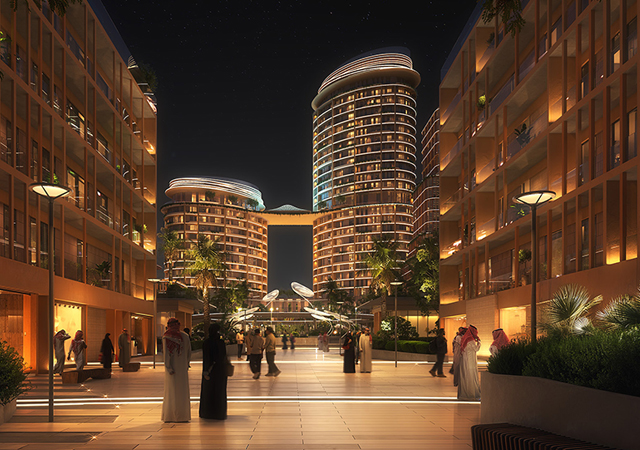
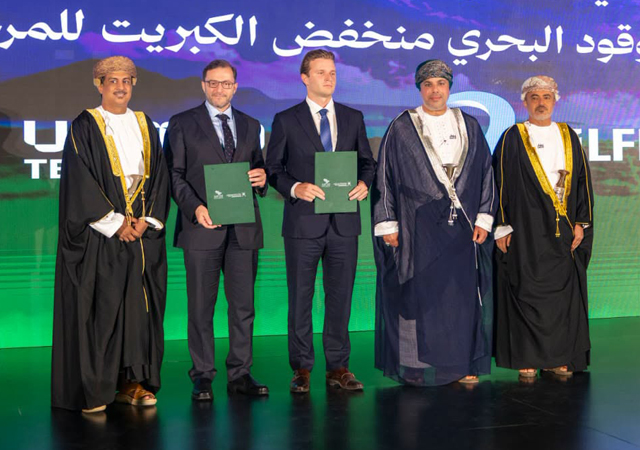
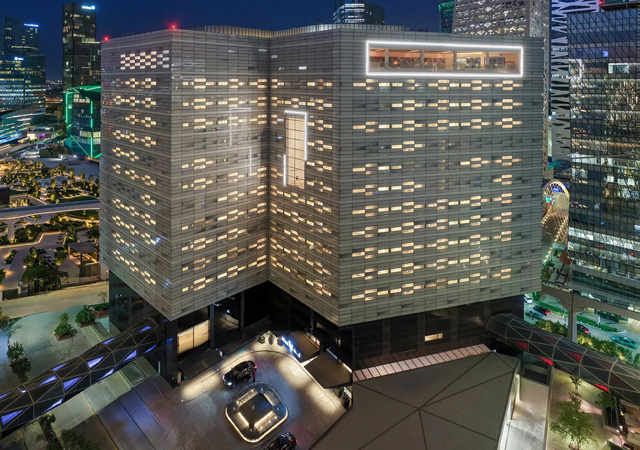
A major component of the latest construction push is the SAR2.7 billion ($720 million) Waldorf Astoria superblock, awarded to a joint venture between Hassan Allam Construction Saudi and Urbacon Saudi Company, a subsidiary of UCC Holding.
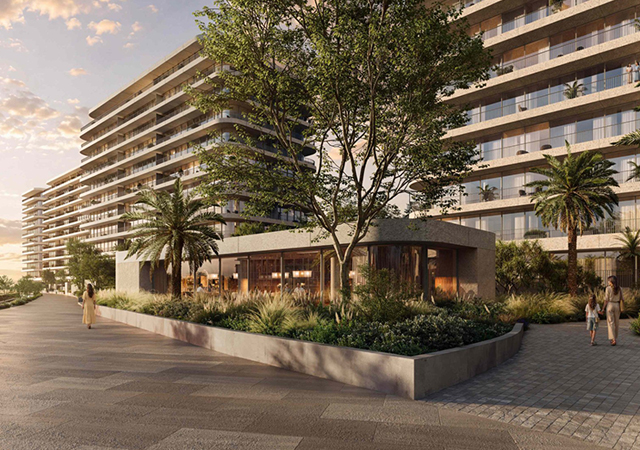
The project will bring a 160-room Waldorf Astoria hotel, comprising 39 suites and a presidential suite, together with restaurants and cafes, a ballroom, meeting facilities, spa and fitness centre. The hotel has a gross floor area of 22,715 sq m.
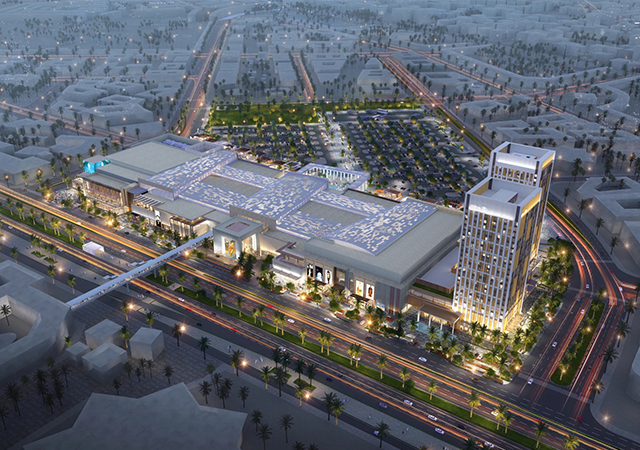
The superblock will also include 47 Waldorf Astoria Residences Diriyah, covering 10,090 sq m, alongside more than 45,000 sq m of office space, 60,263 sq m of residential accommodation and 8,555 sq m of retail and food-and-beverage space.
The scale and mix of the development illustrate the increasingly integrated nature of Diriyah's construction programme, in which hospitality, branded residences, offices, retail and public realm are being delivered as interconnected components rather than as standalone assets.
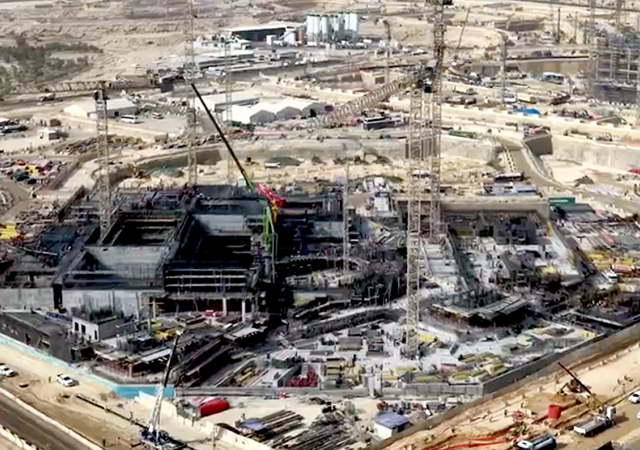
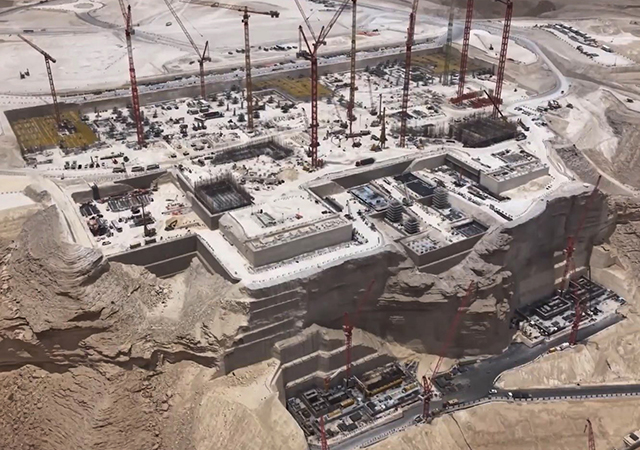
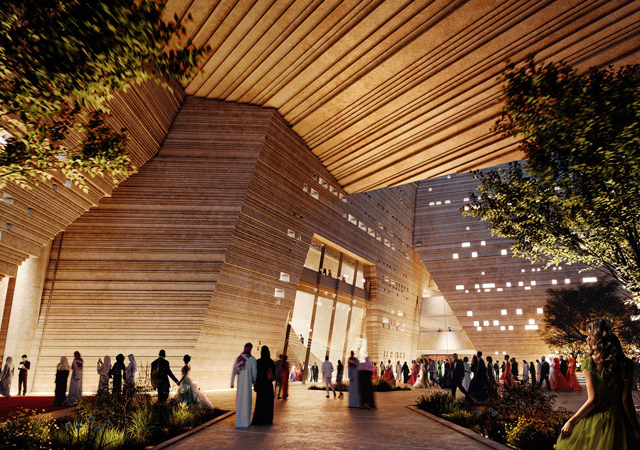
Work on Royal Diriyah Opera House is progressing swiftly on site.
The Waldorf Astoria contract follows a SAR2 billion financing facility agreed with Arab National Bank to support branded residences across the Diriyah and Wadi Safar masterplans. The facility is intended to support luxury residential developments operated under international brands, adding another source of funding to the project's expanding development pipeline.
The Waldorf Astoria superblock deal, awarded in August, is the latest major deal for the PIF-backed Diriyah project, which recorded more than SAR4.9 billion in new contracts during the first half of 2026.
Cultural precinct
Meanwhile, Diriyah's cultural infrastructure programme is also moving forward with the appointment of Jasara Program Management Company to provide project, construction and cost management services for the Royal Diriyah Opera House and Grand Mosque, as well as other premium developments planned around the Grand Avenue.
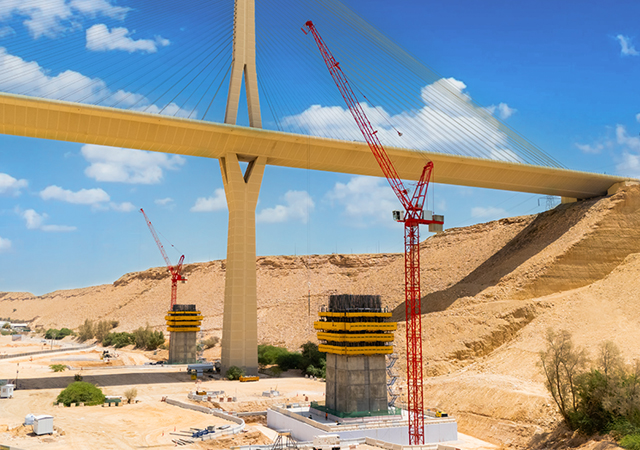
Work on Royal Diriyah Opera House is well advanced with at least half a dozen cranes currently on site towering above the structural elements that will make up this 46,000-sq-m landmark cultural facility that will accommodate around 3,500 people across four venues. These include a 2,000-seat theatre for large-scale productions and headline artists, two smaller theatres for multipurpose use, and a 450-seat, shaded rooftop amphitheate for outdoor performances. Rooted in the surrounding desert landscape, local cultural heritage, and Najdi building traditions, the Snøhetta-designed opera house is scheduled to open in 2028.
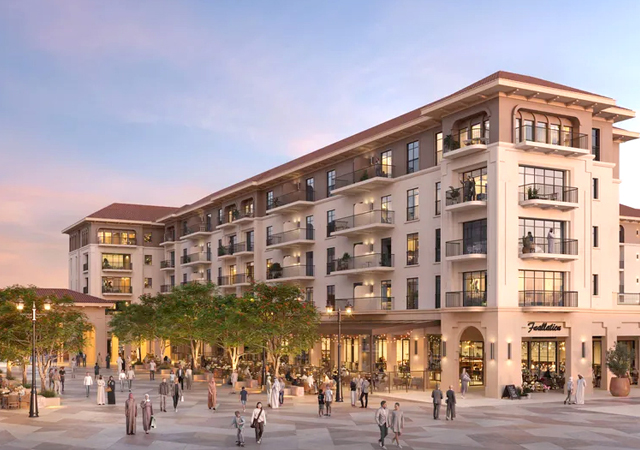
Jasara's responsibilities cover project planning, cost management, contract management and construction management. Its remit extends across the northwest, southwest and southeast blocks of the Grand Avenue, which is planned as a fully integrated mixed-use environment incorporating retail and food and beverage outlets, offices, hotels, residential communities and cultural attractions.
The appointment is significant because it places programme and construction management resources around some of the most prominent elements of Diriyah's second phase, including two major cultural and religious landmarks.
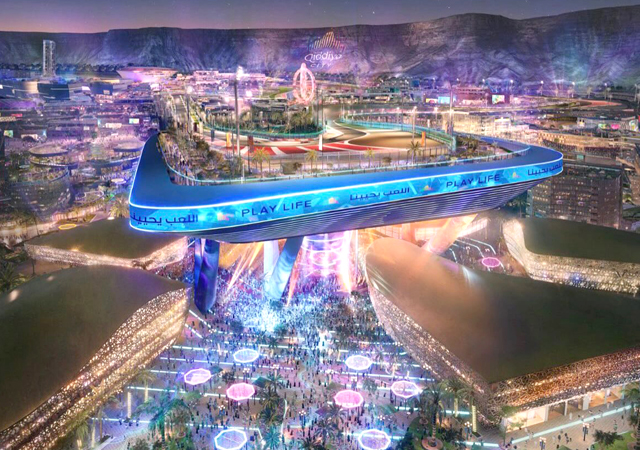
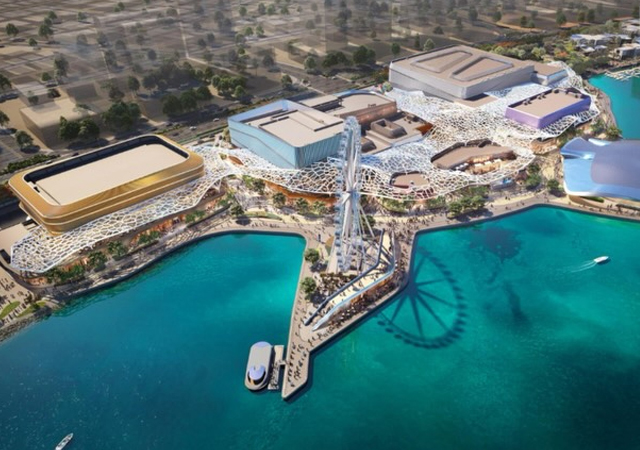
The Grand Avenue itself emerged as one of the defining announcements of the first half of 2026. Diriyah Company unveiled the project at MIPIM in Cannes in April, describing it as one of the flagship landmarks within the wider masterplan. The development will encompass the Grand Mosque and Diriyah Arena.
Construction activity is also extending into the project's wider hospitality portfolio. During the first half of the year, Diriyah Company signed a joint development agreement with Midad Real Estate Investment and Development Company for the Four Seasons Hotel Diriyah and Four Seasons Private Residences.
The SAR3.1 billion development will occupy approximately 235,000 sq m within the Diriyah masterplan and comprise a 159-room hotel alongside private residences.
Another major cultural project has advanced through the signing of the construction contract for the Saudi Arabia Museum of Contemporary Art (SAMoCA). The museum involves an investment value of SAR1.84 billion and has been designed by Godwin Austen Johnson to Gold-level sustainability standards.
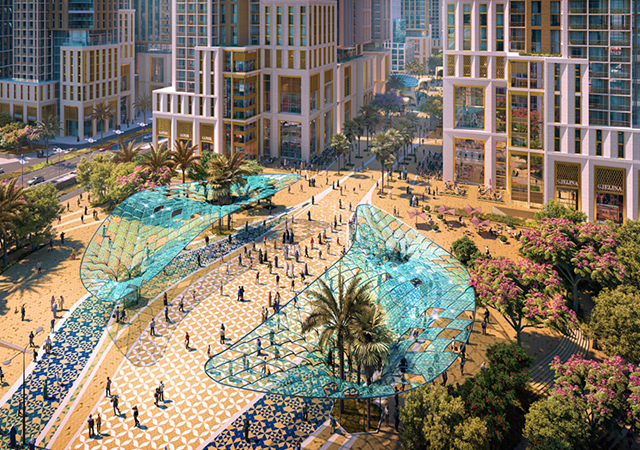
Diriyah Square is also expanding its commercial offer, with new brands joining a district that already contains more than 400 retail stores and restaurants. The expansion is intended to support the development's role as a year-round destination while retaining the architectural and urban character associated with historic Diriyah.
The construction programme is being supported by an extensive sustainability and quality framework. During the first half of 2026, the Central Services Center in Wadi Safar received Diamond Mostadam certification, while the Zallal project achieved LEED Gold certification. Diriyah Company also received the British Safety Council's Sword of Honour and Five-Star Rating.
The company has positioned these developments within a wider masterplan centred on At-Turaif, the UNESCO World Heritage Site and birthplace of the Saudi state
The wider programme is expected to include 34 hotels, the Royal Diriyah Opera House, Diriyah Arena, museums, a university, extensive retail and restaurant space, the Greg Norman-designed championship golf course at Wadi Safar, the Royal Golf Club and the Royal Equestrian and Polo Club.
Diriyah Company says the development is ultimately intended to attract 50 million visits annually by 2030. Its projected economic contribution includes SAR70 billion to Saudi Arabia's GDP and approximately 180,000 jobs, while housing is planned for around 100,000 residents.
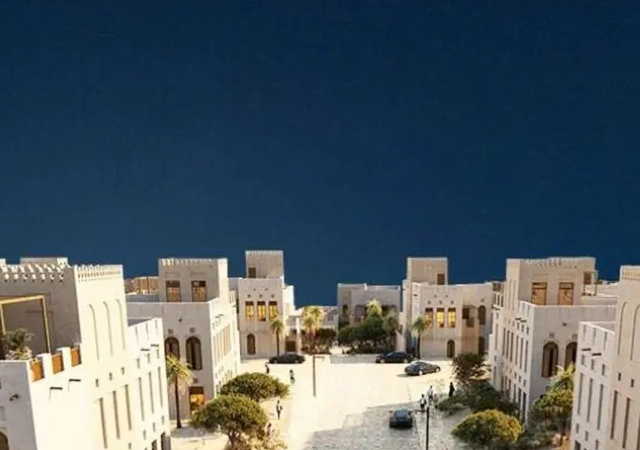
With major hotel, branded residential, cultural and mixed-use schemes now progressing under construction and programme-management contracts, Diriyah is entering a phase in which the physical build-out of its second-stage districts is becoming increasingly visible.