









Across the Middle East, roads and bridges have been more than physical infrastructure. They are strategic assets – symbols of connectivity, economic ambition, and national development. As the region enters a new phase of diversification, sustainability, and technological transformation, transport infrastructure is being re-examined not only for what it enables, but for the value it creates over time.
Increasingly, the conversation is shifting from building infrastructure that simply endures, to developing assets that actively regenerate environmental, social, and economic systems.
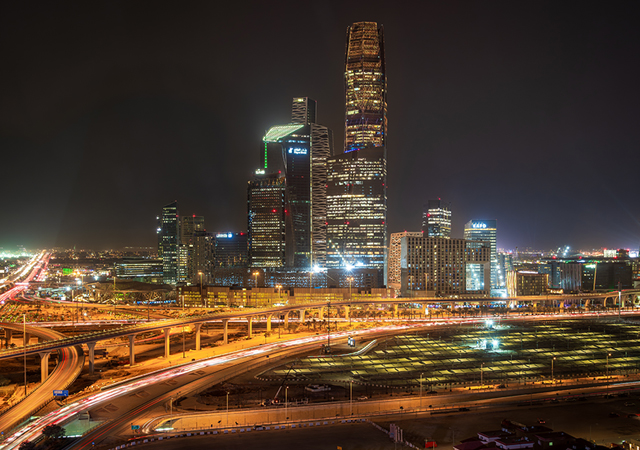
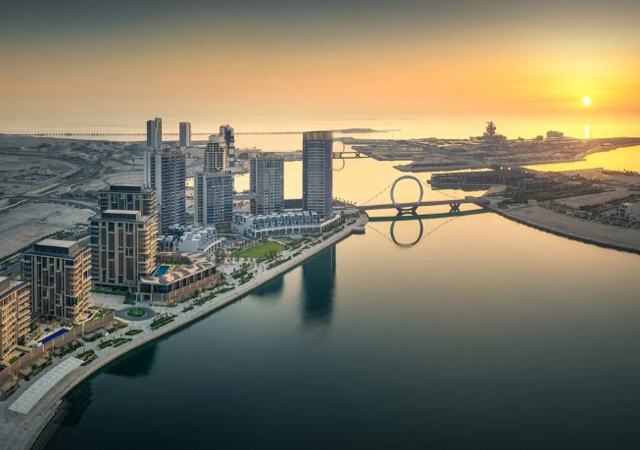
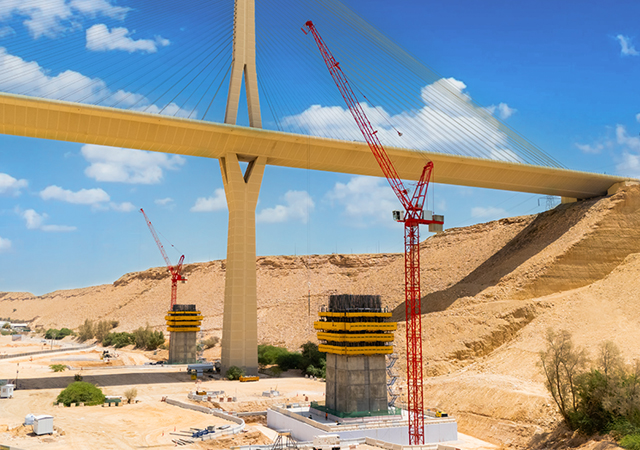
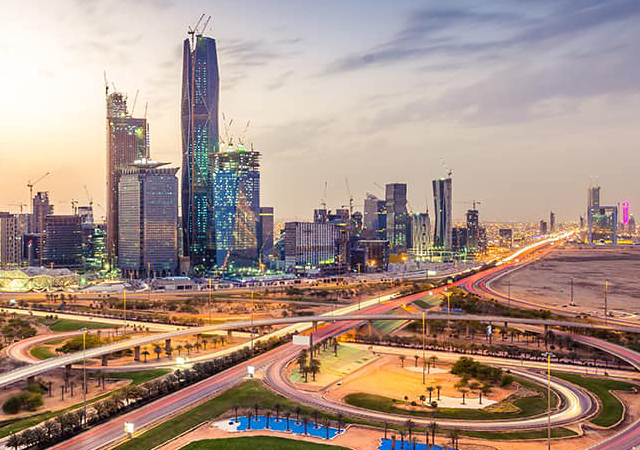
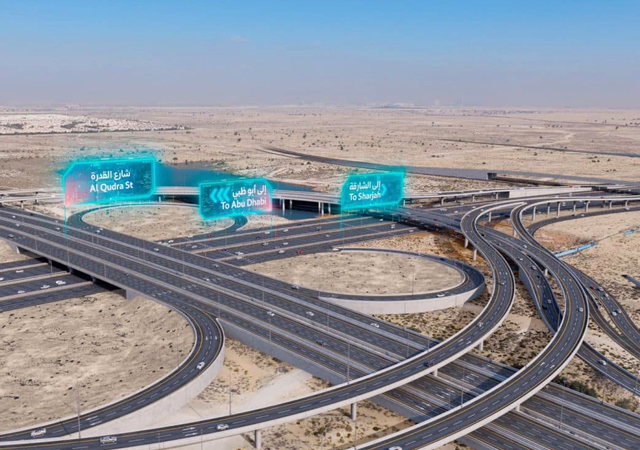
Over the past two decades, Middle Eastern countries have invested heavily in large-scale road and bridge networks to support rapid urbanisation and population growth. Complex highway systems, iconic bridge structures, and logistics corridors have underpinned regional trade and mobility. Today, however, scale alone is no longer the defining metric of success. The next generation of projects must respond to broader national visions that prioritise efficiency, resilience, decarbonisation, and long-term value creation.

Dorao ... roads can become active contributors to a more resilient, sustainable, and prosperous future.
This evolution is reflected in the practices of global infrastructure developers and contractors with extensive experience across transport networks worldwide. Drawing on lessons from diverse geographies, these organisations are applying regenerative principles to road and bridge construction, seeking not just to minimise negative impacts, but to leave a positive legacy. This includes restoring ecosystems affected by construction, optimising water and energy use, integrating nature-based solutions into drainage and landscaping, and designing infrastructure that enhances surrounding communities rather than fragmenting them.
In the Middle East, where climatic conditions are extreme and resources such as water are particularly sensitive, regenerative infrastructure offers a compelling framework. Roads and bridges are increasingly expected to withstand intense heat, sandstorms, and episodic flooding while reducing maintenance demands over their lifecycle. Advanced materials, climate-responsive design, and predictive maintenance strategies are enabling assets that perform better for longer, while reducing embodied carbon and operational emissions.
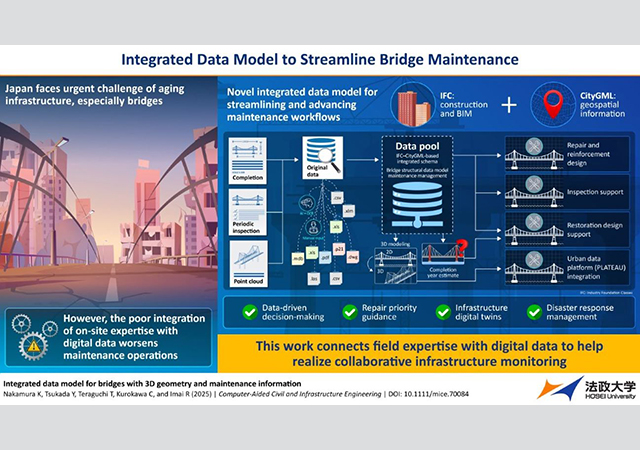
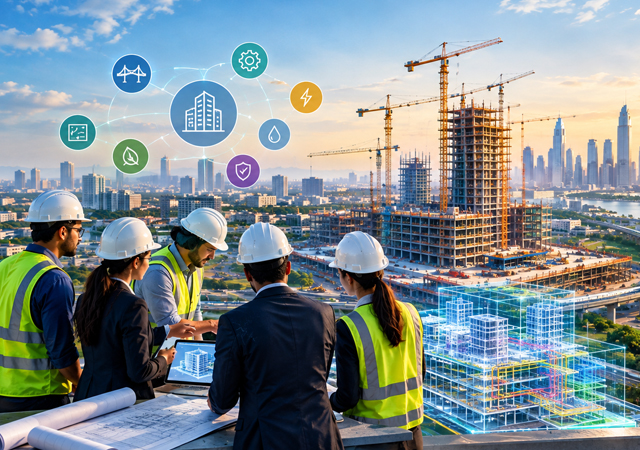
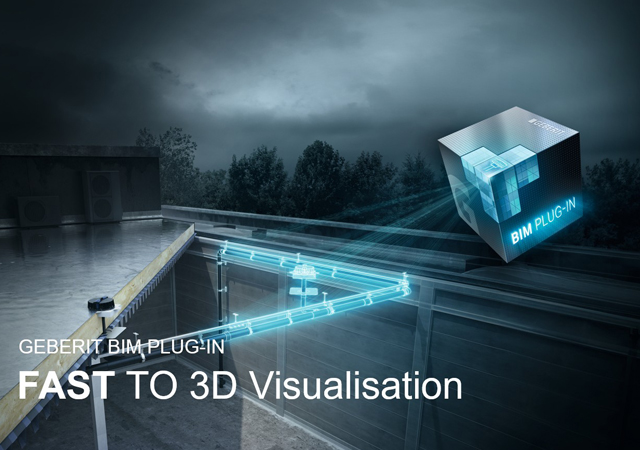
Digitalisation plays a critical role in this transformation. The use of building information modelling (BIM), digital twins, and real-time monitoring allows infrastructure owners to understand how assets interact with their environment throughout their lifecycle. By combining digital tools with regenerative design principles, road and bridge projects can be optimised not only for structural performance and safety, but also for resource efficiency, emissions reduction, and long-term adaptability. In a region where much of the infrastructure is relatively new, there is a unique opportunity to embed this intelligence from the outset.
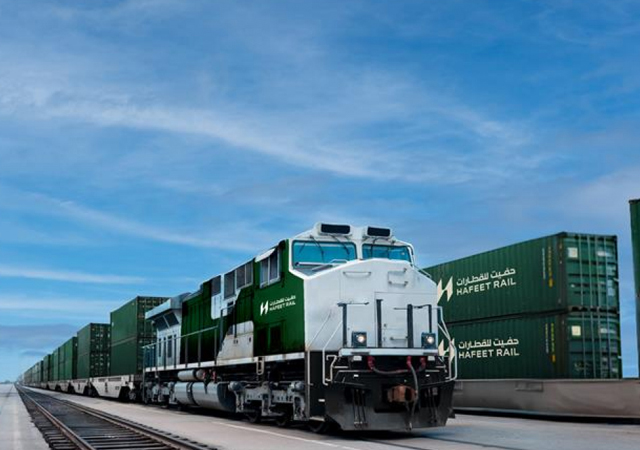
Mobility demand itself is also changing. National development strategies across the GCC are driving the expansion of logistics hubs, industrial zones, and tourism destinations, while cities seek to reduce congestion and improve quality of life. Roads and bridges must, therefore, support multimodal transport, integrate with rail and public transport systems, and enable cleaner mobility solutions. When designed regeneratively, these assets can help reduce overall emissions, improve air quality, and support more inclusive urban development.

The most successful projects will be those that regenerate landscapes, support communities, and align infrastructure delivery with long-term goals.
Sustainability, in this context, is no longer limited to compliance or mitigation. The focus is shifting towards infrastructure that contributes positively to decarbonisation targets, local employment, skills development, and innovation. Regenerative approaches encourage collaboration across the value chain – from designers and contractors to operators and authorities – aligning incentives around long-term performance rather than short-term cost.
Public–private partnerships are reinforcing this trend. As governments increasingly look to the private sector to deliver and operate road and bridge assets, there is greater emphasis on lifecycle value, resilience, and measurable outcomes. Contractors and developers with integrated capabilities across design, construction, and operation are well positioned to deliver infrastructure that adapts over time and continues to generate value long after completion.
Ultimately, roads and bridges will remain fundamental to the Middle East’s economic competitiveness and connectivity. But their role is evolving. The most successful projects of the coming decade will not be those that simply move traffic faster, but those that regenerate landscapes, support communities, and align infrastructure delivery with long-term national and environmental goals.
In a region defined by ambition and transformation, roads and bridges are no longer just the backbone of development. When conceived as regenerative assets, they become active contributors to a more resilient, sustainable, and prosperous future.
* Marcos Dorao is the Business Development Director for Infrastructure in the Middle East at Acciona, a global leader in sustainable infrastructure and renewable energy solutions.