






















Across the Middle East and North Africa (MENA) region, conversations about disability inclusion in employment are often focused on existing challenges. These include low participation rates, inconsistent enforcement of regulations, and social stigma.
The hard data show that disabled people remain significantly under-represented in labour markets across MENA.
But while these challenges are real, they only tell part of the story. There is also meaningful progress taking place – particularly within the built-environment sector, and these examples deserve more attention.
Take Aldar Properties in the UAE as an example. It has made empowering disabled people a strategic priority and signed memorandums of understanding (MoUs) with key organisations such as the Special Olympics UAE.
Aldar Properties also became a named partner in Abu Dhabi’s ATMAH social impact bond, which focuses on training and placing people with cognitive impairments into meaningful employment.

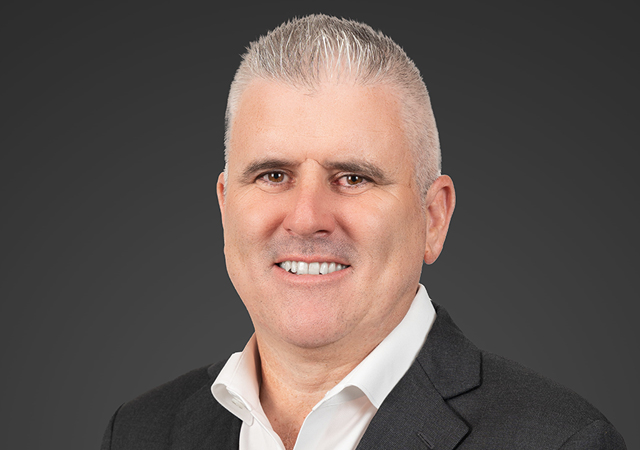
Davolio ...” The business case for disability inclusion is compelling”.
Meanwhile, Nesma & Partners in Saudi Arabia has partnered with Qaderoon, a Saudi disability inclusion non-profit organisation which aims to help people with disabilities achieve their ambitions in the workplace. The company also achieved the “Mowaamah” gold certificate for disability inclusion in its workplace.
To do this, the company had to pass eight criteria in support of people with disabilities: compliance, knowledge, employment, human resources management, products and services, interaction, utilities, information technology and communications.
Another company in the MENA region that has demonstrated excellent commitment to developing inclusive construction talent pipelines is Turner & Townsend. Its Middle East branch teamed up with Class of Your Own to deliver the Design Engineer Construct! (DEC!) programme at Uptown International School in Dubai.
Through a hands-on work experience week, students get immersed in real-world construction consultancy roles, to design a sustainable “office of the future”.
By exposing students early to construction careers, professional role models and practical skills in cost management, sustainability and client engagement, the initiative helps bridge the gap between education and industry while broadening inclusive access to the construction industry.
Evidently, disability inclusion within the MENA region’s construction sector is not only possible but already in motion. The initiatives highlighted here represent just a fraction of the innovative efforts driving the regional movement for equality. For those looking to delve deeper, organisations such as the Schindler Group and Direct Access Consultancy serve as benchmarks for inspiration.

Disability inclusion within the MENA region’s construction sector is not only possible but already in motion.
The business case for disability inclusion is compelling. Research by Accenture demonstrates that inclusive organisations achieve 30 per cent higher profit margins and double the net income, making them four times more likely to outperform their peers in shareholder returns.
To drive meaningful change, employers must demonstrate visible leadership and accountability. Currently, corporate attitudes remain a primary barrier to inclusion across the region. In Saudi Arabia, for instance, research indicates that only 24 per cent of organisations have a formal disability policy, while fewer than one-third employ persons with disabilities.
Leaders, including those in the construction sector might consider starting to embed disability inclusion into organisational strategy, setting internal targets and publishing their progress. Embedding inclusive recruitment practices is essential to addressing inflexible criteria and inaccessible application processes. These systemic barriers often disproportionately exclude both disabled and neurodivergent candidates.
A great starting point for construction companies across the MENA region would be to ensure applications are accessible to all and that reasonable adjustments are made available. Companies can also partner with vocational providers and disability organisations, such as those mentioned above, to improve accessibility.
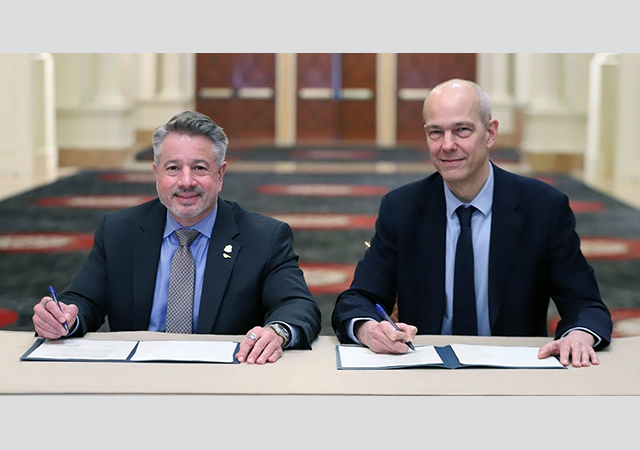
Building on the impressive work Turner & Townsend has been doing to advance inclusivity across the MENA construction sector, the company has also signed the CIOB Diversity & Inclusion Charter. This charter provides a framework for organisations in the built environment to strengthen diversity by committing to five core actions: showing leadership, making a plan, shaping culture, being transparent, and remaining accountable.
By signing the charter, companies can adapt these five commitments to suit their scale and resources – whether they are small or medium-sized enterprises (SMEs) or global construction firms. CIOB supports this process by offering essential guidance such as its comprehensive Diversity and Inclusion training resources through the CIOB Academy website, designed to help organisations implement each of these commitments effectively. Since its launch in 2022, nearly 400 companies worldwide have joined the charter, and those interested in signing up can do so here.