
















Saudi Global Ports (SGP), a leading port operator and partner of the region’s ports and logistics ecosystem, has formally inaugurated a major berth expansion at King Abdulaziz Port Dammam (KAPD) and broken ground on a new integrated logistics zone. These initiatives underscore Saudi Arabia’s push to become a global trade and logistics hub under Vision 2030, a top company official tells Gulf Construction.
The inauguration of Terminal Two berth expansion and ground-breaking on the SAR1.3 billion ($346 million) Dammam Integrated Logistics Zone – adjacent to SGP’s operations at KAPD – represent a development designed to link sea, land and industrial logistics into a single corridor.
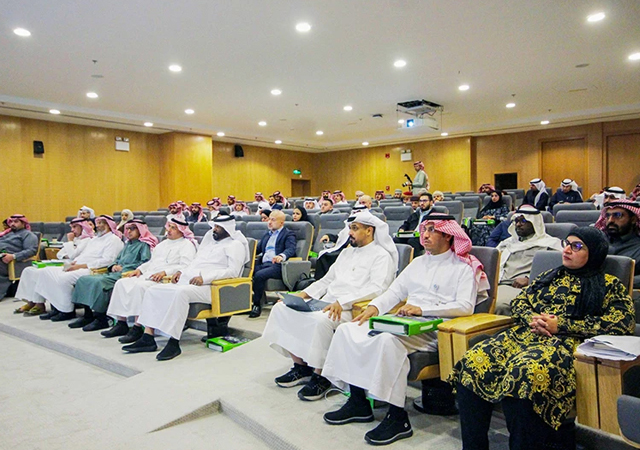
The dual-milestone event at KAPD was held under the patronage of Eastern Province Governor Prince Saud bin Nayef bin Abdulaziz and Minister of Transport Saleh bin Nasser Al-Jasser.
 |
|
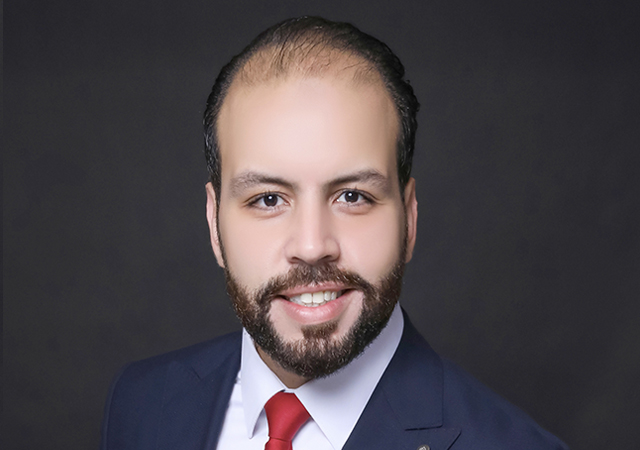
Phay ... improved operational fluidity. |
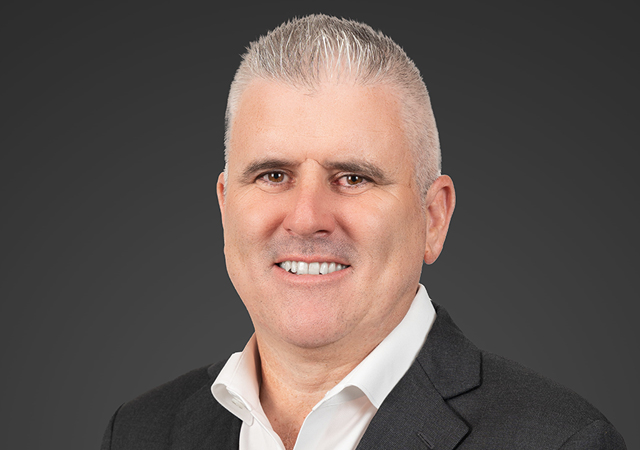
In an exclusive interview with Gulf Construction’s Bina Goveas, Daniel Phay, Chief Operating Officer of Saudi Global Ports and CEO of SGP Container Terminals, outlines how the expansion transforms the port’s operational DNA.
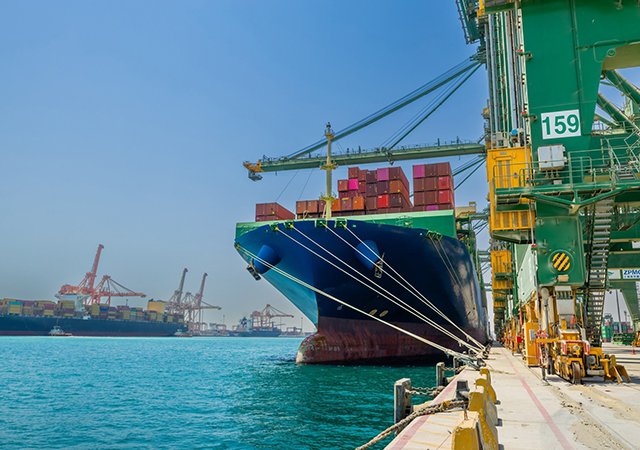
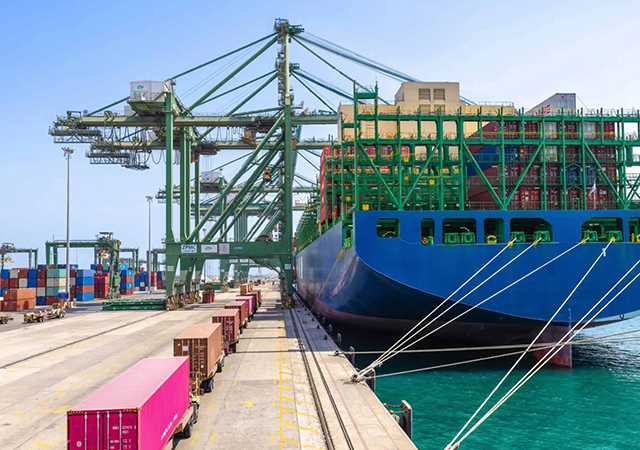
The centrepiece of the expansion is a 225-m extension of the quay of Terminal Two. This addition allows the terminal to berth two ultra-large container vessels (ULCVs) simultaneously, which, according to Phay, has already “improved berth availability, planning precision, and operational fluidity”.
Phay elaborates: “The Terminal Two berth expansion is an important step in strengthening our operational capabilities and the capability and resilience of King Abdulaziz Port Dammam. It supports our long-term approach to build future-ready infrastructure that serves the kingdom’s growing trade flows and supports national priorities.
“The expansion is fully aligned with the ambitions of Vision 2030 and the National Transport and Logistics Strategy. By extending the quay by 225 m – bringing the total length to 925 m – we enable two ULCVs to berth simultaneously. This enhancement strengthens the port, boosts supply chain competitiveness, and further reinforces Dammam’s position as a high-performance trade gateway on the eastern coast.
 |
|
Nine quay cranes are now operational across Terminal Two. |
“The upgrade integrates seamlessly with our broader ecosystem, including SGP Intermodal’s Riyadh Dry Port, SGP Multipurpose Terminals and the upcoming Dammam Integrated Logistics Zone. Together, these assets create an integrated corridor that strengthens Saudi Arabia’s position as a global logistics hub.”
The technical scope of the completed work includes:
Quay extension: Total length increased from 700 to 925 m.
Crane power: Nine quay cranes now operational across Terminal Two.
Volume target: Combined handling capacity for Terminals One and Two is projected to reach 3.8 million TEUs by 2026.
OVERCOMING ENGINEERING HURDLES
Executing a major marine extension within an active port presented significant logistical challenges. Phay highlights the difficulty of managing piling and quay wall construction without disrupting live vessel calls.
“We approached this through phased construction sequencing and controlled work zones,” he explains. “Rigorous engineering design was also essential to manage coastal ground and soil conditions, alongside a strong focus on safety and quality. The project involved continuous coordination with contractors, the Saudi Ports Authority (Mawani) and port operation to keep the terminal fully functional throughout the build.”
Beyond its physical structure, SGP is positioning the terminal as a “smart” hub. The expansion is designed to support stronger digital integration across the terminal. SGP has enhanced how operational data is used for vessel and yard planning, improving visibility and decision-making. The upgraded berth also provides the foundation for future adoption of smart port systems, building on SGP’s earlier 5G Smart Port trials. This includes opportunities for expanded remote operations, advanced analytics and closer integration with other SGP business units.
“Our approach is to design infrastructure that is scalable and adaptable, ensuring we can incorporate new technologies as they mature,” he says.
 |
|
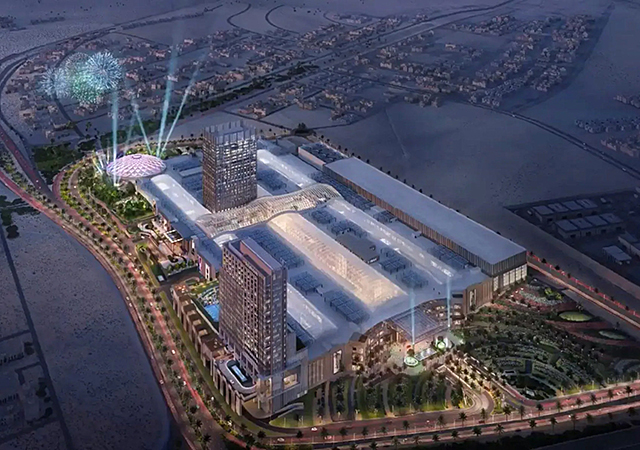
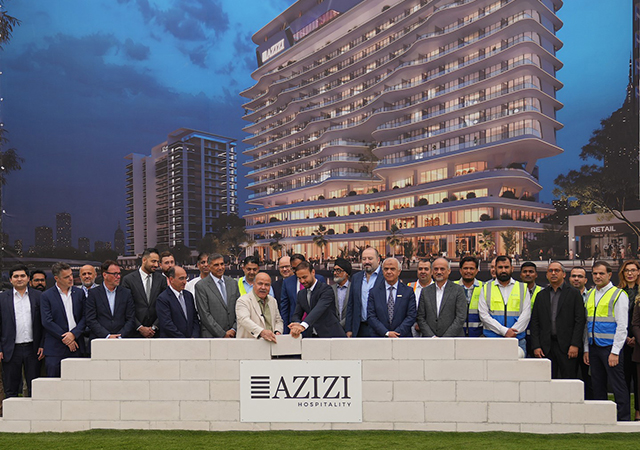
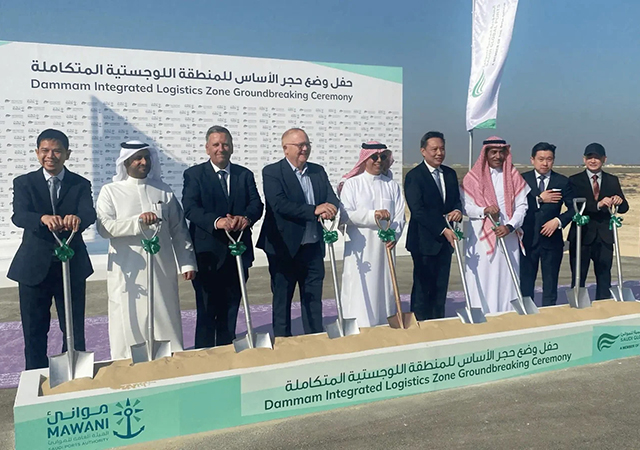
Officials break ground on Dammam Integrated Logistics Zone. |
On the environmental front, the terminal’s layout and cargo flows have been optimised to reduce vessel waiting times and idle equipment use. This complements SGP’s wider green initiative, which includes the deployment of electric and hybrid equipment across its network.
“Sustainability is built into our long-term planning. Terminal Two now provides a stronger platform for further environmental initiatives as part of the kingdom’s wider green logistics goals,” Phay adds.
Since commissioning, SGP has seen enhanced berth productivity, more efficient vessel sequencing, greater flexibility to accommodate additional service calls and improved overall throughput potential.
These outcomes are important for the Eastern Province, where demand from industry and consumers continues to grow, he points out. “The expansion strengthens the port’s ability to handle rising container volumes and larger vessels with consistency and reliability. It ensures we are ready to support continued demand growth across the Eastern Region and the kingdom’s expanding industrial base.
“The upgraded capability enhances overall resilience at King Abdulaziz Port Dammam and ensures it is positioned to unlock more capacity and value for customers and partners,” Phay states.
A CONNECTED ECOSYSTEM
The ground-breaking of the 1-million-sq-m Dammam Integrated Logistics Zone, managed by SGP Freezones, further signals the shift toward integrated trade solutions. The zone will feature modular warehousing, cold chain facilities, and dedicated zones for e-commerce and petrochemicals.
Commenting on the key lessons learned from delivering Terminal Two, Phay says: “Early and consistent collaboration between all stakeholders proved vital, ensuring operational continuity while works were underway. A phased execution strategy also enabled us to manage complexity without compromising service levels.”
“Future-proofing remains a central consideration. As vessel sizes and customer expectations evolve, our designs must anticipate tomorrow’s requirements. This project reaffirmed the importance of building scalable, adaptable infrastructure from the outset. These principles are embedded into our upcoming developments,” he concludes.
SGP – a partnership between the Public Investment Fund (PIF), the shareholders of Al Blagha Holding for Investments (ABHI) and PSA International – operates deepsea container terminals and multipurpose terminals along the eastern coast of Saudi Arabia and three rail-linked intermodal terminals across Riyadh and Dammam. With its extensive and growing operations in the kingdom, it aims to deliver the infrastructure that moves trade, supports national projects, and empowers Vision 2030.
.jpg)