






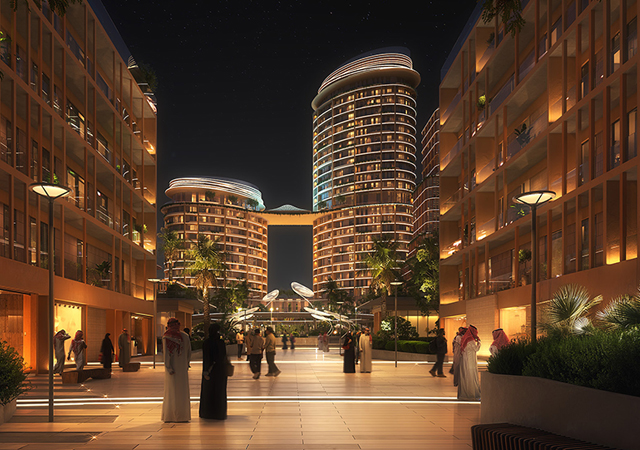















In Dubai’s luxury hotel interiors and on Abu Dhabi’s Corniche, Portuguese natural stone demonstrates how geological character, skilled craftsmanship and technical precision can shape architecture with a distinctive identity, says ANIET, Portugal’s national association for the extractive and processing industry.
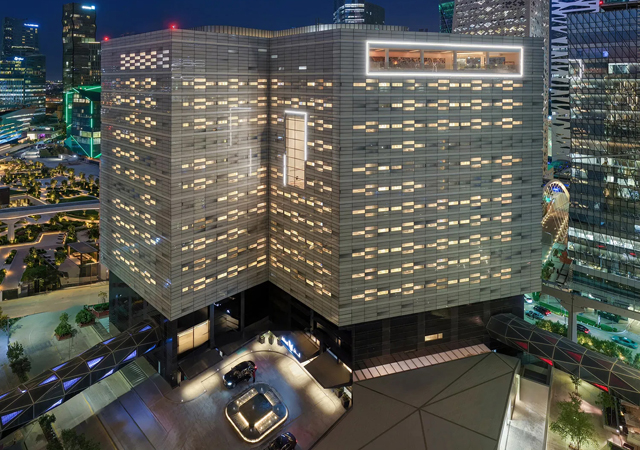
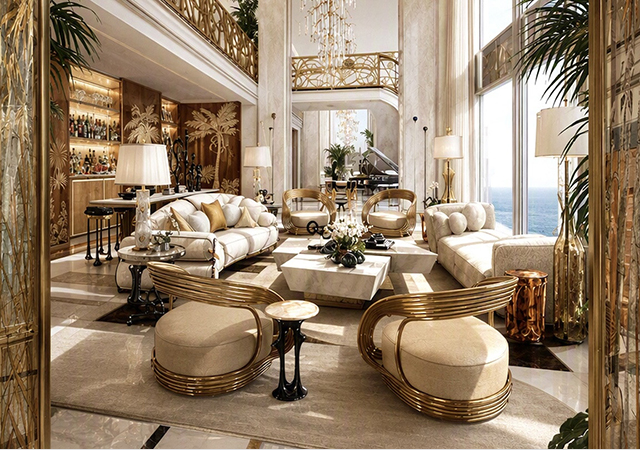
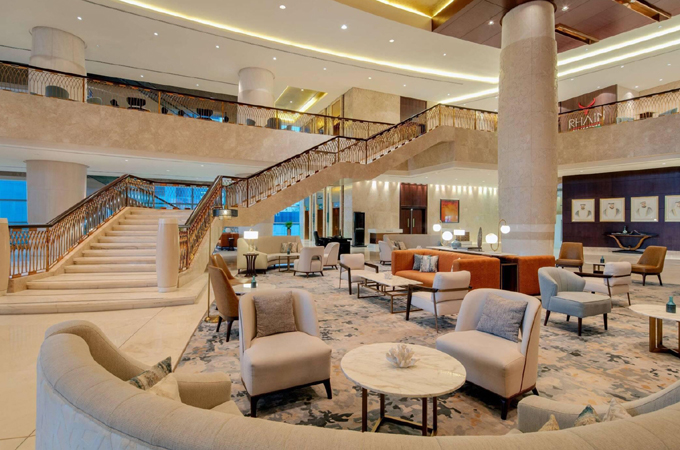
At Conrad Dubai, Portuguese marble forms part of the hotel’s first impression. Rosa Portugal, originating from the Estremoz, Borba and Vila Viçosa marble region, is documented in the interior’s flooring and columns, while the sweeping lobby staircase features Rosa Portogallo. Together, these applications place Portuguese stone at the centre of an arrival experience defined by generous proportions and finely worked surfaces.
The architectural effect extends beyond decoration. Across a floor, marble establishes continuity; around a column, it gives volume a tactile presence; on a staircase, its veining follows the movement between levels. At Conrad Dubai, stone helps give a monumental interior its sense of refinement.
For architects and interior designers, this is the particular value of Portuguese natural stone: the capacity to contribute to the composition of a space, from its broadest surfaces to its most closely observed details.
An established presence in UAE
The Grand Hyatt Dubai provides another documented hospitality reference. The project received more than 1,200 sq m of polished Amarelo Negrais slabs at 20 mm thickness, together with a further 20 sq m at 90 mm.
The specification illustrates the use of Portuguese stone within a major luxury hotel project, accommodating different dimensional requirements within the same material selection.
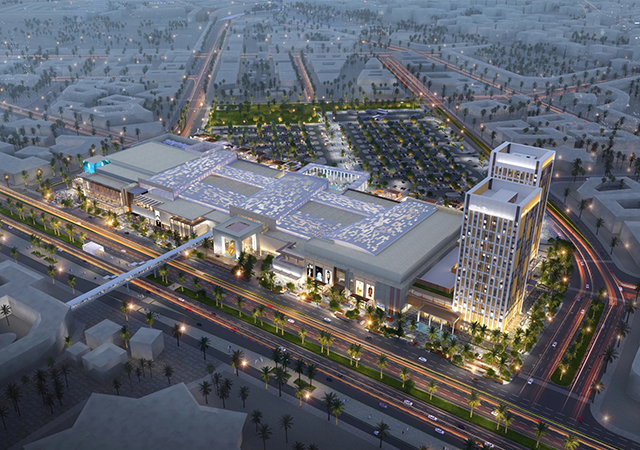
In Abu Dhabi, Nation Towers presents a different expression. At the shopping centre’s front entrance, 2,200 sq m of Portuguese Gris Liso limestone were supplied as 40 mm honed cladding panels. The grey stone brings a restrained architectural language to the entrance, demonstrating the breadth of Portugal’s limestone palette and its relevance to substantial exterior surfaces.
These projects show Portuguese natural stone working at different scales: as an expressive interior material, a polished hospitality finish and a carefully specified architectural envelope.
Material individuality and design freedom
Portugal’s resources encompass marble, limestone, granite and slate, with distinct mineral compositions, colours and textures. This diversity offers designers scope to establish a coherent material language across reception areas, private residences, bathrooms, terraces and façades.
Marble can introduce luminous surfaces and expressive veining. Limestone offers tonal subtlety and a quieter visual rhythm. Granite provides robust options for demanding applications, while slate contributes a layered, tactile character. Suitability depends on the particular stone, finish and conditions of use.
Within each family, selection and composition are decisive. Vein direction can accentuate height or extend a horizontal plane. Honed finishes soften reflections; polishing reveals colour and mineral detail. Carefully coordinated pieces allow natural variation to enrich an interior while preserving its overall balance.
The expertise behind the architecture
Achieving that balance requires rigorous execution. Block and slab selection, dimensional accuracy, surface finishing and the co-ordination of joints all influence the completed work.
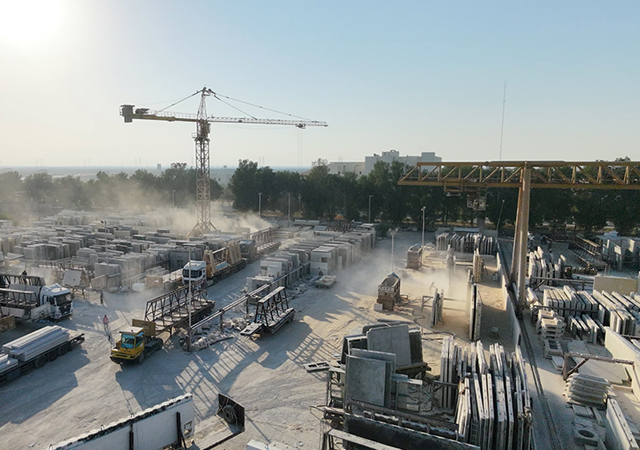
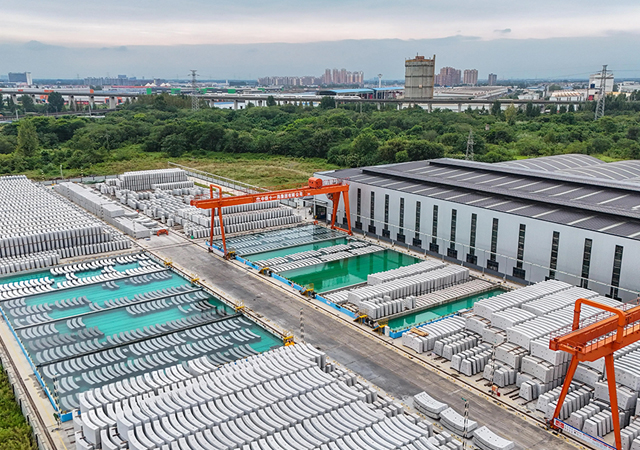
Portugal’s stone working expertise combines established craftsmanship with advanced processing technologies, supporting bespoke dimensions, complex geometries and finely resolved architectural details. For premium projects, this technical command is fundamental to preserving the designer’s intention from initial sample to finished installation.
Early collaboration also allows aesthetic choices to be assessed alongside performance requirements, including traffic, moisture, exposure and maintenance. Material beauty gains lasting architectural value when supported by informed specification.
This connection between natural character and professional expertise underpins “Portuguese Stone – The Natural Path”, the international project promoted by ANIET, Portugal’s national association for the extractive and processing industry (co-financed by COMPETE 2030, Portugal 2030 and European Union).
Already present in distinguished Emirati settings, Portuguese natural stone offers architects and designers a compelling resource: a diverse material heritage, worked with the precision to give ambitious spaces their own enduring identity.-TradeArabia News Service