







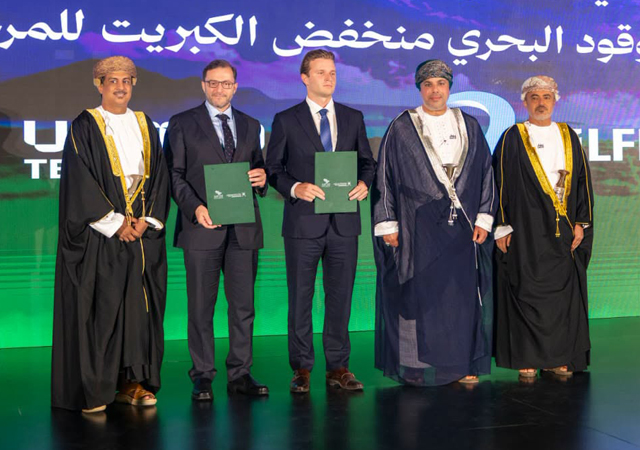
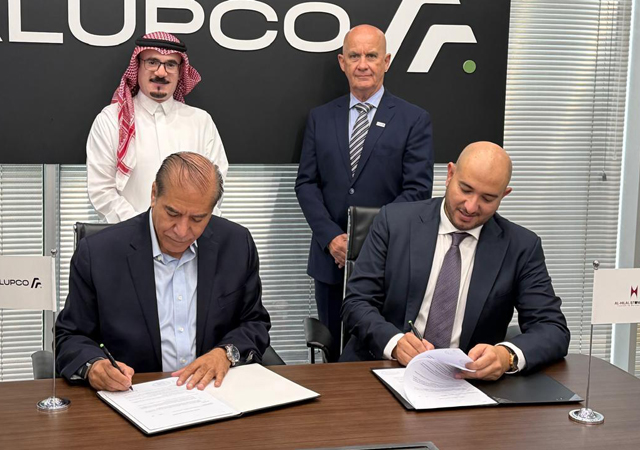
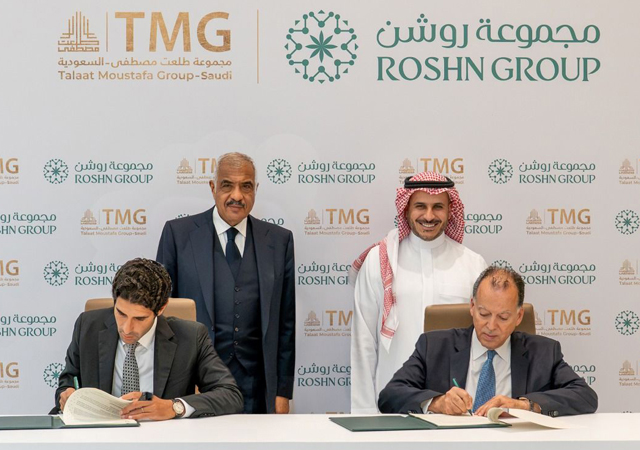
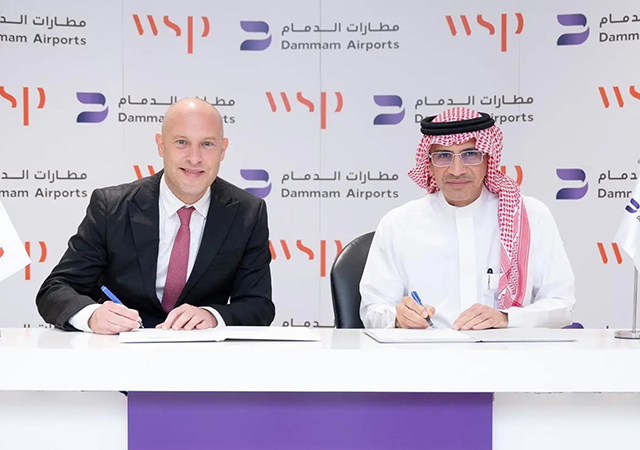
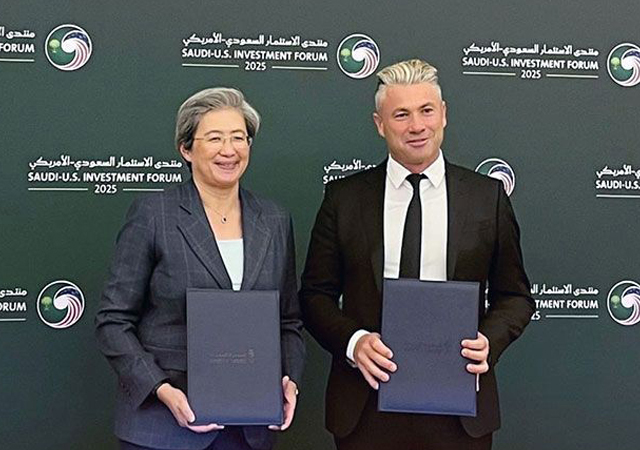




An agreement to expand Gulf Industrial Investment Company (GIIC) iron ore pellatising facilities in Hidd was signed yesterday (May 14). Estimated at more than $570 million, the project will make Bahrain the main supplier to the Gulf steel industry.
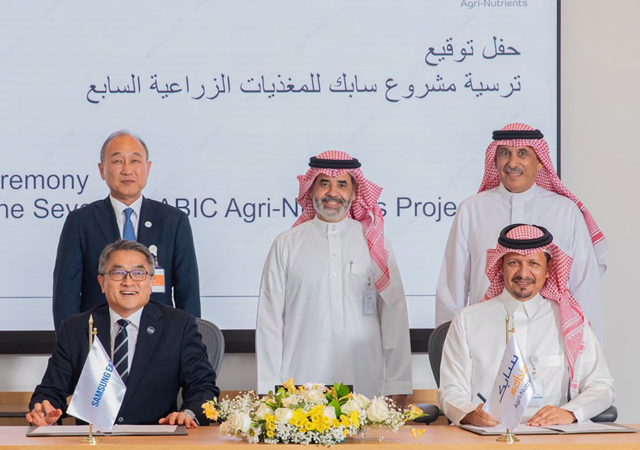
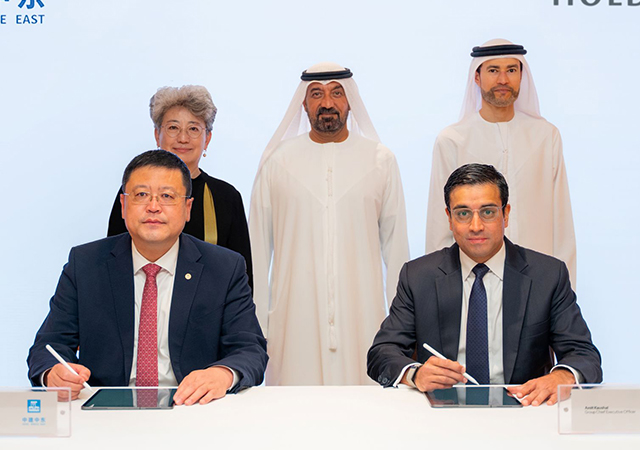
Bahrain-based firms GIIC and Arab Banking Corporation (ABC) attended the signing ceremony.
Japan's Kobe Steel Company has been awarded the main engineering, procurement and construction contract, which covers the expansion of the company's iron ore pelletising plant by 6 miollion tonnes a year - taking the total annual capacity up to 11 million tonnes.
The project will make GIIC 'one of the global leaders of the direct reduction pelletising industry and the only commercial plant based in the Middle East to supply the steel industry in the Gulf region and neighbouring countries with iron pellets,' said Gulf Investment Corporation (GIC) chief executive officer Hisham Al Razzuqi.
GIC is also the largest shareholder in the company.
ABC is the sole underwriter and mandated lead arranger of the debt financing facility, one of the largest ever undertaken in Bahrain. Only 10 per cent of the total project costs are met by credit financing.
Syndication of the remaining $525.3m debt facility at the underwriting level is expected to close shortly, after which it will go to general syndication.
ABC says it will be targeting both regional and international banks.
Key strategic investors also include Qatar Steel and three companies from Kuwait - NIG, Al Kharafi Group and Kuwait Foundry.
The new plant is expected to begin production in the third quarter of 2009.
Of the annual operating expenses of $400 million, close to $30 million would be spent in Bahrain, said Industry and Commerce Minister Dr Hassan Fakhro at the signing ceremony.
The expansion project will provide additional employment to 150 people, out of which close to 100 will be Bahrainis.
'These are good contributions, but as usual, we urge all our partners in the economic development of the nation to maximise their contribution to the local economy so that the kingdom realises its socio-economic goals,' he said.
One way in which Bahrain could maximise employment opportunities could be by creating a downstream industry for steel production, he said.
'Our experience with subsidiary industries has proven that they are less energy and capital intensive, provide more employment per dollar of capital expenditure and are more environmentally friendly,' said the minister.
Global demand for steel has doubled in the last 12 years, with China in particular driving the growth of the market.
Steel use in China next year will total well over 440 million tonnes, about 35pc of the world total.
Global demand for pelletised steel is 103.5 million tonnes per year, of which only 5 million tonnes come from the Gulf.-TradeArabia News Service