































































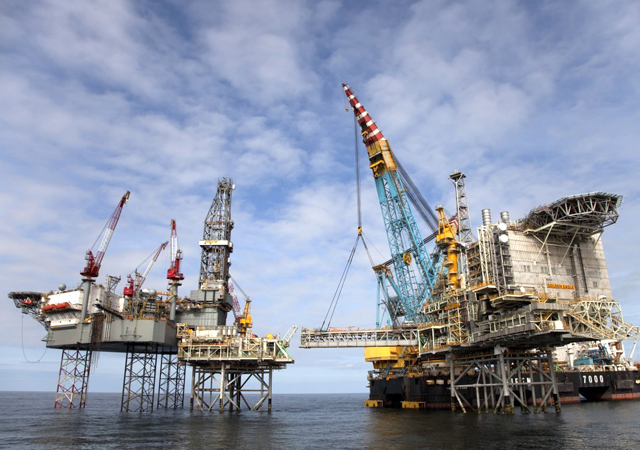





















Oil held steady after rebounding a day earlier on expectations that US inventories could have fallen again last week, and as an Opec output increase appears off the cards for this month.
US light crude for December delivery fell by 2 cents to $94.07 a barrel by 0242 GMT after rising almost $3 in the previous session.
London Brent crude fell by 12 cents to $91.24.
US crude oil supplies are seen falling again last week for the fourth consecutive time, as rising margins spurred refinery activity, a poll of 13 industry analysts showed ahead of US government data later on Thursday.
The poll showed a expectations for a drop of 800,000 barrels in crude stocks and a decline of 100,000 barrels in distillate inventories, including heating oil.
The government data was delayed this week due to the federal Veterans Day holiday on Monday.
Falling stocks, a low dollar, investment flows from less-well-performing equities, as well as geopolitical tensions, have fuelled the latest rise in oil. Prices have risen by more than 50 percent so far this year.
The head of the International Energy Agency, Nobuo Tanaka, said on Wednesday that oil stocks were at 'worrisome' levels and that he hoped oil-producing countries would listen to market signals.
But members of the Opec producer cartel have blamed record prices on speculation and not on supply shortages, and have confirmed they will not discuss raising crude output at a heads-of-state meeting on Nov 17-18.
Opec already agreed in September to raise output by 500,000 barrels a day from the start of this month, although analysts have said the rise was not enough to stem depletion in consumer stockpiles.
Opec's next meeting is not until Dec 5 in Abu Dhabi.
Concerns about demand helped knock oil off last week's record high above $98, with the IEA earlier this week sharply cutting global demand growth forecasts and saying that high prices were already curbing consumption.
And the US Energy Information Administration said on Wednesday it was not inevitable that crude costs will reach $100 a barrel. The EIA actually believed oil prices would trend downward, its chief, Guy Caruso, said.Reuters