





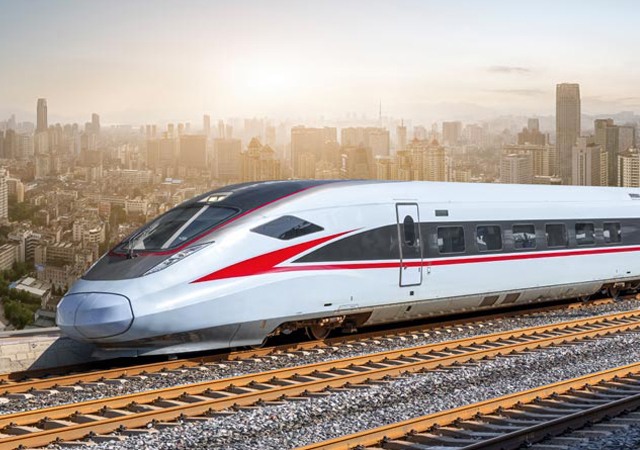


When the first underground train rumbled beneath London in 1863, few could have imagined it would redraw the city’s social, economic, and urban map. The Metropolitan Railway didn’t just move people, it moved the city itself. Districts like Kensington and Paddington, once considered remote, were suddenly within reach and saw land values soar as shops, cafés, and neighbourhoods clustered around the new arteries of mobility.
Paris followed in 1900 with the Métro, stitching together a city once divided by the Seine and its arrondissements (administrative districts). Both cities proved the same lesson, which is infrastructure, more than grand architectural vision, is what truly builds communities.
The lesson for Dubai
Developers love masterplans. Glossy renderings, sweeping promises of self-contained cities, and staged amenities have become the language of real estate marketing. Yet anyone who has lived in Dubai knows communities here don’t come alive because of brochures. They thrive because of infrastructure. And nothing accelerates that process more than the metro.
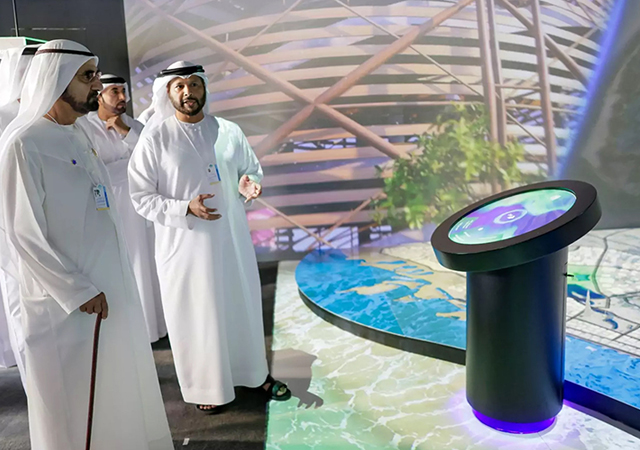
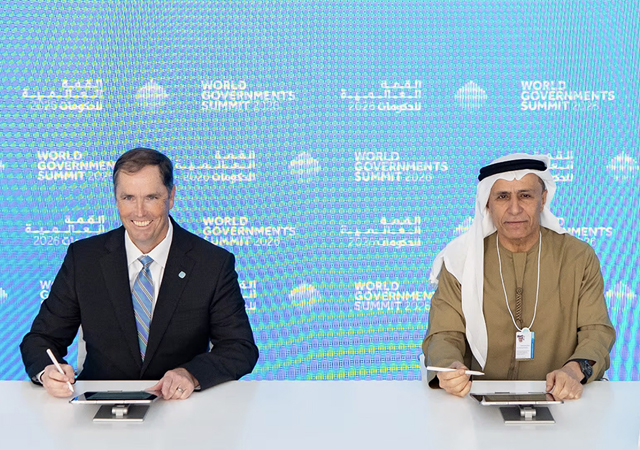
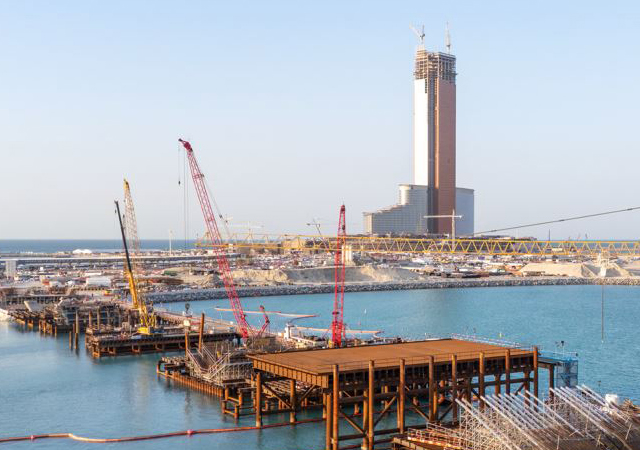
When HH Sheikh Mohammed bin Rashid Al Maktoum, Vice President and Prime Minister of the UAE and Ruler of Dubai, laid the foundation stone for the Dubai Metro Blue Line in June 2025, many saw it as a transport project. Faster commutes, less congestion, smarter mobility, all true. But what excites me as a developer is what comes next, and how one line can do more to create a thriving community than years of staged development.
The Red Line already proved the point: Bur Dubai and Deira found a new rhythm, while Business Bay and JLT transformed almost overnight. Cafés filled up, sidewalks came alive, and businesses thrived – not because of grand masterplans, but because a train ran on time.
CBRE’s 2023 Dubai Metro Report quantified this ‘connectivity premium’. Properties within 15 minutes of a Red Line station saw sales prices grow 26.7 per cent between 2010 and 2022, compared with the city’s 24.1 per cent average. Rentals near stations rose 5.7 per cent between 2018 and 2022, even as Dubai’s overall rents declined. In some cases, the uplift was doubled.
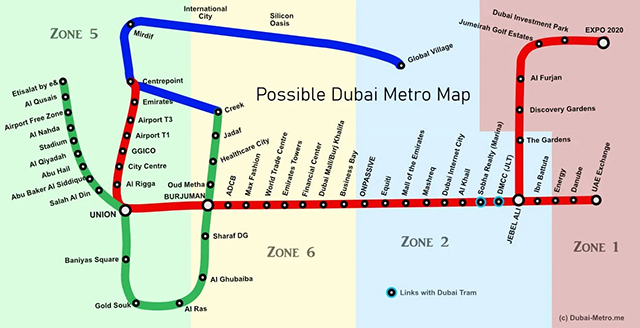
Dubai Metro route map showing the Blue Line.
Beyond blueprints
A masterplan can promise vibrant plazas, but without accessibility, they remain empty. Infrastructure guarantees flow. It stitches together fragmented districts, reshapes demand, and gives people the confidence to invest their time, money, and identity in a place. For families, the real luxury is cutting a commute from 50 minutes to 20. For young professionals, it’s the freedom of living in a car-light city. For retailers, it’s transit-driven foot traffic. Once a metro station opens, the market logic shifts, rents rise, demand accelerates, and the ‘next big district’ stops being speculative and becomes real.
Dubai’s unique approach
Globally, infrastructure often lags behind housing. Cities sprawl first, scramble later. The UAE has reversed that equation. Here, infrastructure is the seed of growth, not an afterthought. From the Red and Green lines to RTA’s broader vision and the Dubai 2040 Urban Master Plan, transport is treated as the skeleton upon which communities grow. The Blue Line will extend this model into areas like Jumeirah Village Circle. What feels peripheral today will become central tomorrow. And as we’ve seen before, higher property values are just the beginning. What follows are cafés, start-ups, friendships, and stories that make a neighbourhood real.
A challenge to developers
For developers, the opportunity is clear, and calls them to basically align with infrastructure, so they can unlock accelerated demand. But the challenge is to rethink what creates true value. Pools and gyms are table stakes. The real differentiator is designing projects that amplify transit benefits, walkable streets, green spaces linked to stations, and mixed-use clusters that thrive on connectivity. Communities are co-created with infrastructure. And in Dubai, the metro is the most powerful co-developer of all.
As the Blue Line takes shape, developers have a chance to partner with the city in building culture, opportunity, and belonging. Because a metro line doesn’t only move people. It moves the life of the city.